Geographic Understanding Normal Social Studies Worksheets for Ages 7-9
3 filtered results
-
From - To
Explore our Geography Understanding Worksheets tailored for ages 7-9, designed to ignite curiosity about the world! These engaging resources blend fun with learning, helping young students grasp key concepts like map reading, landforms, and cultural landmarks. Each worksheet encourages critical thinking and promotes active learning, allowing children to explore different geographical regions while developing essential skills. Perfect for both classroom and home use, these worksheets foster an interactive learning environment, making geography accessible and enjoyable. Equip your child with the knowledge they need to understand their surroundings and appreciate global diversity—download our unique worksheets today!
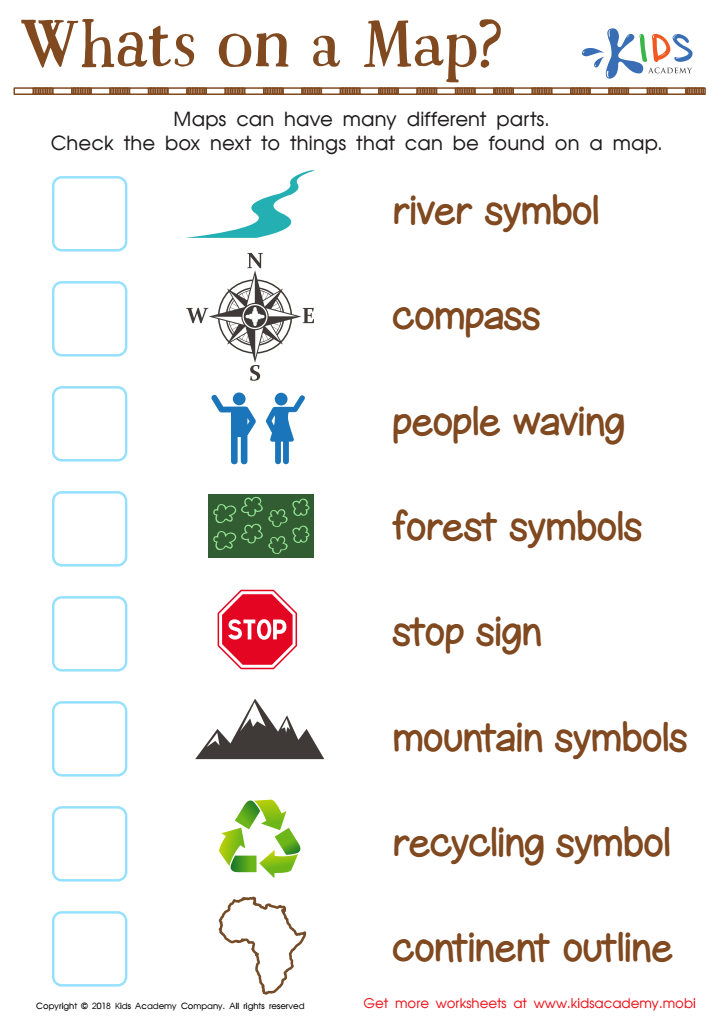
Whats on a Map? Worksheet
 Assign to My Students
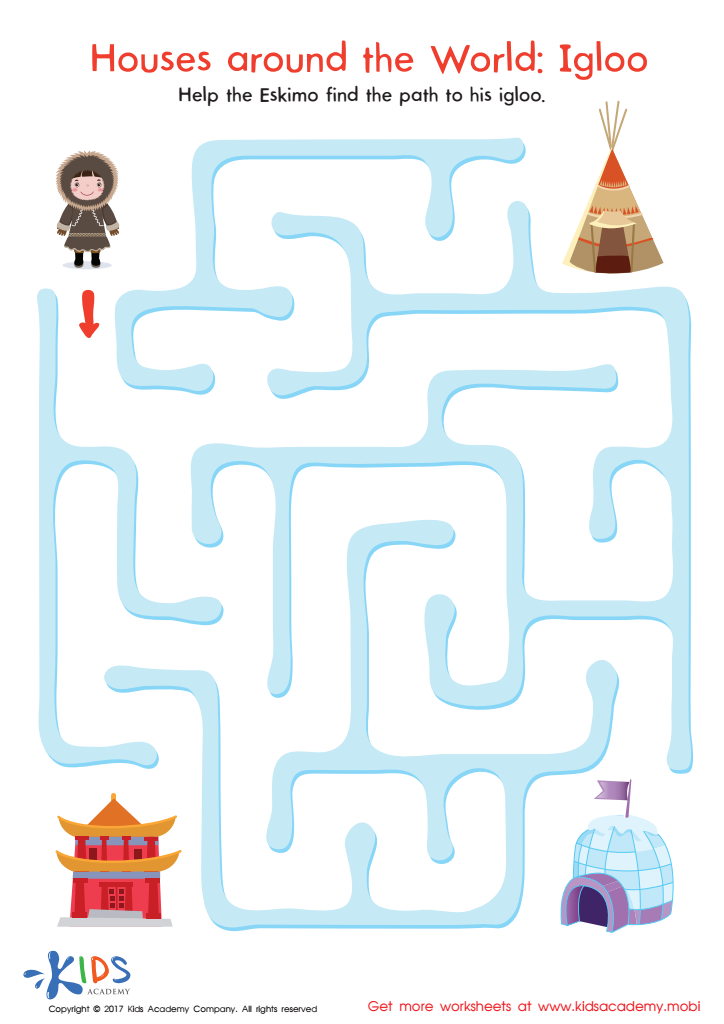
Houses Around the World: Igloo Printable
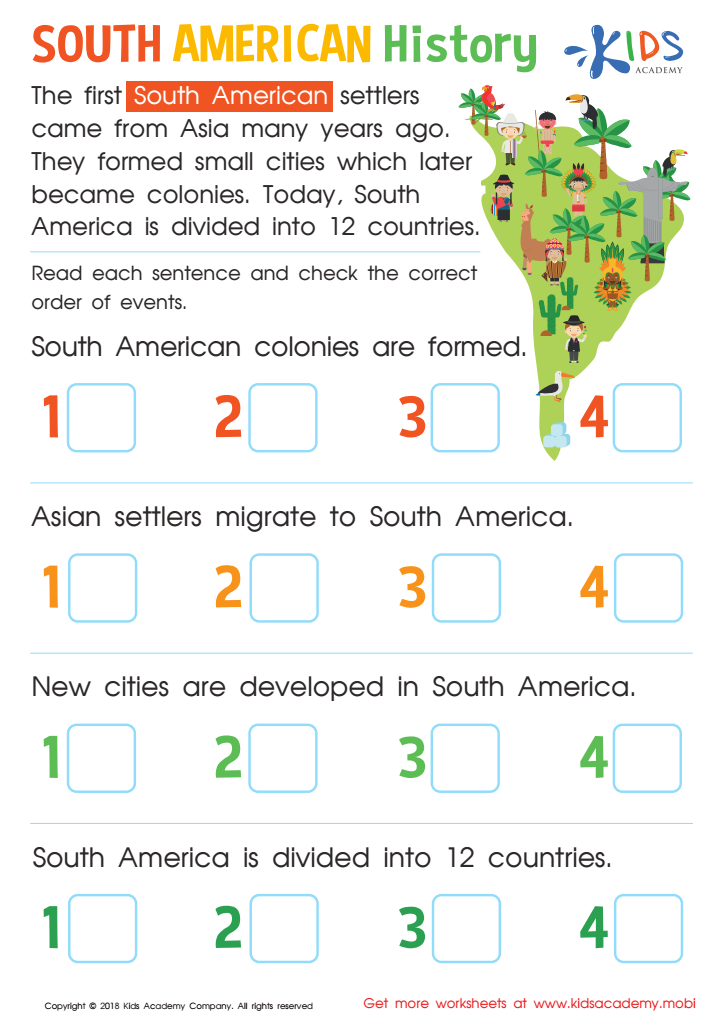
South American History Worksheet




Parents and teachers should prioritize Geographic Understanding in Social Studies for children aged 7-9, as it plays a crucial role in fostering well-rounded individuals. At this developmental stage, children are naturally curious about their environment, and exposing them to geography helps them make sense of the world around them. It encourages critical thinking and analytical skills as children learn to interpret maps, understand symbols, and recognize the connections between different places.
Geographic Understanding cultivates a sense of place and belonging, which is vital for developing identity and self-awareness. By exploring diverse cultures, ecosystems, and global challenges, children learn to appreciate diversity and understand the importance of social responsibility. This knowledge fosters empathy and promotes a sense of stewardship toward the planet and its inhabitants.
Moreover, geographic literacy supports academic achievement across subjects. For example, understanding spatial concepts enhances mathematical skills and strengthens literacy through storytelling about different regions. By integrating geography into Social Studies, parents and teachers equip children with the skills they need to thrive as informed citizens in an interconnected world, promoting a lifelong enthusiasm for learning and exploration. Thus, embedding Geographic Understanding early on lays a strong foundation for future academic and civic success.