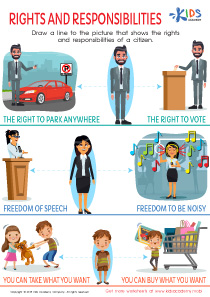
Spelling practice Normal Social Studies Worksheets for Ages 7-9
3 filtered results
Difficulty Level
Grade
Age
-
From - To
Subject
Activity
Standards
Boost your child's spelling abilities while exploring the world of social studies with our Spelling Practice Normal Social Studies Worksheets designed for ages 7-9. These high-quality, printable resources combine engaging spelling exercises with fascinating social studies topics, helping young learners develop their language skills and knowledge simultaneously. From geography and history to community and culture, our worksheets provide a fun and educational way to practice spelling essential vocabulary. Improve your child's learning experience today by integrating these worksheets into their study routine. Ideal for both classroom and home use, they’re perfect for preparing for quizzes and building confidence.
Favorites
With answer key
Interactive
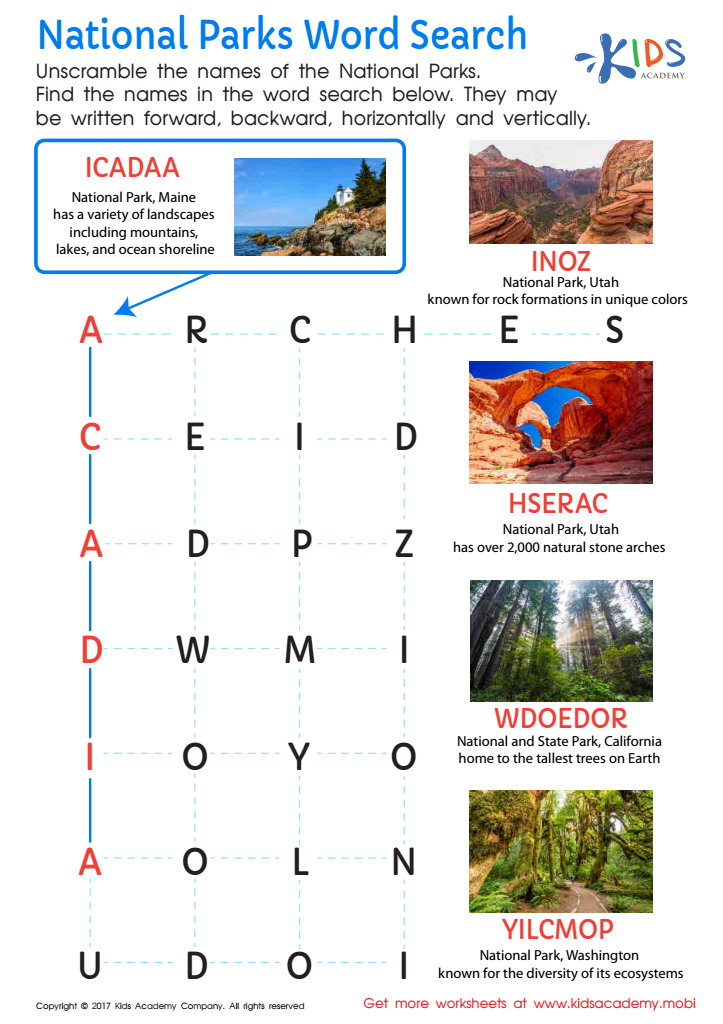
National Parks Word Search Worksheet
Explore the beauty of the USA’s national parks with this fun National Parks word search! Learn more about these majestic sites and boost your knowledge. Take a trip through the sights and sounds of our country with this motivating worksheet.
 Assign to My Students
National Parks Word Search Worksheet
Worksheet
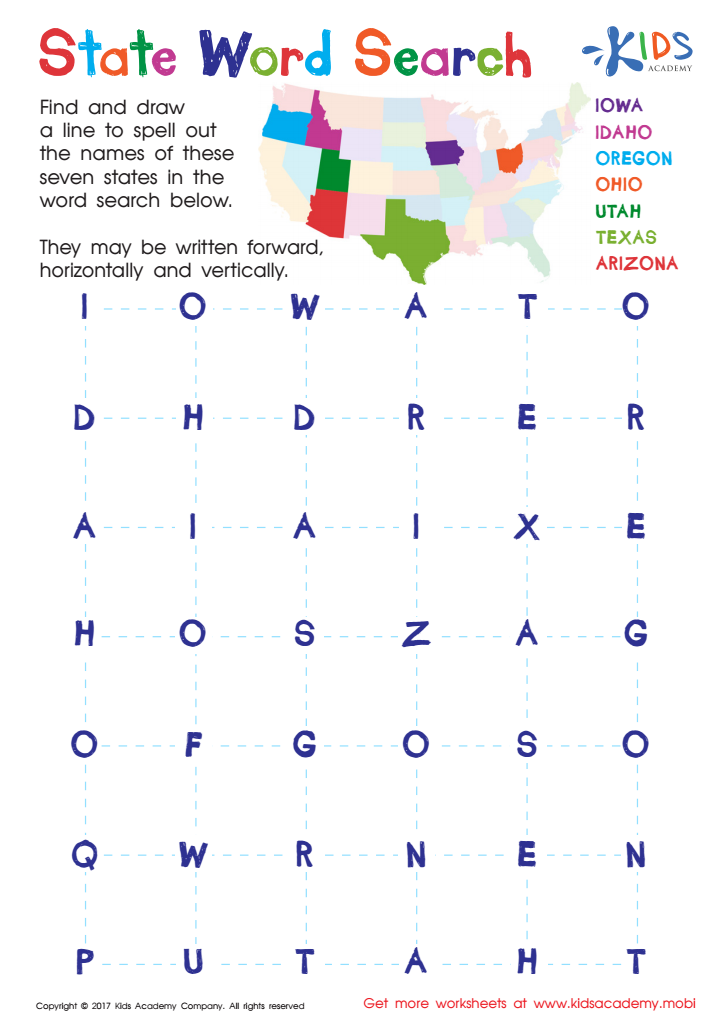
State Word Search Worksheet
Take a road trip across the US with this word search to help your child learn how to identify states. This engaging puzzle makes it easy to remember the 50 states. Get your kids to have fun and learn at the same time!
State Word Search Worksheet
Worksheet
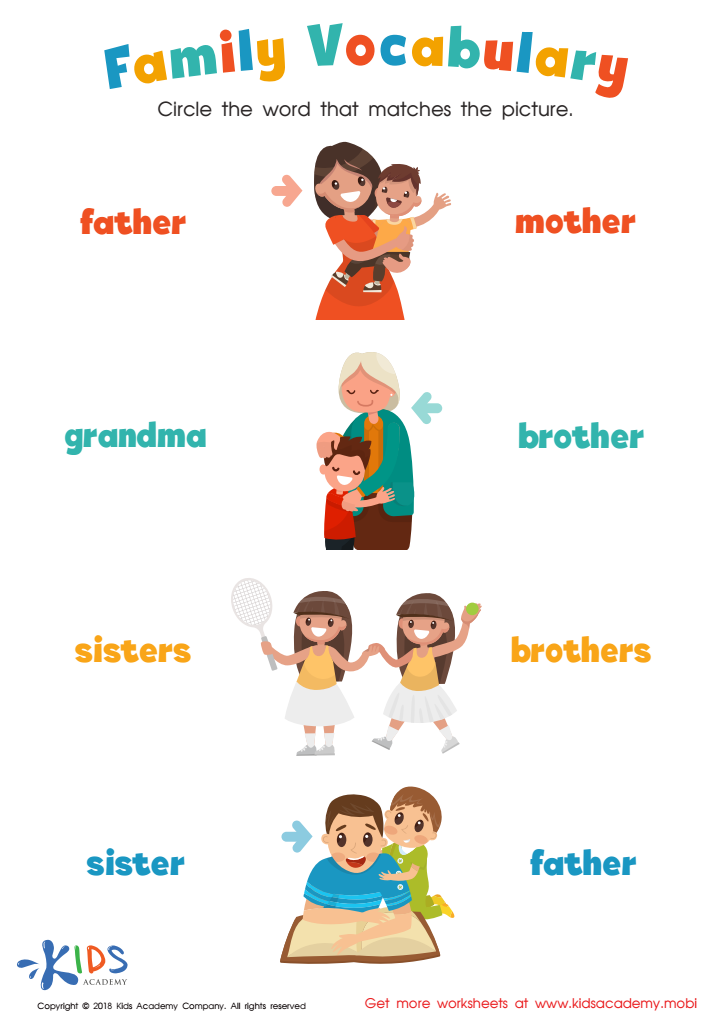
Family Vocabulary Worksheet
Students learn about families in social studies. This worksheet helps them identify family members by looking at a picture and circling the corresponding word. To extend their learning, ask them to talk about their own family members.
Family Vocabulary Worksheet
Worksheet
Join Kids Academy for Free
Who is primarily going to use this learning content?







Parents and teachers should prioritize spelling practice and social studies for children aged 7-9 because these formative years are critical for cognitive development and foundational skill-building.
Spelling practice enhances literacy by reinforcing phonemic awareness, vocabulary, and comprehension. When children accurately spell words, they are better equipped to read fluently and express themselves clearly in writing. This fluency fosters confidence in academic settings and beyond. Consistent spelling practice lays the groundwork for more advanced language arts skills, impacting their overall academic trajectory.
Simultaneously, social studies plays a vital role in developing well-rounded individuals. For children aged 7-9, this subject introduces basic concepts about communities, geography, history, and civics. Understanding these topics helps kids appreciate cultural diversity, civic responsibility, and the interconnectedness of global societies. It fosters critical thinking by encouraging them to consider multiple perspectives and understand cause-and-effect relationships in historical contexts.
Incorporating both spelling and social studies into the learning process nurtures a balanced educational experience. While spelling hones essential communication skills, social studies broadens intellectual horizons and moral awareness. Together, they prepare children not just for academic success, but also to become informed, empathetic, and engaged citizens. Caring about these areas signals a commitment to holistic education, ensuring children develop both the competence and character needed for the future.