Letter-sound recognition Normal Alphabet Worksheets for 7-Year-Olds
3 filtered results
-
From - To
Enhance your 7-year-old's literacy skills with our Letter-Sound Recognition Normal Alphabet Worksheets! These engaging worksheets are expertly designed to help young learners develop essential phonemic awareness through fun activities and exercises. Children will practice identifying letters and their corresponding sounds, setting a strong foundation for reading and writing. Each worksheet features colorful illustrations and interactive tasks that capture interest while reinforcing crucial language skills. Ideal for both classroom settings and at-home learning, our worksheets cater to various learning styles, ensuring children are motivated and excited about their educational journey. Download now and unlock the magic of reading for your child!
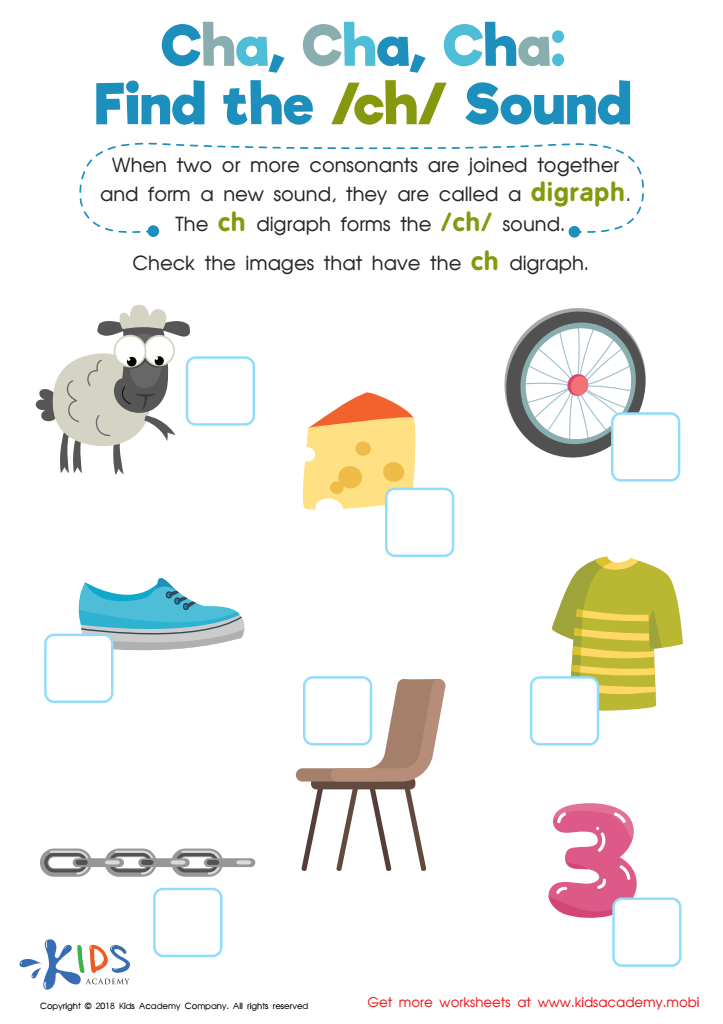
Cha, Cha, Cha: Find the /Ch/ Sound Worksheet
 Assign to My Students
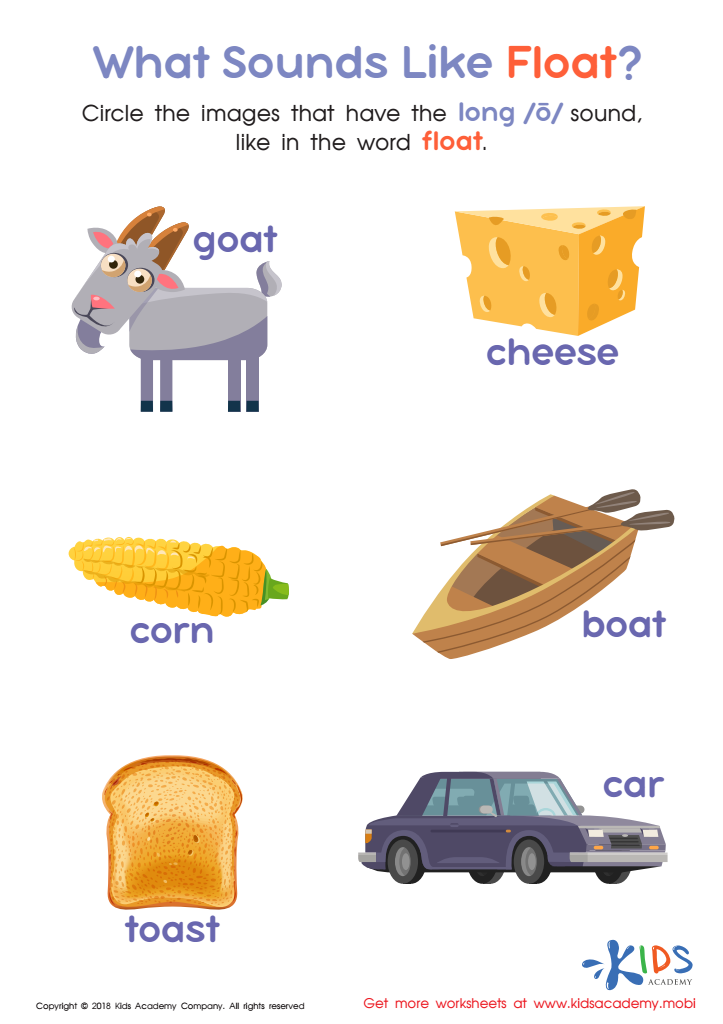
What Sounds Like Float? Worksheet
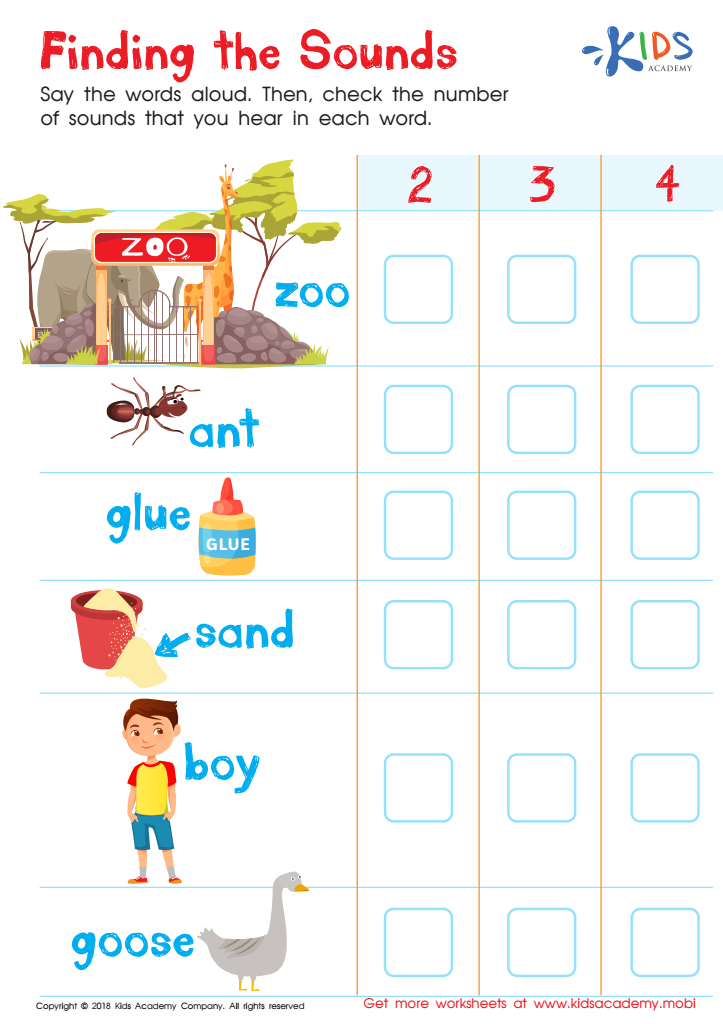
Finding the Sounds Worksheet





Letter-sound recognition is a crucial skill for 7-year-olds as it forms the foundation for effective reading and writing. At this age, children are transitioning from recognizing letters to understanding the sounds they represent, which is essential in decoding words. Mastery of letter-sound relationships enables children to sound out unfamiliar words, fostering independence in reading and boosting their confidence.
Parents and teachers should care about this skill because it directly correlates with literacy development. Early recognition of letters and sounds predicts later academic success; children who struggle with this aspect are more likely to face challenges in reading comprehension as they progress. Additionally, strong letter-sound recognition enhances vocabulary development and language acquisition, empowering children to express themselves more effectively.
Furthermore, engaging parents in supporting their child’s learning at home reinforces what they learn in school. Whether through reading together, playing phonics games, or incorporating everyday experiences, this collaborative effort can enhance learning and create a love for reading.
Investing time and resources into strengthening letter-sound recognition not only helps children succeed academically but also cultivates lifelong learners who are equipped to thrive in an increasingly literacy-focused world.







