Reading Skills Normal Alphabet Worksheets for 7-Year-Olds
5 filtered results
-
From - To
Enhance your child's reading abilities with our engaging "Reading Skills Normal Alphabet Worksheets" designed specifically for 7-year-olds! These worksheets are crafted to help young learners recognize letters, familiarize themselves with vocabulary, and improve reading fluency. Each activity combines fun and education, ensuring that children develop essential literacy skills while enjoying the learning process. With vibrant illustrations and interactive exercises, our worksheets make mastering the alphabet both entertaining and effective. Equip your little ones for reading success by exploring our diverse range of activities that inspire creativity and promote confidence in their reading journey. Perfect for home or classroom use!
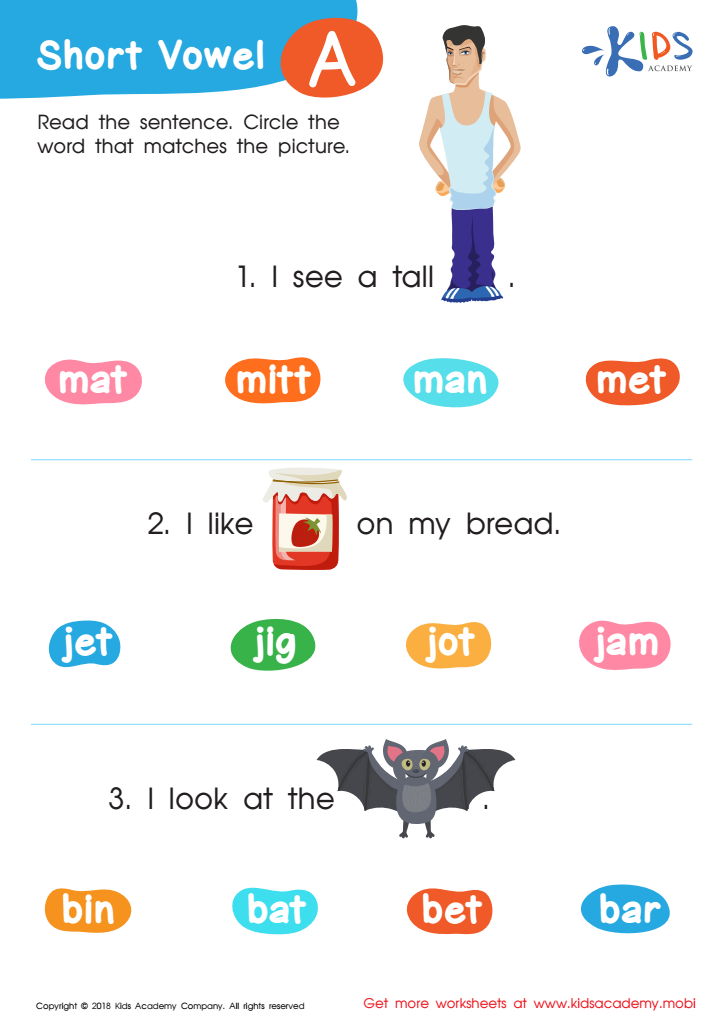
Short Vowel /a/ Worksheet
 Assign to My Students
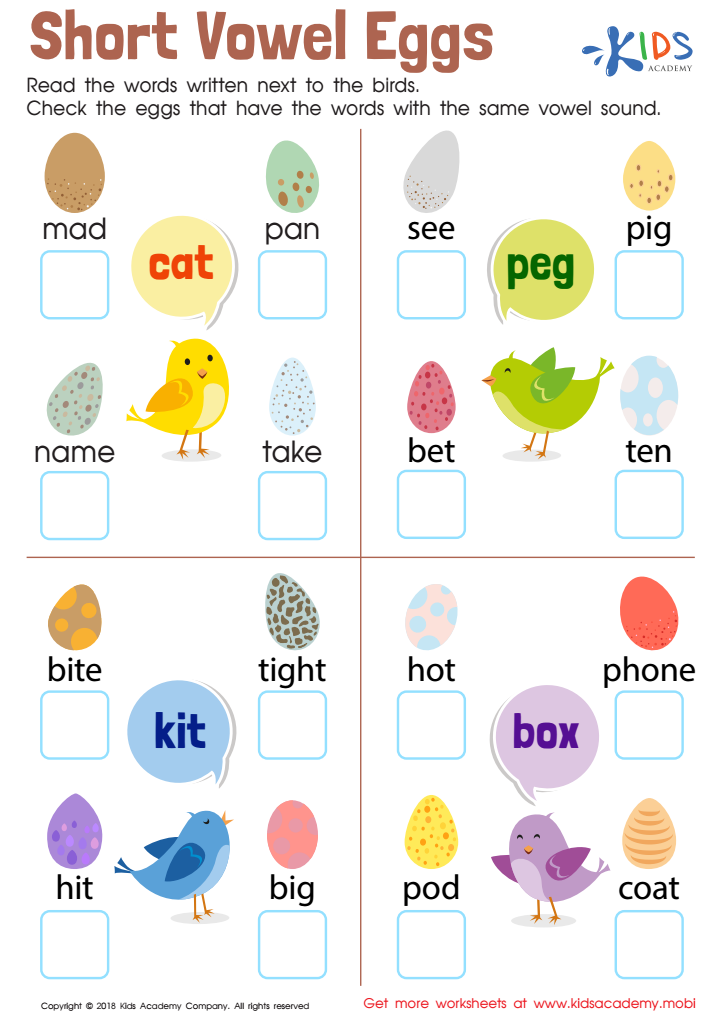
Short Vowel Eggs Worksheet
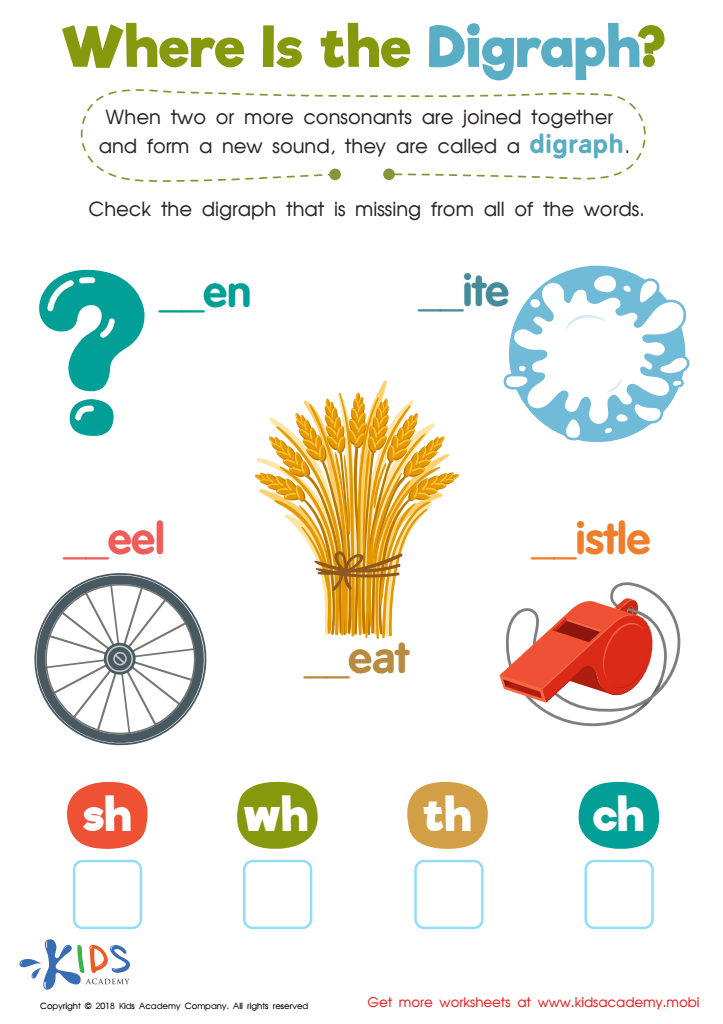
Where Is the Digraph? Worksheet
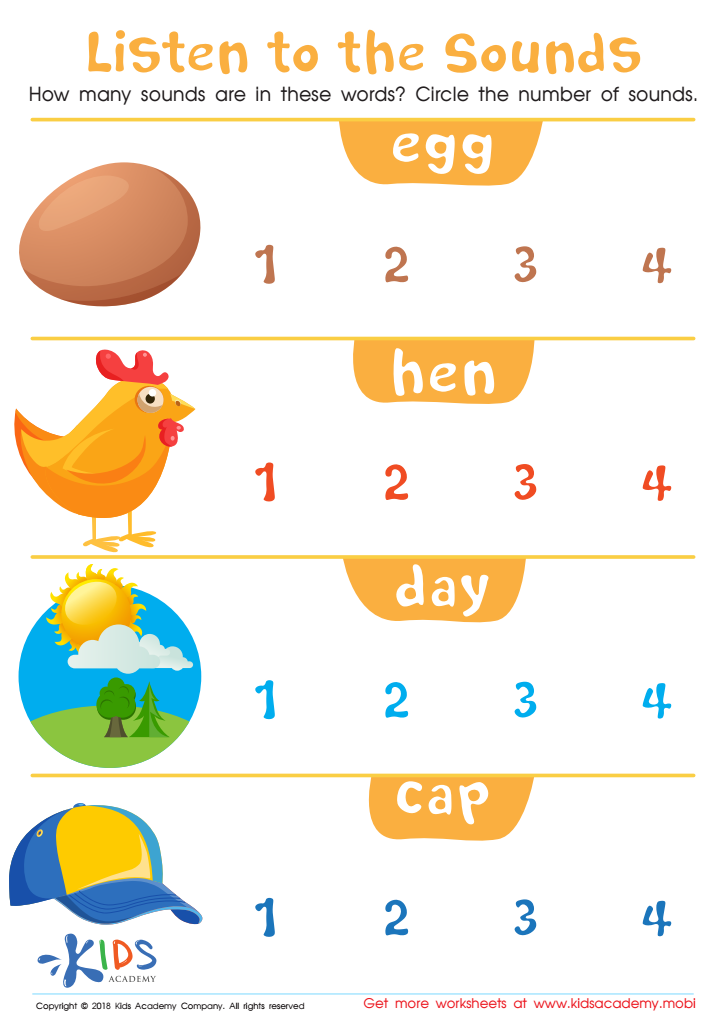
Listen to the Sounds Worksheet
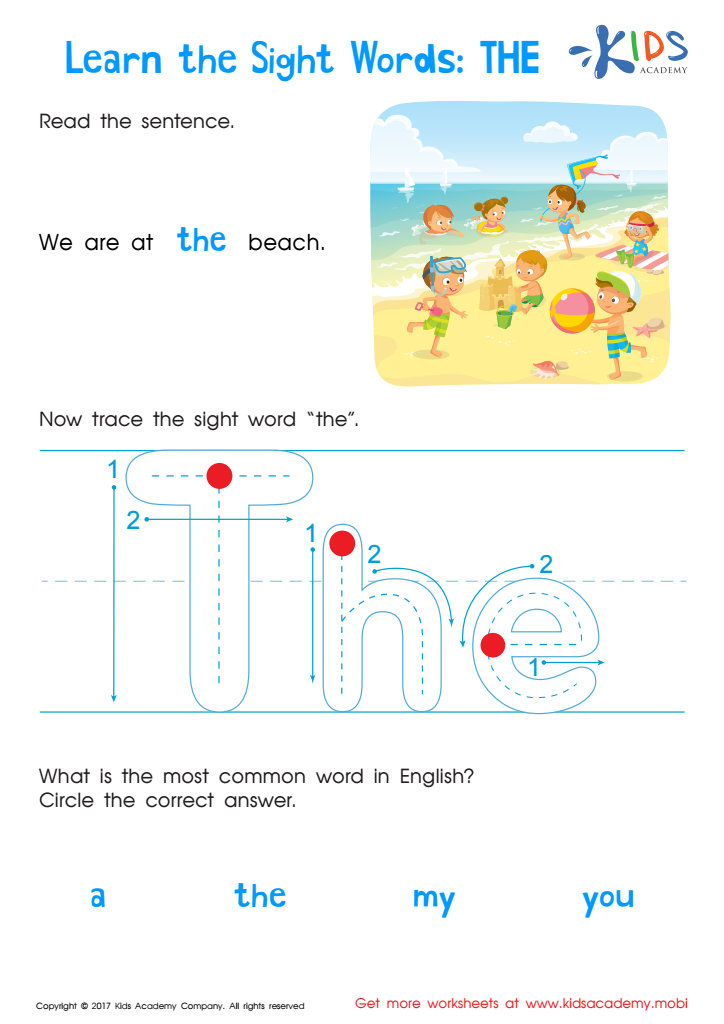
Sight Words: The Worksheet



.jpg)




Reading skills are foundational for a child's overall development, and for 7-year-olds, understanding the Normal Alphabet is crucial. At this age, children are transitioning from learning to read to reading to learn. Mastery of the alphabet facilitates this progression, enabling them to decode words, comprehend texts, and express ideas effectively.
Parents and teachers should recognize that reading skills go beyond literacy; they directly impact a child's confidence, academic performance, and social interactions. Proficiency in the Normal Alphabet helps children phonics, spelling, and vocabulary development, which are essential for creating a solid linguistic foundation. Moreover, reading enhances critical thinking and imagination, allowing children to explore diverse worlds through books.
Encouraging children to engage with the alphabet in enjoyable and interactive ways—like storytelling or alphabet games—can spark a lifelong love for reading. Involvement in children's literacy skills motivates them to practice, paving the way for improved skills and a more profound comprehension of content across subjects.
Ultimately, fostering reading skills in young children not only supports their academic journey but also contributes to their emotional and social growth, creating confident learners equipped for future challenges. Therefore, investing time and resources in developing these skills is vital for parents and teachers.







