Vocabulary enhancement Normal Long And Short Vowel Worksheets for 7-Year-Olds
5 filtered results
-
From - To
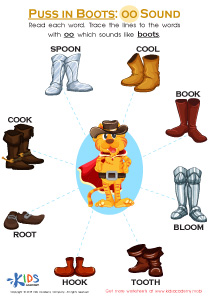
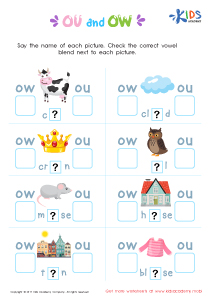
Boost your 7-year-olds' vocabulary with our engaging long and short vowel worksheets! Designed specifically for young learners, these printable resources enhance phonetic understanding and improve reading skills. Children will practice identifying and using long and short vowel sounds through fun, interactive activities. Each worksheet is crafted to reinforce vocabulary retention while building essential literacy skills. Ideal for homeschooling or classroom use, our materials ensure a comprehensive learning experience. Watch your child's confidence soar as they master vowels and expand their language prowess! Explore our diverse collection of worksheets and make vocabulary learning an enjoyable adventure for your little ones!
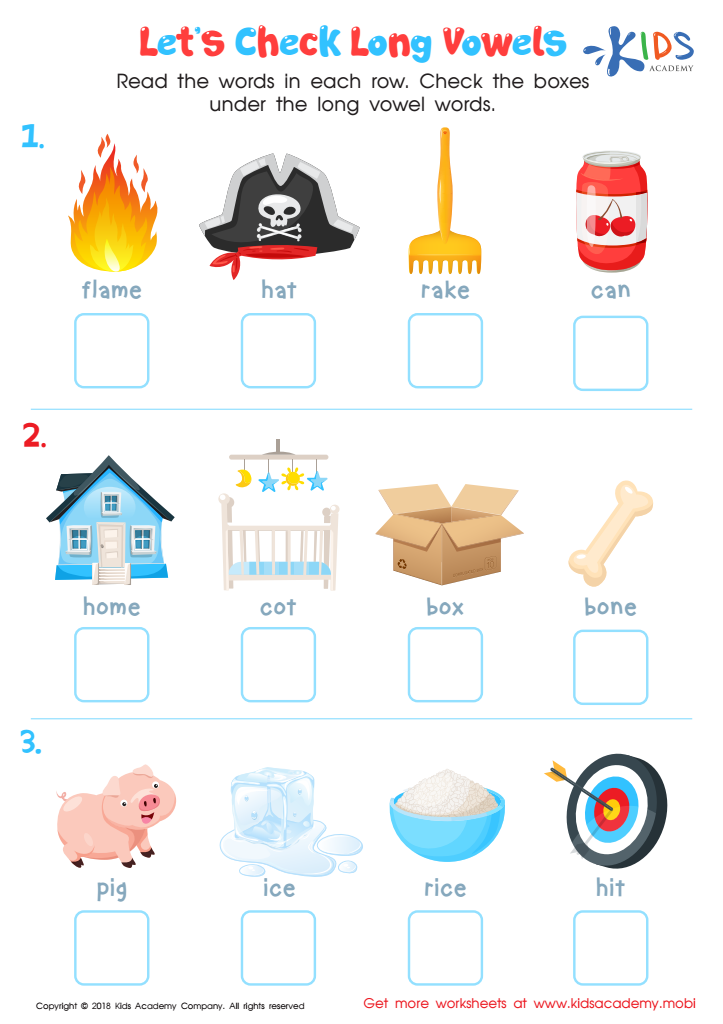
Let's Check Long Vowels: Assessment Worksheet
 Assign to My Students
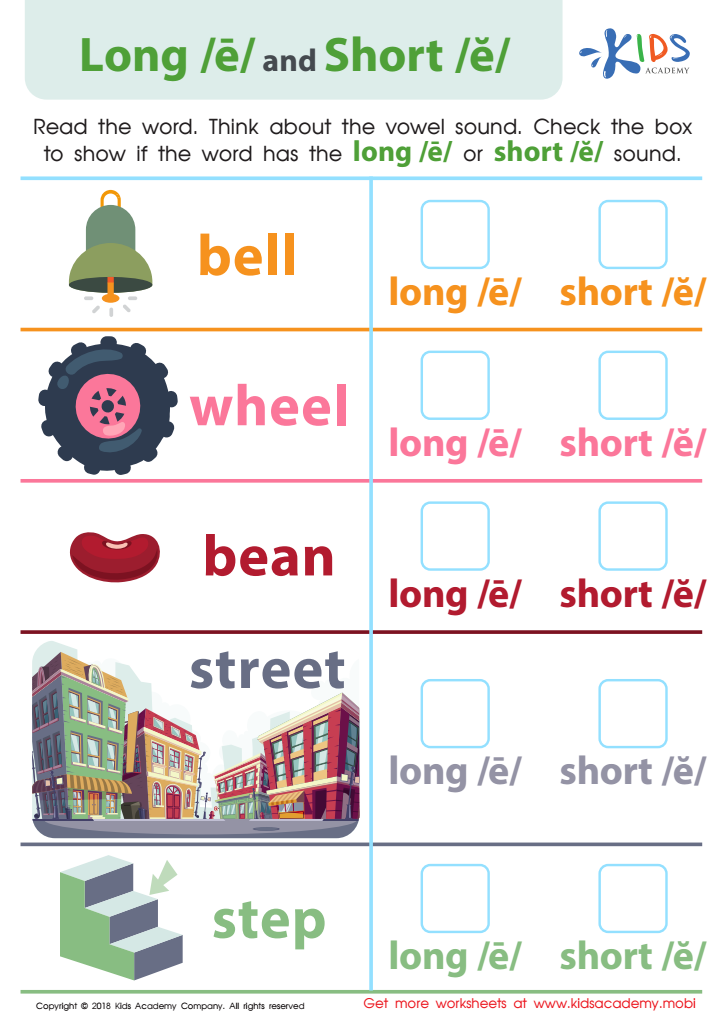
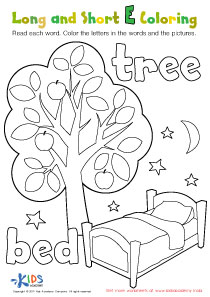
Reading: Long E and Short E Worksheet
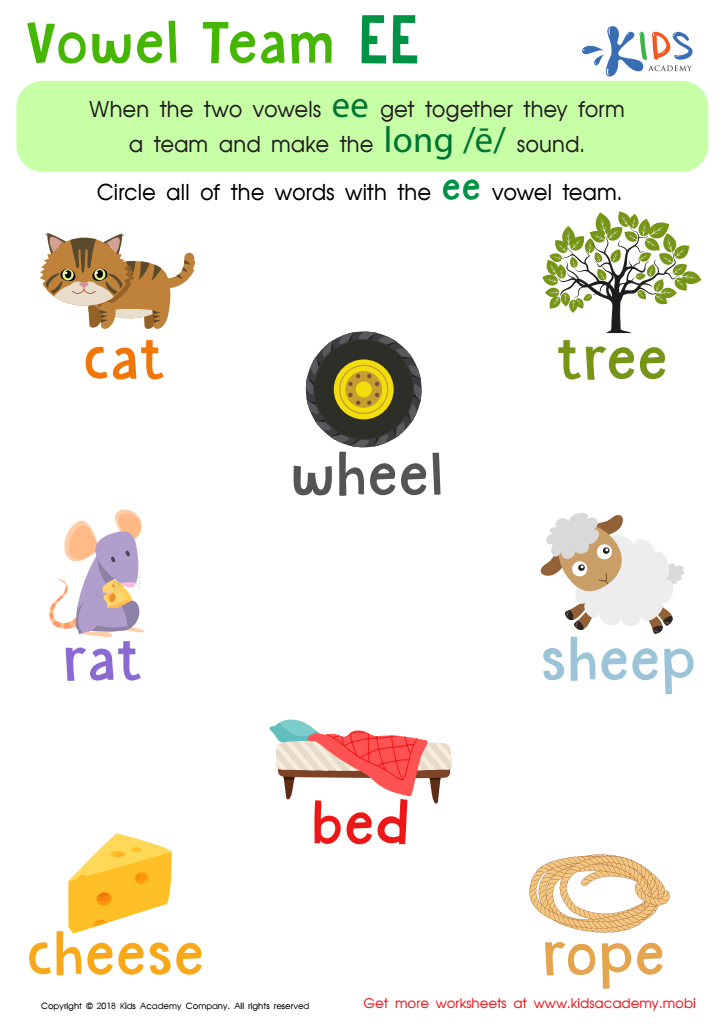
Reading: Vowel Team EE Worksheet
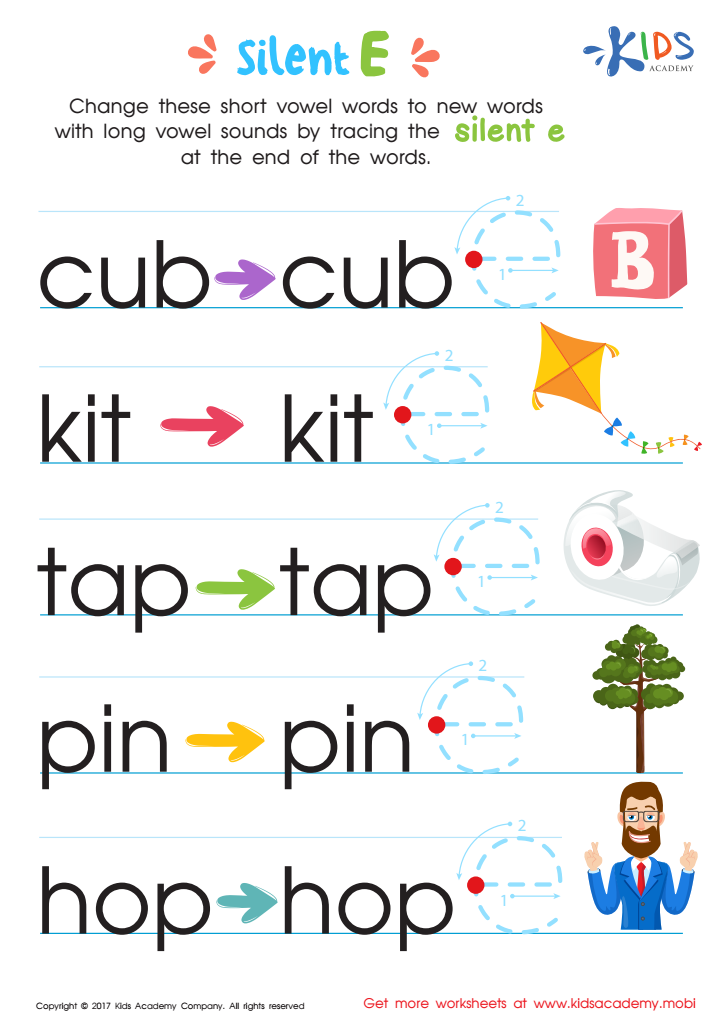
Silent E Words Worksheet
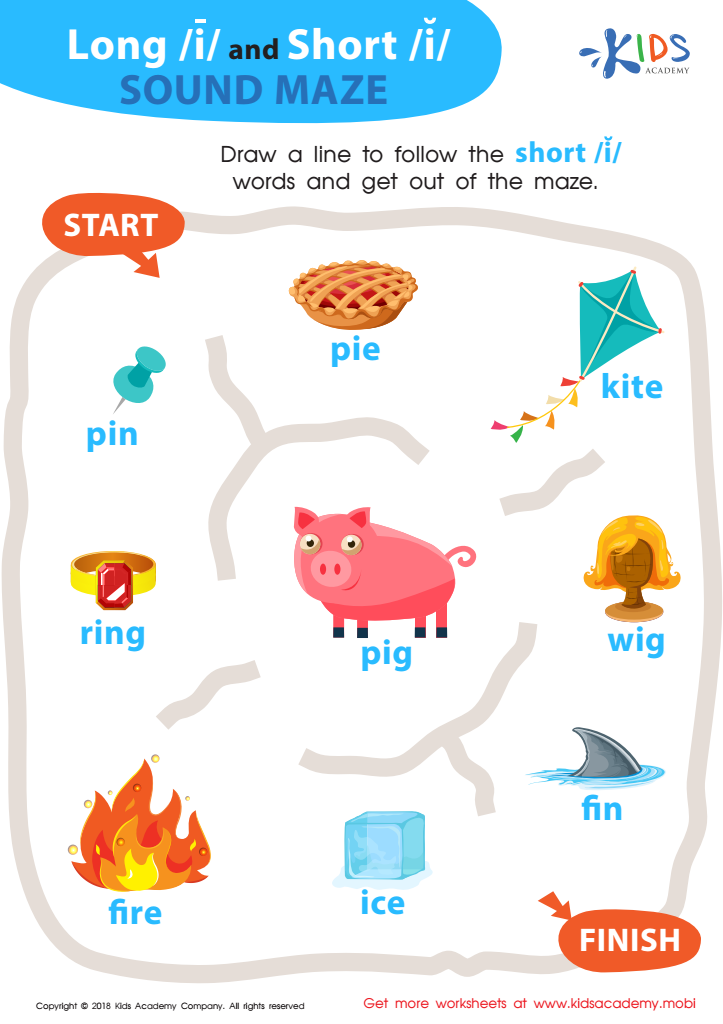
Reading: Long I and Short I Sound Maze Worksheet




Vocabulary enhancement, particularly focusing on normal long and short vowels, is crucial for 7-year-olds as it lays the foundation for reading and writing skills. At this age, children's brains are highly receptive to language learning, making it an ideal time to introduce and reinforce vowel sounds. Understanding long and short vowels helps kids decode words more effectively, leading to improved reading fluency.
Moreover, a robust vocabulary boosts comprehension skills. When children can recognize the nuances of vowel sounds, they enhance their ability to grasp the meaning of texts, progressing from simple sentences to more complex narratives. This proficiency not only aids in academic success but also fosters a love for reading and learning.
In addition, vocabulary development equips children with the tools to express themselves articulately, fostering confidence in communication. This skill is essential as they engage in discussions with peers and adults, and it contributes to their social interactions and overall emotional development.
Parents and teachers play an essential role in providing opportunities for practice through engaging activities, games, and books that highlight vowel usage. By prioritizing vocabulary enhancement today, we prepare children for a brighter, more literate future.