Cognitive Development Normal Phonics Worksheets for 7-Year-Olds
3 filtered results
-
From - To
Our Cognitive Development Normal Phonics Worksheets for 7-Year-Olds are specially designed to enhance your child’s reading and writing abilities. These worksheets incorporate engaging activities that strengthen phonics skills, such as letter-sound recognition, blending sounds, and decoding words. Tailored for cognitive development, each worksheet supports children in understanding language structure and improving literacy. Aligned with educational standards, they'll help your child achieve key milestones in their learning journey. Ideal for home or classroom use, these resources aim to make learning fun and effective. Empower your child's phonics proficiency and cognitive growth by exploring our comprehensive collection today!
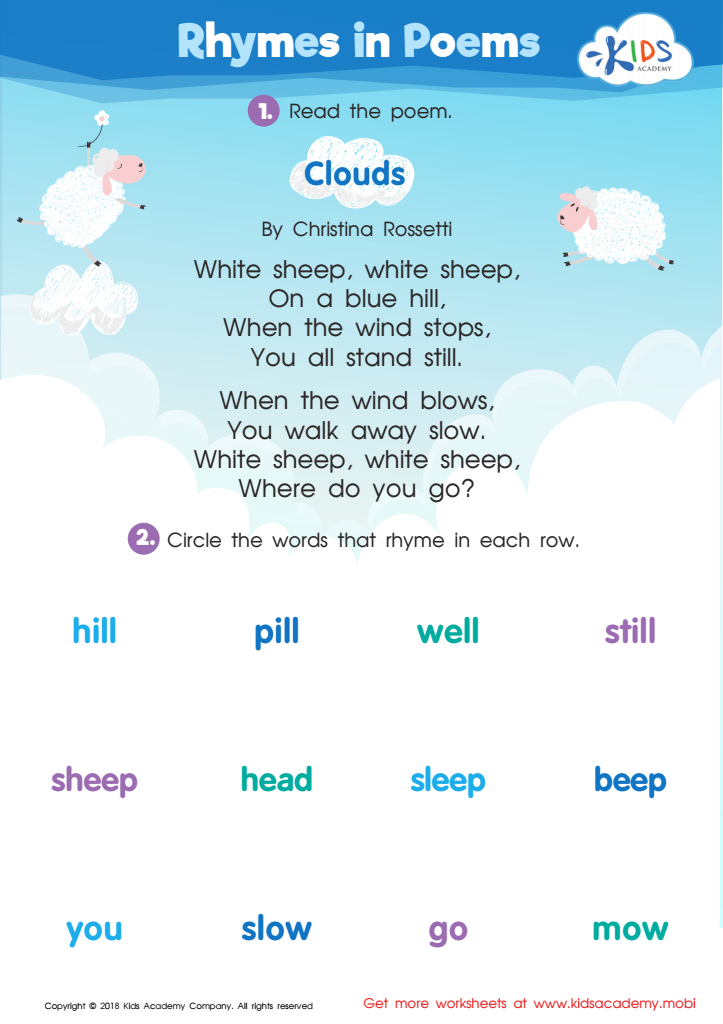
Rhymes in Poems Worksheet
 Assign to My Students
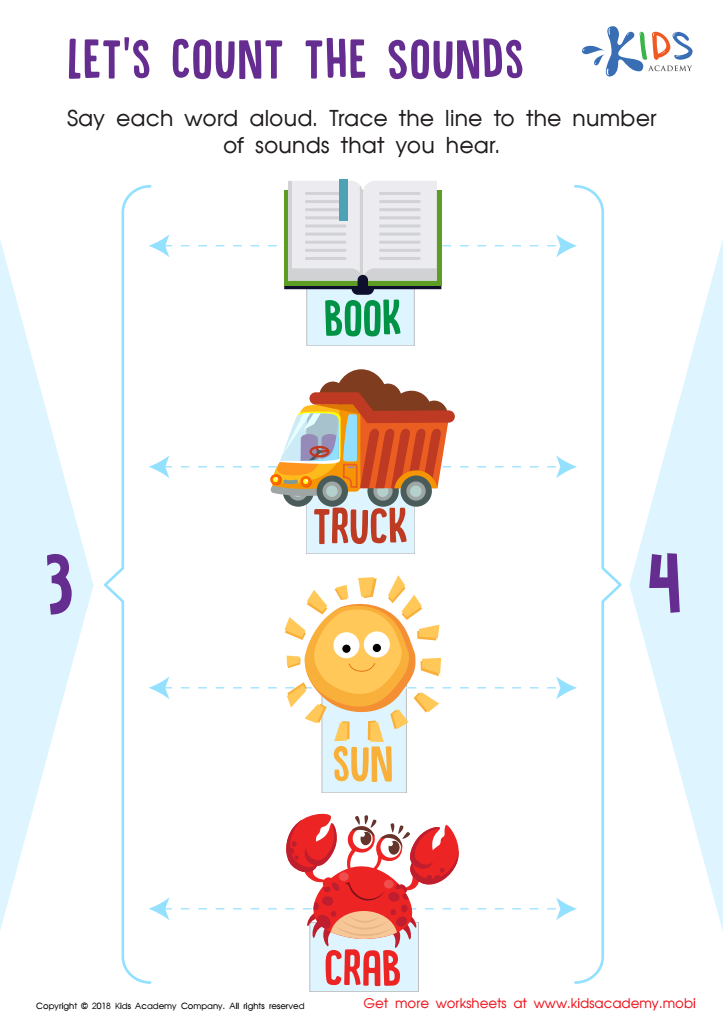
Let's Count the Sounds Worksheet
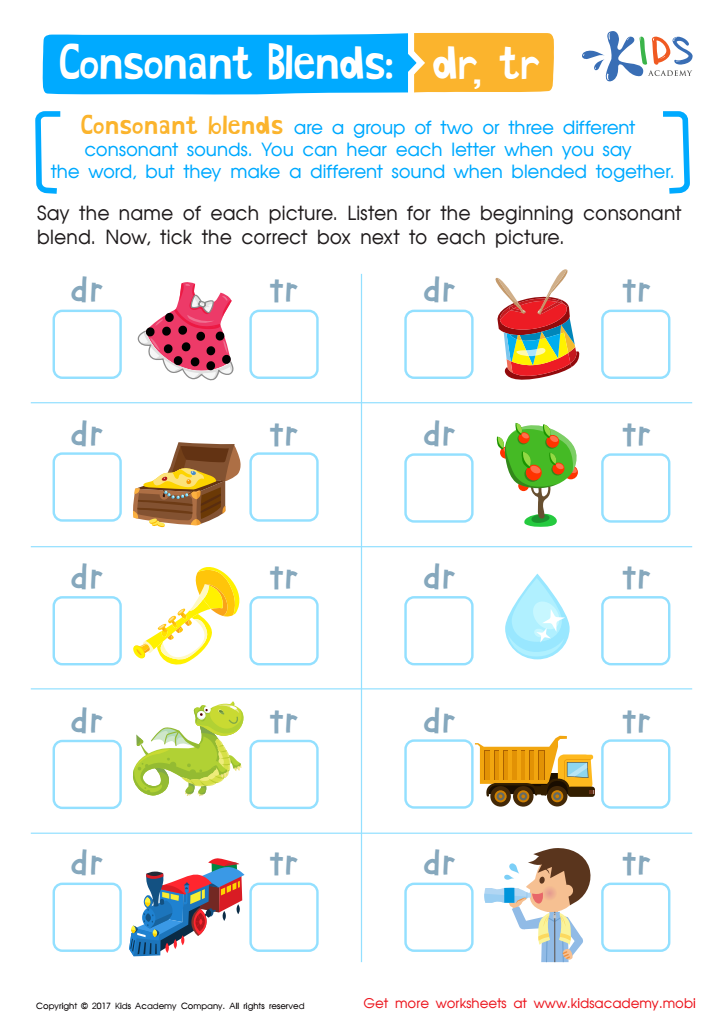
Consonant Blends: "Dr" and "Tr" Printable








Understanding cognitive development and normal phonics for 7-year-olds is crucial for both parents and teachers as these foundational blocks significantly influence a child's lifelong learning trajectory. Cognitive development at this age involves the enhancement of skills such as problem-solving, memory, and logical thinking. Supporting this growth helps children become adept at processing new information, fostering both their academic and personal skills.
Phonics, a key element in early education, underpins reading proficiency. For 7-year-olds, mastering phonics involves recognizing the relationships between letters and sounds, which is crucial for decoding words and developing reading fluency. If children struggle with phonics at this pivotal stage, they may face challenges in reading comprehension, affecting their overall academic success and enthusiasm for learning.
Parents and teachers play a fundamental role by creating rich, supportive environments that encourage cognitive growth and provide targeted phonics instruction. Activities such as interactive reading, phonics games, and memory exercises not only stimulate cognitive development but also make learning engaging and enjoyable. Early intervention and consistent support in these areas can lead to improved academic outcomes, higher self-esteem, and a greater likelihood of lifelong success. Thus, a focus on these aspects is central to nurturing a well-rounded, capable, and confident young learner.







