Comparative analysis Normal Worksheets for 7-Year-Olds
3 filtered results
-
From - To
Unlock the potential of your 7-year-old with our engaging Comparative Analysis Normal Worksheets. Designed specifically for young learners, these worksheets help children understand the concept of comparison, enhancing their analytical thinking. Through enjoyable activities, your child will learn to identify similarities and differences, categorize objects, and evaluate information effectively. Our printable resources support various learning styles, ensuring each child can grasp these essential skills at their own pace. With vibrant designs and age-appropriate tasks, your young learner will stay motivated and interested. Explore our collection today to empower your child's educational journey with fun and interactive comparative analysis exercises!
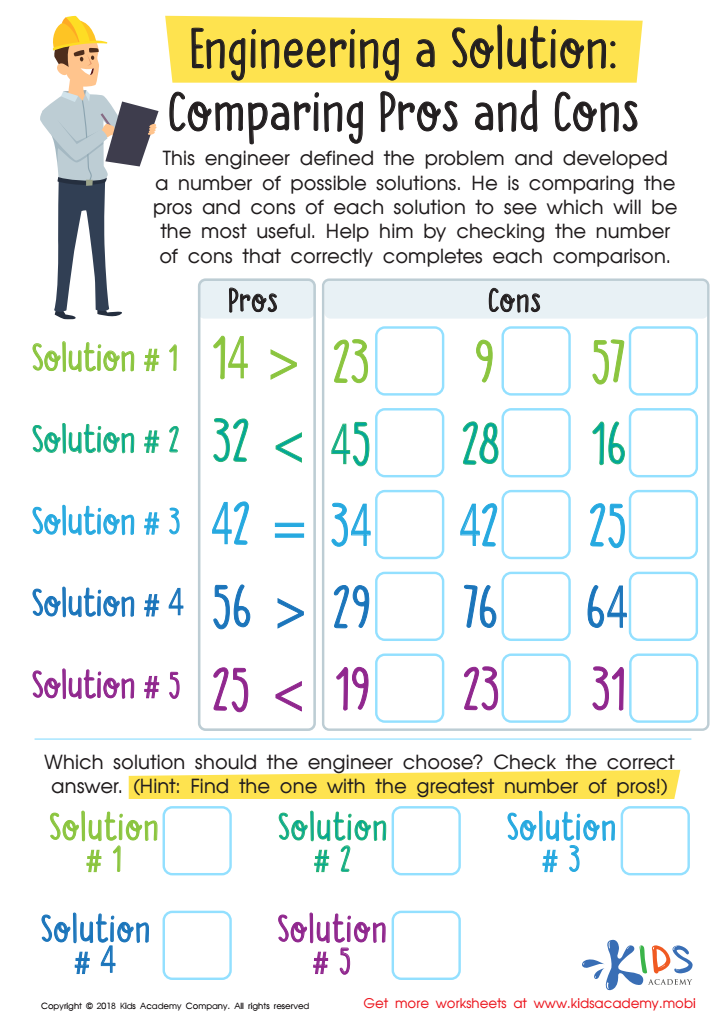
Engineering a Solution: Comparing Pros and Cons Worksheet
 Assign to My Students
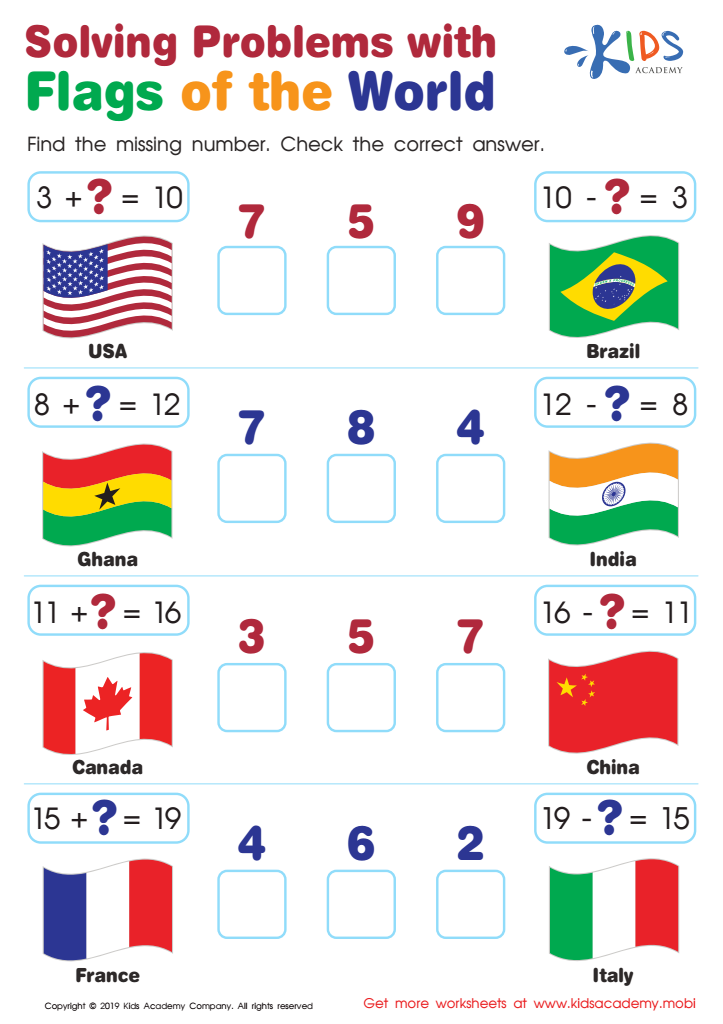
Solving Problems with Flags of the World Worksheet
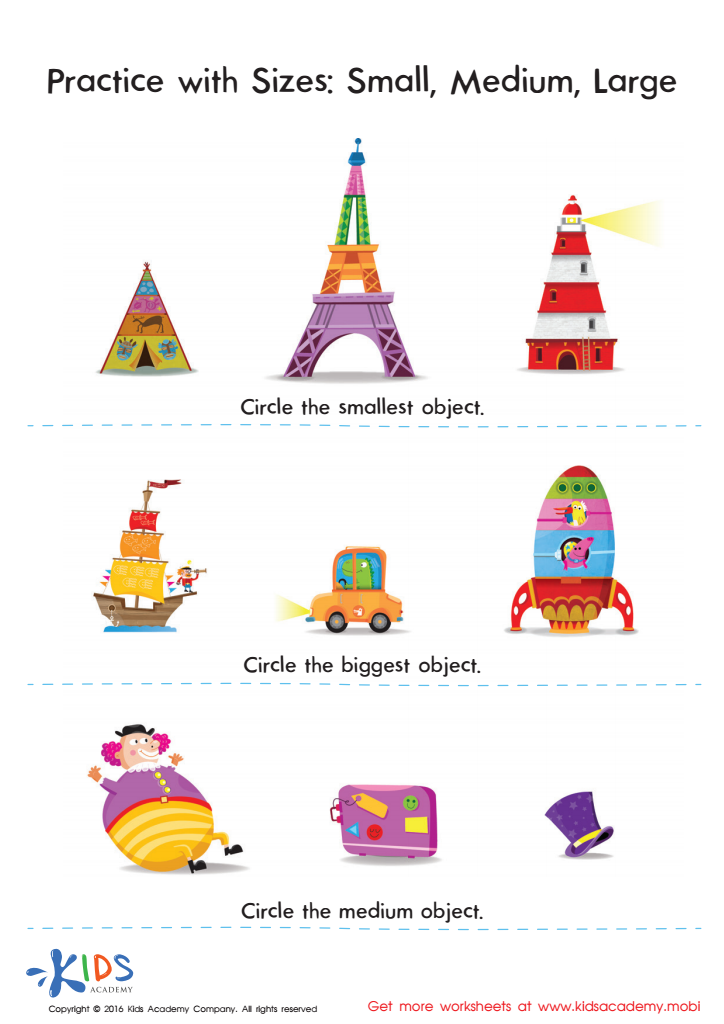






.jpg)
Parents and teachers should care about comparative analysis in the context of 7-year-olds because it provides essential insights into a child's developmental progress and learning needs. At this crucial age, children are transitioning into more formal education, and understanding how their skills compare to peers can help identify both strengths and areas needing support.
By engaging in comparative analysis, parents and teachers can tailor instructional strategies to better meet individual needs, fostering a more effective learning environment. For instance, if a child excels in reading but struggles with math, targeted interventions can be designed to bridge that gap, ensuring well-rounded development.
Additionally, such analysis helps to inform educational policies and resource allocation within schools. When trends and patterns emerge within various groups of students, educators can advocate for programs that target those specific gaps in learning, enhancing overall educational quality.
Ultimately, comparative analysis can empower parents to support their children’s learning journeys effectively while helping teachers to differentiate instruction, monitor progress, and cultivate a richer educational experience. By being proactive in understanding each child's unique position, both parents and teachers play a crucial role in fostering a love for learning and encouraging lifelong skills.








