Critical thinking development Normal Worksheets for 7-Year-Olds
6 filtered results
-
From - To
Enhance your child's cognitive abilities with our "Critical Thinking Development Normal Worksheets" designed specifically for 7-year-olds. These engaging worksheets encourage kids to explore, analyze, and draw conclusions in entertaining ways that spark their curiosity. Covering a range of critical thinking skills, activities include puzzles, problem-solving games, and open-ended questions tailored to foster logical reasoning and decision-making. Perfect for at-home learning or supplementing classroom activities, our worksheets provide a fun and interactive approach to mastering essential thinking skills. Help your child develop a strong foundation in critical thinking that will benefit them throughout their academic journey and beyond!
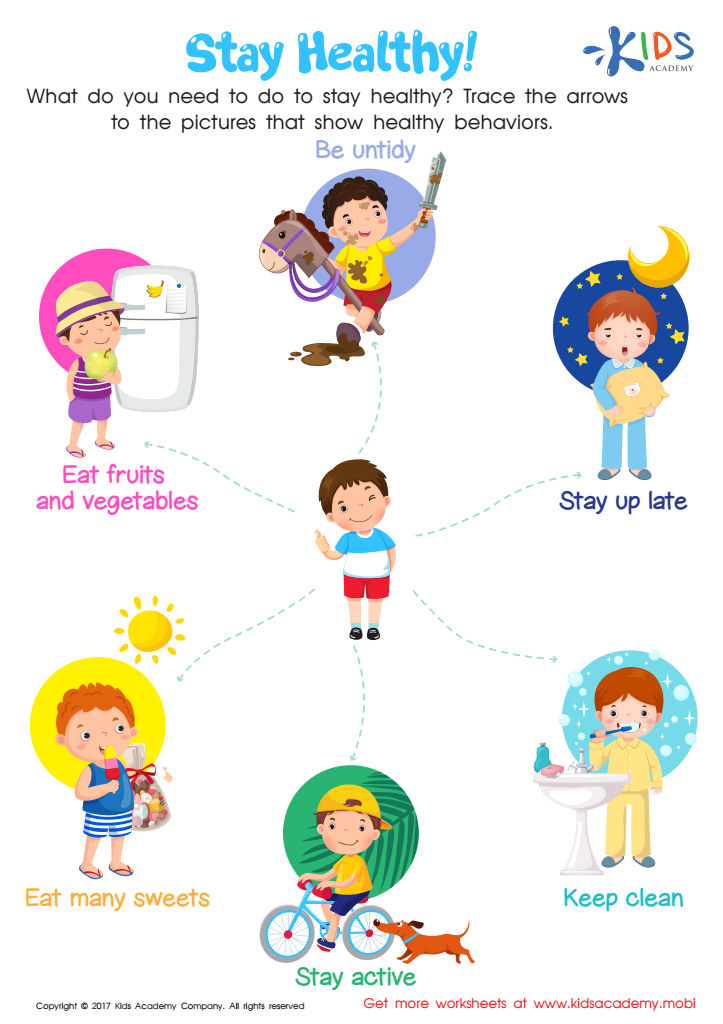
Healthy and Unhealthy Behaviors Worksheet
 Assign to My Students
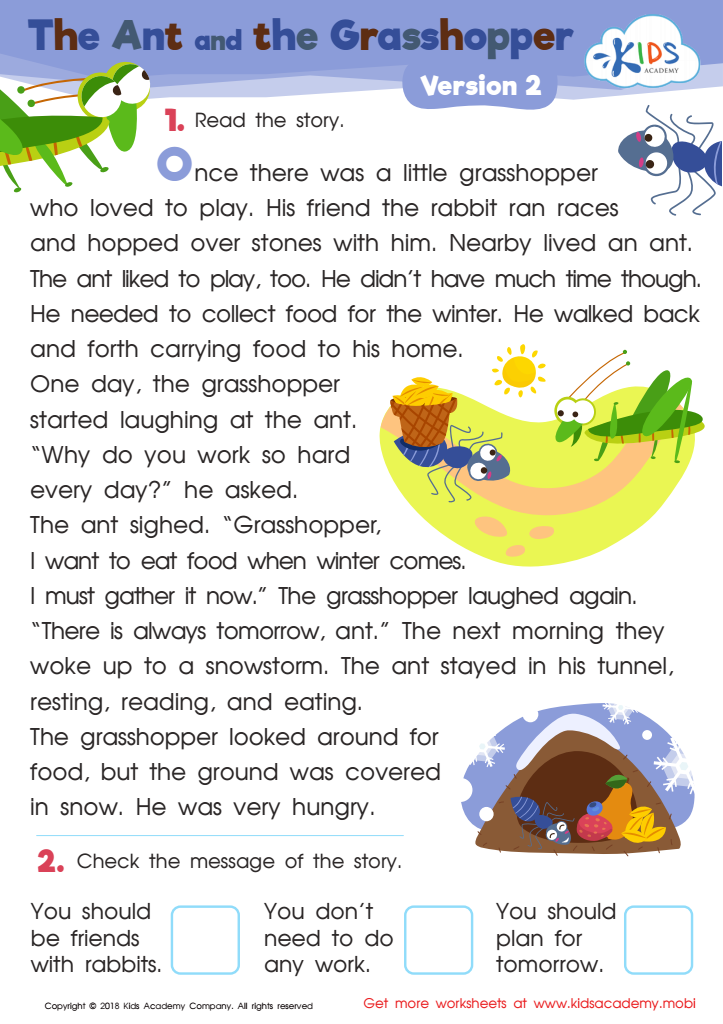
The Ant and The Grasshopper Version 2 Worksheet
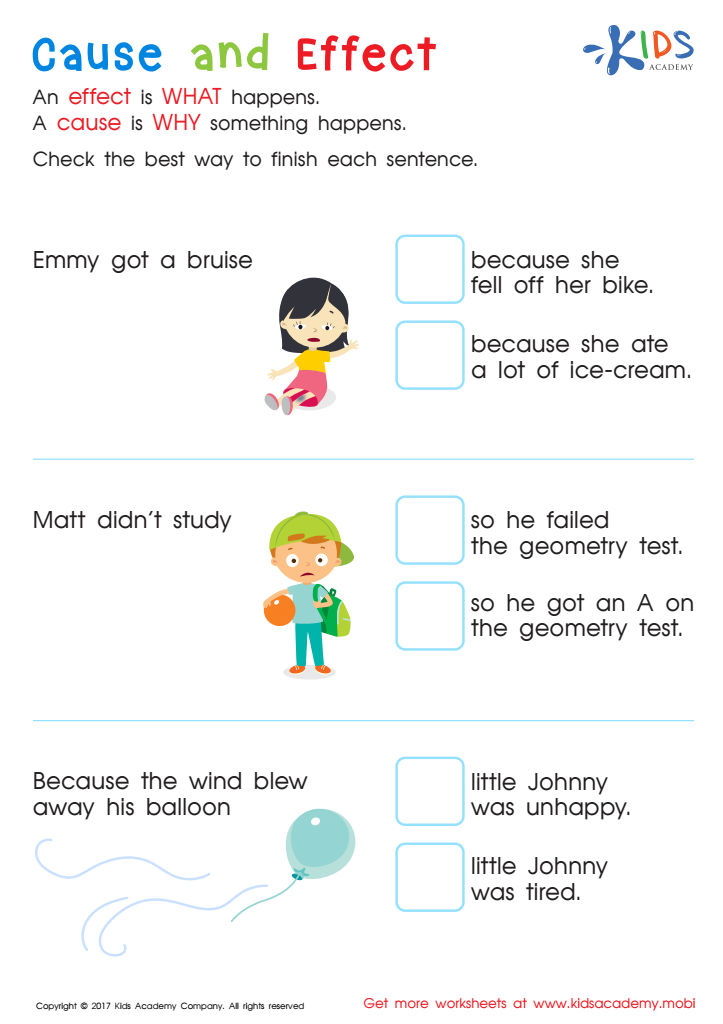
Cause and Effect Worksheet
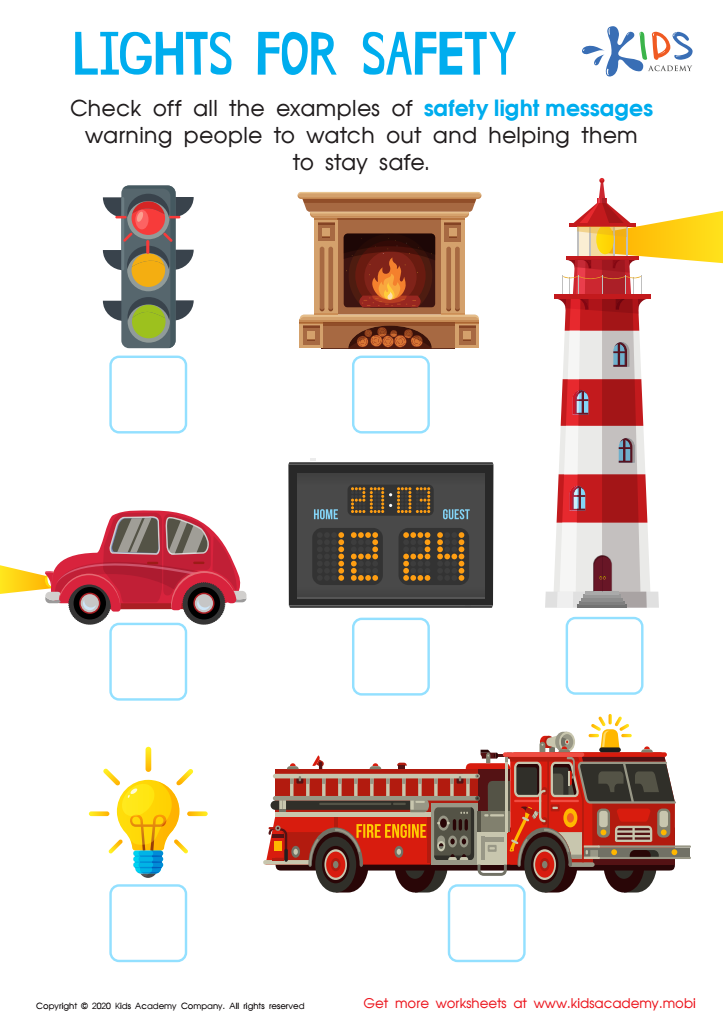
Lights for Safety Worksheet
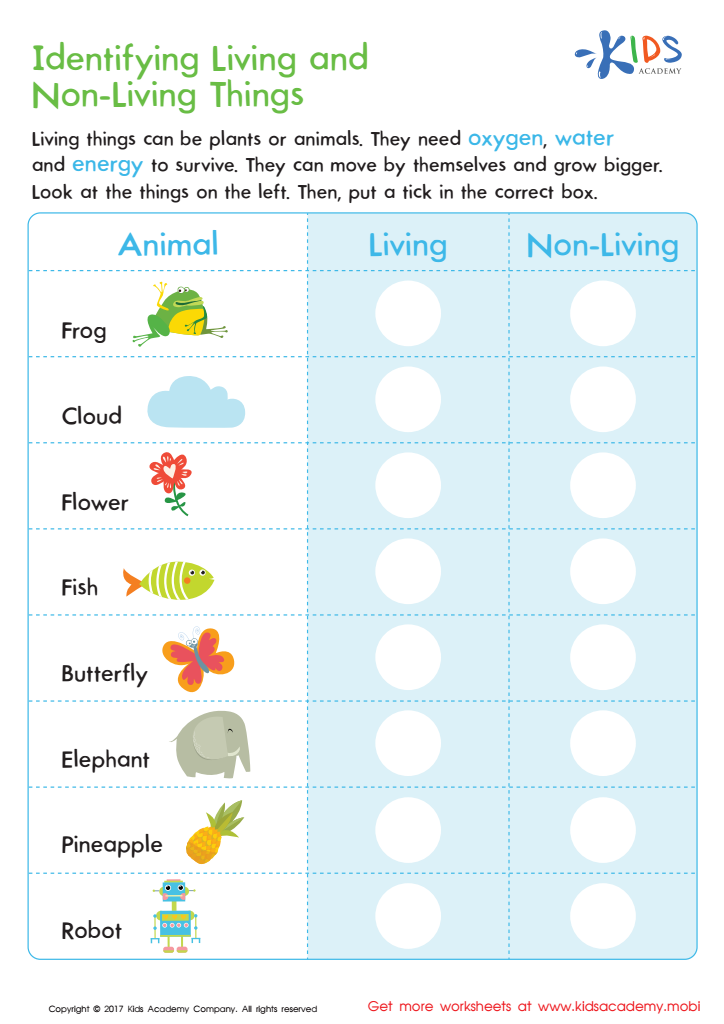
Identifying Living or Non–living Worksheet
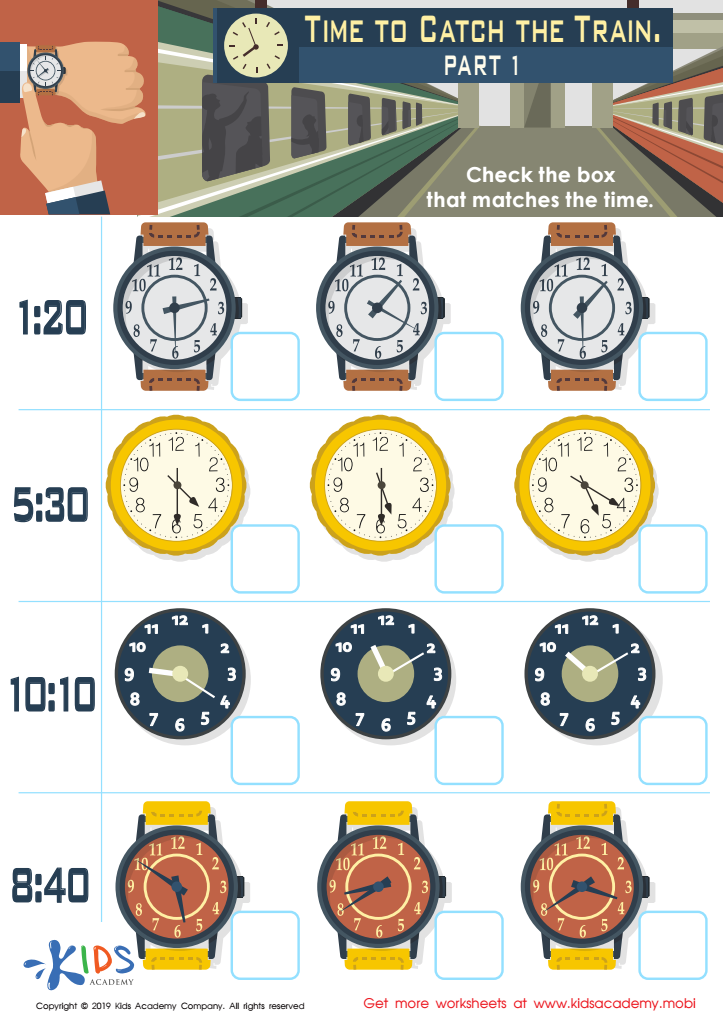
Time to Catch the Train Part 1 Worksheet








Critical thinking development in 7-year-olds is crucial because it lays the foundation for lifelong learning and effective problem-solving skills. At this age, children are naturally curious and start to ask deeper questions about the world around them. Encouraging critical thinking helps them to evaluate information, analyze situations, and make informed decisions. This skill is essential not only for academic success but also for navigating social interactions and emotional challenges.
Parents and teachers should care about nurturing this ability because it fosters independence and confidence in young learners. Children who think critically are better equipped to understand different viewpoints and approach challenges creatively. Moreover, as they begin to face complex topics in school and beyond, strong critical thinking skills enable them to process information critically rather than passively accepting it.
When parents and teachers prioritize critical thinking, they support the development of resilient individuals who can adapt in an increasingly complex world. Additionally, integrating activities that promote critical thinking, such as open-ended questions, discussions, and problem-solving games, enriches children's educational experiences and makes learning more engaging and meaningful. In essence, cultivating critical thinking in young children is an investment in their future.








