Fine motor skills development Normal Worksheets for 7-Year-Olds
3 filtered results
-
From - To
Enhance your 7-year-old's fine motor skills with our engaging worksheets designed specifically for their developmental stage. These thoughtfully crafted activities not only provide fun and creative ways for children to improve hand-eye coordination and dexterity, but also encourage independence and confidence in their abilities. From tracing and cutting to intricate coloring exercises, each worksheet targets essential skills necessary for everyday tasks, art, and writing. Our resources foster skill development while capturing your child's interest, ensuring a productive and enjoyable learning experience. Explore our collection today and support your child's growth in fine motor skills for better readiness in the classroom and beyond!
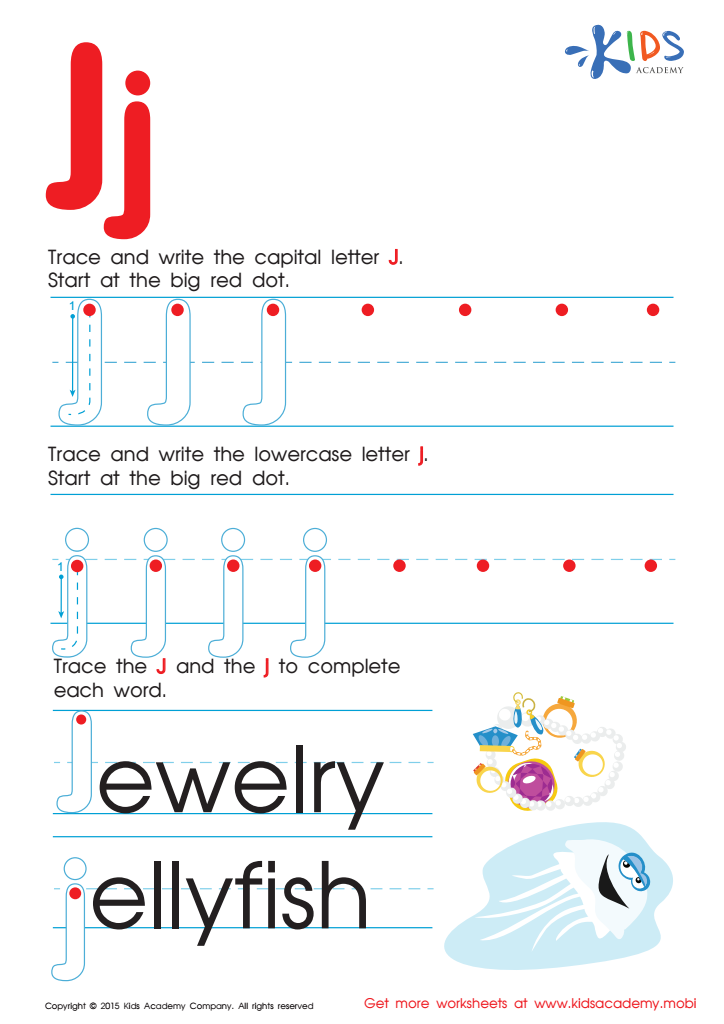
Letter J Tracing Page
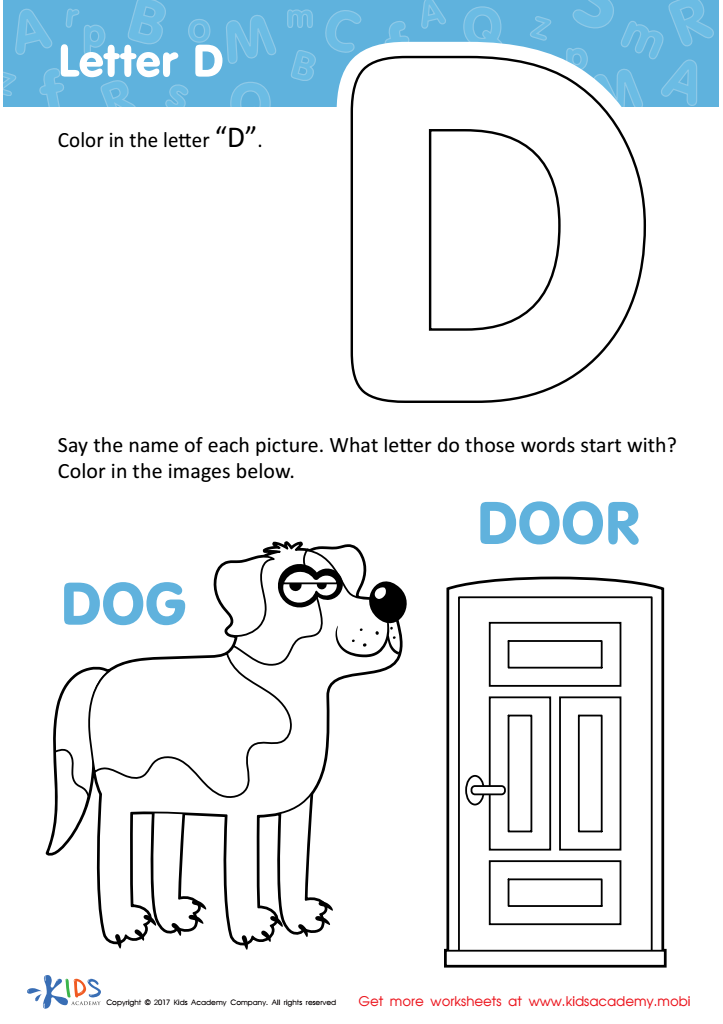
Letter D Coloring Sheet
 Assign to My Students

Night Sky Constellations: Aries Worksheet





.jpg)

Fine motor skills development is crucial for 7-year-olds as it significantly impacts their ability to perform everyday tasks and engage in academic activities. At this age, children are refining their dexterity and coordination, which are essential for writing, drawing, and manipulating small objects. Parents and teachers should care about this aspect of development because strong fine motor skills contribute to a child's confidence and independence.
Children with well-developed fine motor skills can effectively control writing tools, which enhances handwriting quality and reduces frustration during learning activities. Additionally, fine motor skills facilitate participation in art projects, self-care tasks such as buttoning clothes, and engaging in problem-solving activities that may involve construction or toy assembly. These skills are also linked to cognitive development, as many fine motor tasks require hand-eye coordination and spatial awareness.
As children progress in their schooling, the ability to handle tools and materials becomes even more vital in both academic and social situations. By prioritizing the development of fine motor skills, parents and teachers can help set the foundation for a child’s future success, independence, and engagement in learning. Activities such as arts and crafts, puzzles, and practice with writing instruments can effectively nurture these essential skills.








