Hand-eye Coordination Normal Worksheets for 7-Year-Olds
19 filtered results
-
From - To
Enhance your 7-year-old's hand-eye coordination with our specially crafted worksheets! Designed to boost essential motor skills, these engaging activities offer a fun way for children to develop their coordination through playful exercises. From tracing shapes to connecting dots and completing mazes, the worksheets are filled with colorful illustrations that capture your child's interest. Our Hand-eye Coordination Normal Worksheets ensure effective learning while stimulating creativity and focus. Ideal for classroom settings or homeschooling, these resources provide a structured approach to skill development. Empower your child with the confidence and dexterity needed for everyday tasks. Start their journey to better coordination today!
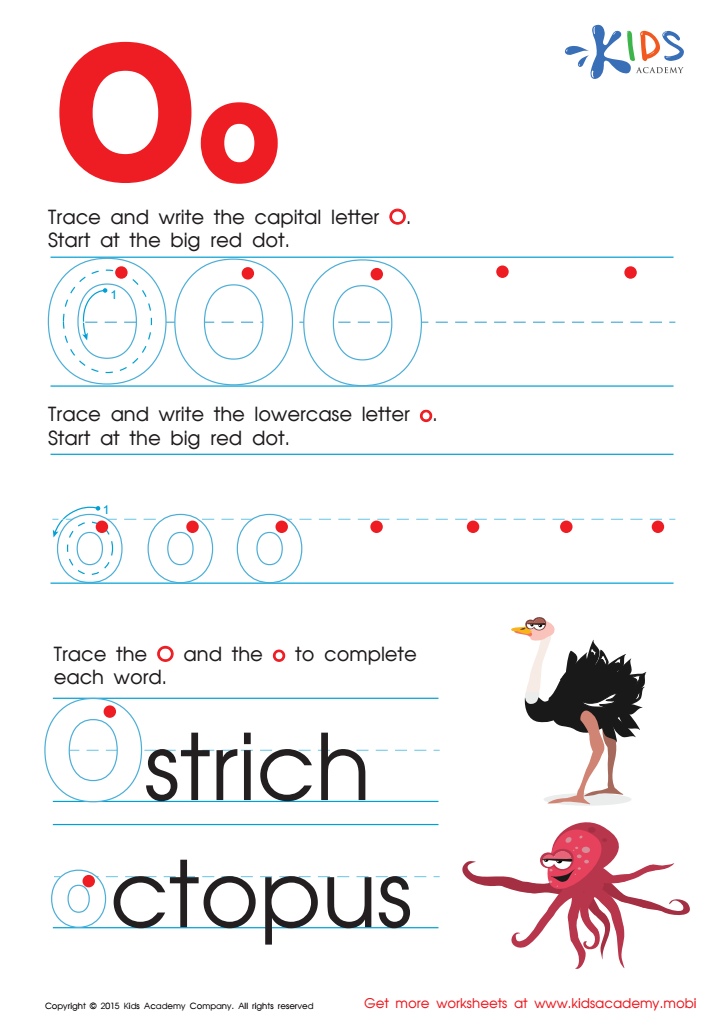
Letter O Tracing Page
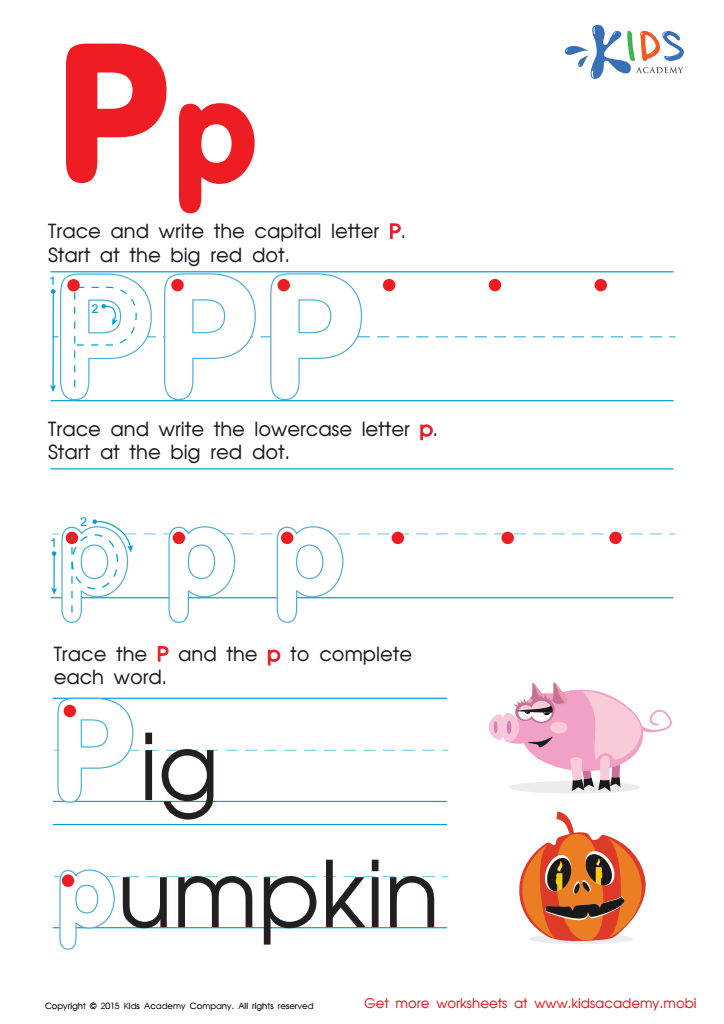
Letter P Tracing Page
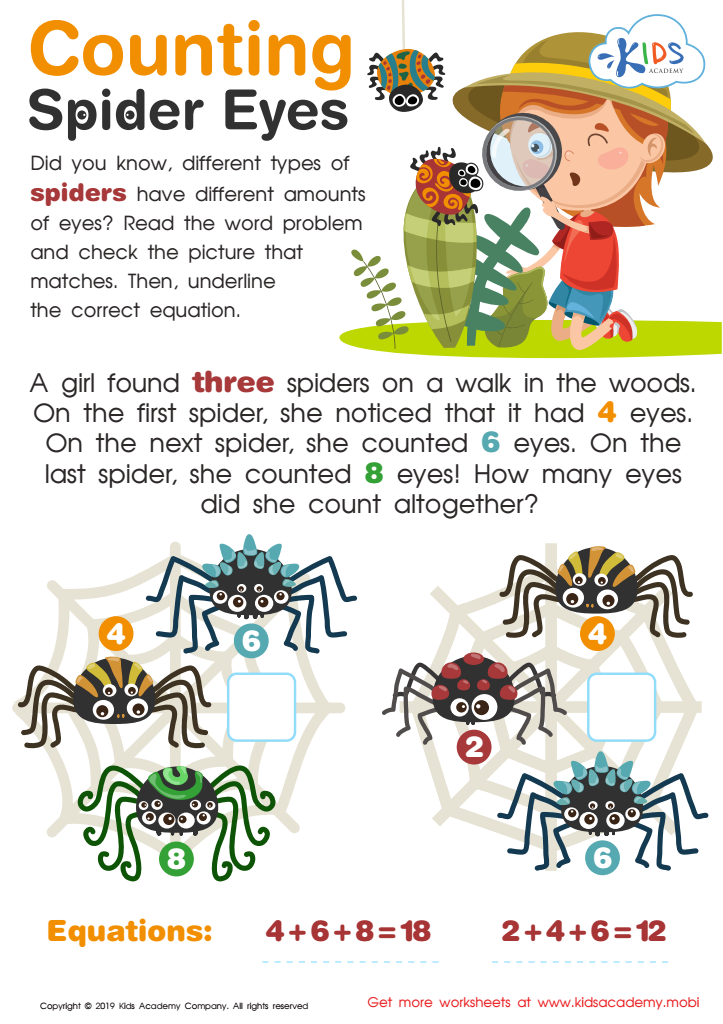
Counting Spider Eyes Worksheet
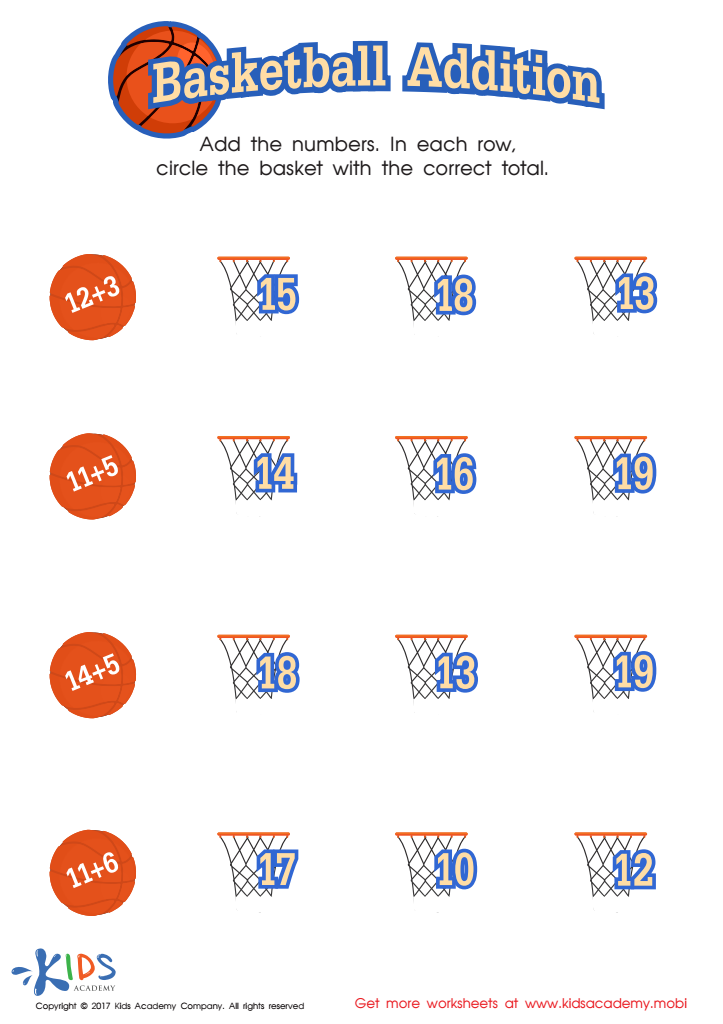
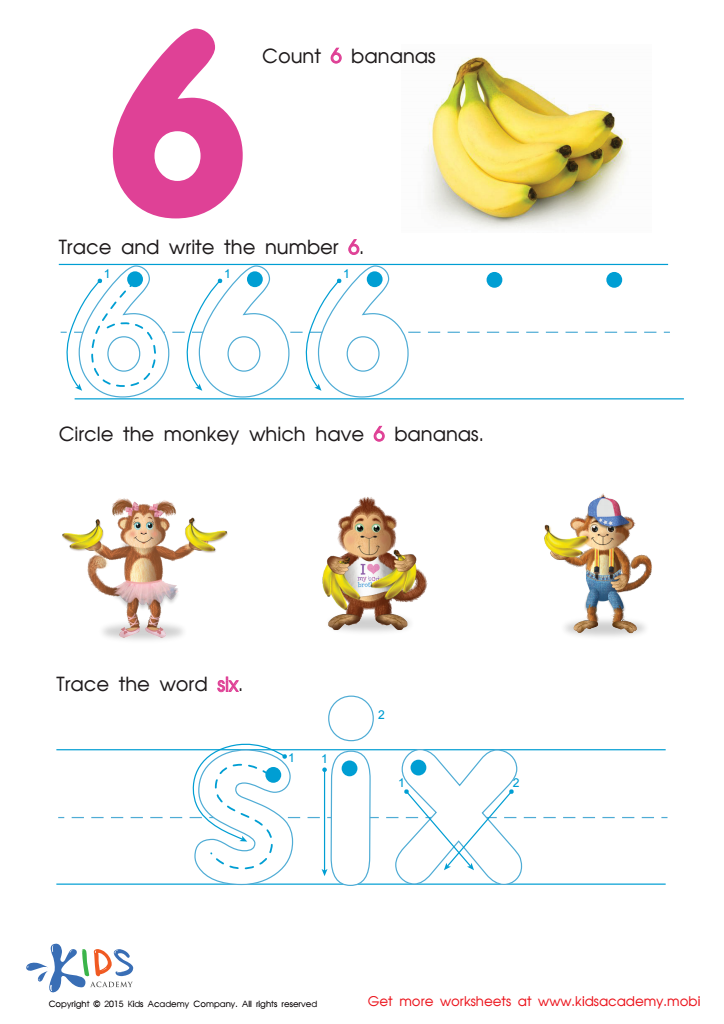
Tracing And Writing Number 6 Worksheet
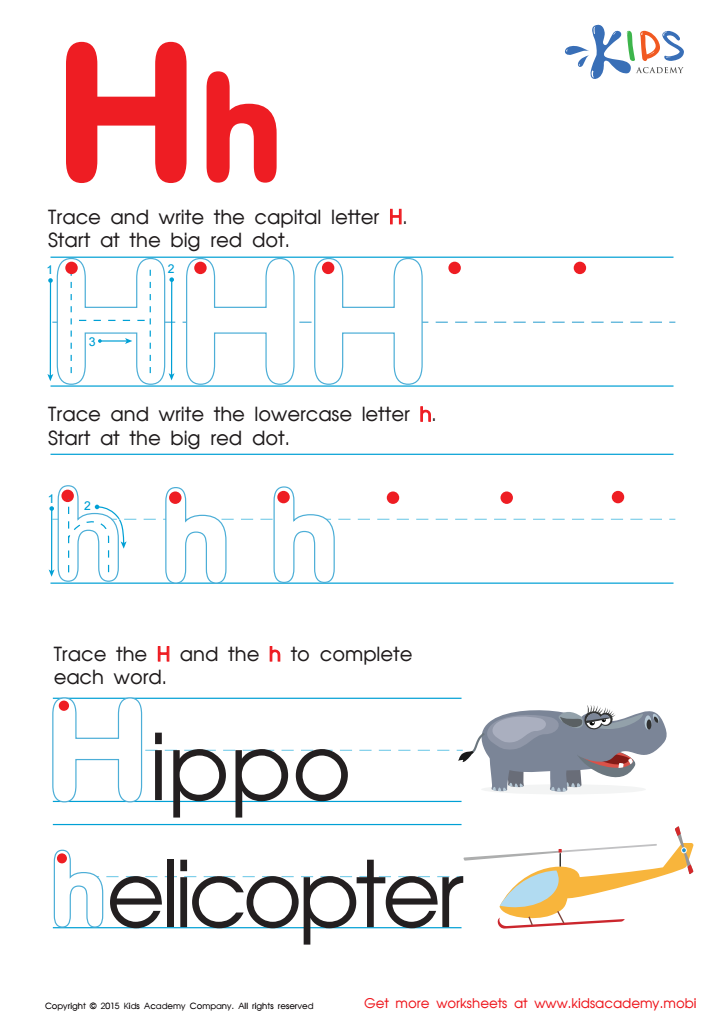
Letter H Tracing Page
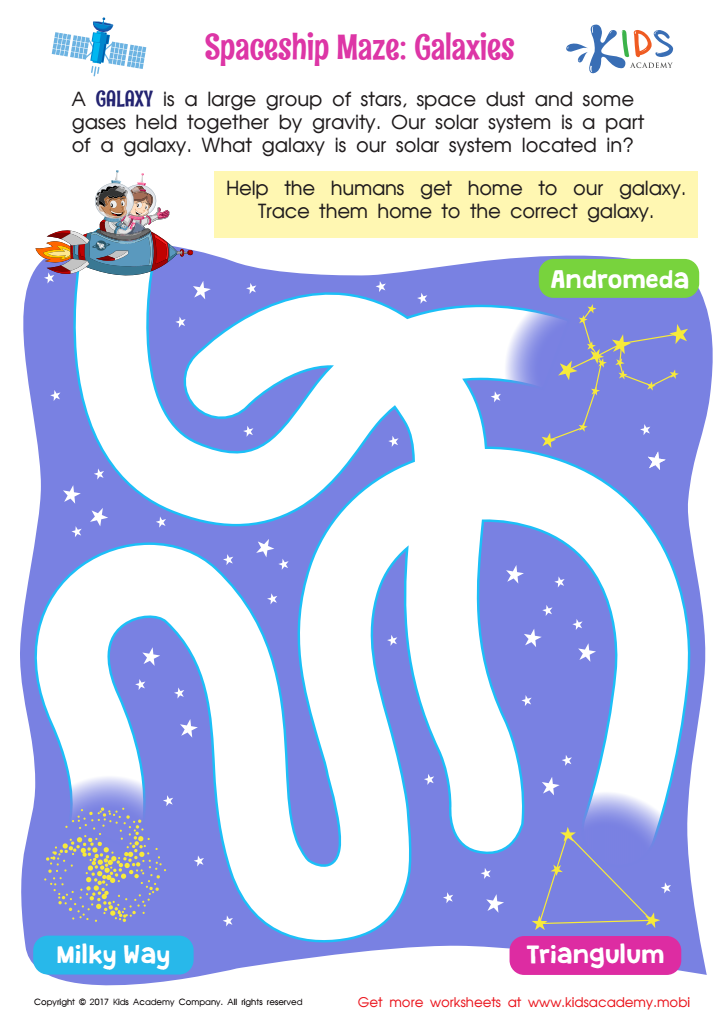
Spaceship Maze: Galaxies Worksheet
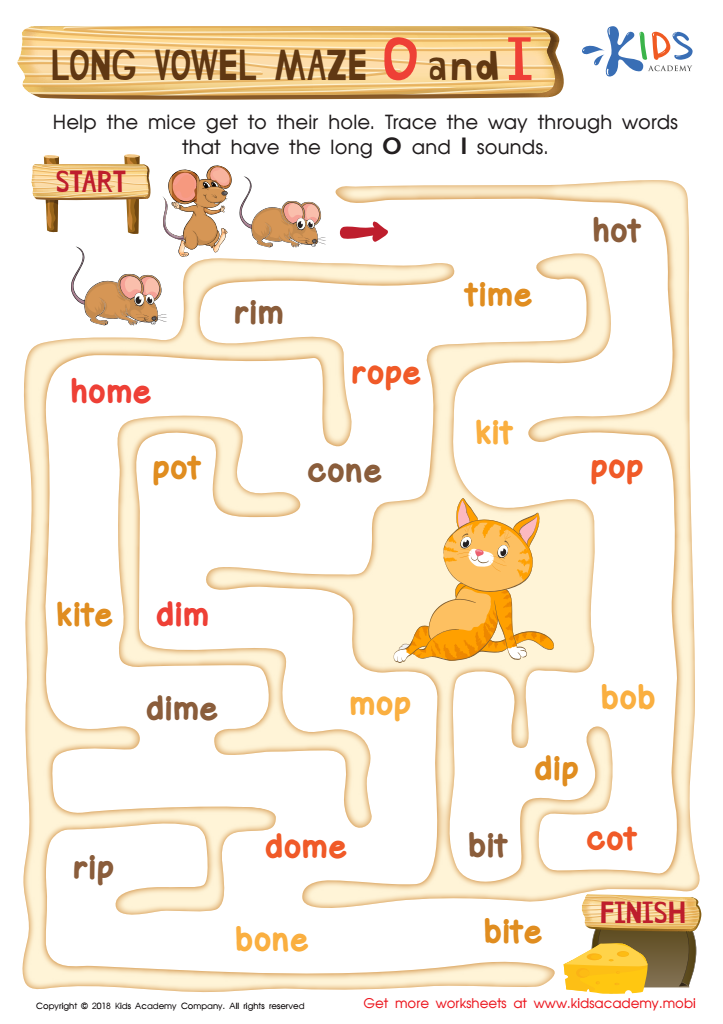
Long Vowel Maze /o/ and /i/ Worksheet
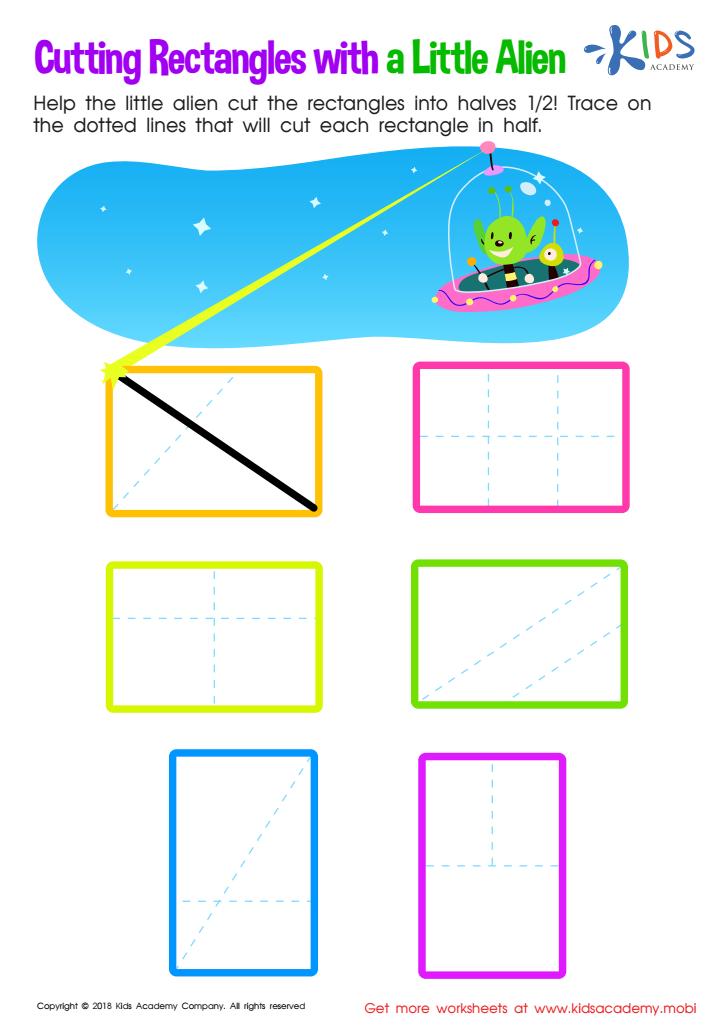
Cutting Rectangles with Alien Worksheet
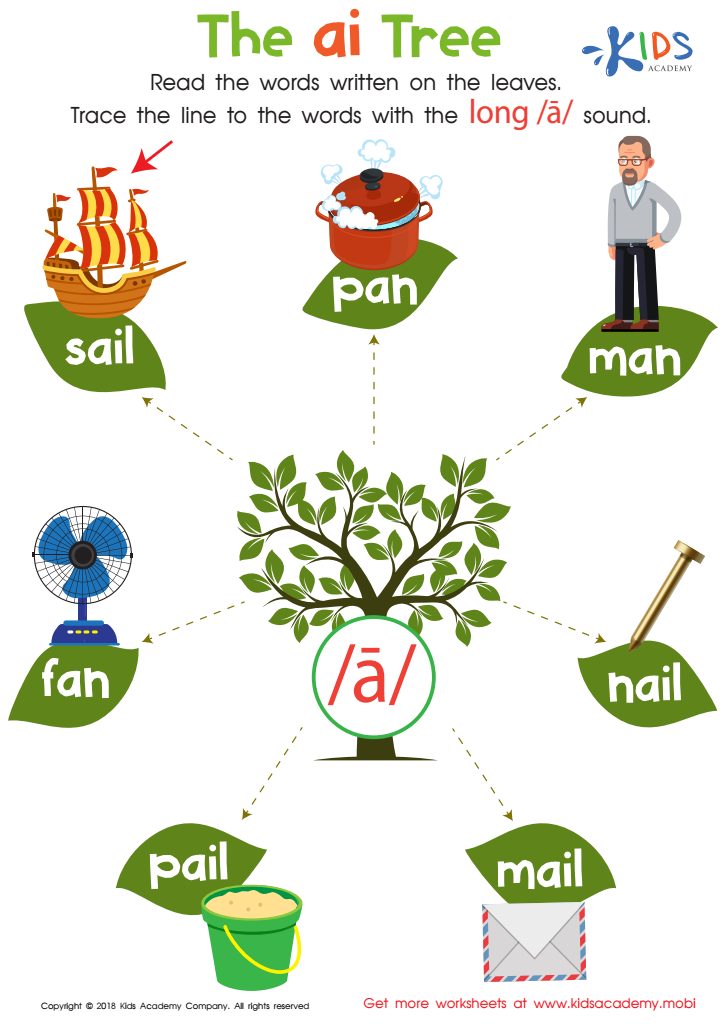
The AI Tree Worksheet
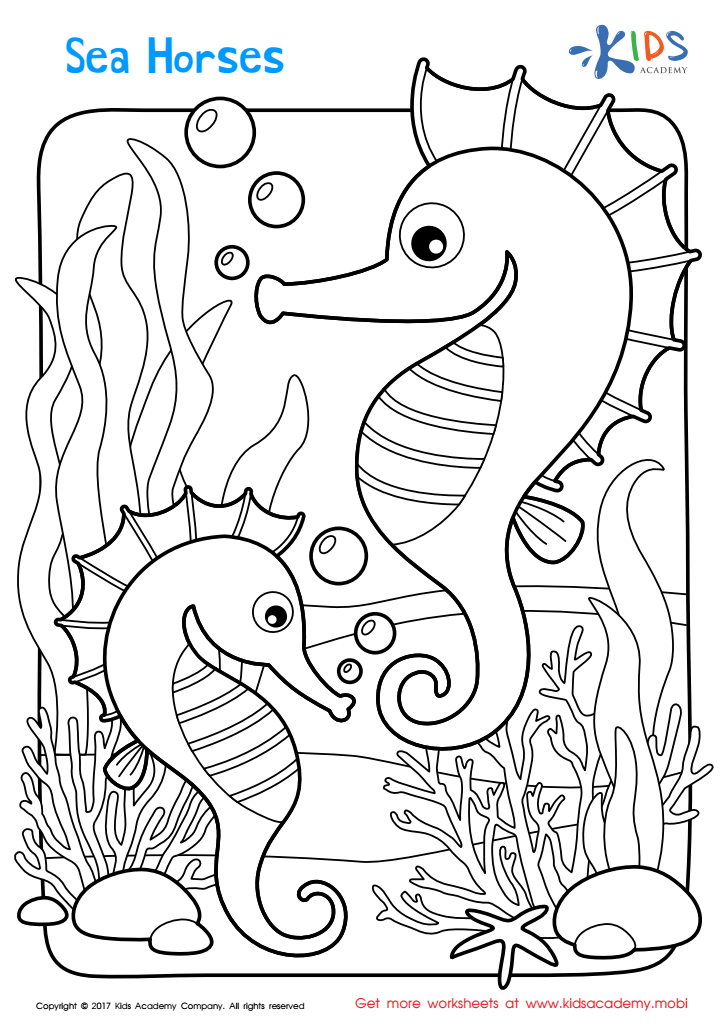
Sea Horses Printable
 Assign to My Students

Long and Short U Worksheet
Assign to My Students
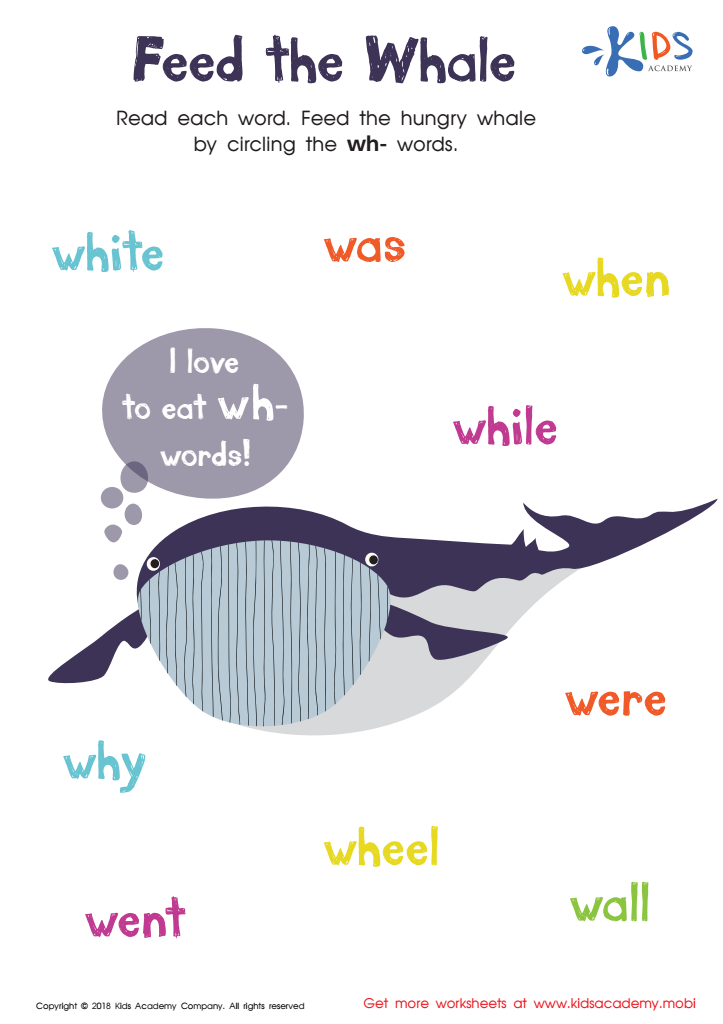
Feed the Whale Worksheet
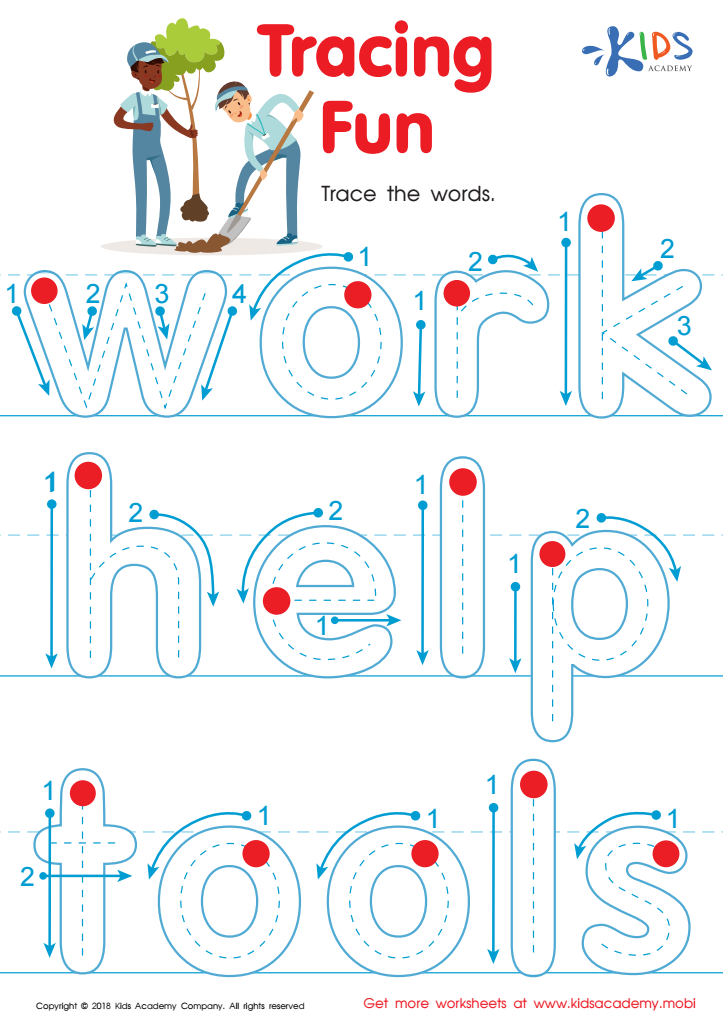
Tracing Fun Worksheet
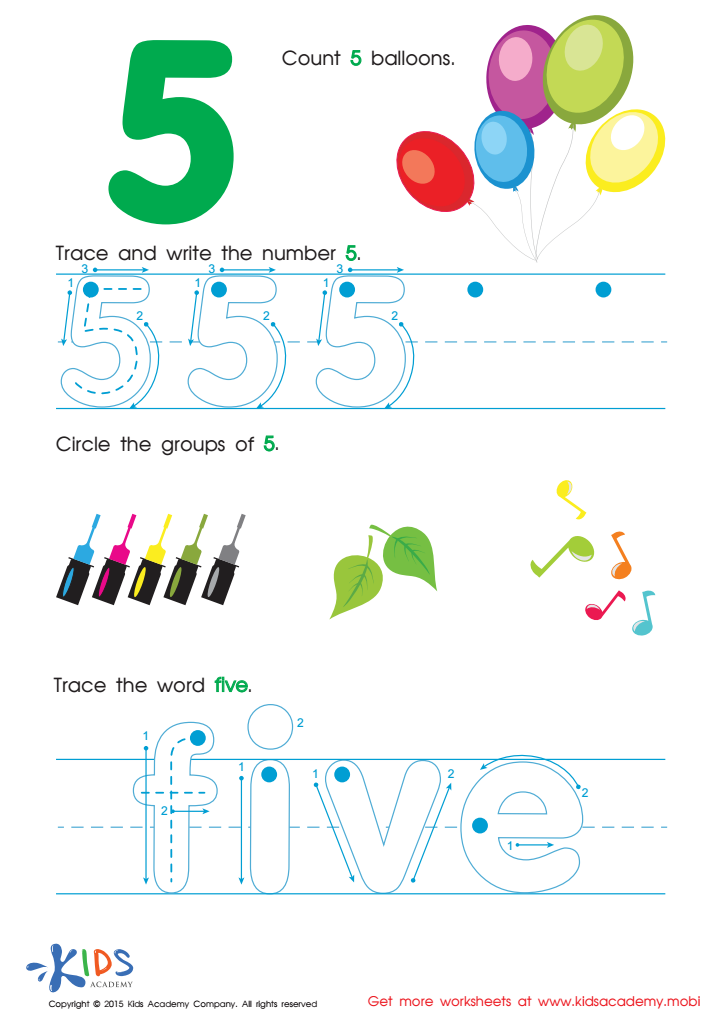
Practice Writing Number 5 Worksheet
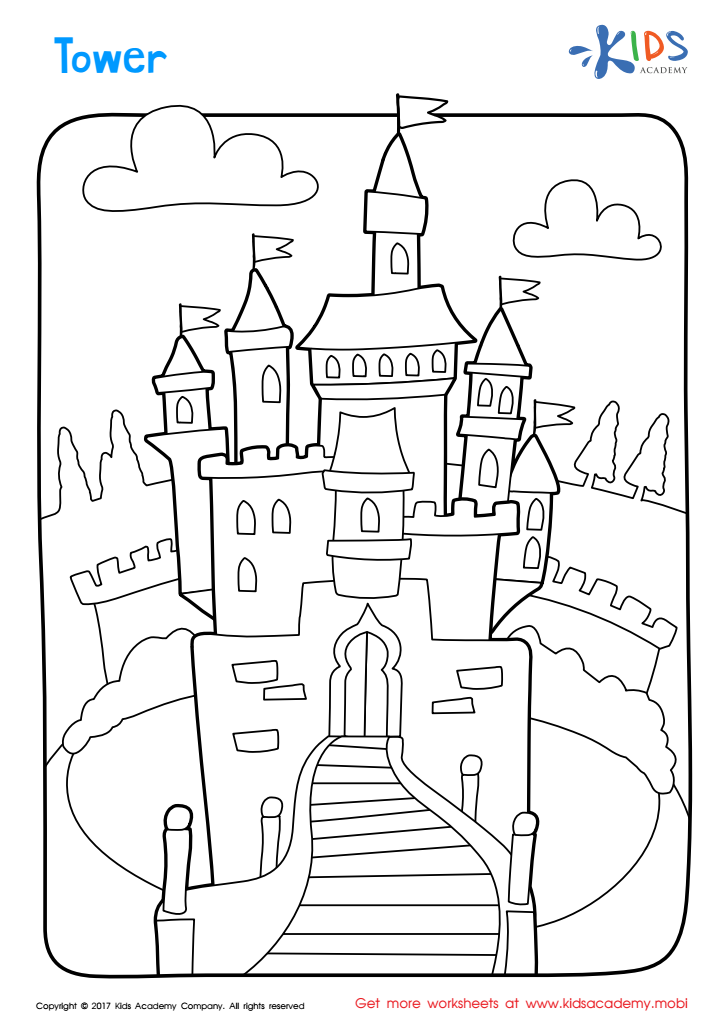
Tower Coloring Page
Assign to My Students

Long and Short E Worksheet
Assign to My Students

Letter D Tracing Page




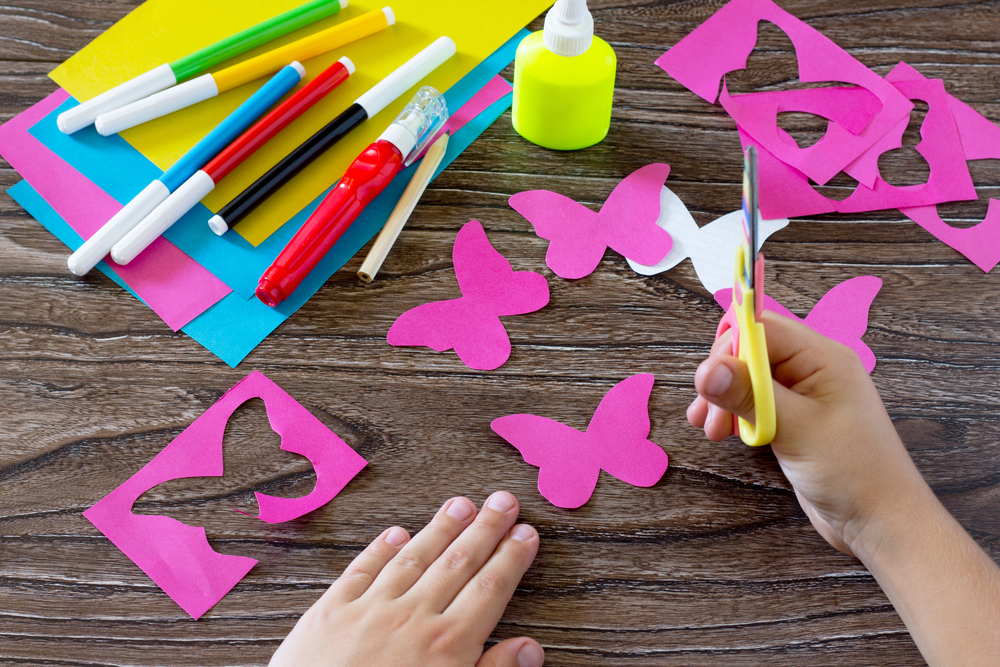



Hand-eye coordination is a crucial developmental milestone for 7-year-olds, directly impacting their learning, play, and daily activities. At this age, children's ability to synchronize their visual perception with their physical actions helps them master tasks like writing, drawing, and participating in sports. Strong hand-eye coordination promotes task efficiency and confidence, positively influencing children's self-esteem and social interactions.
Parents and teachers should be aware of this skill, as it plays a foundational role in academic success. Children with proficient hand-eye coordination can better engage in classroom activities, follow multi-step instructions, and develop fine motor skills essential for handwriting and classroom art projects.
Moreover, improving hand-eye coordination can enhance children's participation in sports, fostering teamwork, physical fitness, and discipline. Limited coordination can lead to frustration, improving focus on developing these skills can mitigate potential learning difficulties.
Encouraging activities such as ball games, arts and crafts, and puzzle-solving can help enhance this ability. By nurturing hand-eye coordination, adults can provide students with the tools they need for lifelong skills, ultimately fostering a growth mindset and encouraging perseverance in challenges. In essence, prioritizing the development of this skill should be a collective effort from both parents and educators alike.








