Letter Tracing Practice Normal Worksheets for 7-Year-Olds
3 filtered results
-
From - To
Boost your child’s handwriting skills with our "Letter Tracing Practice Normal Worksheets for 7-Year-Olds." These carefully designed worksheets provide perfect practice for young learners, helping them master each letter through fun, engaging tracing activities. Tailored specifically for 7-year-olds, our materials ensure that children develop fine motor skills, proper letter formation, and confidence in their writing abilities. Each worksheet combines playful illustrations with essential practice, making learning both enjoyable and effective. Ideal for both classroom use and at-home learning, our letter tracing worksheets support your child’s educational journey, laying the foundational skills needed for successful reading and writing.
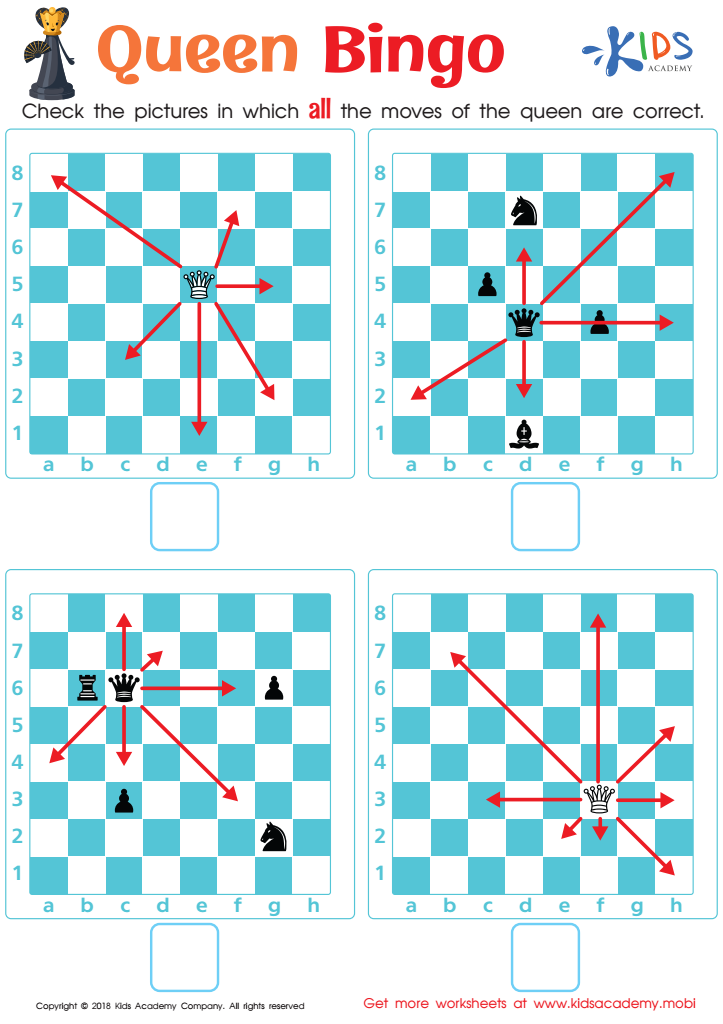
Queen Bingo Worksheet
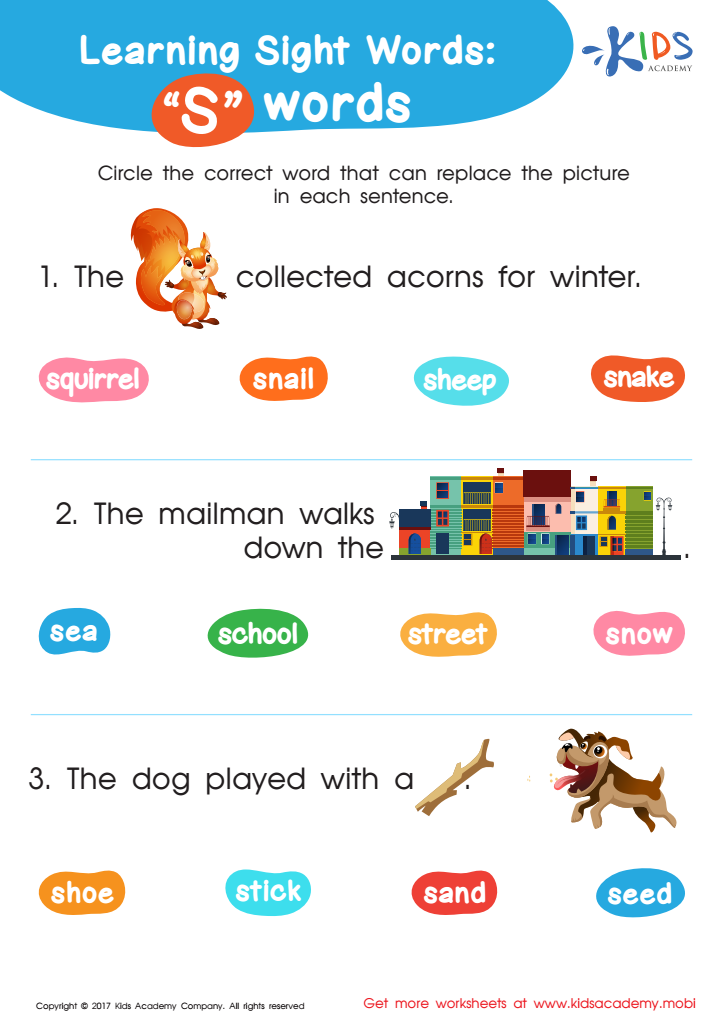
S Words Sight Words Worksheet
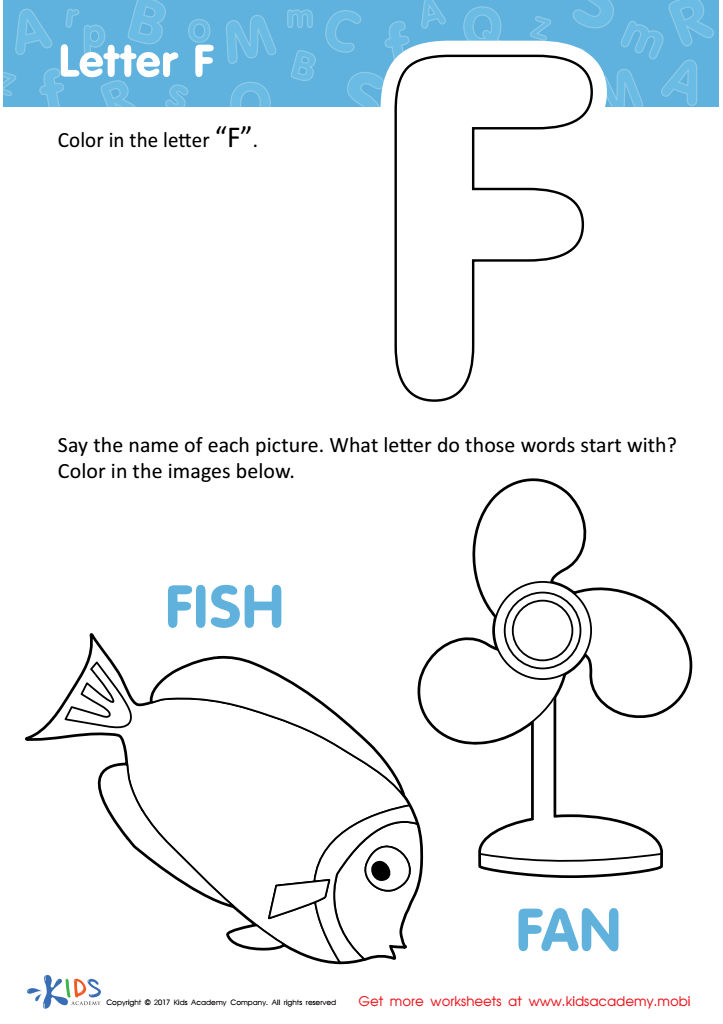
Letter F Coloring Sheet
 Assign to My Students







Letter tracing practice is crucial for 7-year-olds for a multitude of reasons, offering substantial benefits for both academic and cognitive development. First and foremost, it enhances fine motor skills, essential for writing legibility and fluidity. Developing hand-eye coordination and finger strength through tracing exercises enables children to have better control over their writing instruments, laying the groundwork for neat handwriting.
Additionally, letter tracing reinforces the learning of letter shapes and structures, making it easier for children to recognize and reproduce them accurately. This familiarity aids in word formation and spelling, foundational elements of reading proficiency. Regular practice turns alphabetic principles into second nature, promoting ease in writing, which is fundamental to effective communication.
For teachers and parents, incorporating letter tracing practice also provides an opportunity to identify and address any early difficulties a child might have with handwriting. By offering targeted assistance, they ensure these challenges are met early on. Moreover, the repetitive nature of tracing can soothe anxiety-related issues, making the learning process enjoyable and less stressful.
Lastly, consistent practice cultivates patience, attention to detail, and a sense of accomplishment, all vital traits for holistic child development. Thus, prioritizing letter tracing practice is an investment in the child’s diverse developmental milestones and overall academic success.








