Letter tracing skills Normal Worksheets for 7-Year-Olds
3 filtered results
-
From - To
Our Letter Tracing Skills worksheets for 7-year-olds are designed to help children refine their handwriting while having fun! These engaging worksheets from Kids Academy provide a variety of activities focused on letter formation, pencil control, and fine motor skills. Perfect for at-home practice or classroom use, each worksheet is structured to enhance confidence and precision. Your child will enjoy tracing and completing exercises that make learning to write letters enjoyable and effective. Boost your 7-year-old’s letter tracing skills with our expertly crafted, child-friendly resources today!

Letter C Tracing Page
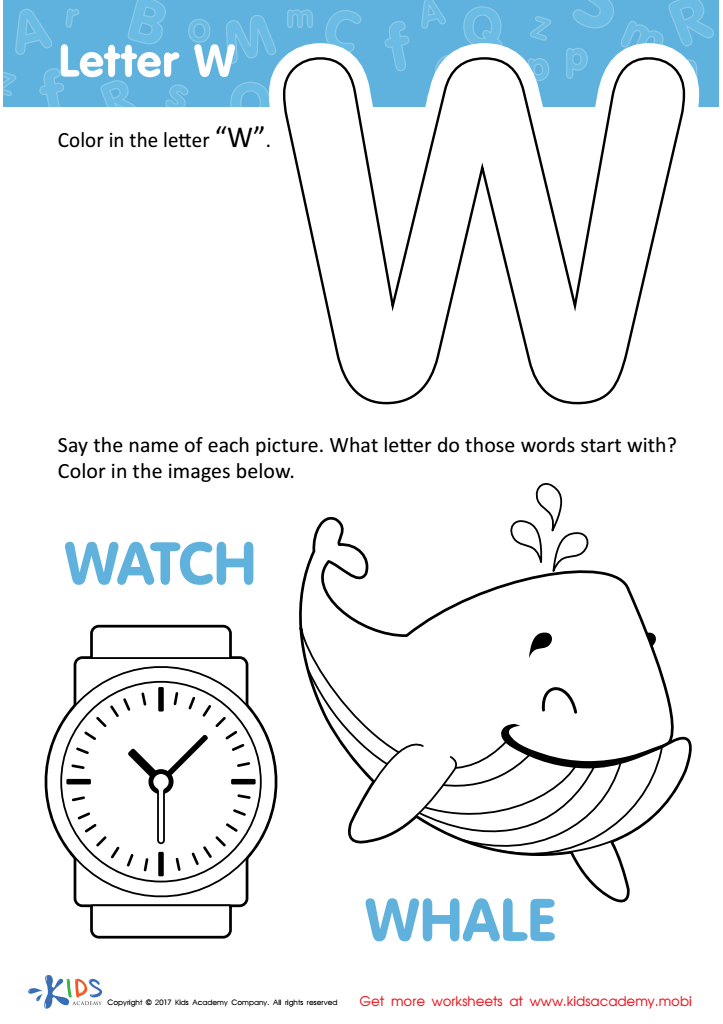
Letter W Coloring Sheet
 Assign to My Students
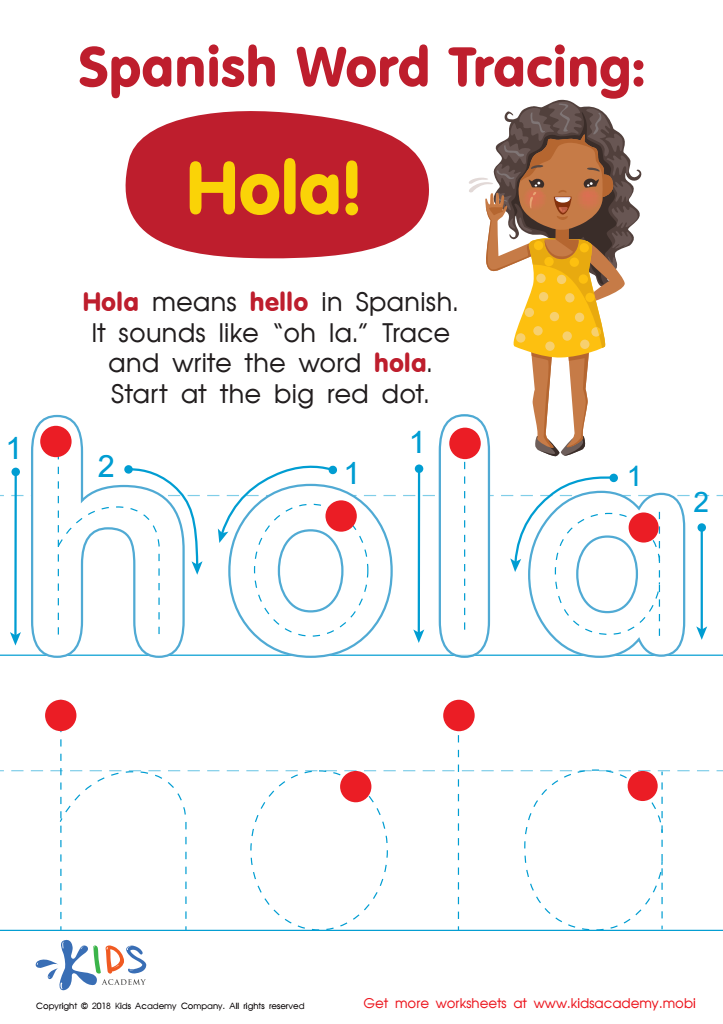
Spanish Word Tracing: Hola Worksheet








Letter tracing is a fundamental skill that supports the overall development of writing abilities in 7-year-olds. At this age, children are transitioning from early learning stages to more structured school tasks, where efficient writing becomes pivotal. Parents and teachers play an essential role in fostering these skills to ensure academic success and build self-confidence.
Firstly, proper letter formation aids legibility. Children who trace letters correctly are more likely to write clearly, ensuring their work is understood by teachers and classmates. This clarity not only impacts grades but also boosts the child’s confidence when receiving positive feedback.
Secondly, tracing letters enhances fine motor skills. As children practice precise movements, they develop hand-eye coordination and control that go beyond writing, aiding in various tasks like tying shoelaces or using utensils efficiently.
Moreover, engaging in letter tracing nurtures concentration and focus. Learning to follow patterns and replicate shapes requires attention, which translates to improved focus in other academic subjects and daily activities.
Lastly, letter tracing offers a foundational understanding of literacy. Recognizing and forming letters correctly is the first step towards reading fluency and spelling accuracy—skills integral to academic success and effective communication.
In essence, caring adults should prioritize letter tracing to build essential motor skills, ensure academic readiness, and cultivate a lifelong love for learning.








