Number Recognition Normal Comparing Numbers Worksheets for 7-Year-Olds
5 filtered results
-
From - To
Our "Number Recognition & Comparing Numbers Worksheets for 7-Year-Olds" are designed to enhance your child’s ability to identify and compare numbers. These engaging activities will help develop essential math skills such as recognizing numbers, understanding their values, and comparing them using symbols like greater than, less than, and equal to. Perfectly tailored for 7-year-olds, our worksheets foster mathematical confidence through fun and interactive challenges. Help your child build a strong foundation in number recognition and comparison – essential skills for their academic journey. Discover a world where learning math is enjoyable and effective with Kids Academy!
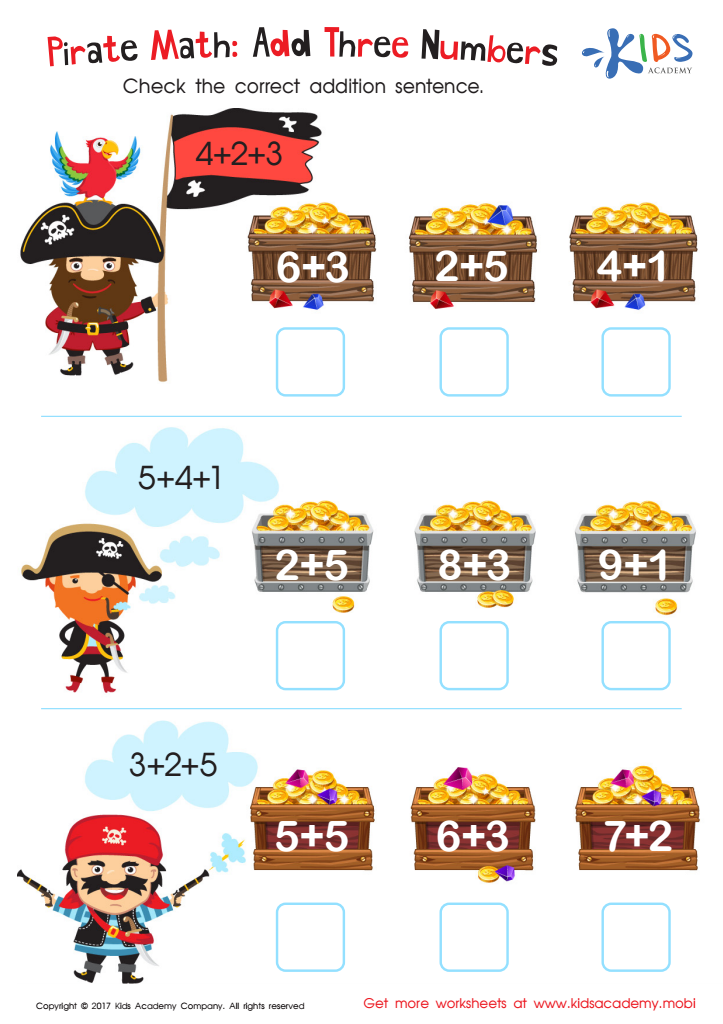
Pirate Math Printable
 Assign to My Students
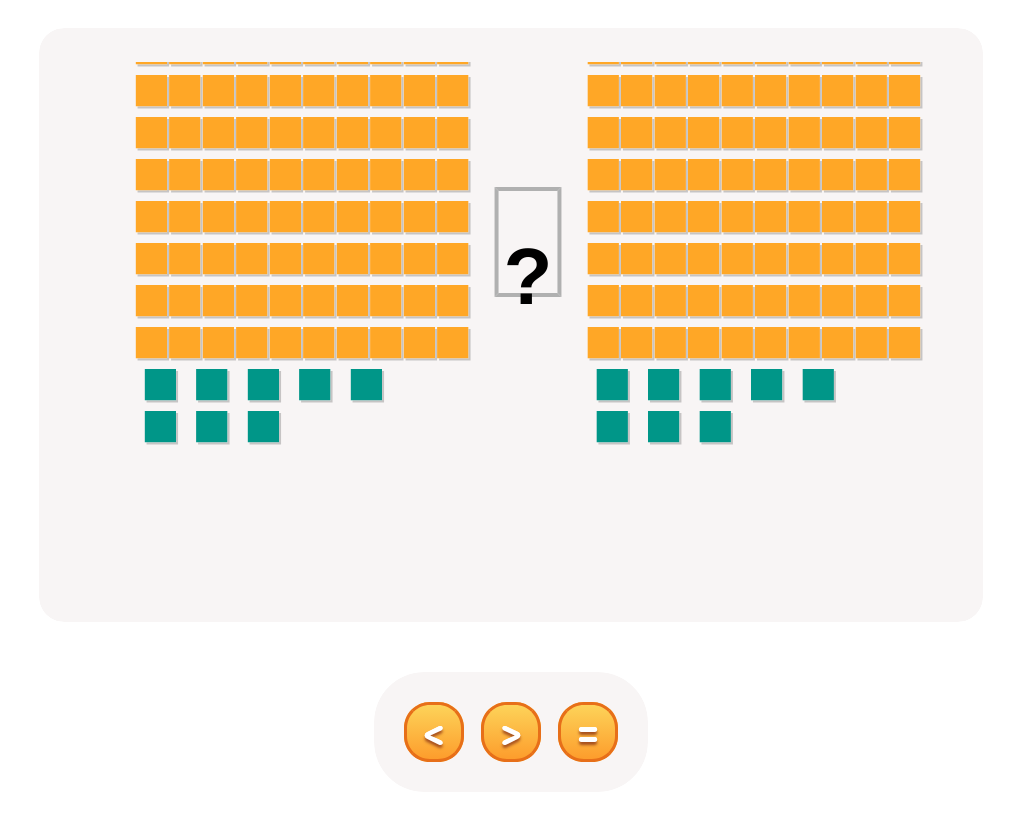

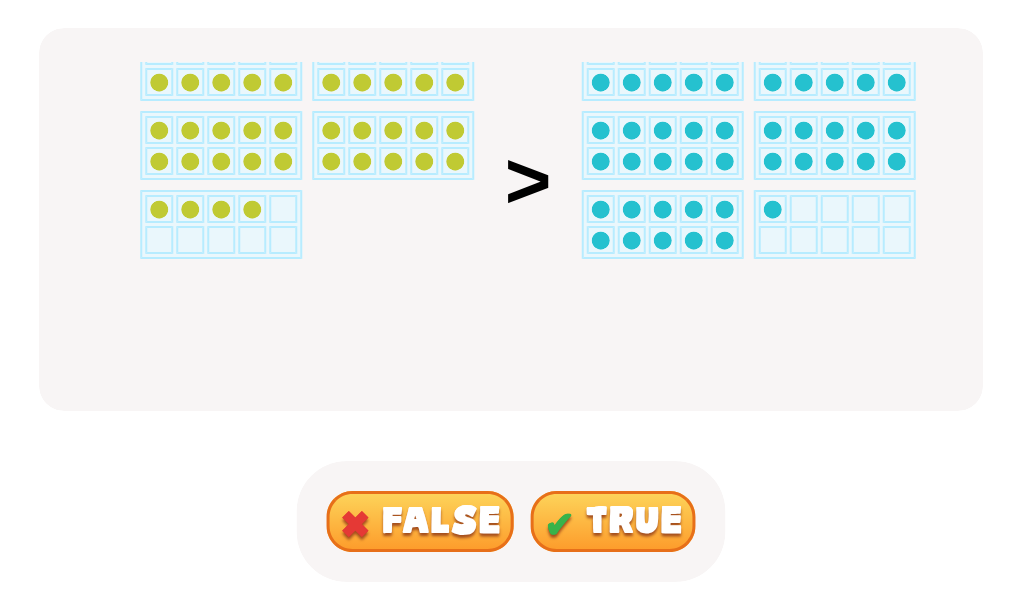
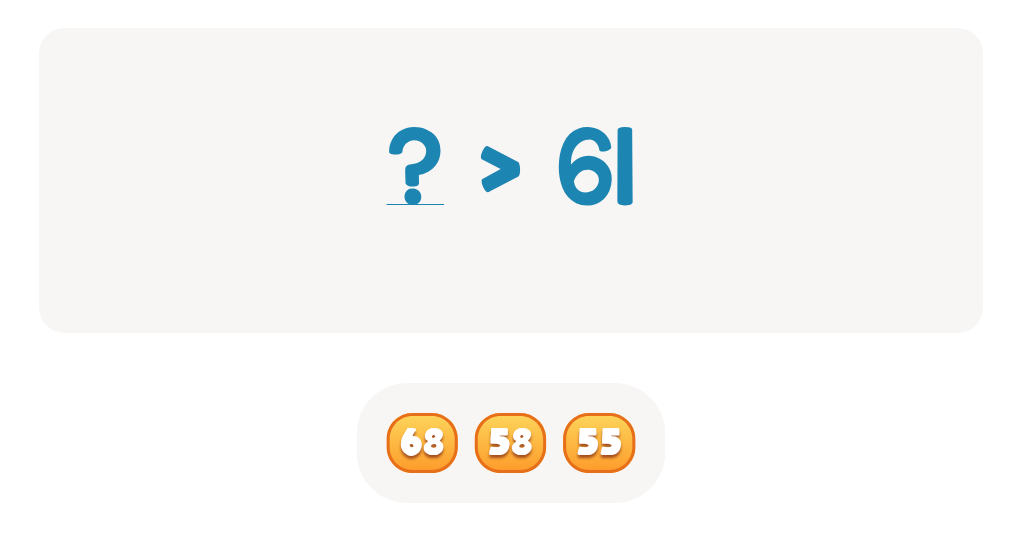
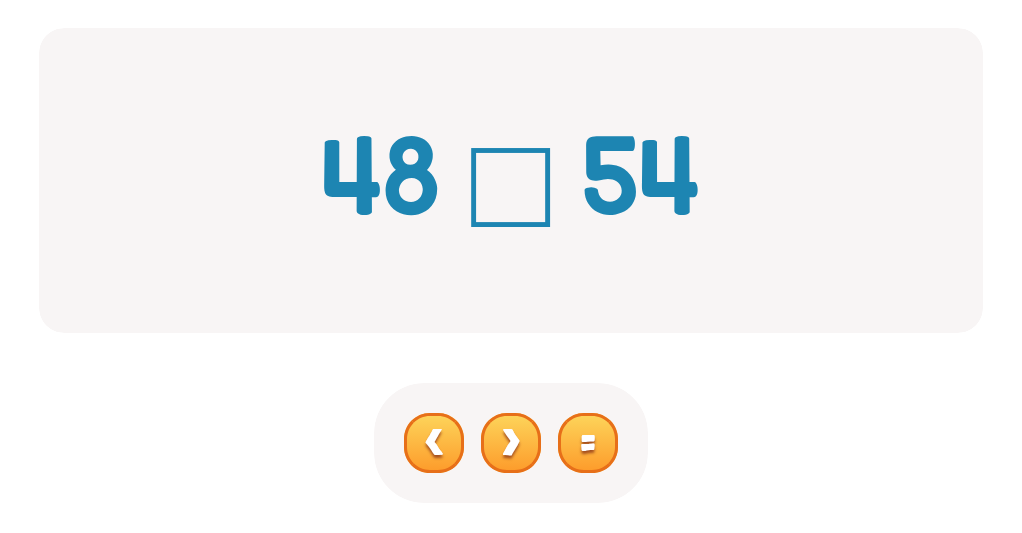
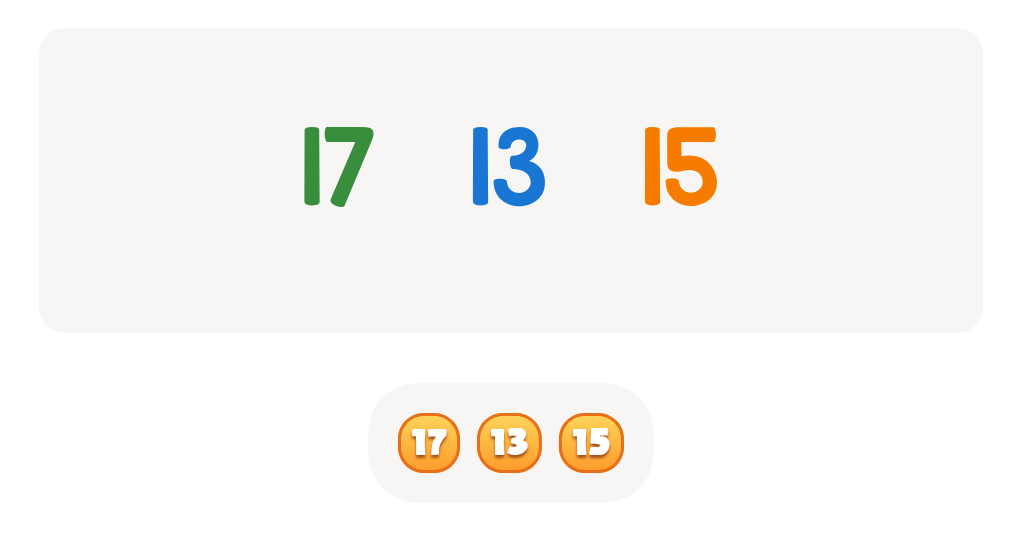
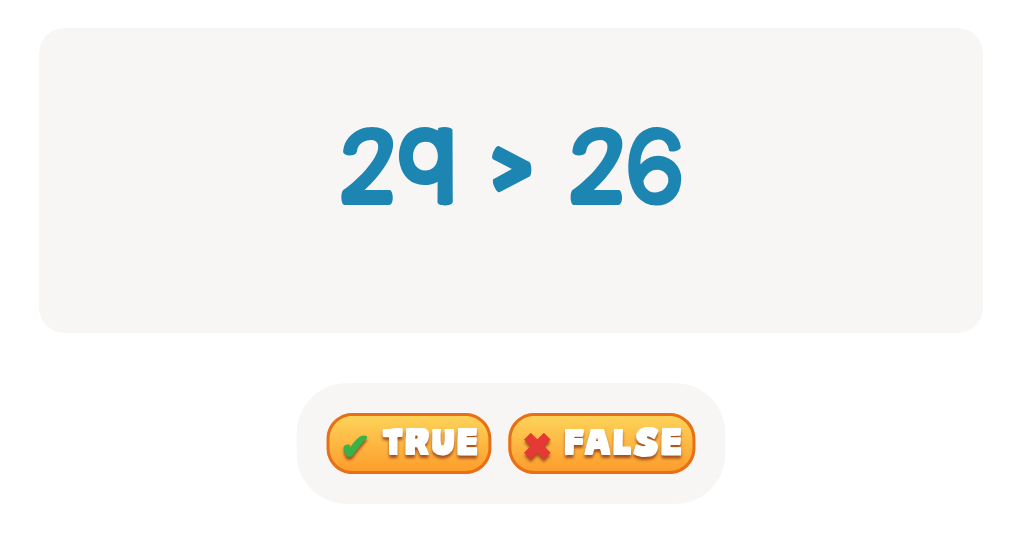
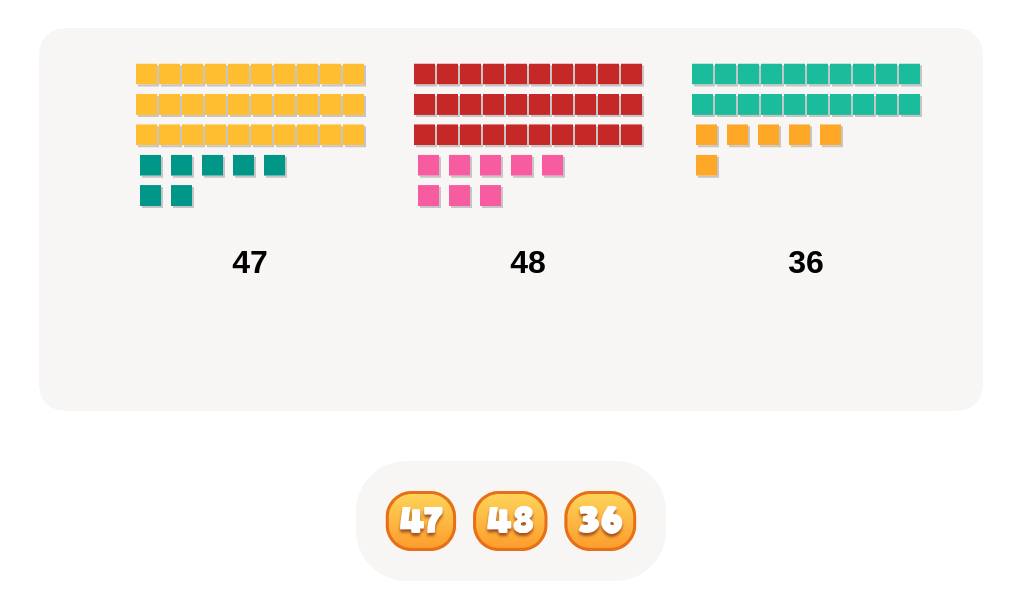
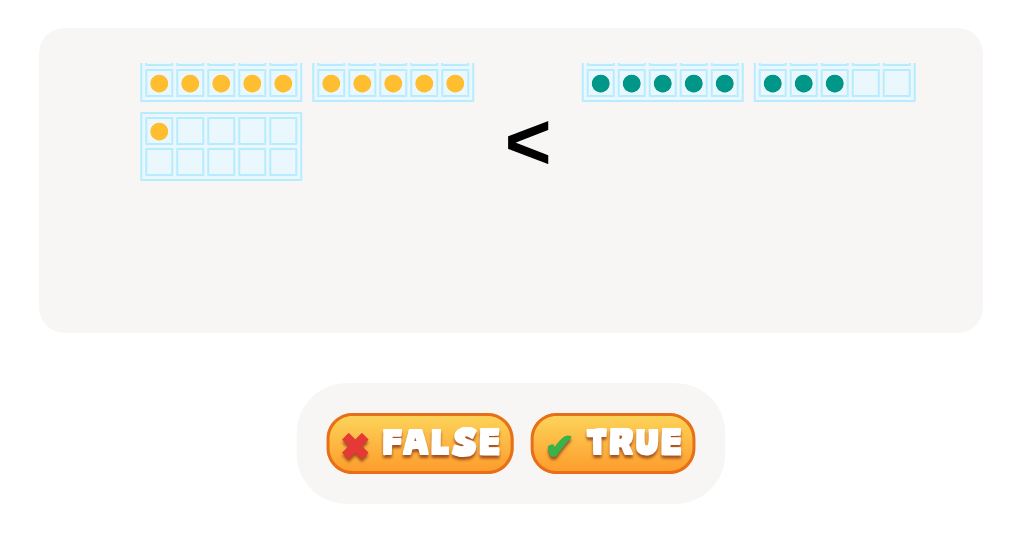
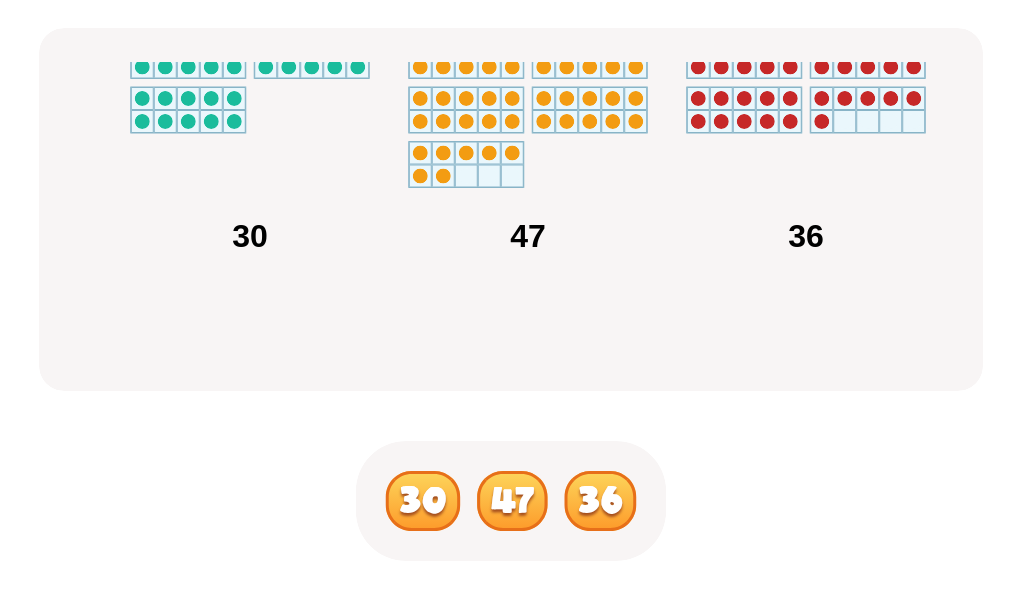
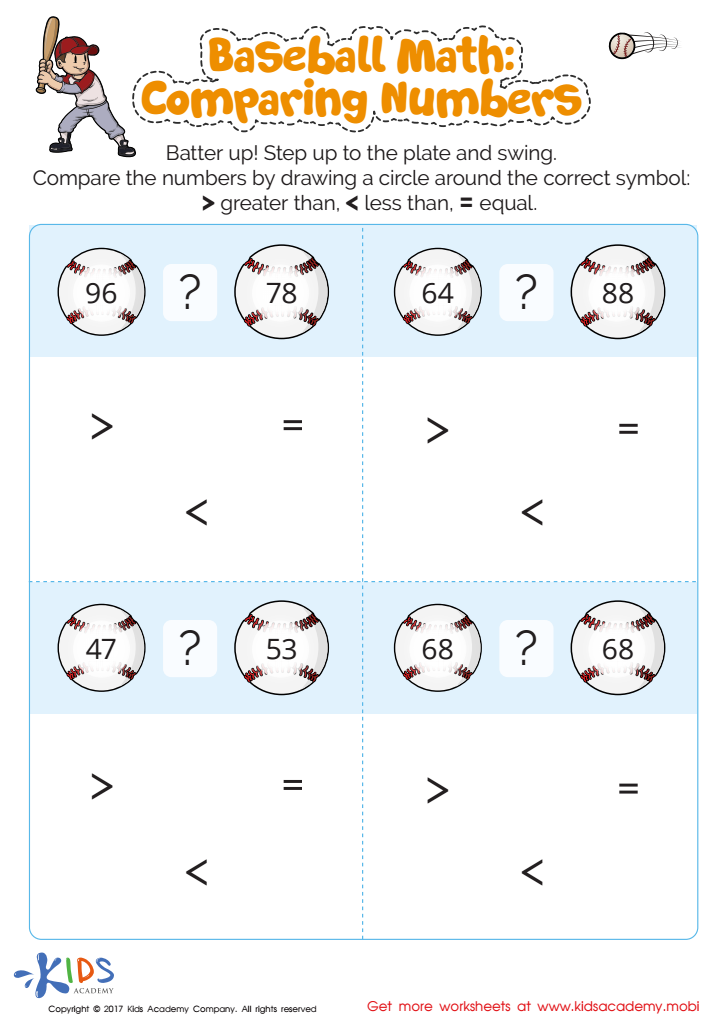
Compare Numbers Printable
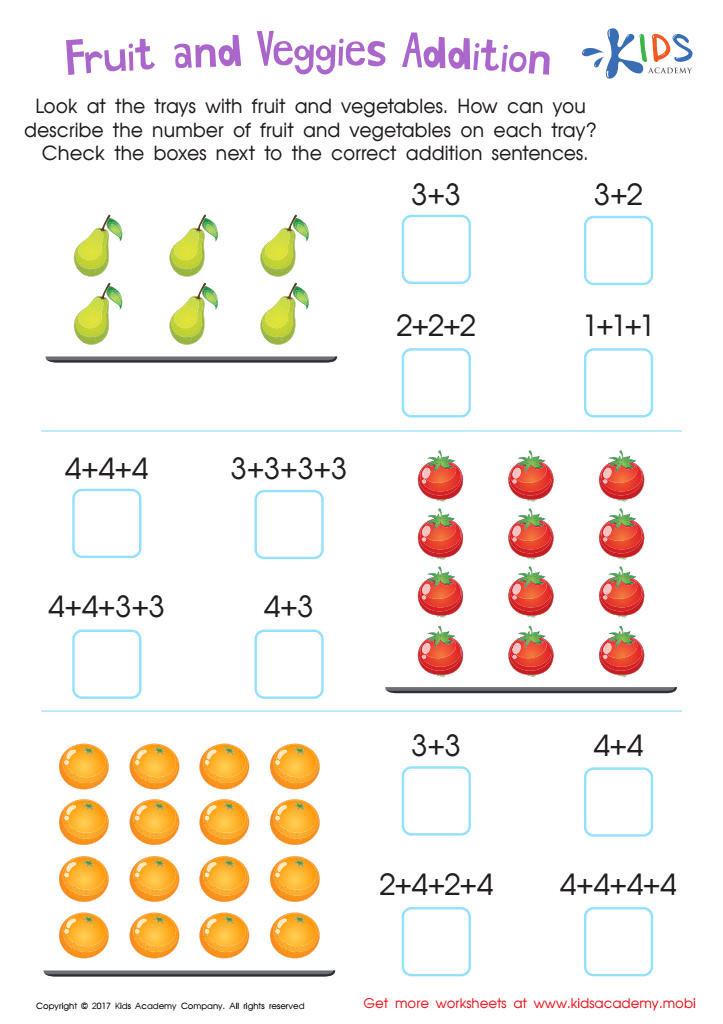
Fruit and Veggies Worksheet
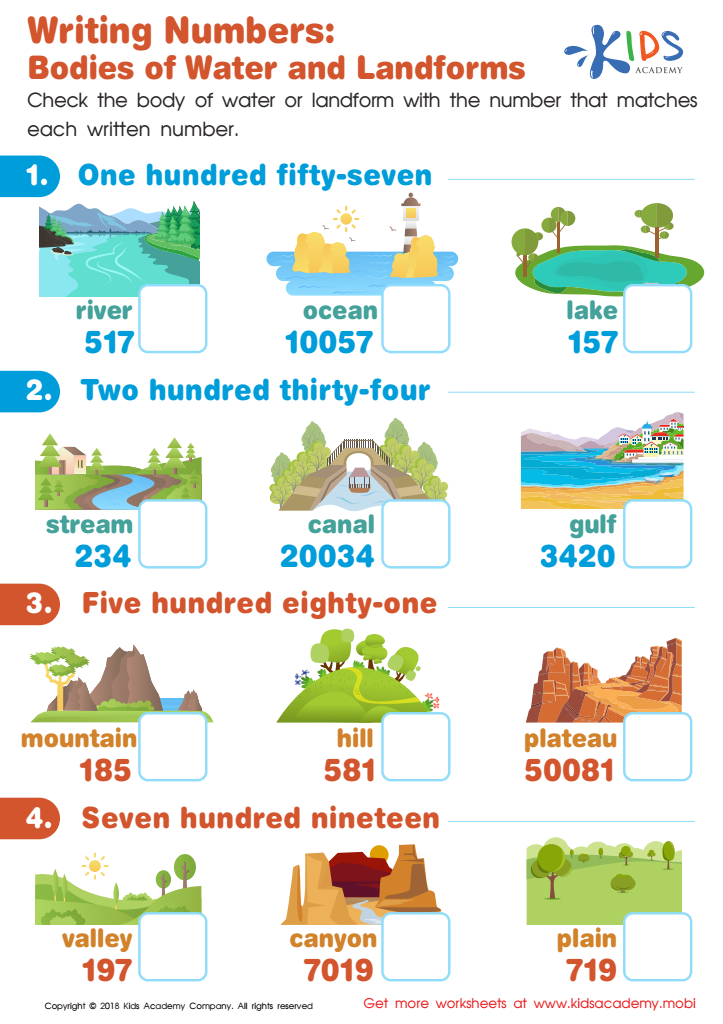
Bodies of Water and Landforms Writing Numbers Worksheet
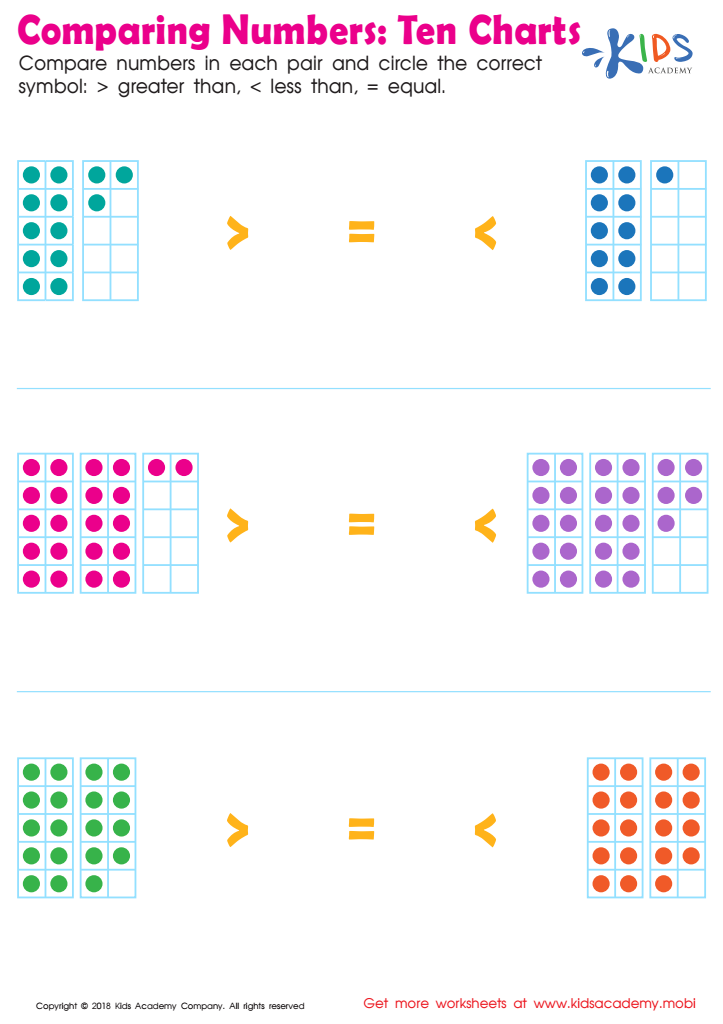
Ten Charts Worksheet








Understanding number recognition and the ability to compare numbers are foundational skills critical for 7-year-olds. Firstly, number recognition fuels a child's ability to identify and name numbers accurately, the cornerstone of all subsequent mathematical learning. It lays the groundwork for skills in addition, subtraction, multiplication, and beyond. Teaching children to recognize numbers enhances their ability to navigate daily tasks, such as telling time or understanding money, establishing profound real-world relevance.
Moreover, comparing numbers helps children develop logical thinking and problem-solving abilities. At this age, they start grasping the concept of quantity and value, which is essential for understanding more complex mathematical operations. When children compare numbers, they engage in critical thinking and develop keenness in noticing patterns and differences, fostering an analytical mindset.
For both parents and teachers, fostering these skills offers dual benefits: it not only equips children to excel in mathematics academically but also molds their cognitive abilities more broadly. Encouraging number recognition and comparison in interactive, fun ways—such as through games, puzzles, and real-life examples—can make learning enjoyable and effective. Ultimately, nurturing these skills at an early age serves as an investment in a child's educational journey and paves the way for broader intellectual development.