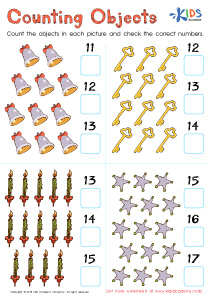
Addition Practice Normal Place Value Worksheets for 7-Year-Olds
5 filtered results
-
From - To
Enhance your 7-year-old child's math skills with our Addition Practice Worksheets focused on normal place value concepts. These meticulously designed worksheets help develop a solid understanding of addition by incorporating engaging exercises suitable for second graders. Through various themed tasks and problems, children can practice and master adding within 1000, boosting their confidence and competence in math. Perfect for at-home learning or classroom use, these worksheets offer both challenge and fun, ensuring children eagerly participate in their math practice sessions. Download our Addition Practice Normal Place Value Worksheets today and watch your child's math abilities flourish!
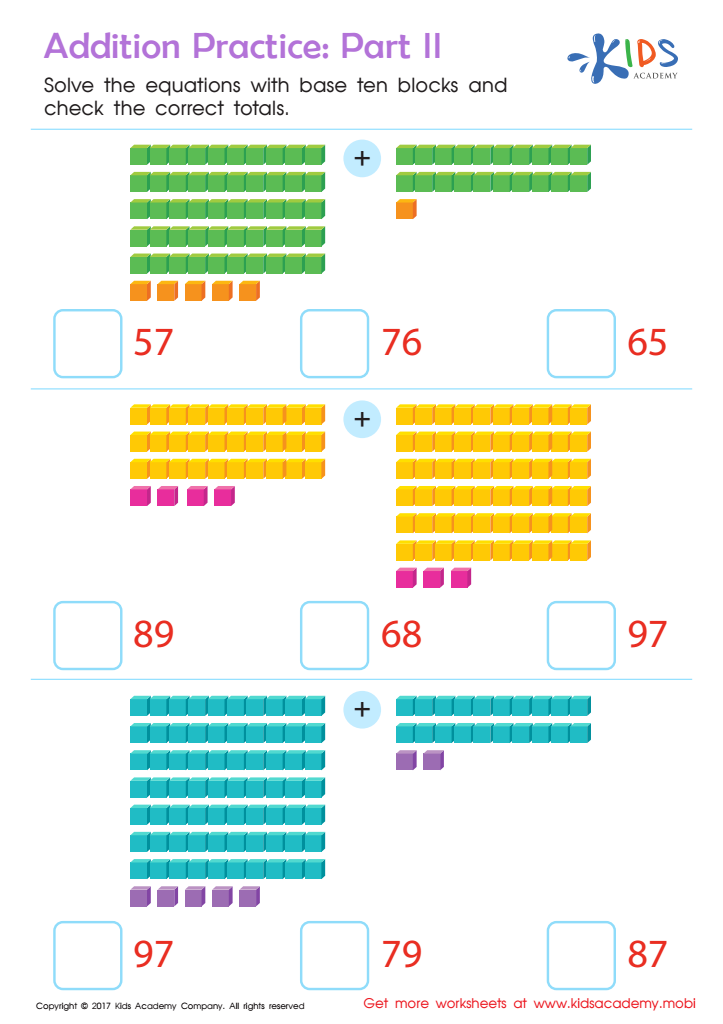
Addition Practice Sheet: Part 2
 Assign to My Students
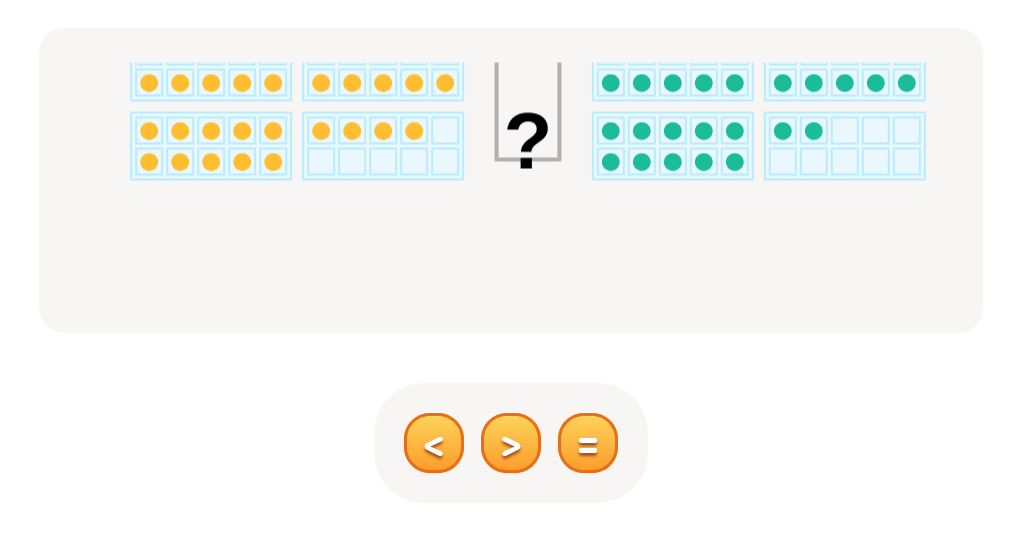

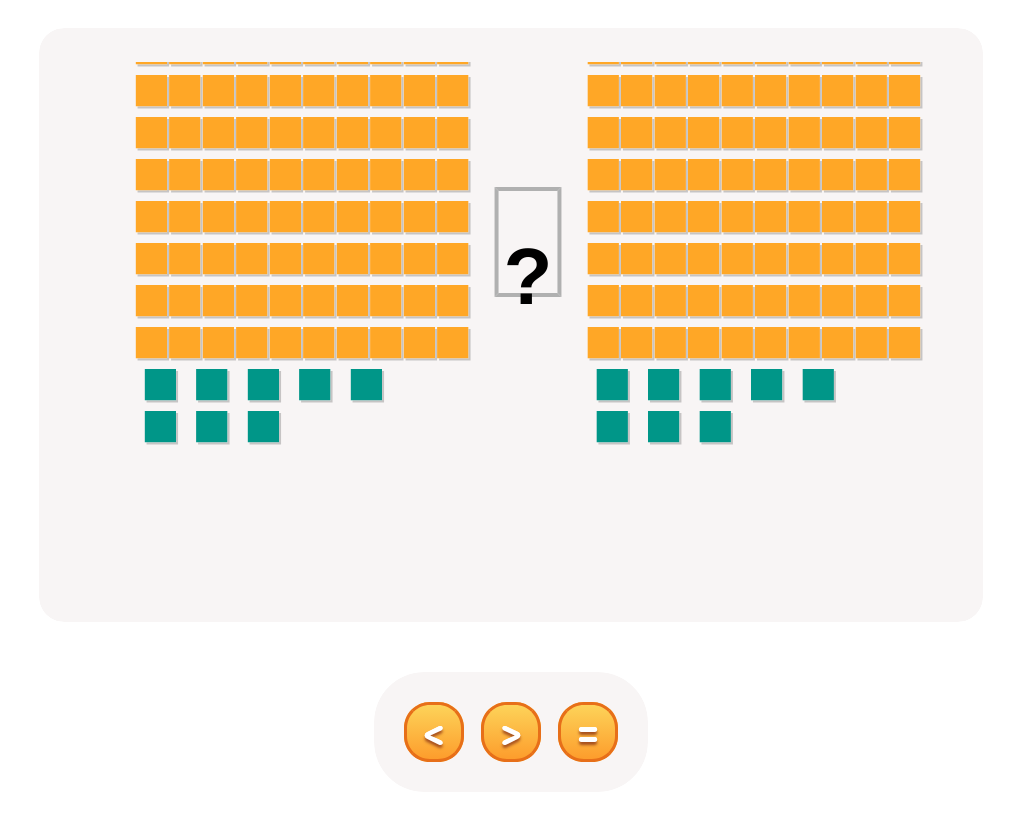
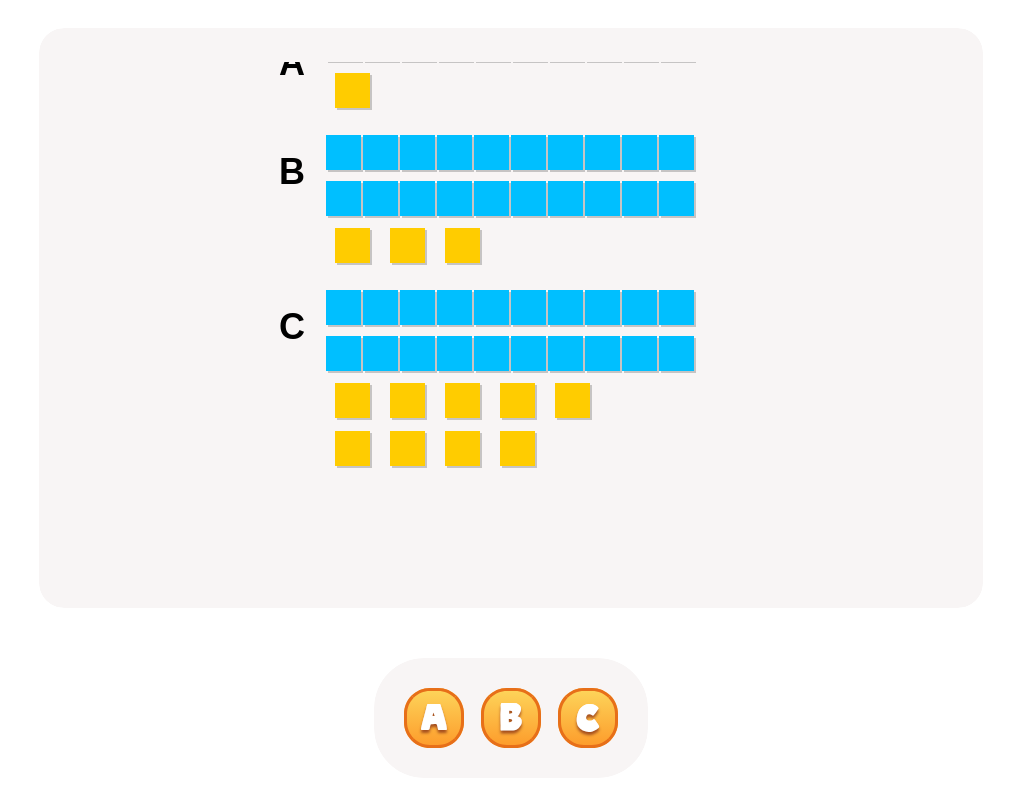
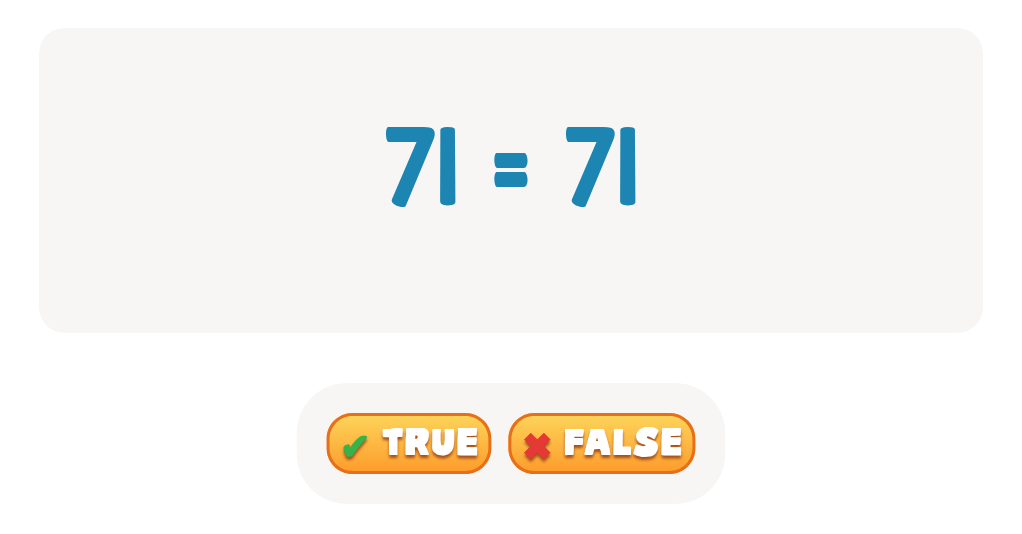
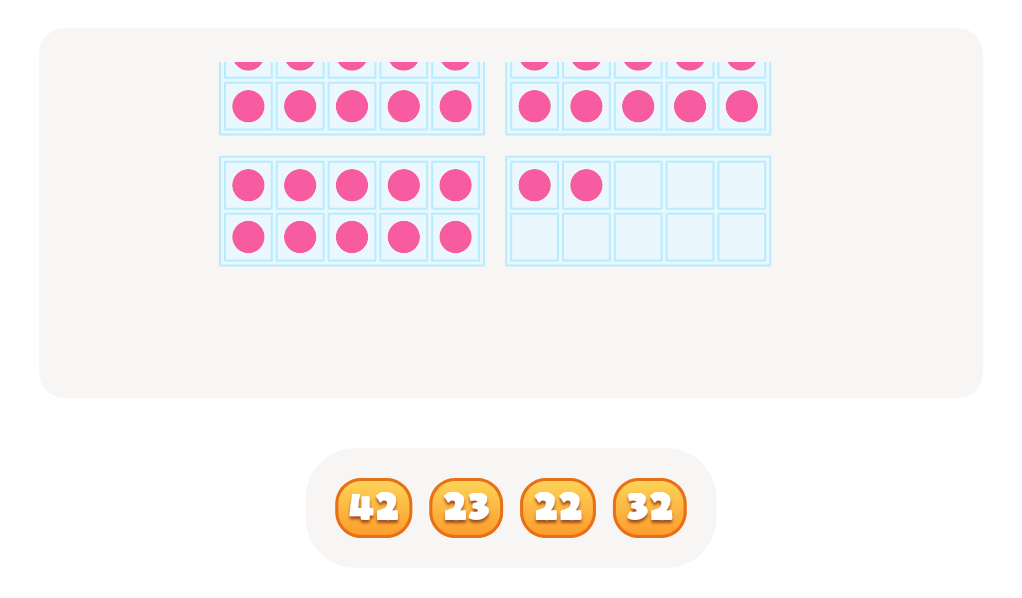
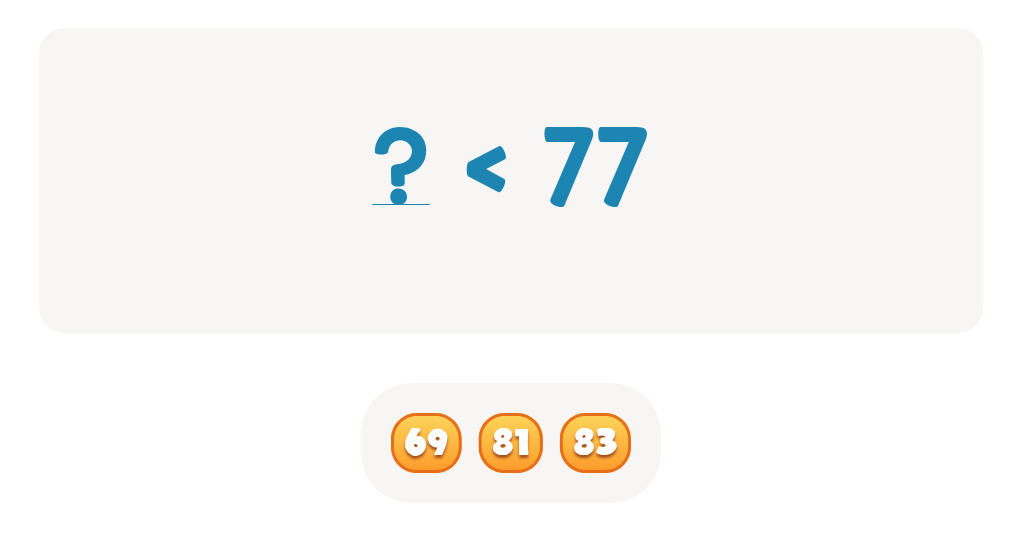
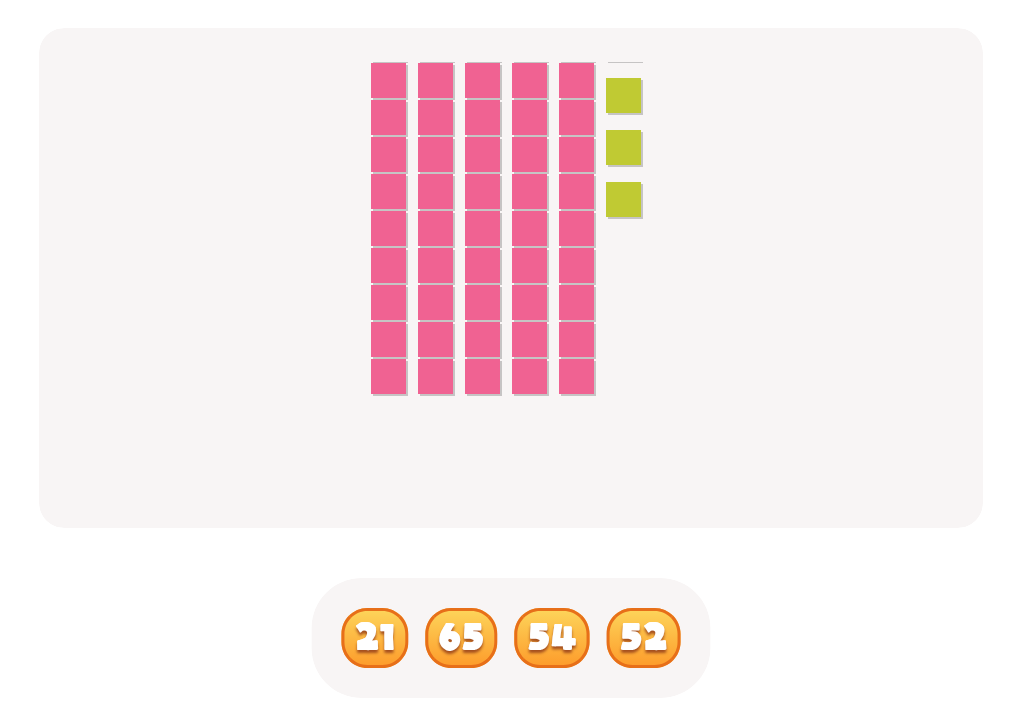
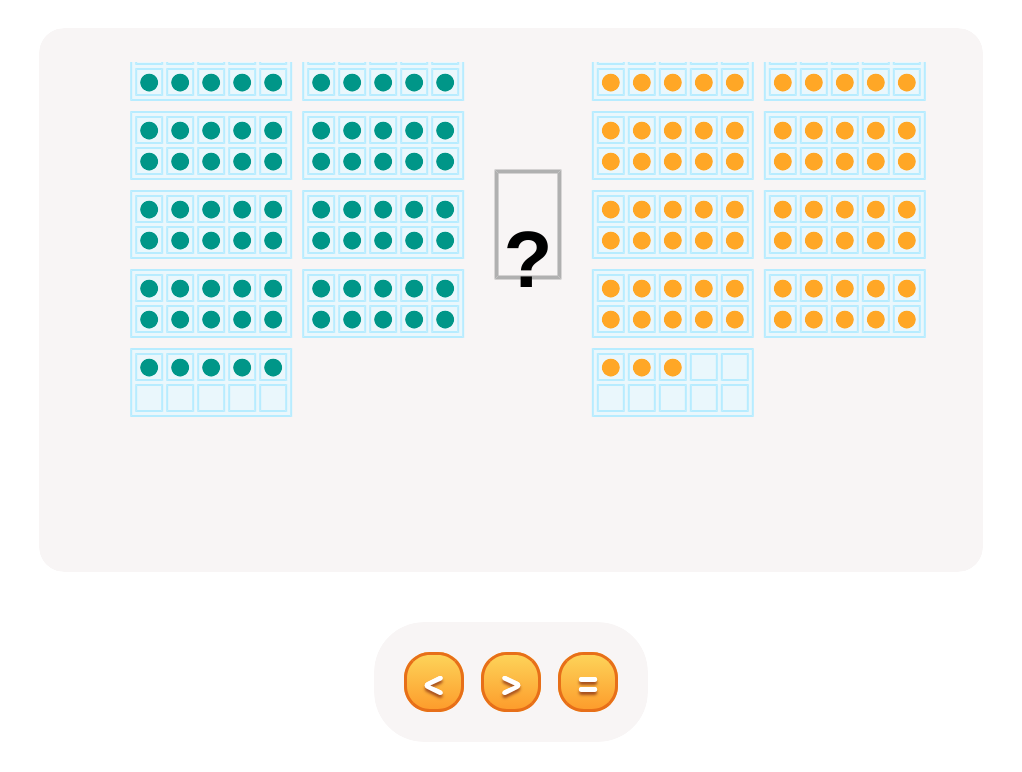
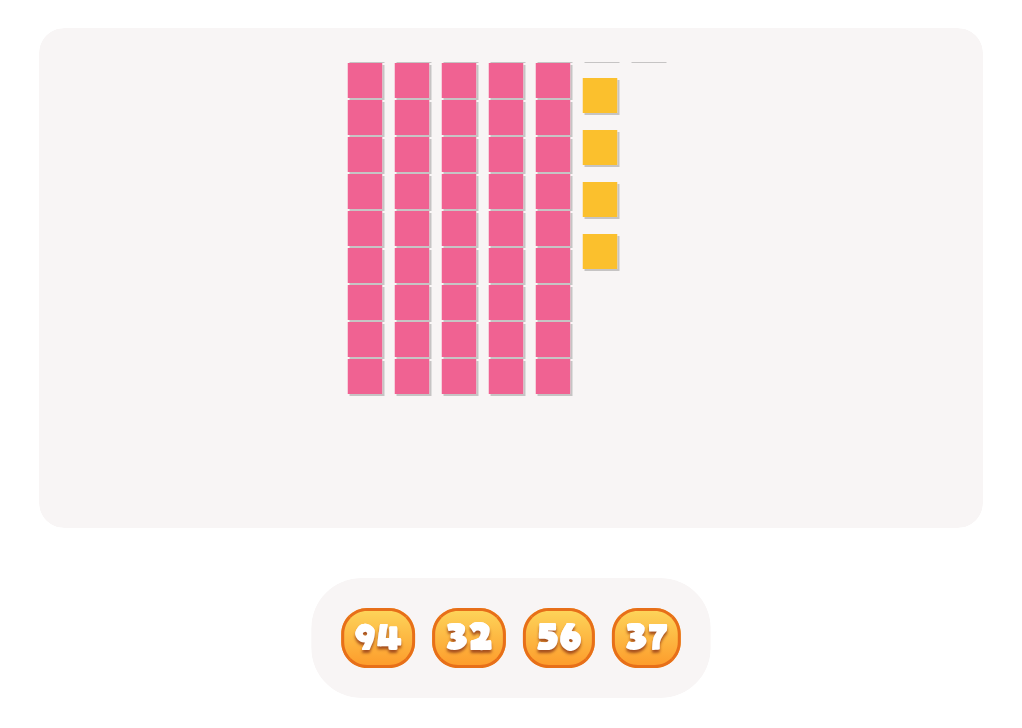
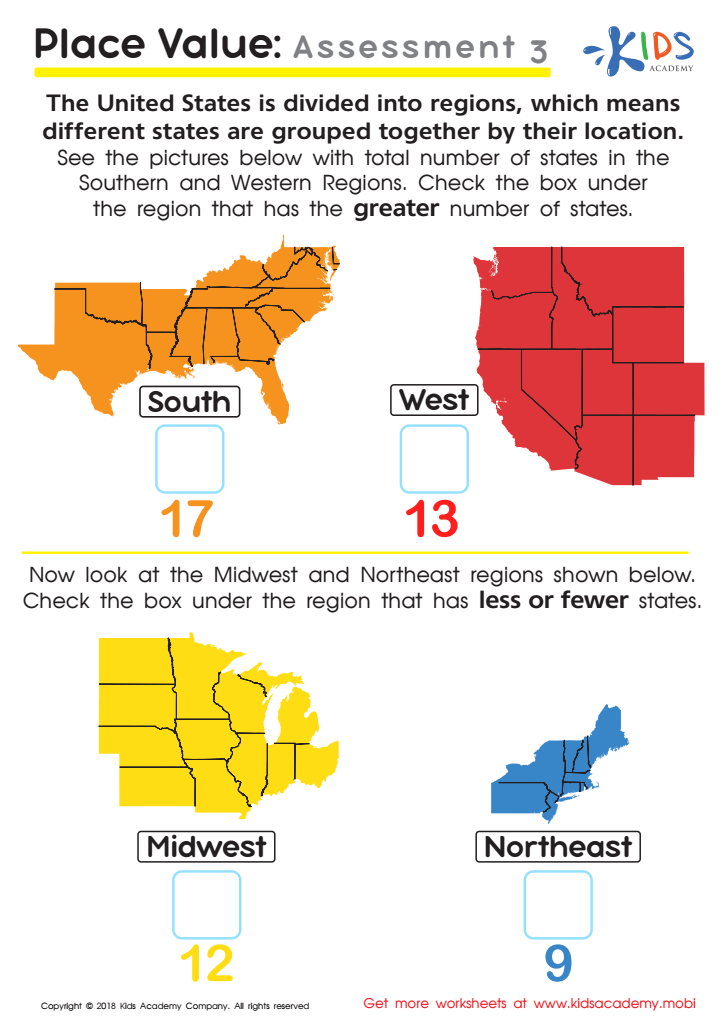
Place Value: Assessment 3 Worksheet
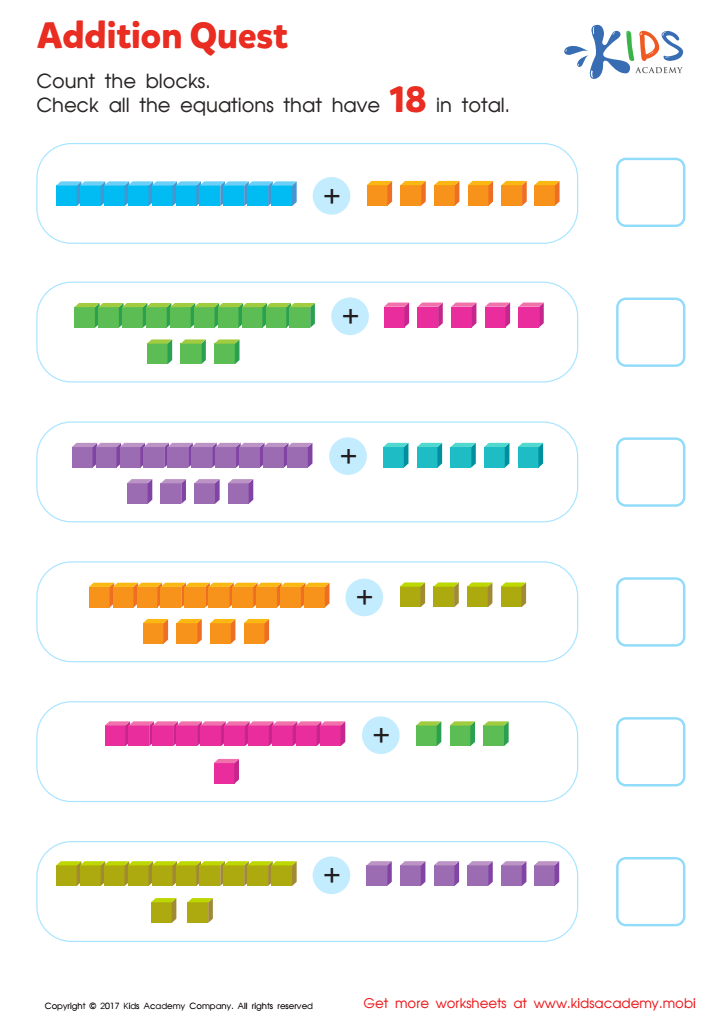
Addition Quest Worksheet: Part 2
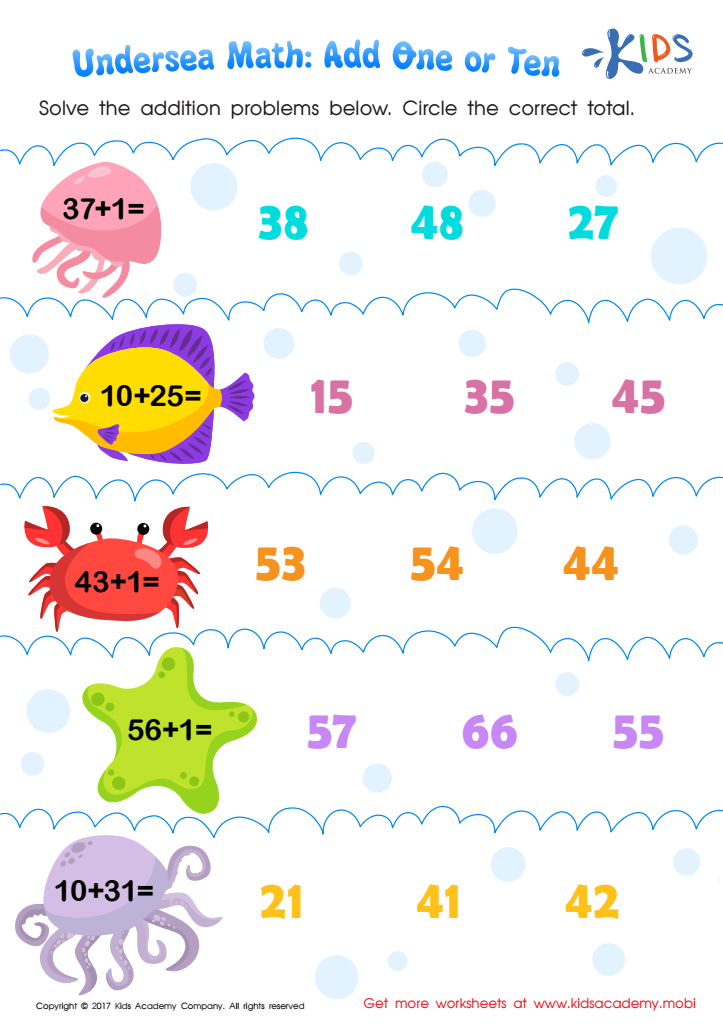
Undersea Math Worksheet
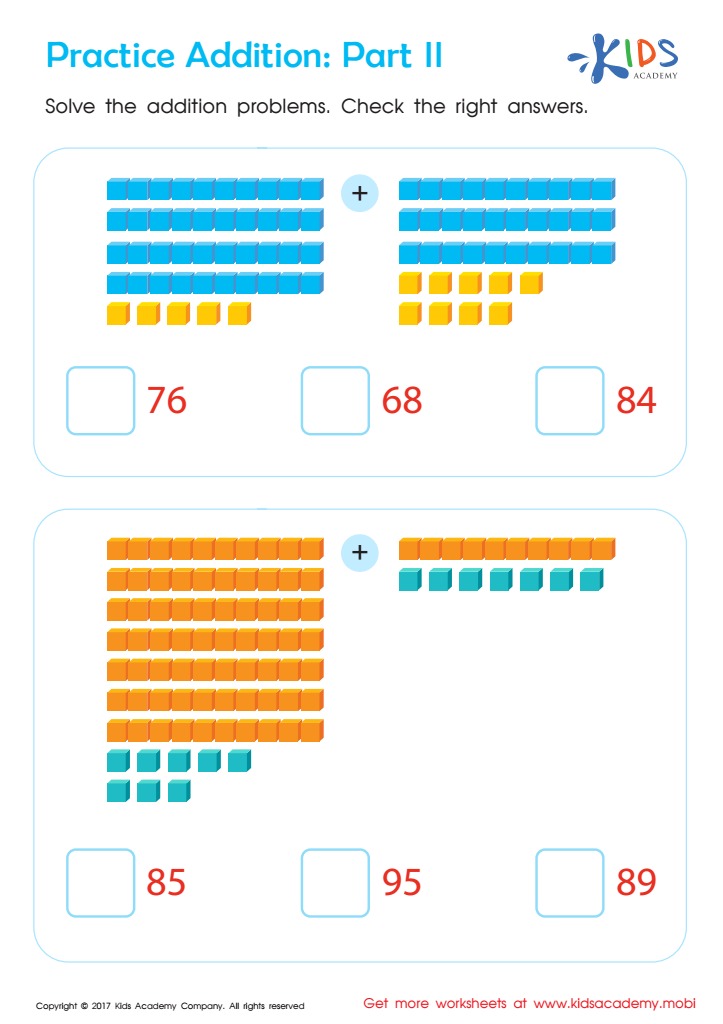
Practice Addition: Part 2 Worksheet








Fostering addition practice with a focus on normal place value for 7-year-olds is crucial for building foundational math skills. During this formative age, children are beginning to grasp the essentials of arithmetic, which will underpin their understanding of more complex mathematical concepts in the future. Understanding place values – where each digit in a number holds a specific position and value – is essential for performing basic arithmetic operations correctly.
When children practice addition with an emphasis on place value, they learn to appreciate the importance of each digit within a number. This understanding helps them break down problems into smaller, more manageable steps, making the process of addition more logical and less intimidating. For instance, recognizing that in the number 47, the '4' represents forty, not just four, enables children to add tens and ones separately before combining the totals for an accurate result.
Moreover, mastery of this concept fosters mental math abilities, boosts confidence, and promotes numerical literacy, which is vital for everyday tasks and future academic pursuits. It cultivates critical thinking and problem-solving skills that transcend beyond mathematics. Ultimately, encouraging and supporting addition practice with a strong grasp of place value ensures children are well-equipped to tackle more complex math challenges ahead with confidence and competence.