
Analytical thinking Normal Reading Worksheets for 7-Year-Olds
3 filtered results
Difficulty Level
Grade
Age
-
From - To
Subject
Activity
Standards
Welcome to our Analytical Thinking Normal Reading Worksheets for 7-Year-Olds! Designed to enhance critical thinking and comprehension, these engaging worksheets encourage young learners to analyze texts effectively. Each activity fosters skills like inference, comparison, and summarization, laying a solid foundation for academic success. Our kid-friendly format captivates their attention while promoting independent thought. Parents and educators can utilize these resources to supplement classroom learning and facilitate home study. By exploring various themes and topics, children will develop a deeper understanding of reading materials, making learning both enjoyable and educational. Discover the joy of analytical thinking with our thoughtfully crafted worksheets!
Favorites
With answer key
Interactive
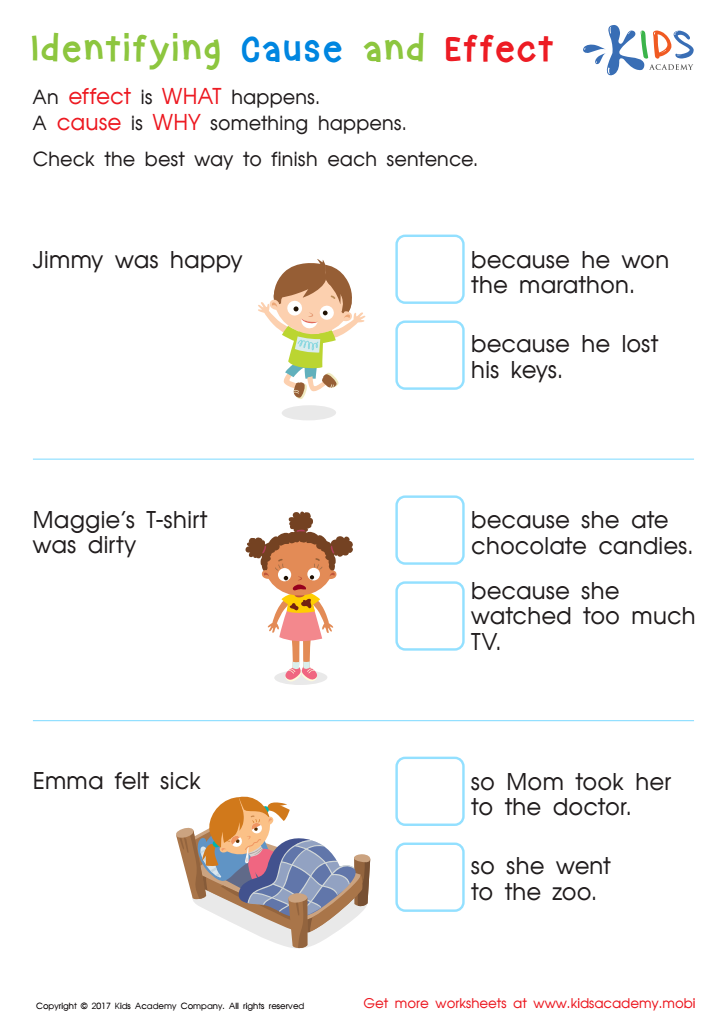
Indentifying Cause and Effect Worksheet
2nd grade cause & effect worksheets give your child practice making connections between events and their results. Fun activities help develop reading and critical thinking skills.
 Assign to My Students
Indentifying Cause and Effect Worksheet
Worksheet
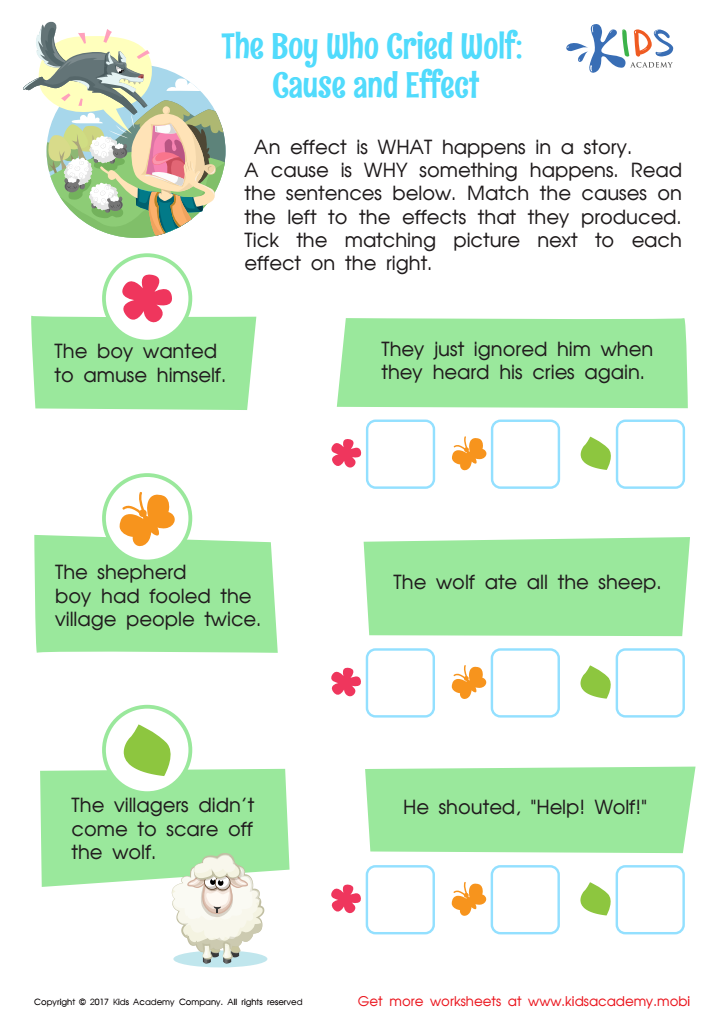
The Boy Who Cried Wolf: Cause and Effect Worksheet
With classic stories and fables, learning reading comprehension is easy - and fun!
The Boy Who Cried Wolf: Cause and Effect Worksheet
Worksheet
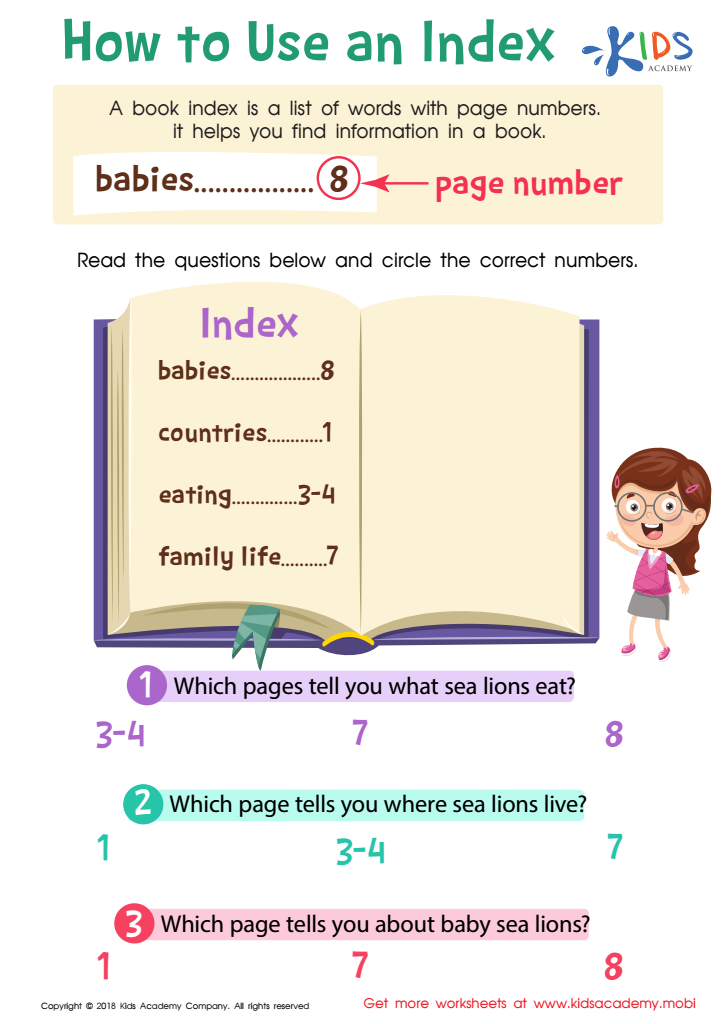
How Use Index Worksheet
Hand your kids a book, point out the index and explain that it's a list of words with page numbers. Ask them to look at the index in the worksheet and circle the correct number to the questions. Every book must have an index to help readers find chapters or information they need.
How Use Index Worksheet
Worksheet
Join Kids Academy for Free
Who is primarily going to use this learning content?







Analytical thinking is crucial for 7-year-olds as it shapes their ability to process information critically, make decisions, and solve problems. At this age, children's brains are rapidly developing, making it an ideal time to enhance these skills through activities that promote analytical thinking, such as puzzles, discussions, and age-appropriate reading comprehension tasks.
Parents and teachers should care about fostering analytical thinking because it fuels curiosity and encourages independent learning. When children learn to analyze what they read, they not only understand stories better but also begin to connect ideas and draw conclusions. This ability is foundational for academic success across all subjects, from math to science.
Moreover, analytical thinking enhances communication skills as children learn to express their thoughts clearly and justify their reasoning. It prepares them to face real-world situations with a problem-solving mindset. Encouraging these skills creates lifelong learners who can navigate an increasingly complex world.
Overall, supporting 7-year-olds in developing analytical thinking positively impacts their educational journey and equips them with essential skills to be effective thinkers and problem solvers throughout life.








