
Critical thinking skills Normal Science Worksheets for 7-Year-Olds
3 filtered results
Difficulty Level
Grade
Age
-
From - To
Subject
Activity
Standards
Enhance your 7-year-old's critical thinking skills with our engaging Normal Science Worksheets! Designed to spark curiosity and foster analytical abilities, these worksheets encourage young learners to explore scientific concepts through hands-on activities. Kids will engage in problem-solving tasks, make observations, and connect ideas—all while having fun! Our thoughtfully crafted exercises promote logical reasoning and creativity, essential for academic success. Parents and teachers can easily integrate these worksheets into lesson plans, making learning both enjoyable and educational. Download the Critical Thinking Skills Science Worksheets today and empower your child to think critically about the world around them!
Favorites
With answer key
Interactive
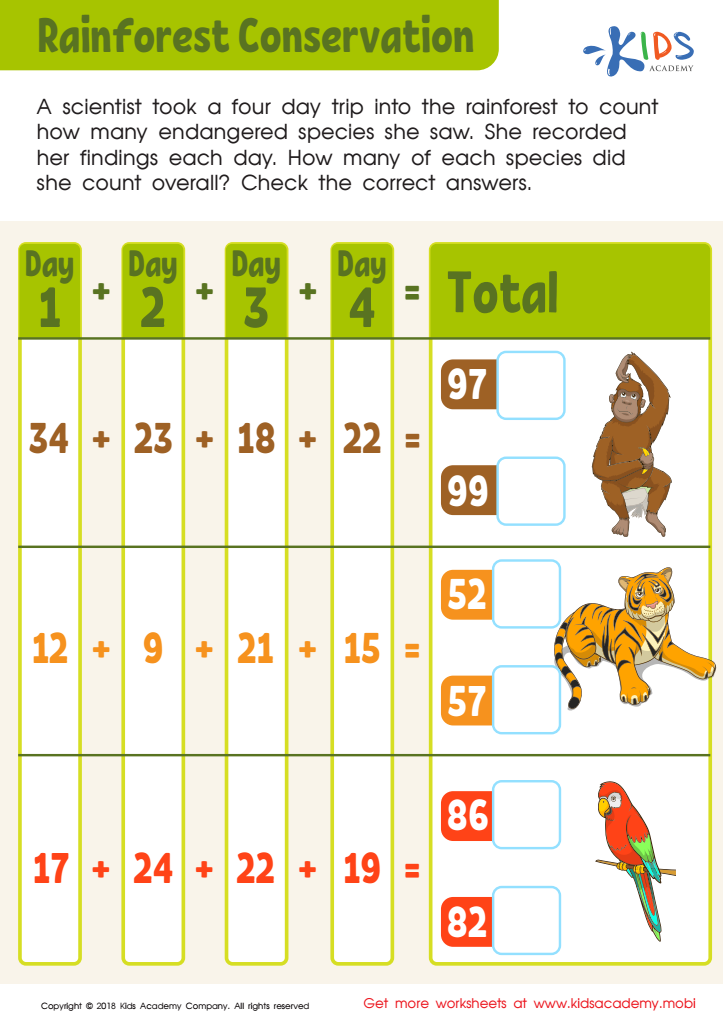
Rainforest Conservation Worksheet
Explain to your child what a rainforest is and why it's important. A scientist took a four-day trip to count endangered species. Let your child count how many of each species were seen in total. Check the answers and help them understand.
 Assign to My Students
Rainforest Conservation Worksheet
Worksheet
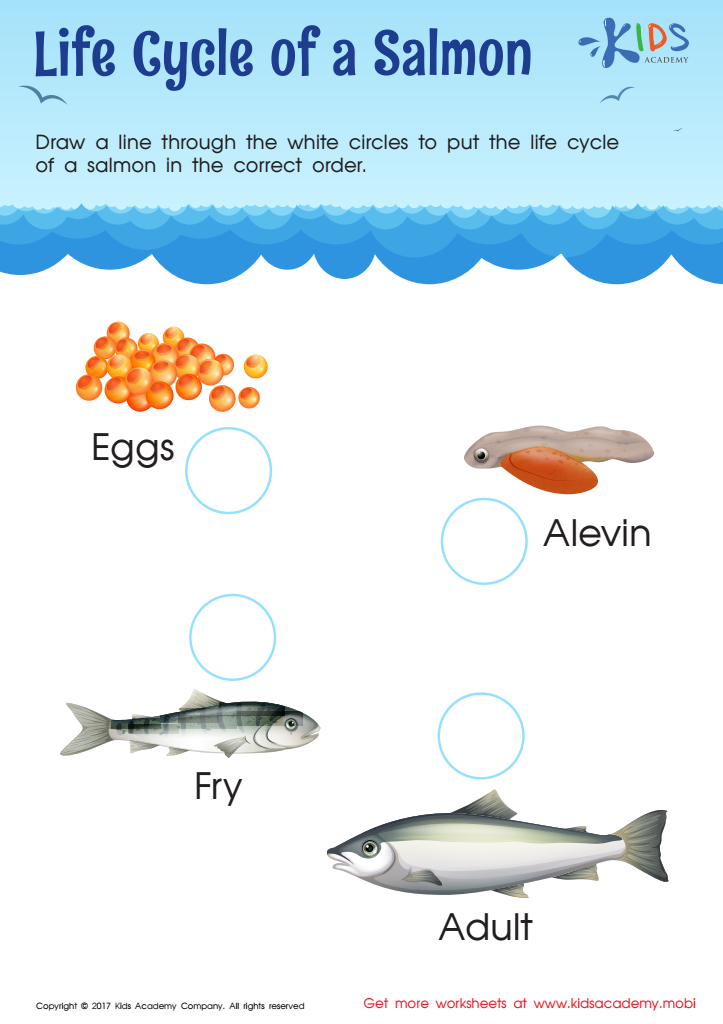
Cycle Of Salmon Worksheet
Explore the life cycle of a salmon with this grade 2 worksheet! Kids will learn by arranging the stages of the salmon's lifecycle in order. Science activities in this set cover a wide range of lifecycles in nature.
Cycle Of Salmon Worksheet
Worksheet
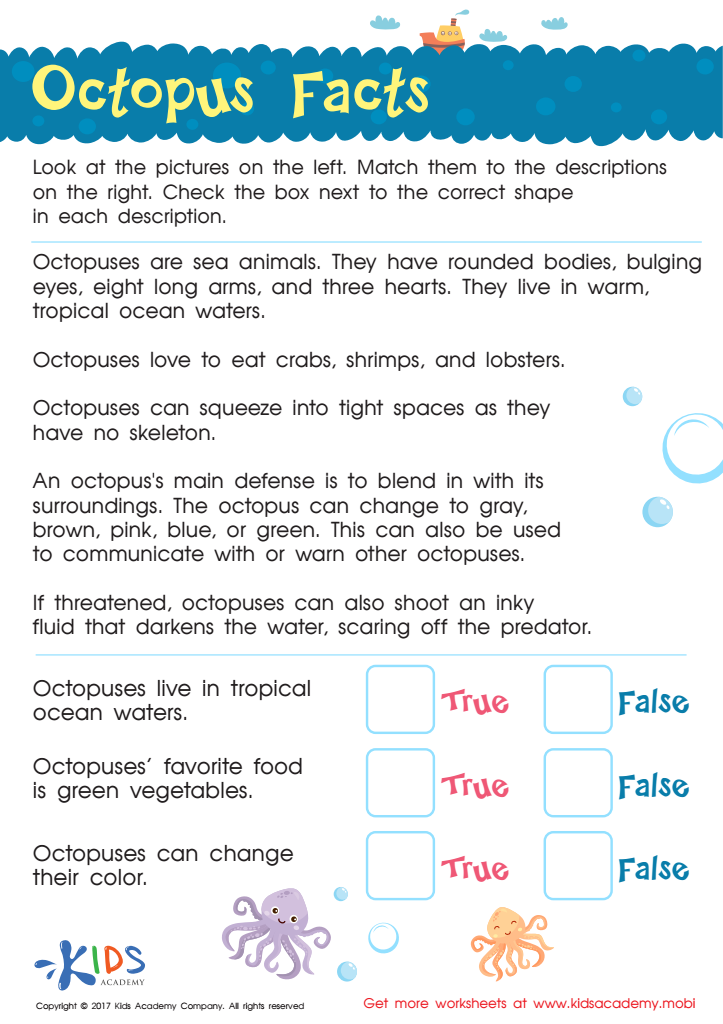
Octopus Facts Worksheet For Kids
Let your child dive into the world of octopuses with this fun worksheet. It offers invaluable practice in reading non-fiction texts, while they learn interesting facts about these strange sea creatures. It's a great way to help them hone their skills in reading comprehension.
Octopus Facts Worksheet For Kids
Worksheet
Join Kids Academy for Free
Who is primarily going to use this learning content?






Parents and teachers should prioritize critical thinking skills in children, especially when introducing concepts such as Normal Science for 7-year-olds. At this age, children are naturally curious and beginning to question the world around them. Critical thinking nurtures this curiosity by encouraging them to observe, ask questions, and make sense of their experiences scientifically.
Normal Science, as described by philosopher Thomas Kuhn, involves the routine work of scientists in solving puzzles based on established theories. By engaging children in this process through fun and age-appropriate activities, educators and parents can help them develop skills like hypothesizing, experimenting, and drawing conclusions. This not only fosters a deeper understanding of scientific concepts but also builds perseverance and resilience when faced with challenges.
Furthermore, critical thinking skills have far-reaching implications beyond science. They enhance problem-solving abilities, improve decision-making processes, and prepare children for future academic pursuits and real-world situations. By actively cultivating these skills, adults can empower children to become independent thinkers who approach problems thoughtfully rather than passively accepting information, ultimately preparing them for lifelong learning and adaptation in an ever-evolving world.







