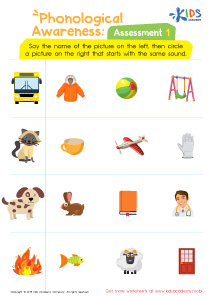
Word identification Normal Elementary Phonics Worksheets for Ages 8-9
3 filtered results
-
From - To
Enhance your child's reading skills with our "Word Identification Normal Elementary Phonics Worksheets" designed specifically for ages 8-9. These engaging and interactive worksheets focus on foundational phonics principles to help young learners recognize and identify words efficiently. Each exercise promotes vocabulary development, phonemic awareness, and reading comprehension. With captivating illustrations and varied activities, your child will stay motivated and enjoy mastering crucial reading skills. Perfect for both classroom settings and home practice, these worksheets provide a valuable resource to support your child’s literacy journey. Introduce the joy of reading today with our thoughtfully curated phonics worksheets!
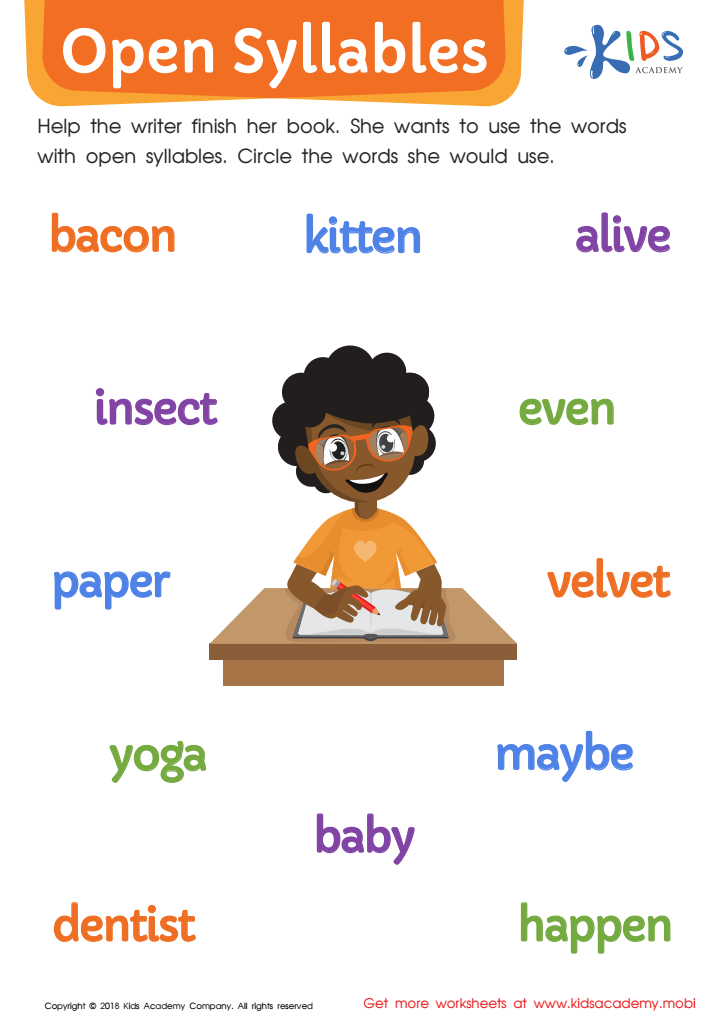
Open Syllables Worksheet
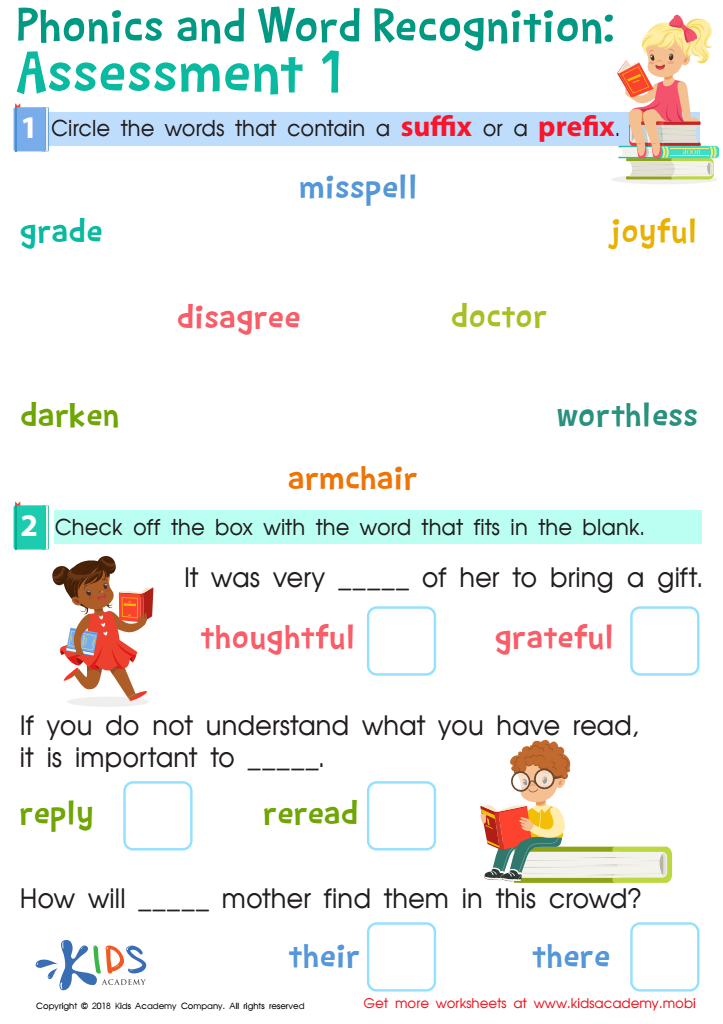
Phonics and Word Recognition: Assessment 1 Worksheet
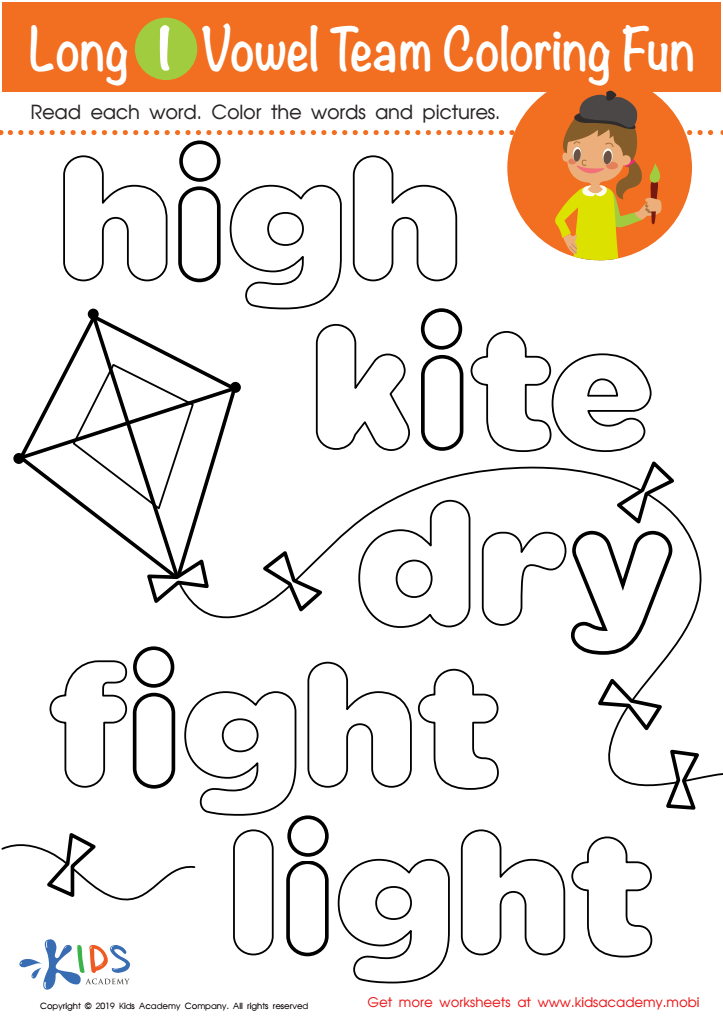
Long I Vowel Team Coloring Worksheet
 Assign to My Students




Word identification is crucial for children aged 8-9, particularly through the framework of Normal Elementary Phonics. At this developmental stage, children are transitioning from learning to read to reading to learn. Effective word identification skills enable students to decode unfamiliar words, which, in turn, enhances their reading fluency and comprehension. A strong foundation in phonics equips children with the tools needed to break down complex words into manageable parts, fostering greater confidence and independence in their reading abilities.
Additionally, phonics instruction encourages critical thinking and problem-solving skills, as children learn to apply their knowledge of letter-sound relationships in various contexts. This not only supports their literacy growth but also aids in their overall academic performance across all subjects. Furthermore, children who struggle with word identification may become disinterested in reading, impacting their learning and love for literature.
For teachers and parents, understanding and prioritizing Normal Elementary Phonics is essential to ensure children develop robust reading skills. Regular practice and reinforcement of phonics skills at home and in educational settings create a comprehensive support system, promoting lifelong reading habits and academic success. Engaging with phonics ultimately cultivates a sense of achievement in children, paving the path for future learning opportunities.