Reading comprehension Normal Phonics Worksheets for Ages 8-9 - Page 2
32 filtered results
-
From - To
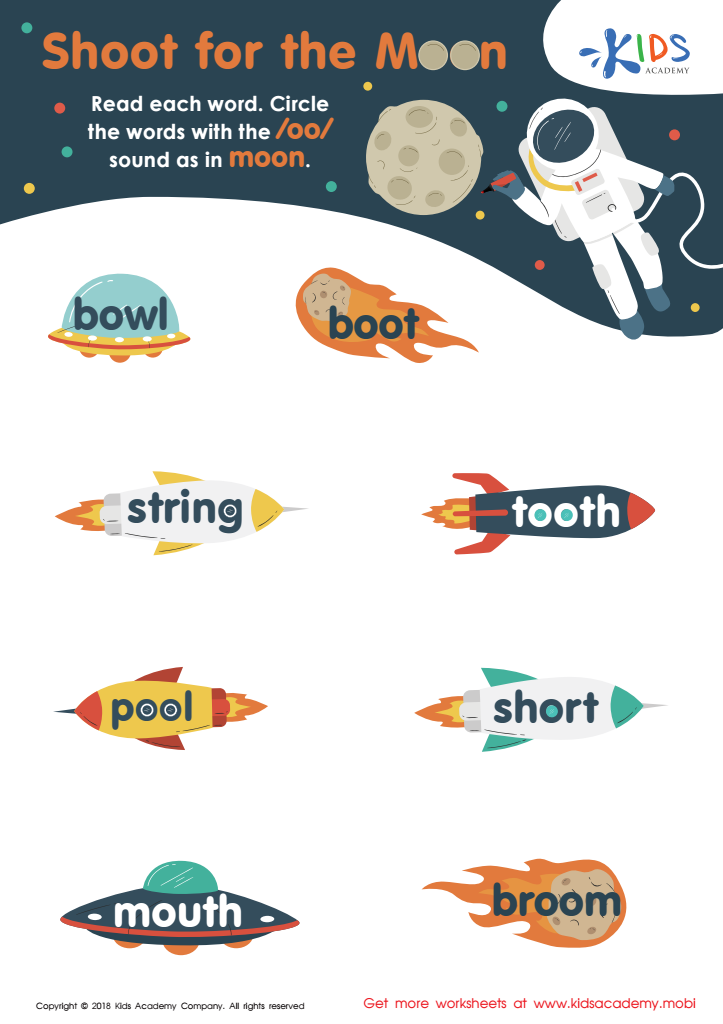
Reading: Shoot for the Moon Worksheet
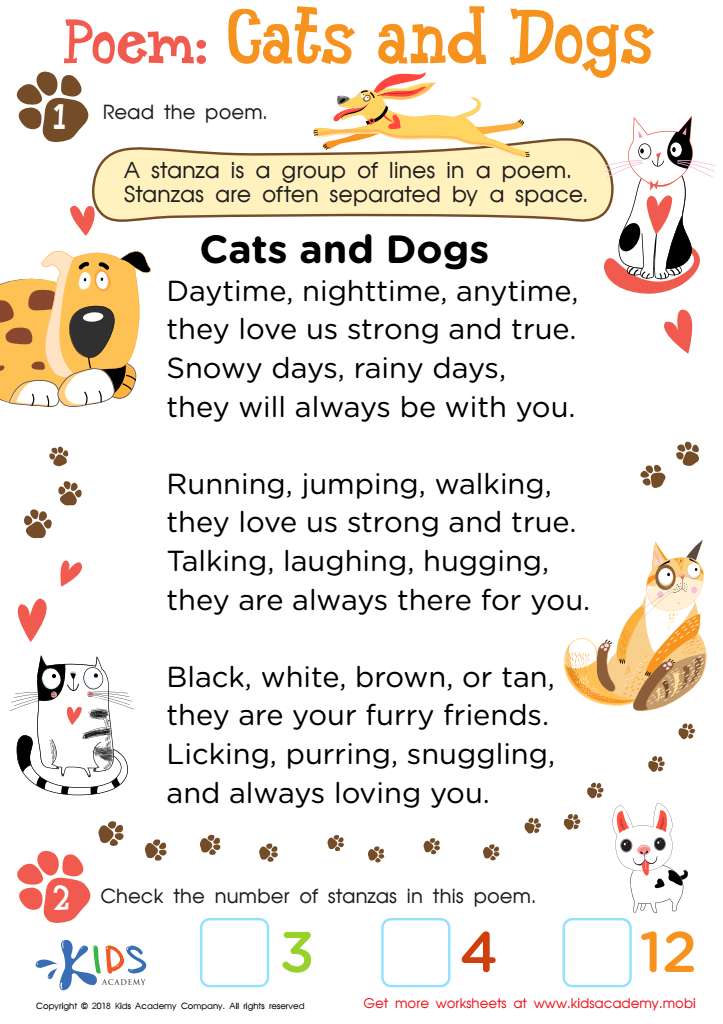
Poem: Cats and Dogs Worksheet
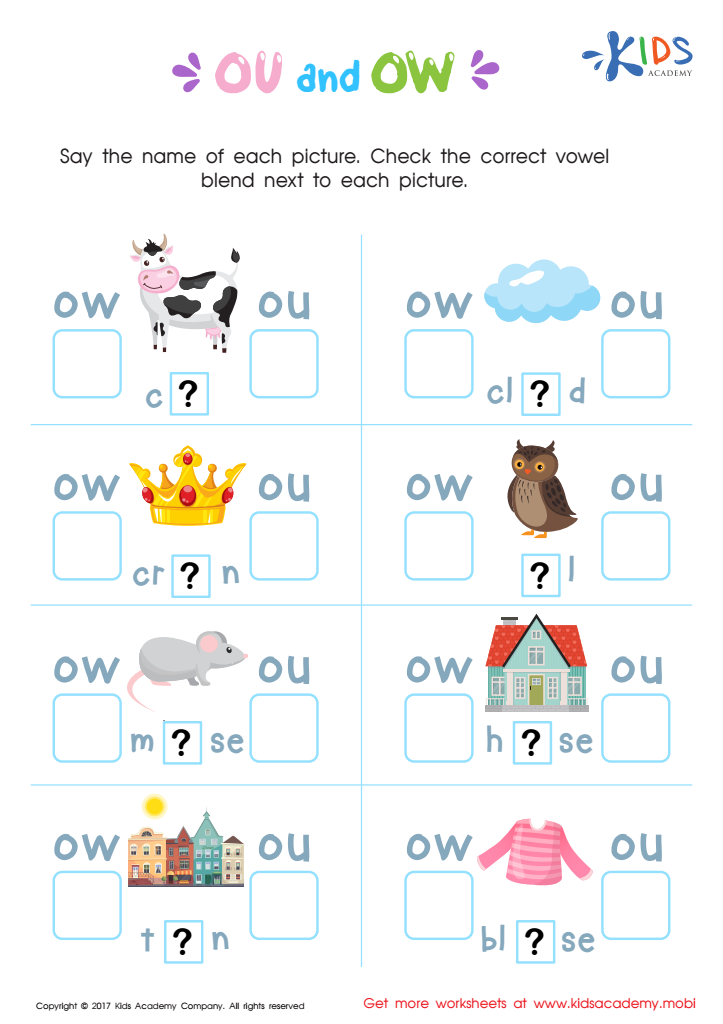
OU and OW Words Worksheet
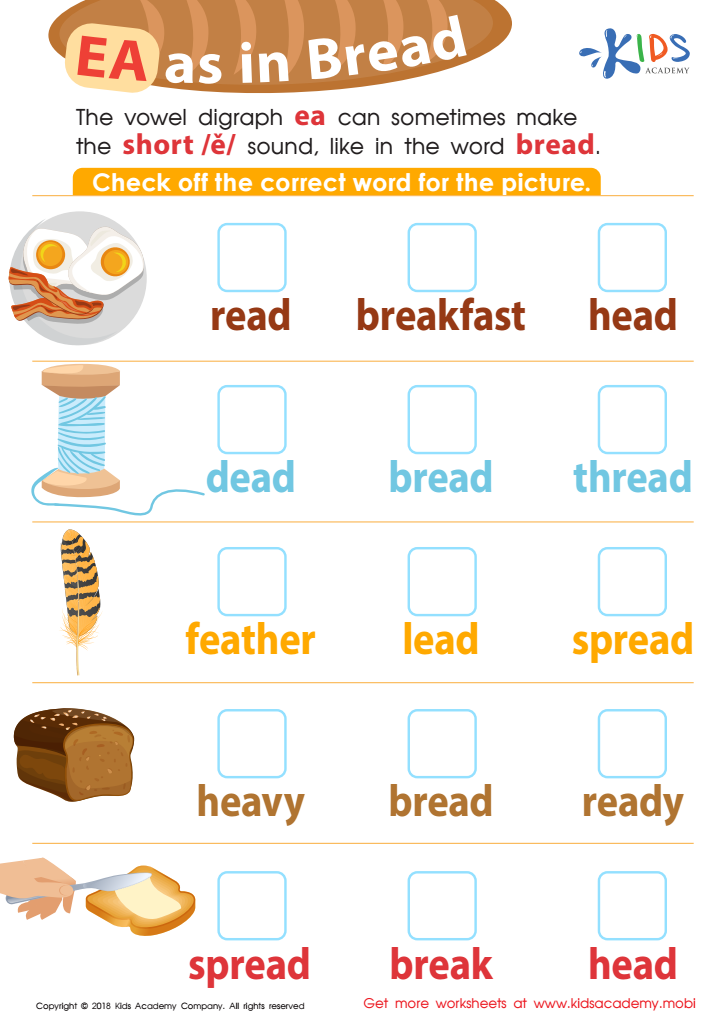
Reading: EA as in Bread Worksheet
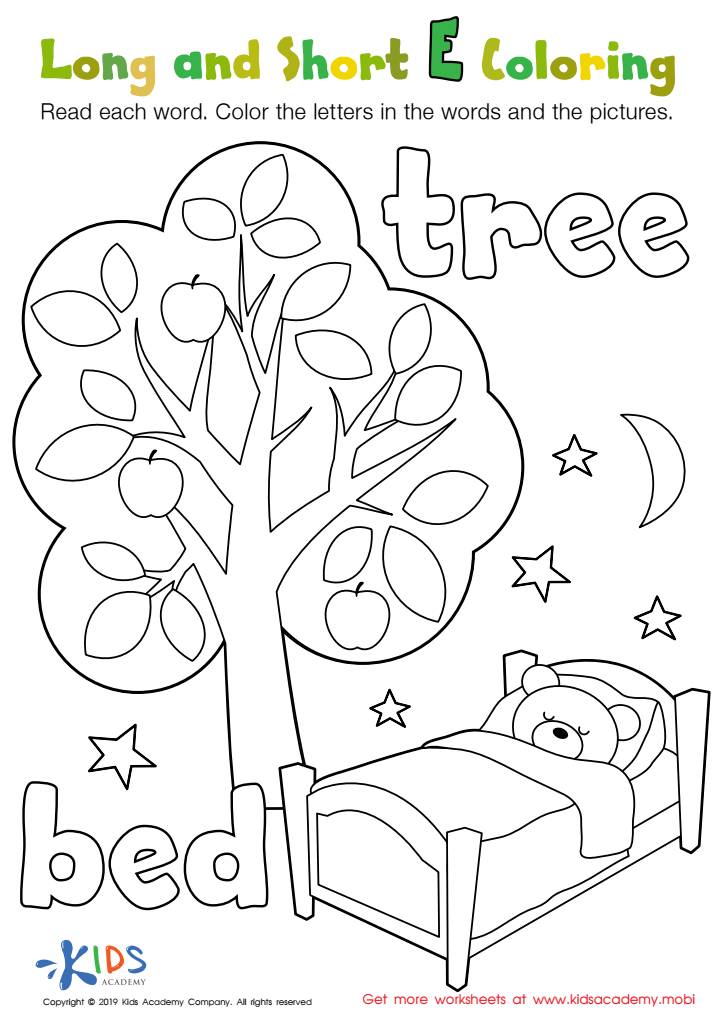
Long and Short E Worksheet
 Assign to My Students
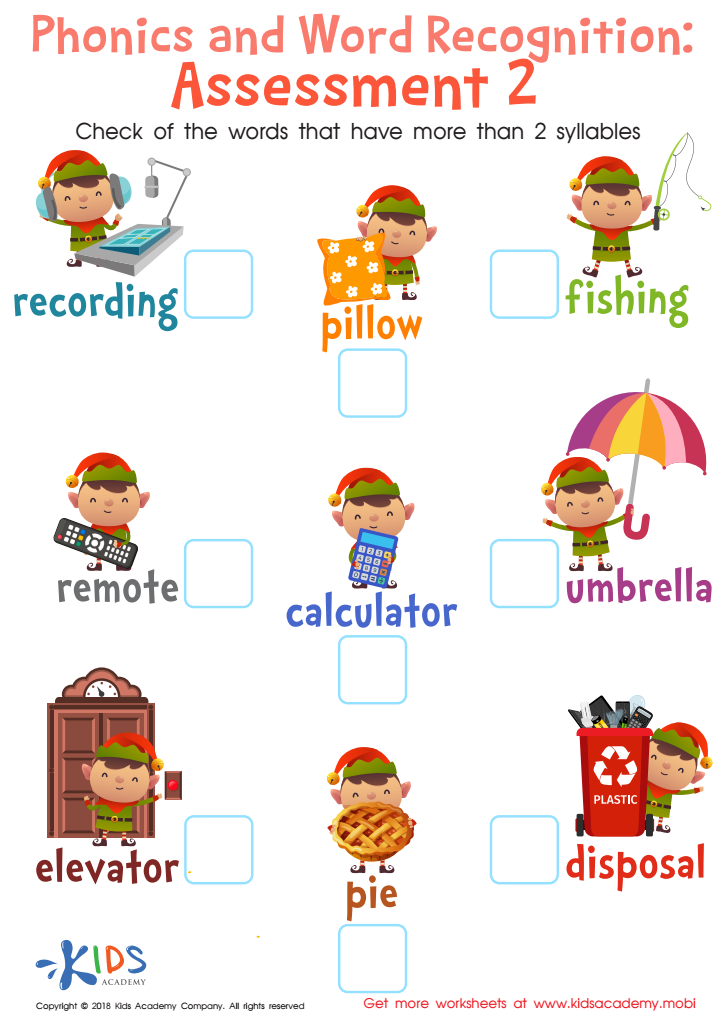
Phonics and Word Recognition: Assessment 2 Worksheet
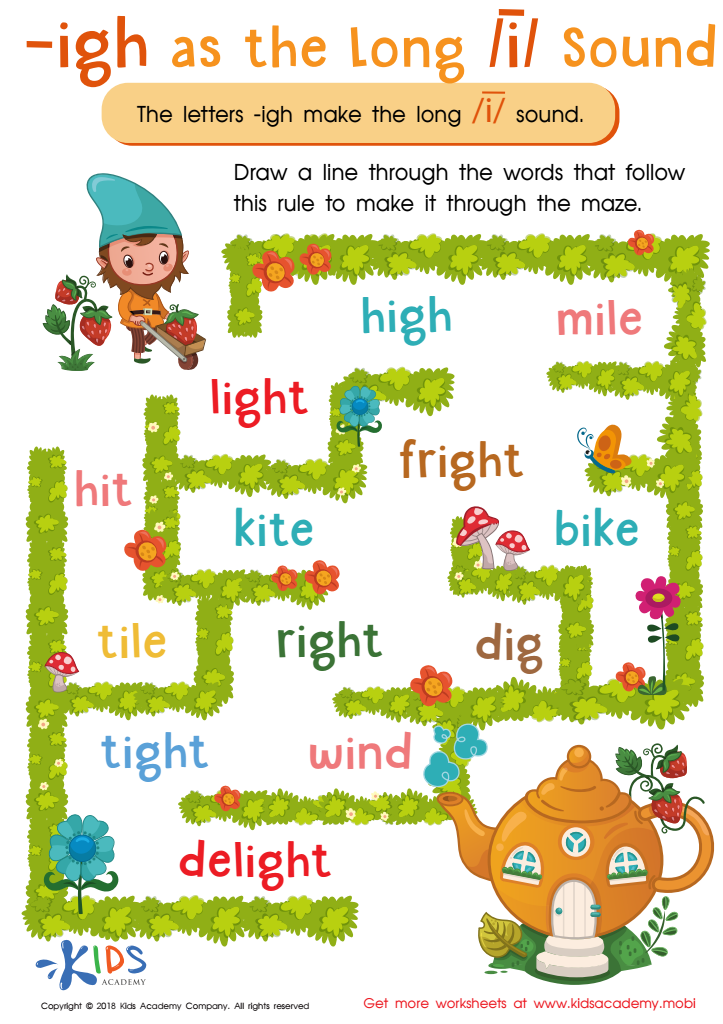
Reading: IGH as Long I Worksheet
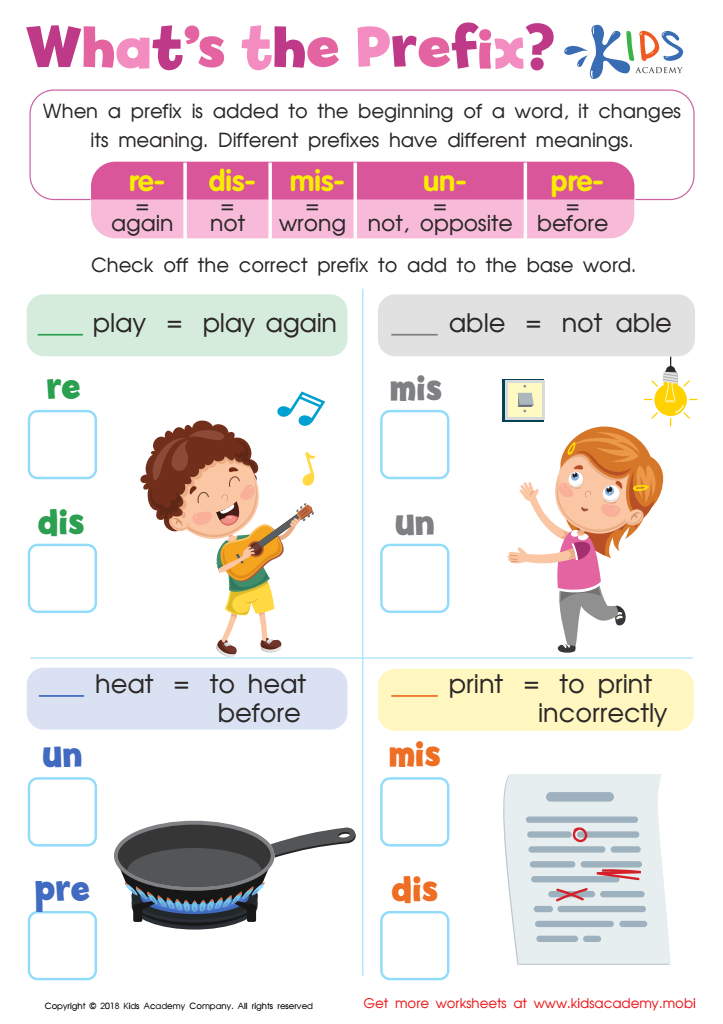
Reading: What Is the Prefix Worksheet








Reading comprehension and phonics are essential components of literacy development for children ages 8-9. At this stage, students are transitioning from learning to read to reading to learn, making comprehension skills critical. Strong reading comprehension enables children to understand and engage with different texts, fostering a love for reading while enhancing their vocabulary, critical thinking, and ability to process information.
Normal phonics instruction provides the foundational skills necessary for decoding words, which is particularly important as students encounter more complex texts. Mastering phonics ensures children can confidently tackle unfamiliar words, promoting independence and enthusiasm when approaching new materials.
Moreover, reading comprehension nurtures empathy and perspective-taking as children engage with diverse narratives and characters. Parents and teachers serve as vital influences in this aspect; by prioritizing phonics and comprehension in reading routines, they help develop fluent and effective readers.
Ultimately, strengthening these skills lays the groundwork for academic success across subjects, emphasizing the interconnectedness of reading with broader educational outcomes. When parents and teachers invest in reading comprehension and phonics, they equip children with the tools necessary to navigate an increasingly complex world, encouraging lifelong learning and curiosity.







