Alphabet tracing Normal Worksheets for Ages 8-9
5 filtered results
-
From - To
Enhance your child’s literacy skills with our Alphabet Tracing Normal Worksheets designed specifically for ages 8-9. These engaging worksheets provide an enjoyable way for children to practice letter formation, strengthen fine motor skills, and improve their handwriting. Featuring various exercises that encourage traceable letters, kids will gain confidence in writing both uppercase and lowercase letters. Perfect for home or classroom use, our worksheets support multiple learning styles and offer visual stimulation to keep young learners motivated. Foster a love of language and help your child master the alphabet with these fun, interactive tracing activities! Printable and easy to use, they’re a great addition to any learning routine.

Letter P Tracing Page
 Assign to My Students
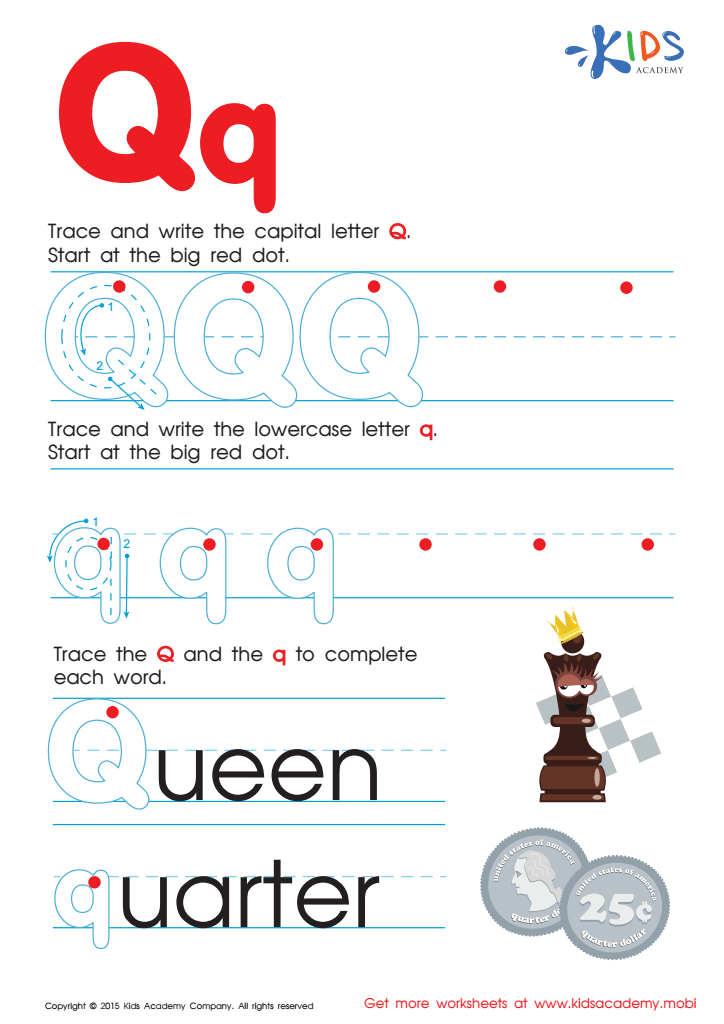
Letter Q Tracing Page

Letter H Tracing Page
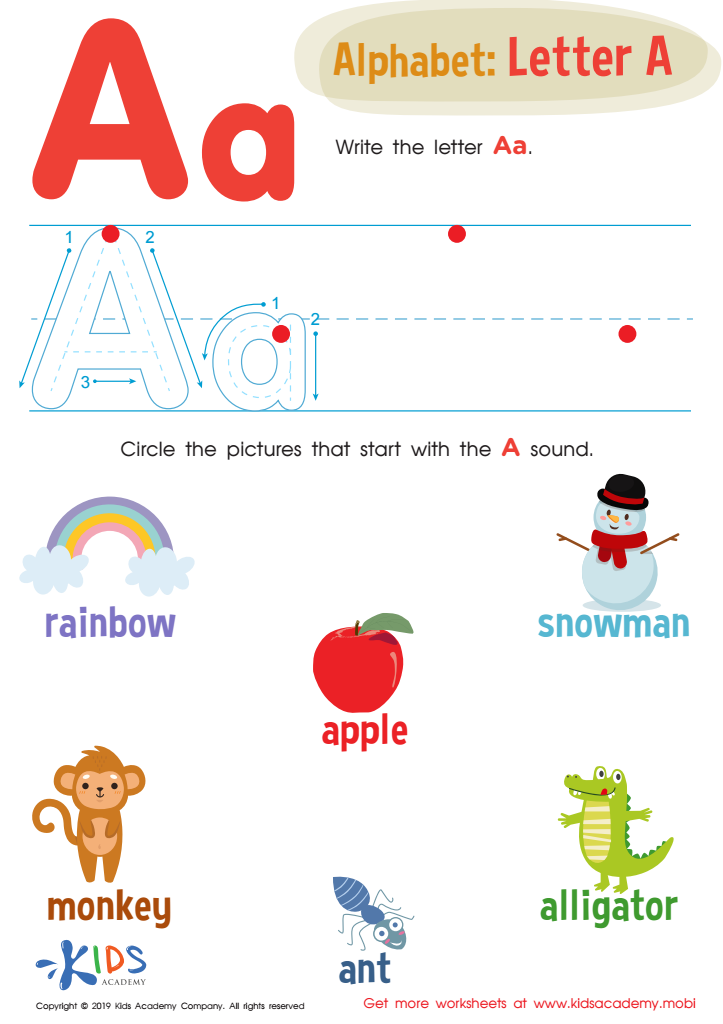
Letter A Tracing Worksheet

Letter D Tracing Page








Alphabet tracing for children aged 8-9 is an essential educational activity that promotes several critical skills and developmental benefits. First and foremost, this age group still benefits from practicing letter formation, which reinforces fine motor skills necessary for writing. Mastery of proper letter shapes contributes to improved handwriting clarity, fostering a sense of pride and confidence in their writing abilities.
Additionally, tracing letters can enhance cognitive associations between letters and sounds, reinforcing early literacy skills. As children meticulously trace each character, they may also practice phonics, leading to better reading proficiency down the line. This foundational knowledge is crucial, as reading skills develop significantly during these years.
Moreover, tracing letters can serve as a mindful activity, allowing children to focus and reduce anxiety related to academics. It can be a welcoming introduction for children to move from simple letter recognition to more complex writing tasks, like forming words and sentences.
Ultimately, parents and teachers should prioritize such activities to not only enrich children’s educational experience but also support their emotional and cognitive growth. By fostering a love for writing at this age, we lay the groundwork for lifelong communication skills.








