Phonics skills development Normal Worksheets for Ages 8-9
4 filtered results
-
From - To
Enhance your child's phonics skills with our expertly designed worksheets tailored for ages 8-9. At Kids Academy, our Phonics Skills Development Normal Worksheets provide engaging and interactive practice that helps young learners improve their reading and pronunciation abilities. Our activities focus on blending sounds, recognizing patterns, and decoding words through fun exercises that maintain children’s interest and foster a love for reading. These resources are perfect for both classrooms and home learning, supporting your child's journey toward proficient reading. Empower your child's literacy foundation today with our effective phonics worksheets!
For access, visit Kids Academy.
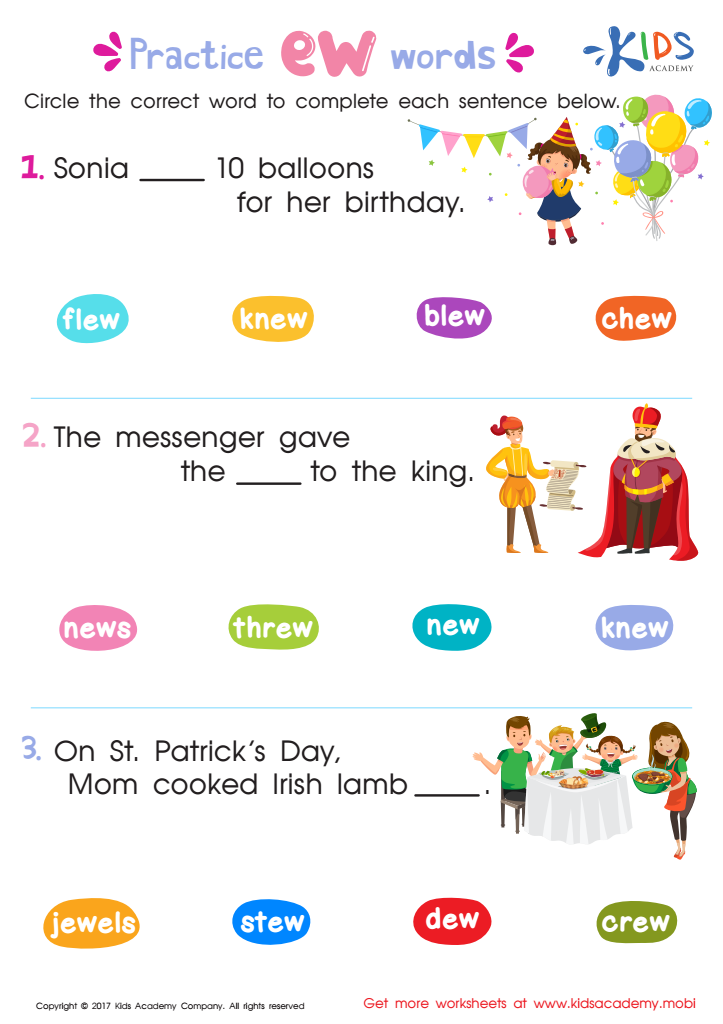
EW Words Worksheet
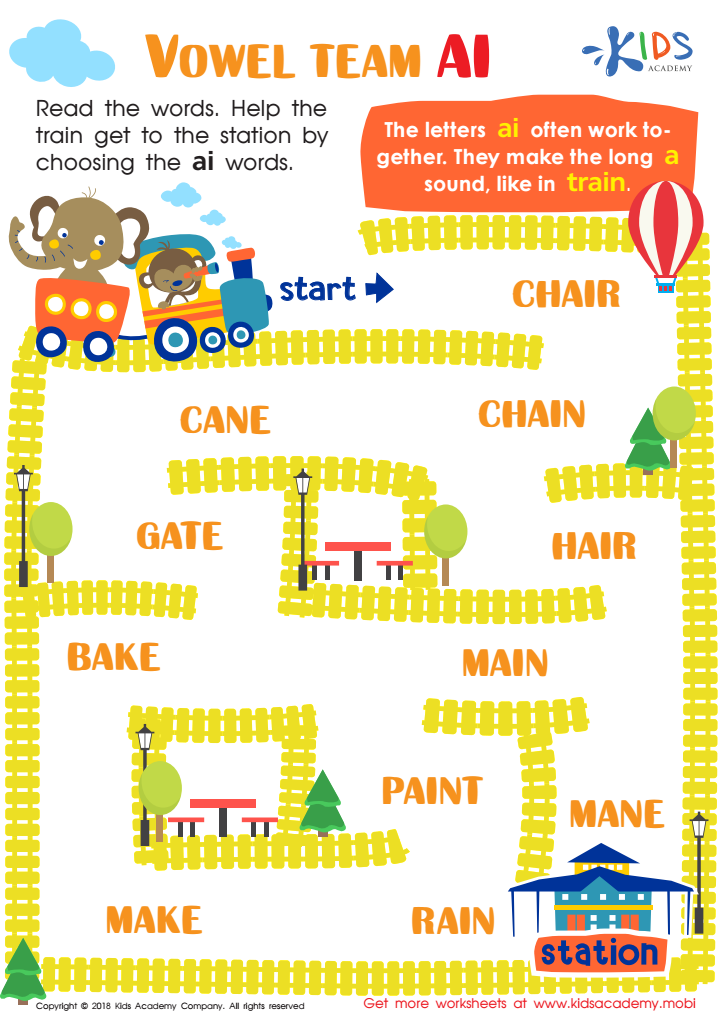
Vowel team ai Worksheet
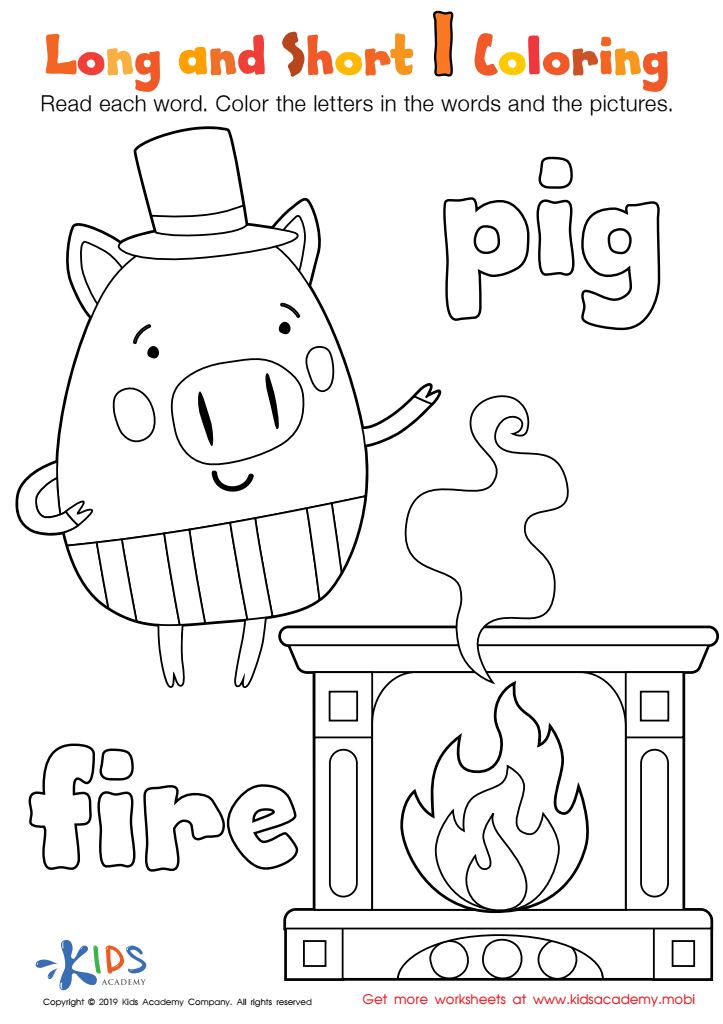
Long and Short I Worksheet
 Assign to My Students
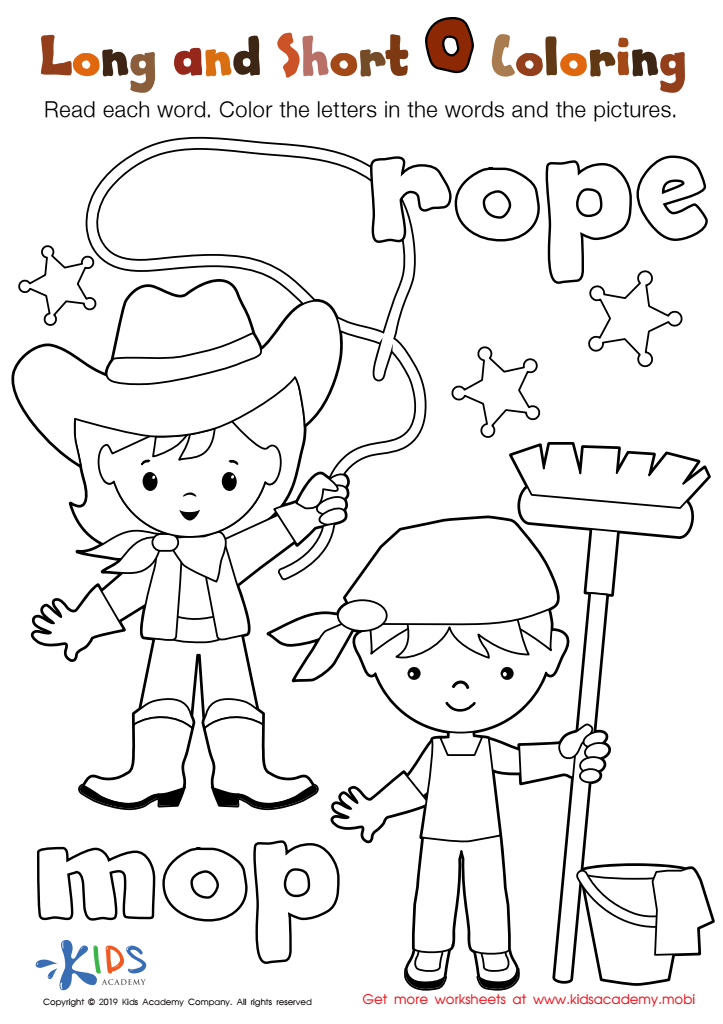
Long and Short O Worksheet
Assign to My Students







Phonics skills development is crucial for children ages 8-9 as it forms the foundation for proficient reading and writing abilities in their future academic journey. This is a pivotal age where children transition from learning to read to reading to learn. By mastering phonics, children become better equipped to decode unfamiliar words, enhance their reading fluency, and improve overall comprehension. This foundational skill not only boosts academic confidence but also fosters a love for reading.
For teachers, emphasizing phonics ensures structured literacy instruction, allowing children to systematically understand the relationship between letters and sounds. This brings about consistency, helping children to apply phonics rules across different contexts, which can significantly reduce reading difficulties or dyslexia indications in later stages.
For parents, supporting phonics development at home solidifies the skills taught in school, creating a continuous learning environment. Engaging in phonics-based activities, such as reading together or playing word games, reinforces learning in a stimulating manner. It also offers closer ties between parents and children through shared education experiences.
In sum, phonics skill development is not just about reading words on a page; it is an instrumental part of cognitive development that supports academic success and lifelong learning. Both teachers and parents play critical, collaborative roles in ensuring children acquire these essential skills.








