Visual learning stimulation Normal Worksheets for Ages 8-9
3 filtered results
-
From - To
Unlock your child's potential with our Visual Learning Stimulation Worksheets, specifically designed for ages 8-9. These engaging resources enhance visual comprehension and critical thinking skills through interactive activities and colorful illustrations. Our worksheets focus on key concepts such as pattern recognition, spatial awareness, and visual memory, providing a fun and effective way for kids to learn. Ideal for classroom use or at-home practice, these worksheets cater to diverse learning styles, making education enjoyable and accessible. Encourage your child's creativity and analytical skills while fostering a love for learning. Explore our collection now and watch their confidence grow!
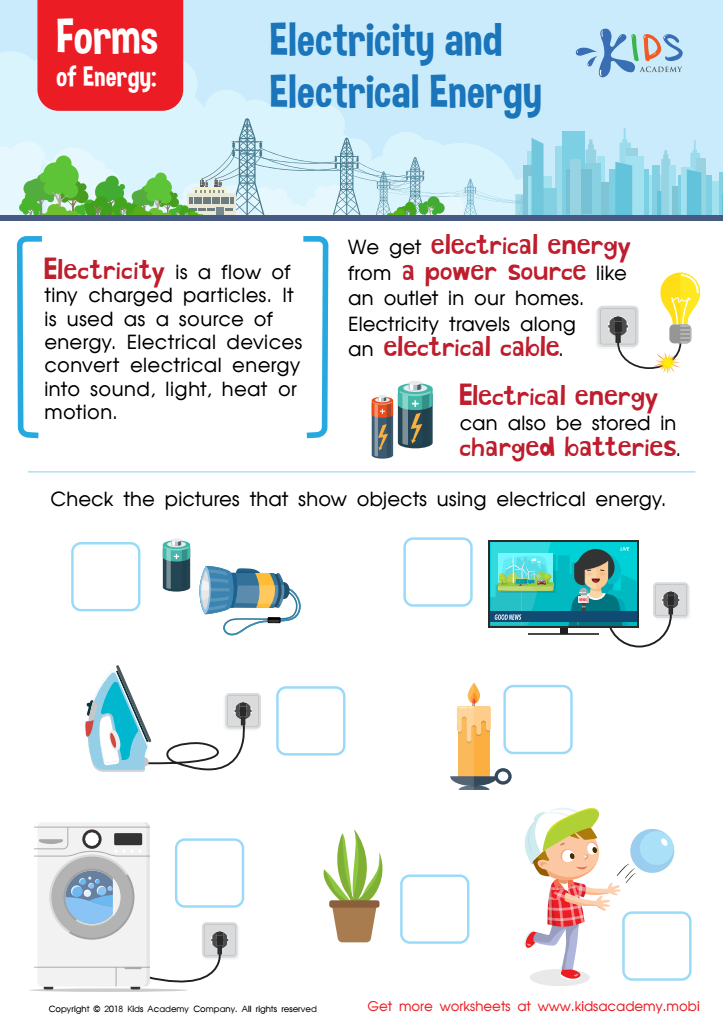
Forms of Energy Worksheet
 Assign to My Students
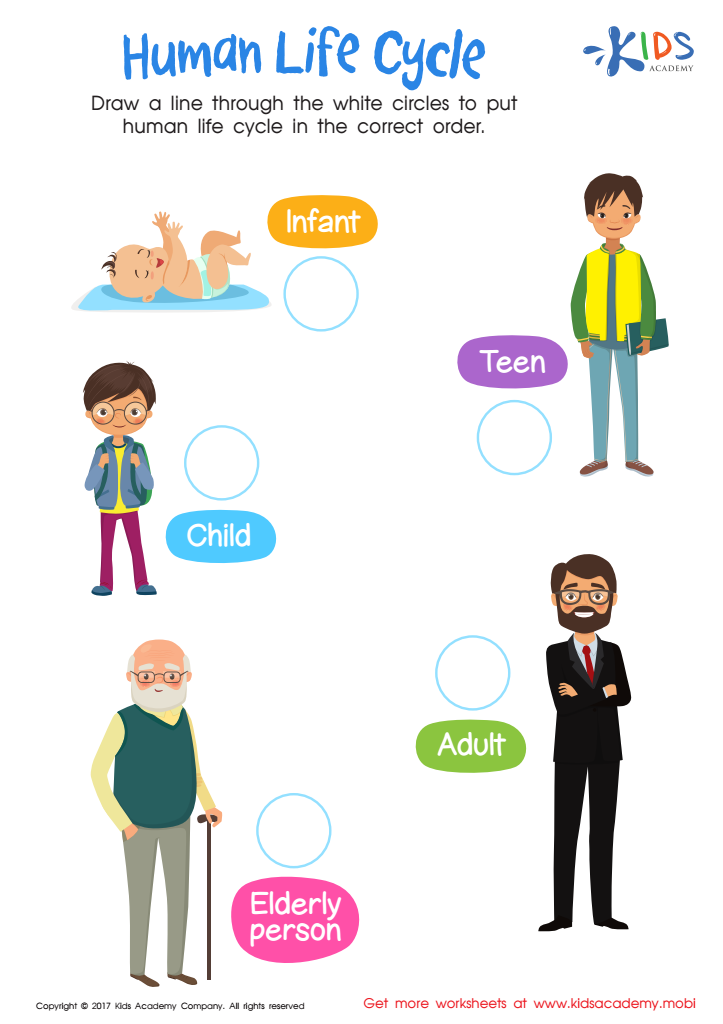
Human Life Cycle Worksheet
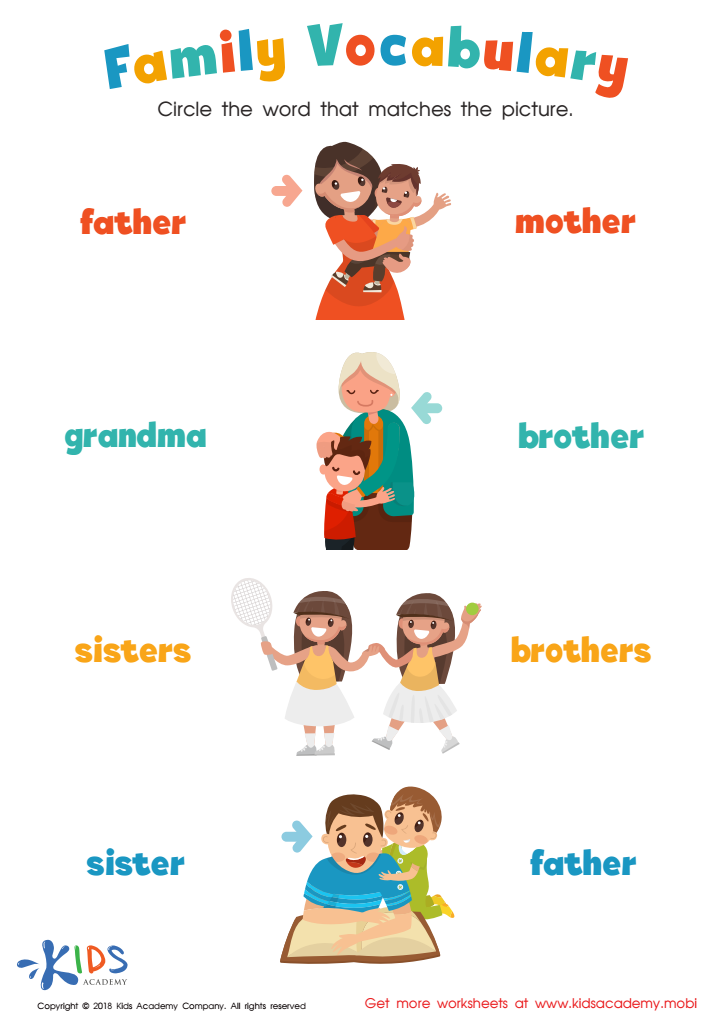
Family Vocabulary Worksheet








Visual learning stimulation is crucial for children aged 8-9 as it significantly enhances their cognitive development, comprehension, and retention of information. At this age, children are becoming more adept at processing visual information, and incorporating visual elements into education taps into their natural learning style. Engaging visuals, such as diagrams, charts, videos, and infographics, can make complex concepts easier to understand and relate to.
Parents and teachers should care about visual learning stimulation because it caters to diverse learning needs, helping visual learners grasp concepts more effectively. Visual aids can spark interest and motivation, turning learning into an interactive experience. For instance, using colorful illustrations in storybooks can encourage reading, while using visual math models can enhance problem-solving skills.
Moreover, visual learning can improve collaboration, as children may work together on projects that involve creative visual expression, promoting teamwork and communication skills. As such, understanding the benefits of visual learning can drive the innovation of teaching methods and support the development of well-rounded, confident learners prepared for future challenges. Prioritizing visual stimulation resonates not only with educational outcomes but also with nurturing a love for lifelong learning.








