Multiplication practice Normal Arrays Worksheets for Ages 8-9
3 filtered results
-
From - To
Perfect for developing young mathematicians, our "Multiplication Practice Normal Arrays Worksheets for Ages 8-9" offer a fun and engaging way for children to master multiplication concepts. Designed by educational experts, these worksheets use array models to visually represent math problems, reinforcing comprehension. Children will enjoy practicing multiplication through these interactive and colorful exercises that cater to varied learning styles. Whether used in classrooms or for at-home practice, these worksheets aim to build confidence and improve skills in key areas, laying a strong foundation for future math success. Unlock the potential for learning multiplication in an intuitive and engaging manner!
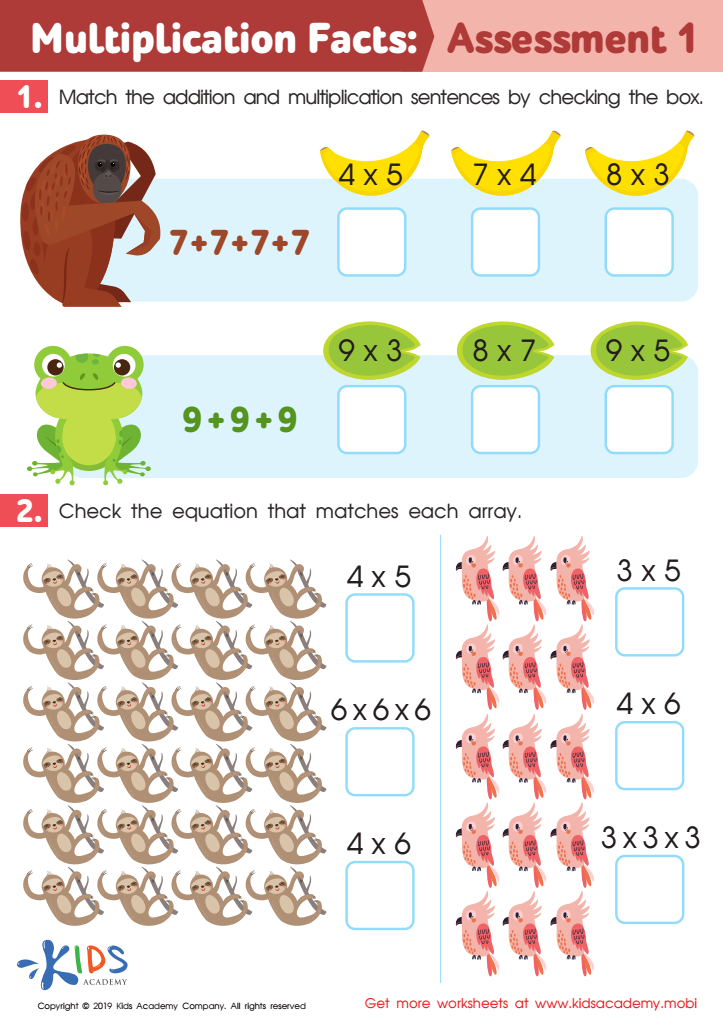
Multiplication Facts: Assessment 1 Worksheet
 Assign to My Students
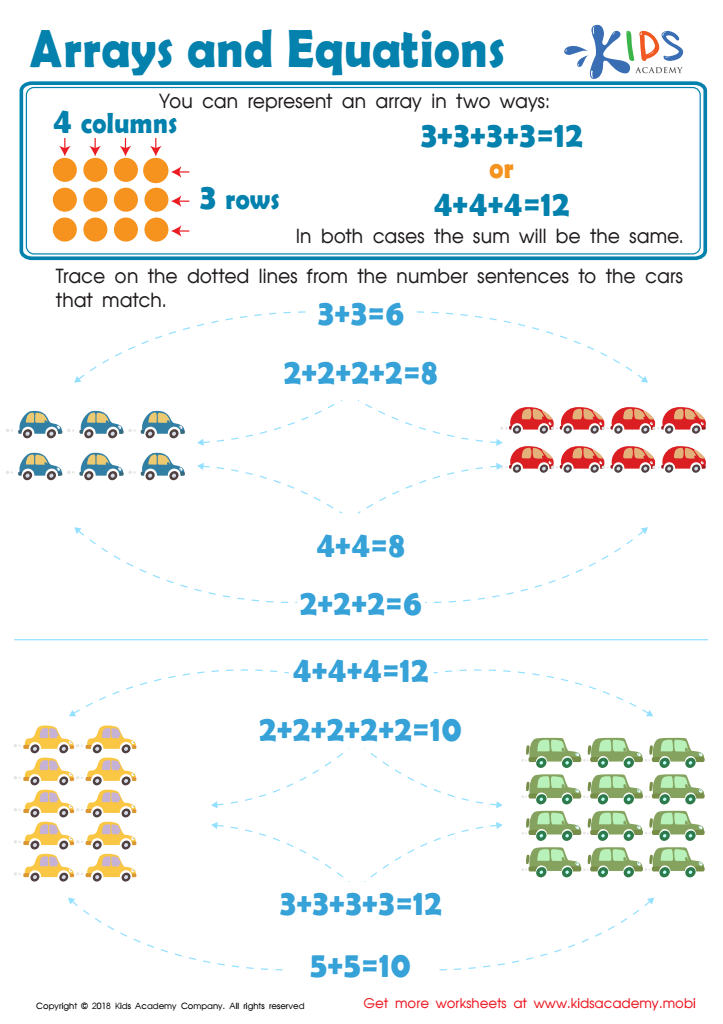
Arrays and Equations Worksheet
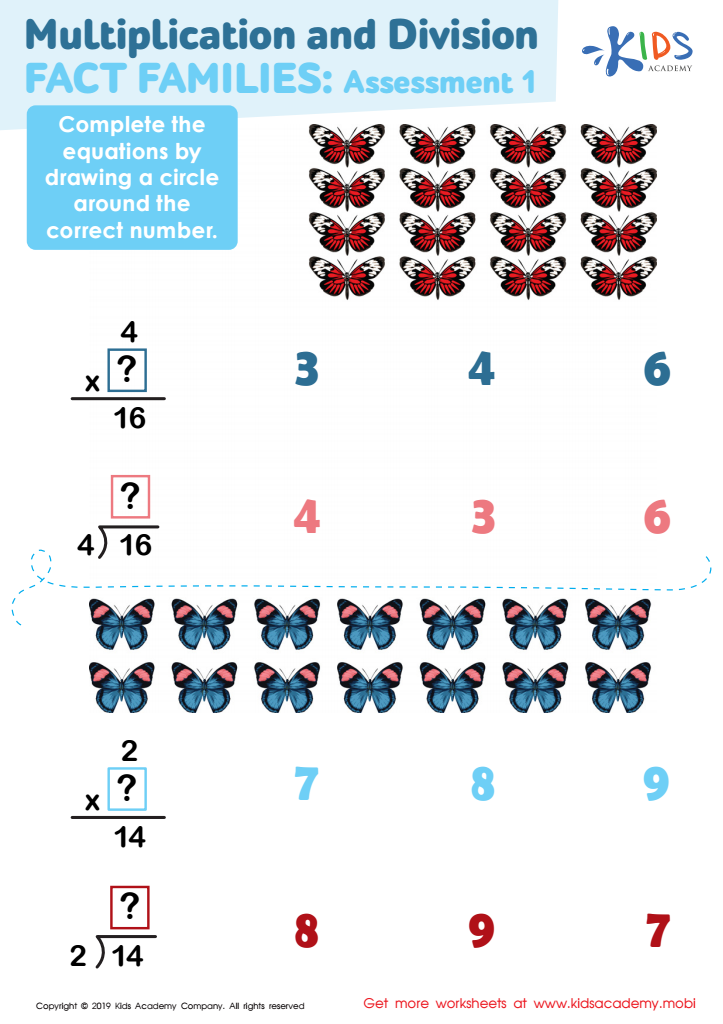
Multiplication and Division Fact Families Assessment 1 Worksheet







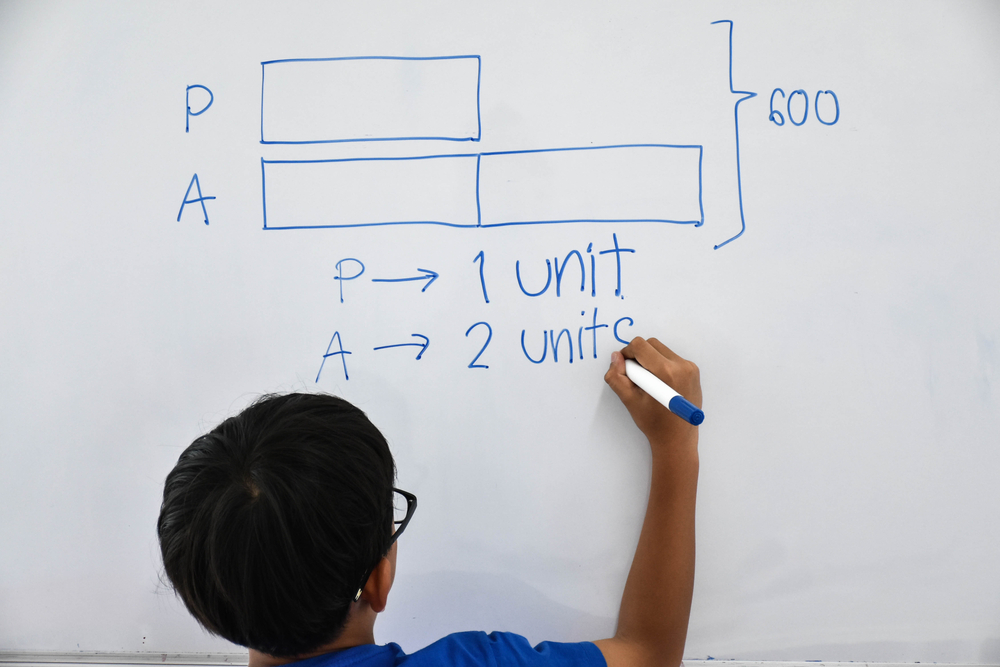
Parents and teachers should prioritize multiplication practice with normal arrays for children aged 8-9 because these foundational skills are critical for future mathematical success. At this age, children are transitioning from simple arithmetic to more complex mathematical concepts. Arrays provide a visual and organized way to comprehend multiplication, helping students understand the relationship between repeated addition and multiplication.
Normal arrays facilitate the transition from concrete to abstract thinking by allowing children to visualize groups and quantities. This builds strong number sense and strengthens mental math strategies. Through consistent practice with arrays, children develop a deeper understanding of multiplication facts, which are essential for grasping more advanced topics like division, fractions, and algebra.
Additionally, engaging with normal arrays helps students improve their problem-solving abilities and boosts their confidence in mathematics. Arrays foster critical thinking by encouraging students to explore different ways to form products. This interactive learning makes math more engaging and less intimidating, promoting a positive attitude towards the subject.
In summary, multiplication practice with normal arrays is crucial for building a robust mathematical foundation. It enhances understanding, promotes critical thinking, and prepares children for future academic challenges, making it a vital part of early math education for ages 8-9.








