Understanding place values Normal Place Value Worksheets for Ages 8-9
4 filtered results
-
From - To
Explore our "Normal Place Value Worksheets for Ages 8-9" and help your child grasp essential math concepts effortlessly. Designed by expert educators, these engaging worksheets focus on understanding place values, enabling students to distinguish between units, tens, hundreds, and beyond. Our interactive activities and carefully structured exercises ensure that children build a solid foundation in number sense, critical for their future math success. With colorful visuals and real-world examples, learning becomes fun and relatable. Nurture your child's numerical skills and confidence in math with our expertly crafted place value worksheets. Perfect for at-home learning or classroom use!
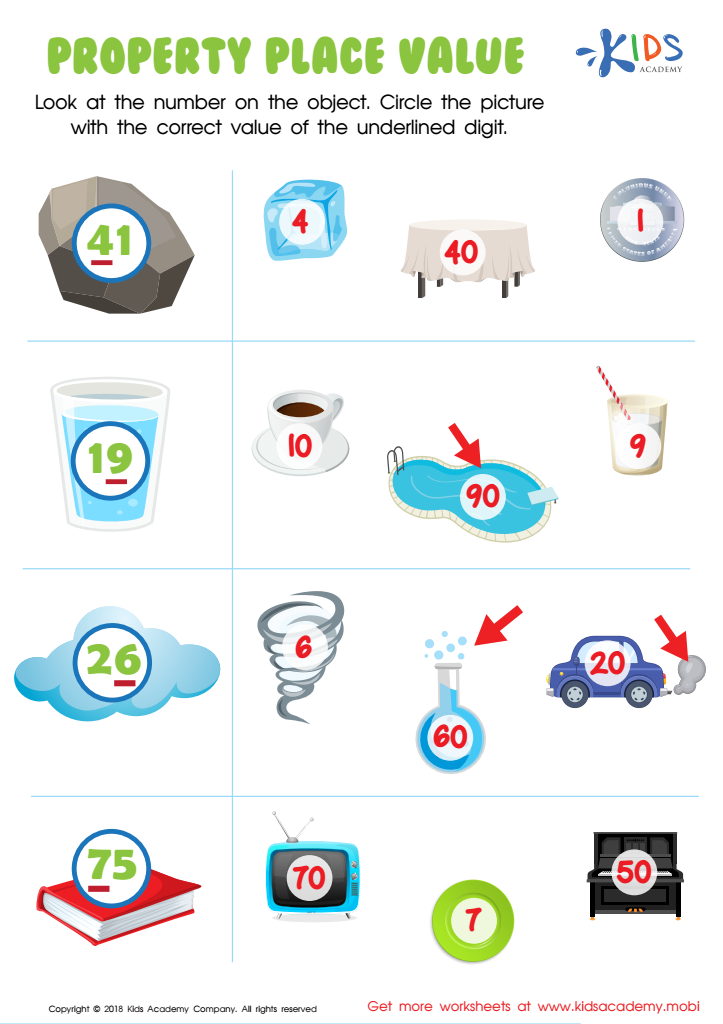
Property Place Value Worksheet
 Assign to My Students
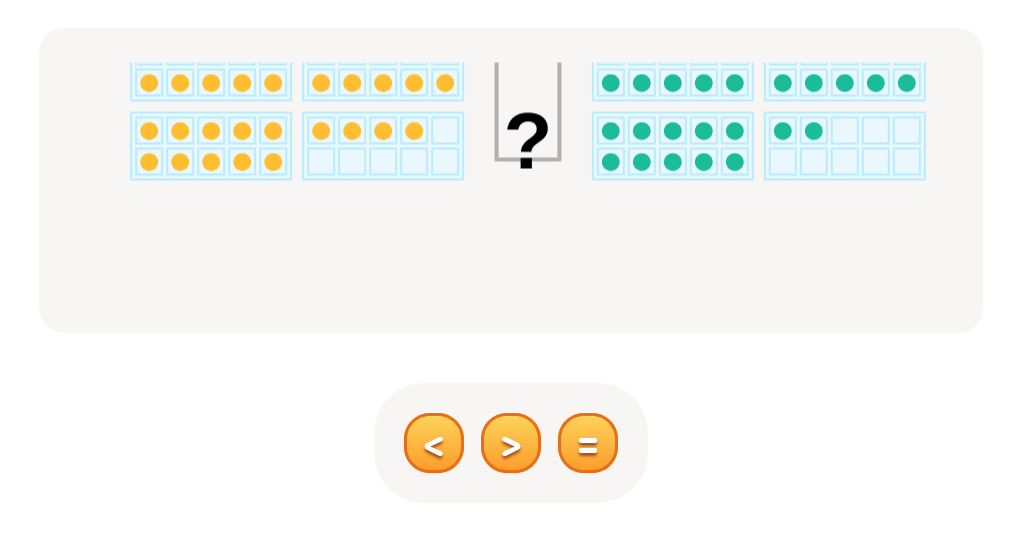

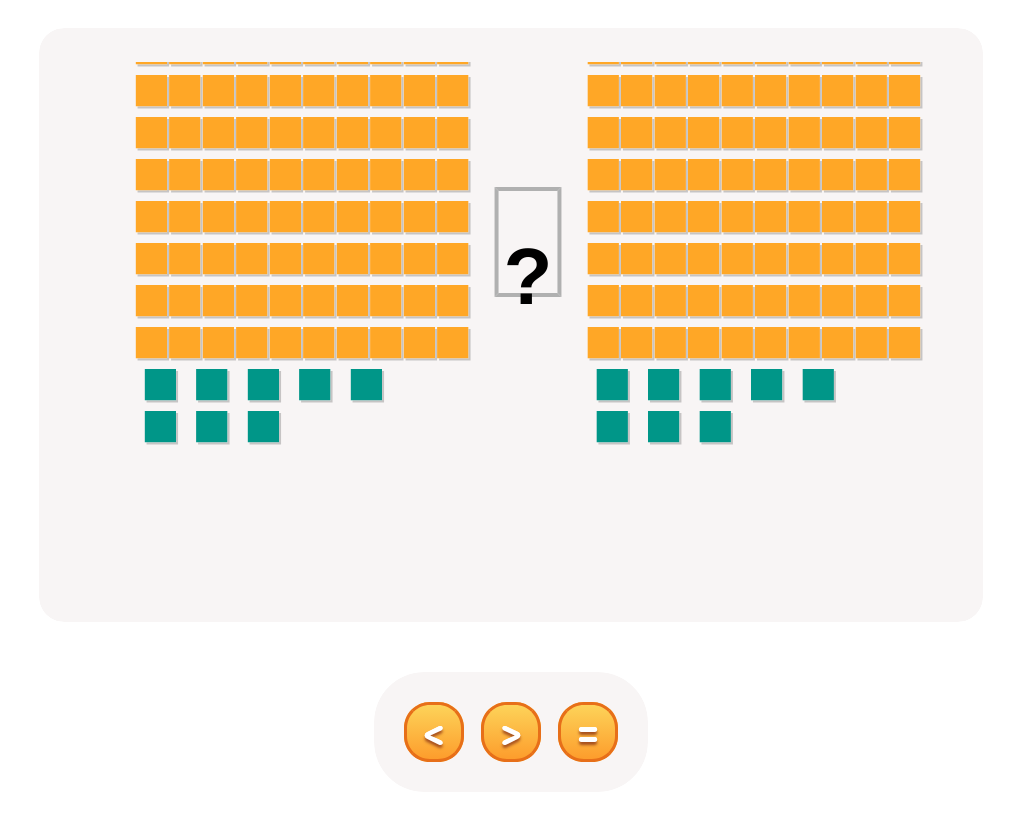
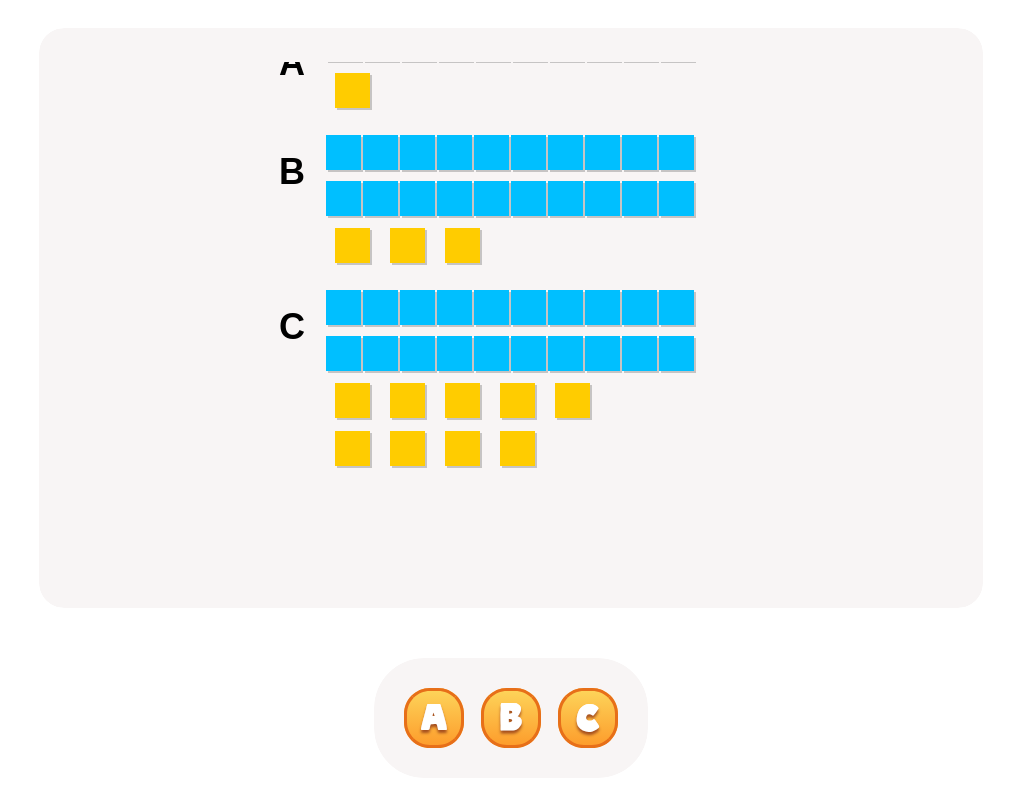
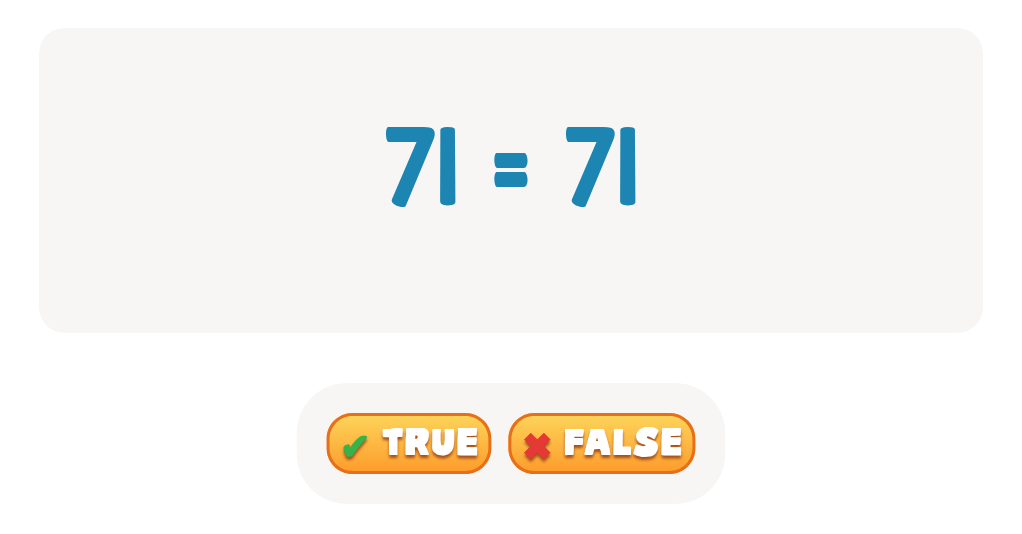
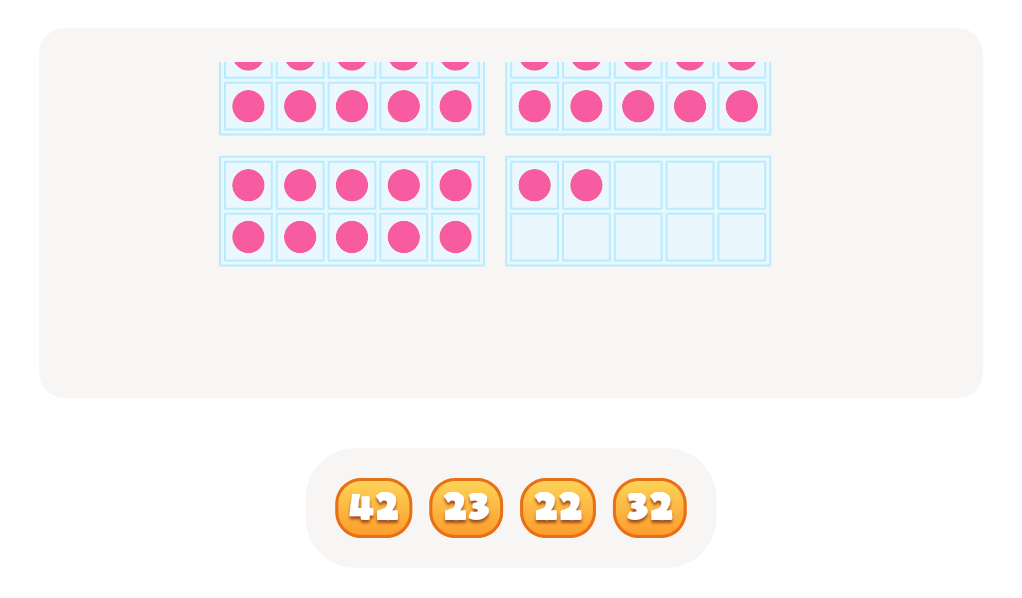
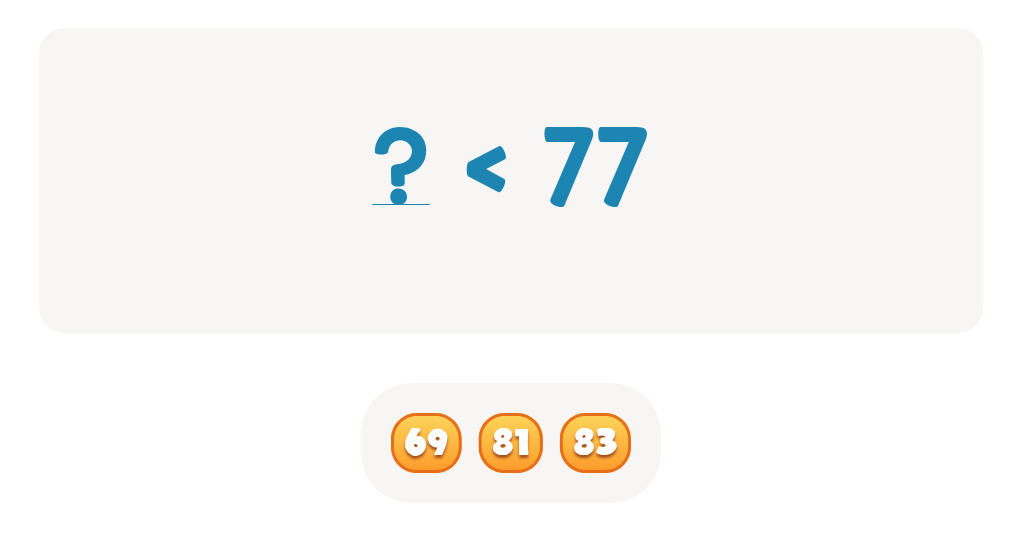
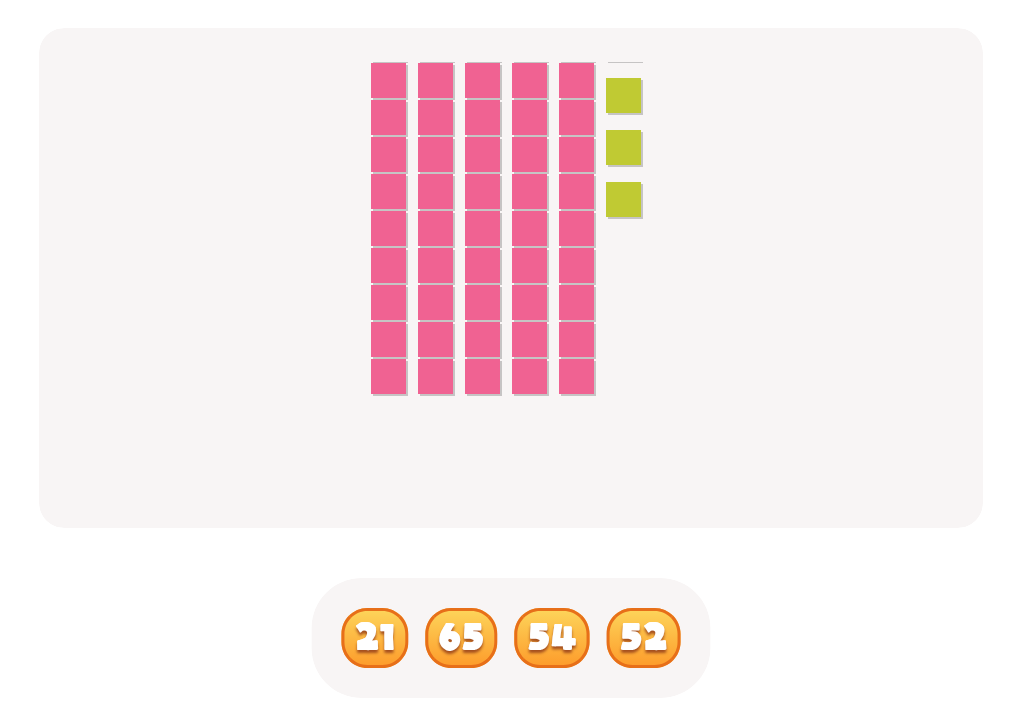
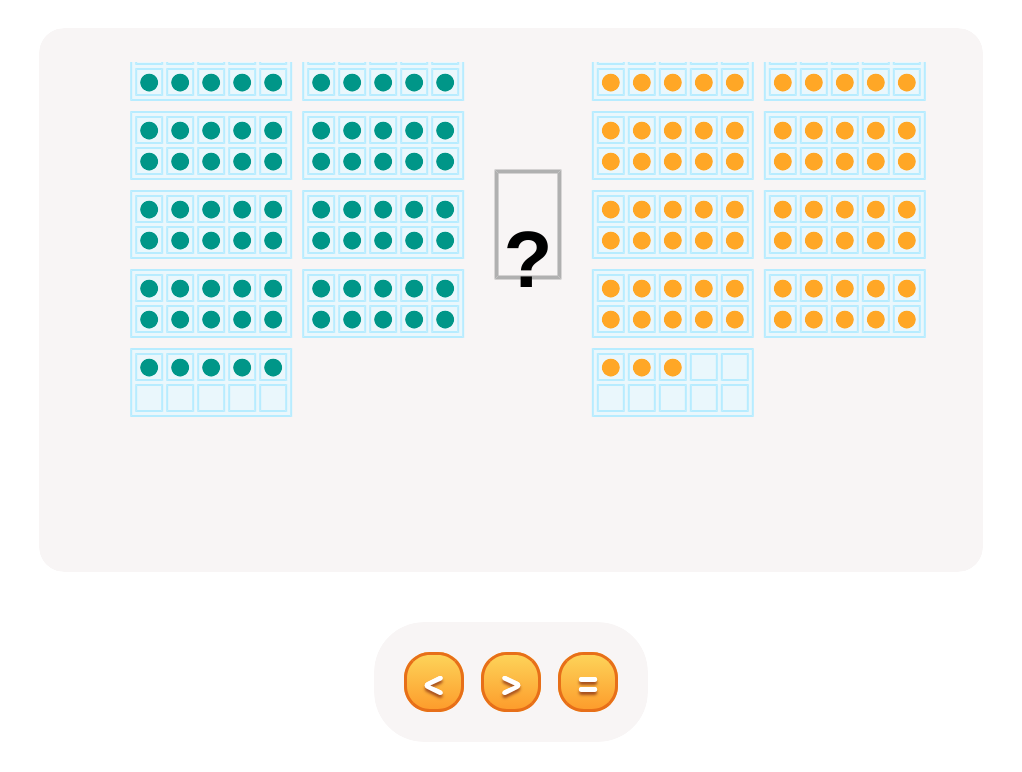
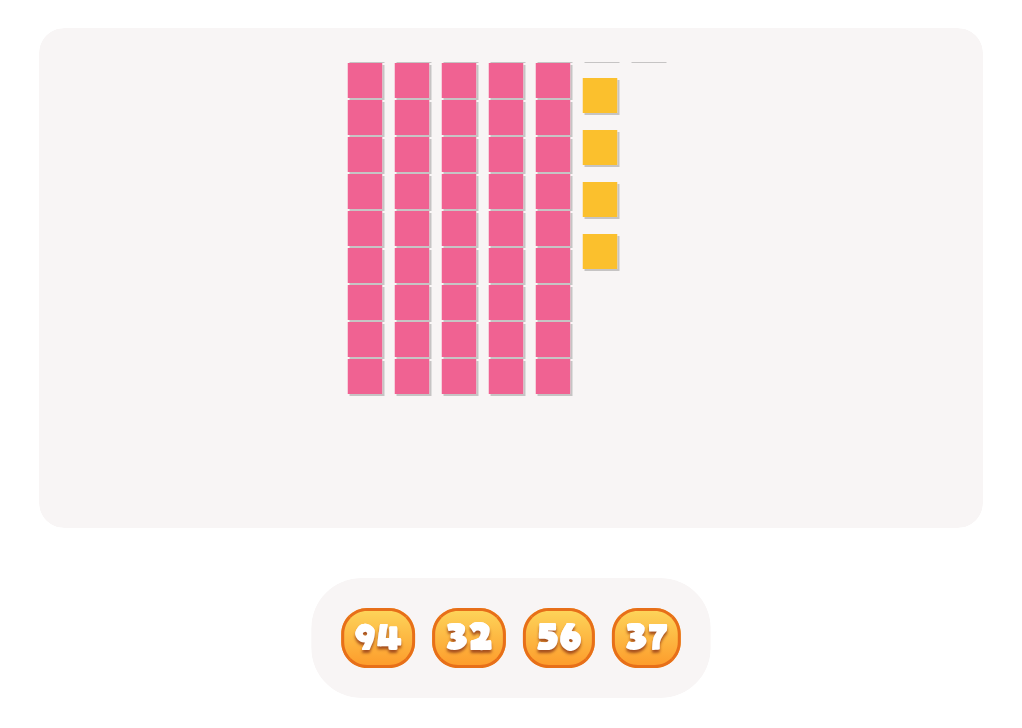
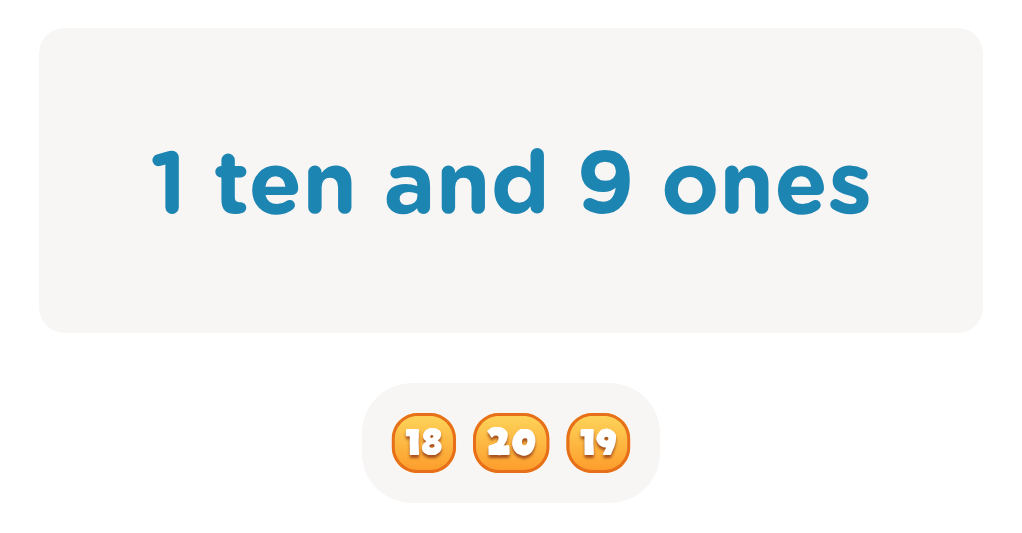
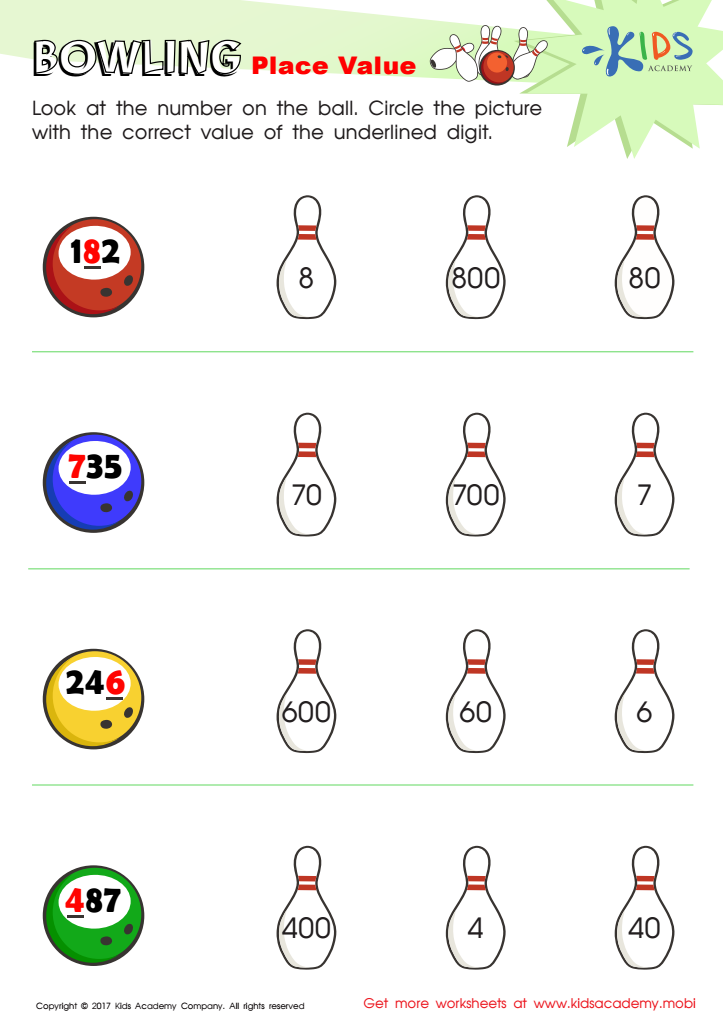
Place Value Worksheet
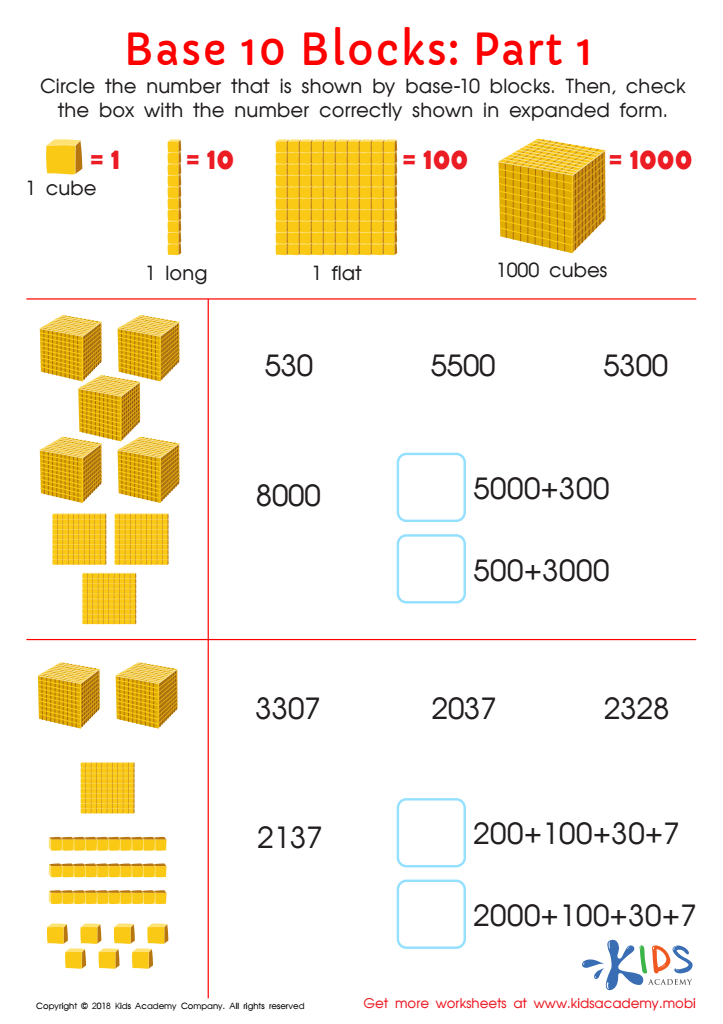
Base 10 Blocks Worksheet: Part 1
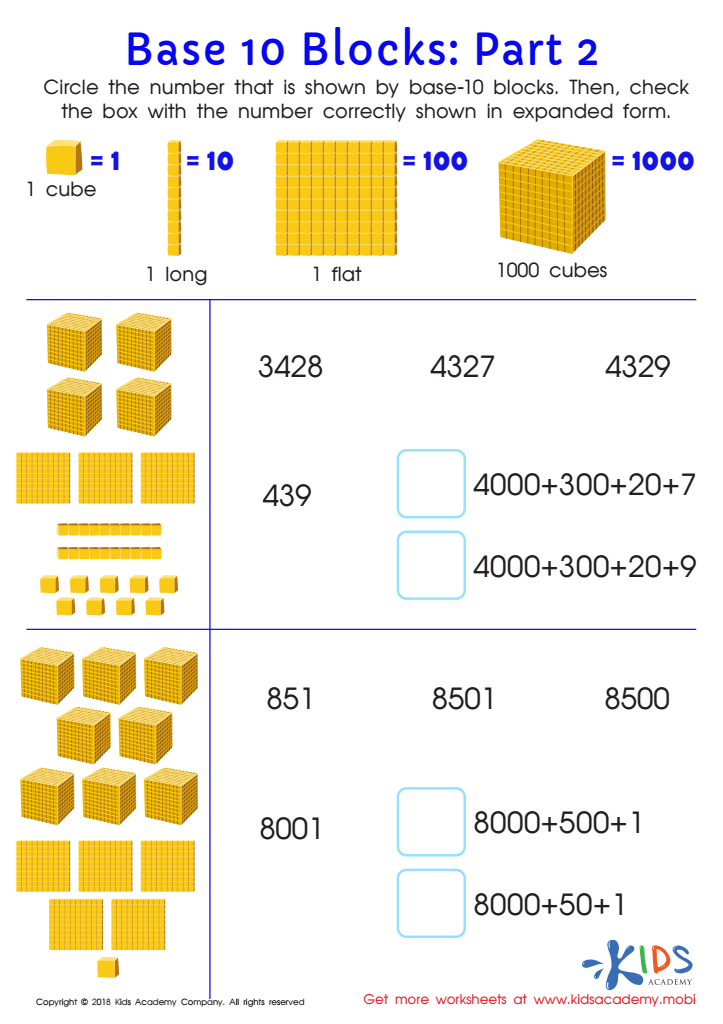
Base 10 Blocks Worksheet: Part 2








Understanding place value is foundational for a child's mathematical development, particularly for ages 8-9, a crucial period known as the upper elementary level. Parents and teachers should prioritize helping children grasp this concept for several reasons.
Firstly, place value is integral to number sense, which allows children to understand the magnitude and relationships between numbers. This comprehension enables students to perform arithmetic operations like addition, subtraction, multiplication, and division more accurately and effectively. Without a solid understanding of place value, children might resort to rote memorization without truly understanding the math they are performing, which can hinder their progress in more advanced math problems as they grow older.
Secondly, place value has practical, real-world applications, such as handling money, measuring quantities, and interpreting data. When children understand that the position of a digit in a number affects its value, they are better prepared to tackle everyday tasks and more complex mathematical challenges, enhancing their problem-solving skills.
Lastly, a strong grasp of place value fosters confidence in math. When children recognize patterns and develop strategies based on place value, they build a foundation for success across all areas of math. Teachers and parents who emphasize this critical concept can help children develop a lifelong appreciation and competence in mathematics, setting them up for academic and personal success.