
Vocabulary Building Normal Reading Comprehension Worksheets for Ages 8-9
7 filtered results
Difficulty Level
Grade
Age
-
From - To
Subject
Activity
Standards
Enhance your child's vocabulary and reading comprehension skills with our engaging worksheets designed for ages 8-9. These specially crafted resources focus on vocabulary building through various exercises, including reading passages, word meanings, and context usage. By incorporating fun activities and relatable topics, children will not only expand their word knowledge but also improve their ability to understand and analyze texts. Perfect for home or classroom use, our vocabulary building worksheets provide targeted practice to help young learners develop essential literacy skills. Equip your child for academic success and foster a love for reading with our effective and enjoyable reading comprehension materials!
Favorites
With answer key
Interactive
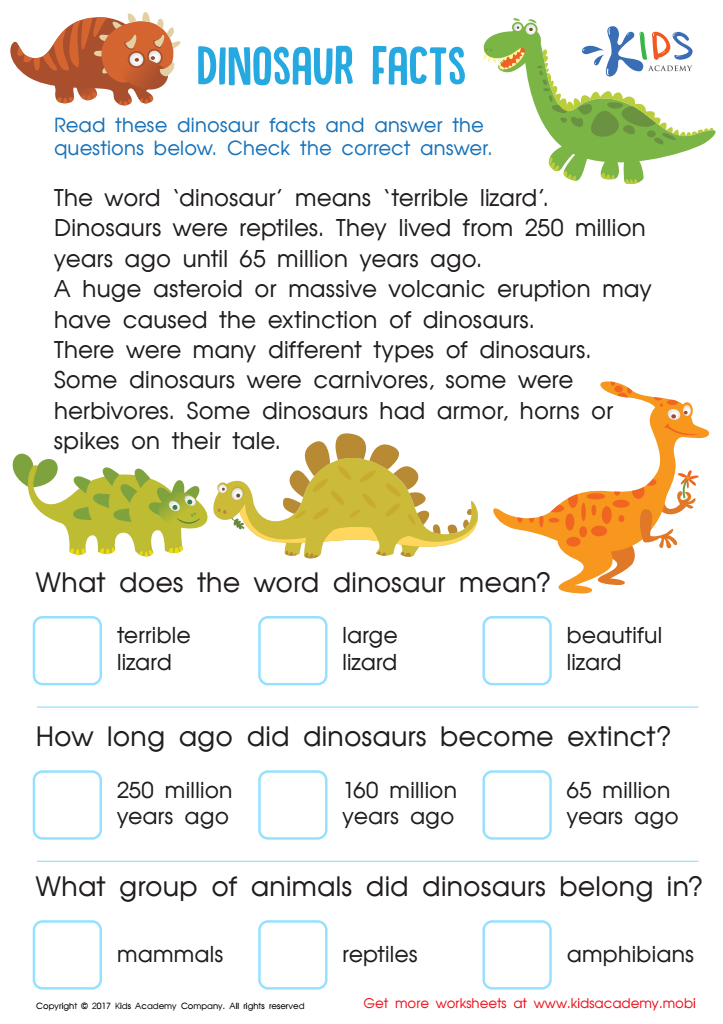
Dinosaur Facts Worksheet
Help your child improve reading skills with engaging nonfiction texts! This dinosaur facts worksheet will teach fun information and test kids on the key details. It'll keep them motivated and ready to learn!
 Assign to My Students
Dinosaur Facts Worksheet
Worksheet
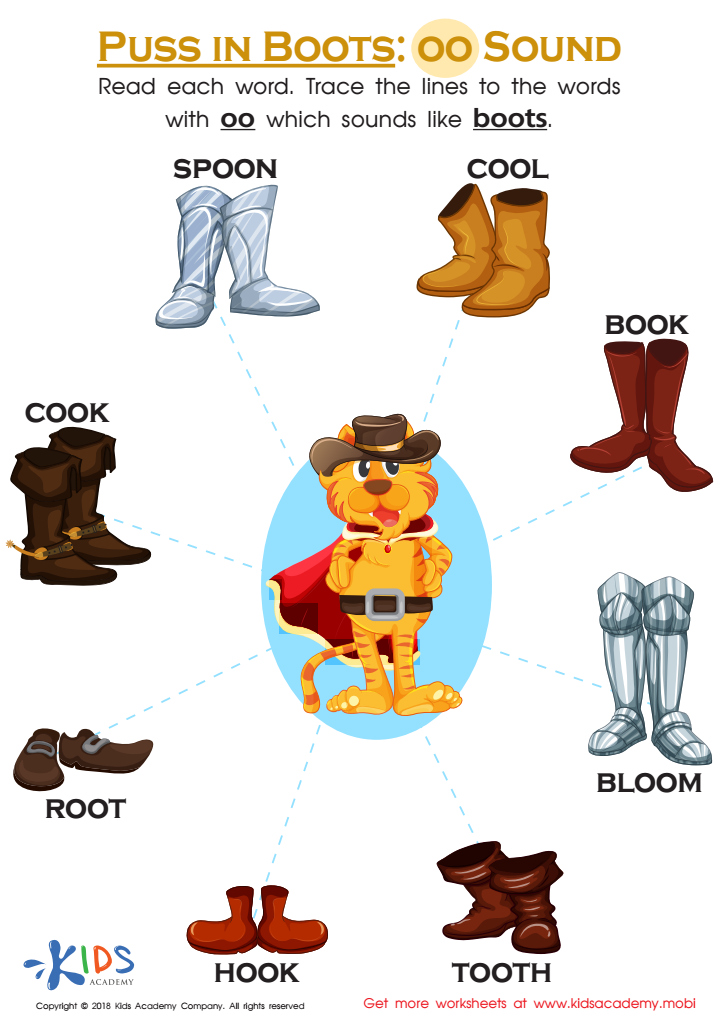
Puss in Boots: OO Sound Worksheet
Read out the words in this printout with the correct pronunciation. Have your child repeat each word after you. Then have them read the words and identify the ones with the "oo" sound. Guide their hands as they trace the lines to the right words.
Puss in Boots: OO Sound Worksheet
Worksheet
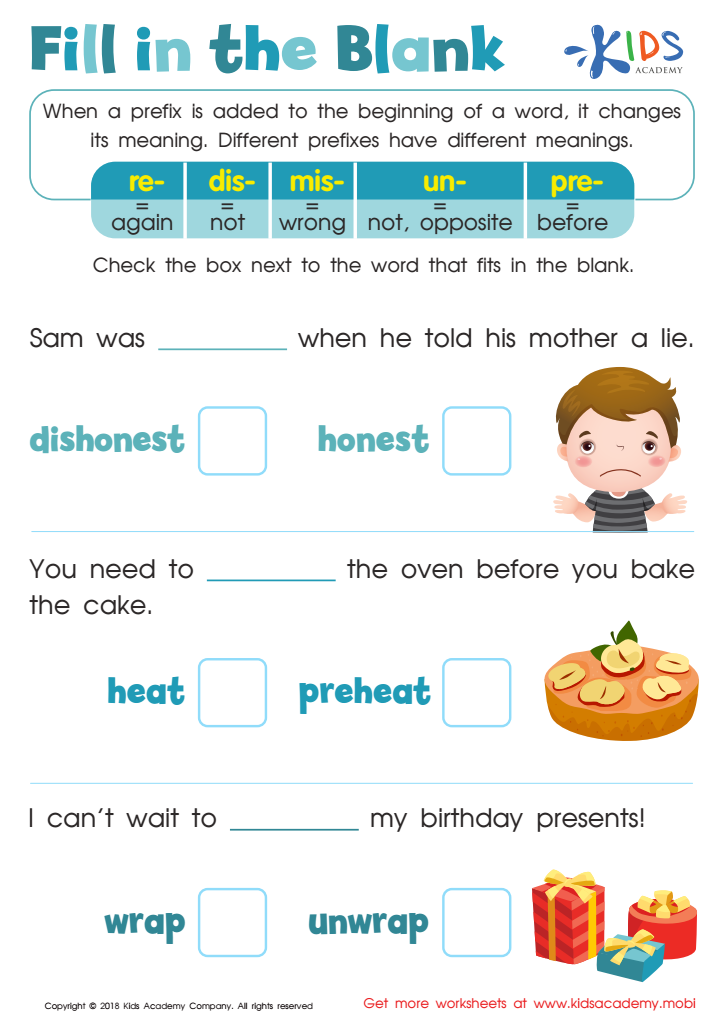
Reading: Fill in the Blank Worksheet
Students can practice understanding the meaning of common prefixes with this worksheet. They read sentences and pick the correct word with the appropriate prefix to complete it. Downloadable and a great addition to reading and vocabulary resources, this helps improve comprehension with mastery of the skill!
Reading: Fill in the Blank Worksheet
Worksheet
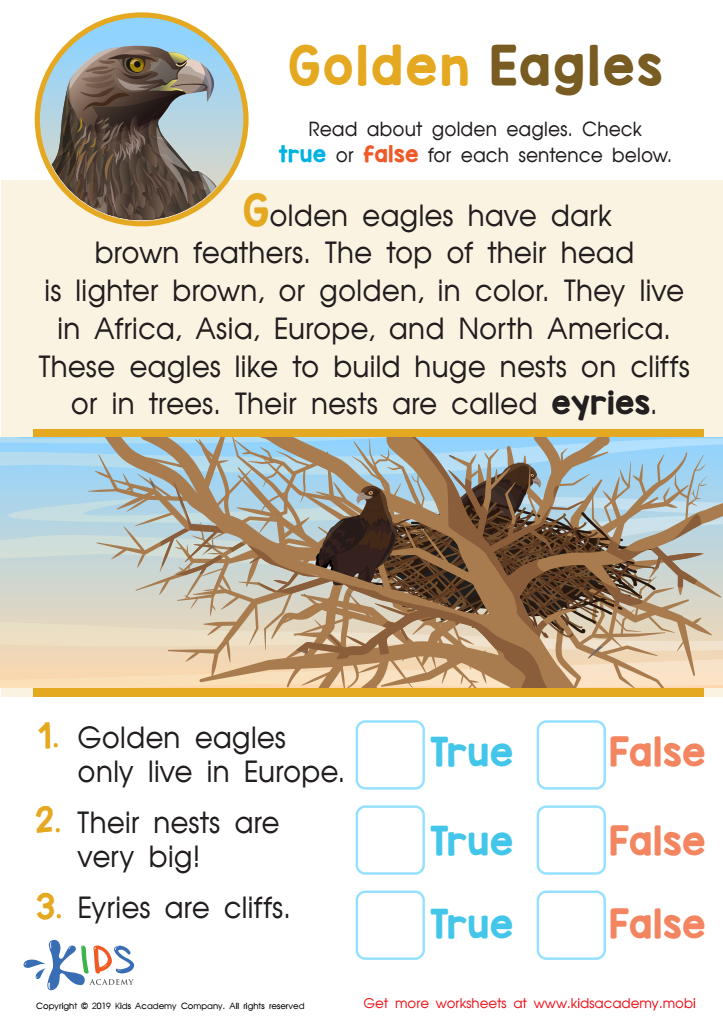
Golden Eagles Worksheet
Check your child's reading comprehension with this fascinating worksheet! Read the passage at the top of the page and discuss what was learned about golden eagles. Then, read the statements at the bottom and ask if they are true or false. Guide your child to circle the correct answer then read the text to back up the answer.
Golden Eagles Worksheet
Worksheet
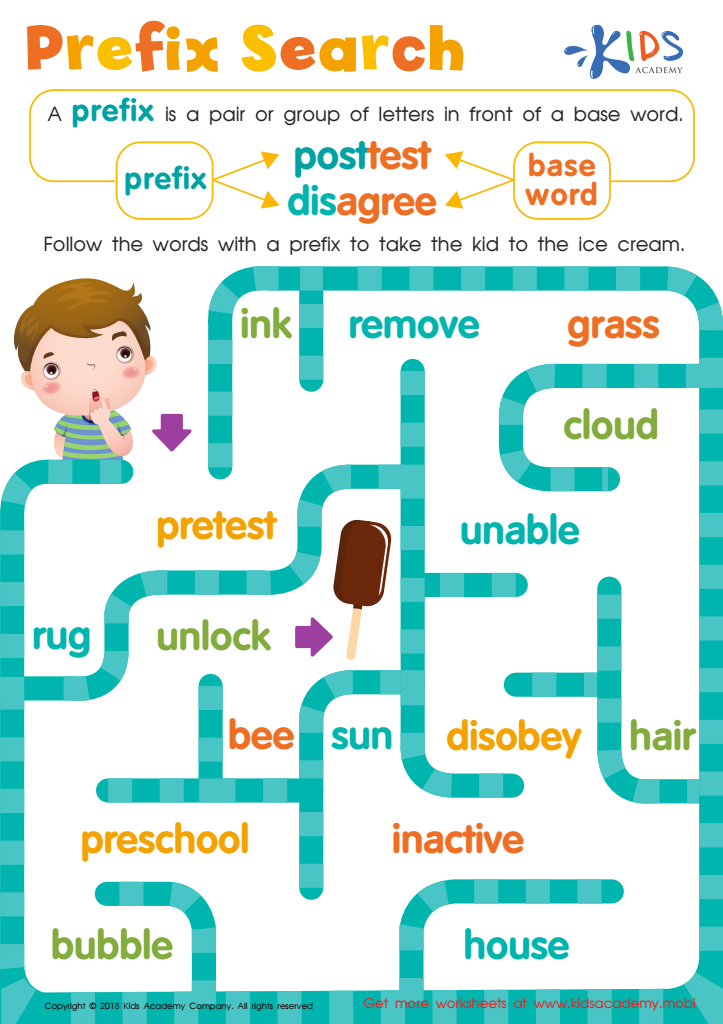
Reading: Prefix Search Worksheet
Maze your way through prefixes! This worksheet helps students practice reading new words with a prefix and figuring out the base word. An understanding of prefixes gives students the skills to comprehend new words. A fun and useful activity for the reading classroom!
Reading: Prefix Search Worksheet
Worksheet
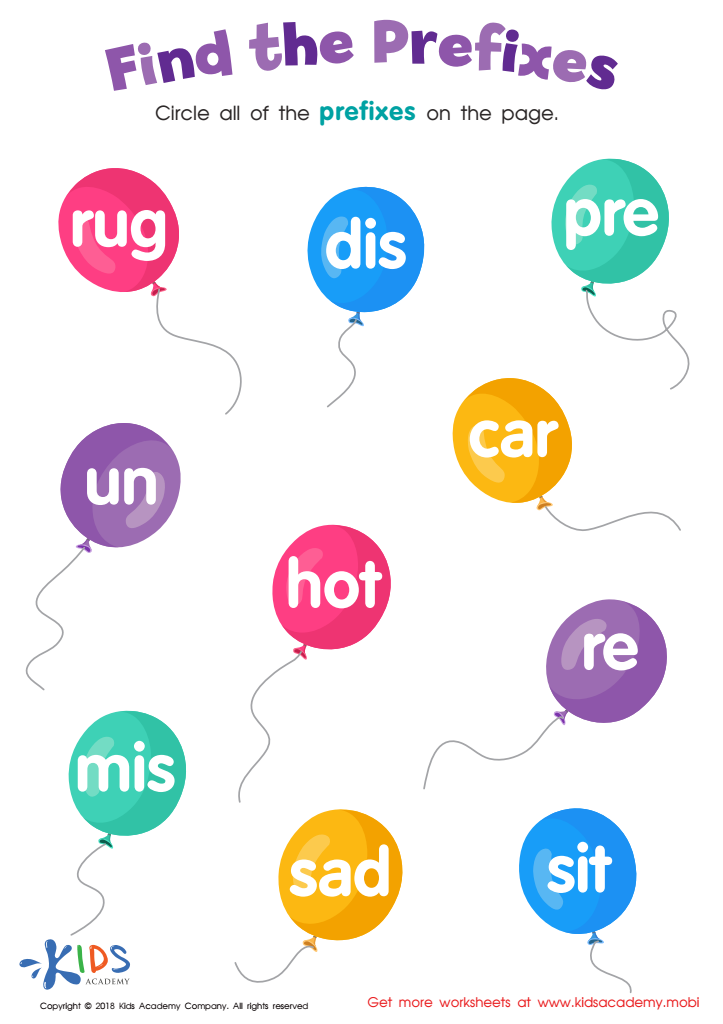
Reading: Find the Prefixes Worksheet
Students are asked to circle all prefixes on this worksheet and brainstorm a list of words that have them. It's a great tool for teaching vocabulary and helps students understand new and unfamiliar words by recognizing how prefixes change meaning.
Reading: Find the Prefixes Worksheet
Worksheet
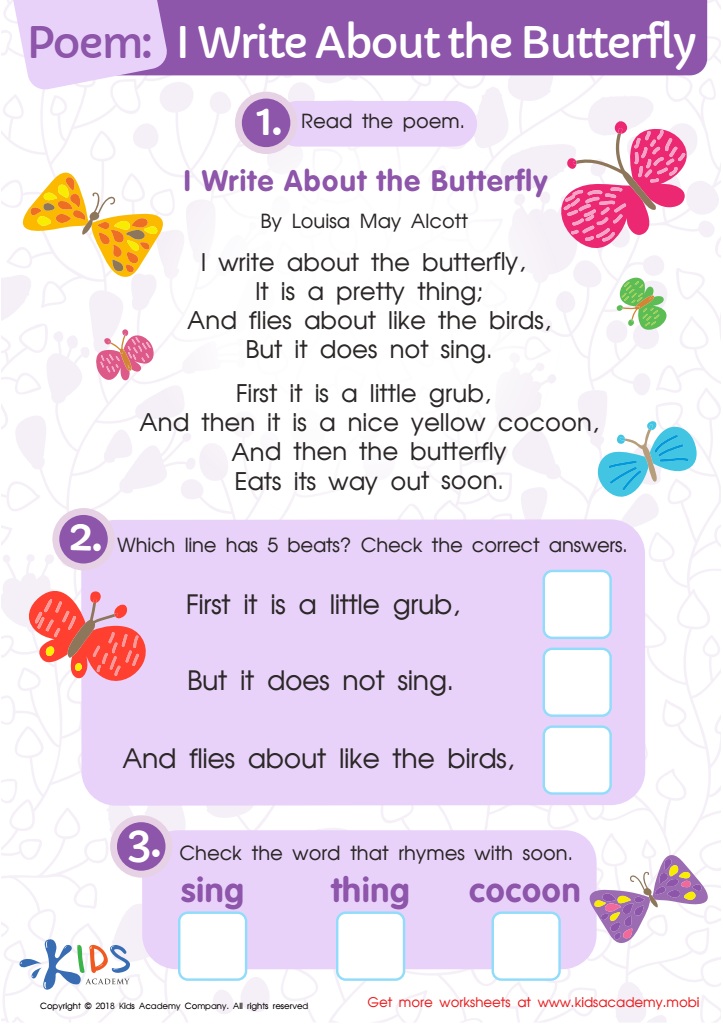
Poem: I Write About The Butterfly Worksheet
Do your kids like poetry? Encourage them to explore and connect with their poetic side! Read the butterfly poem from this worksheet aloud, then help them answer the questions. It's a great way to grow their appreciation of poetry and of the natural world.
Poem: I Write About The Butterfly Worksheet
Worksheet
Join Kids Academy for Free
Who is primarily going to use this learning content?








Vocabulary building is crucial for children aged 8-9, as it directly influences their reading comprehension skills, academic success, and overall language development. At this stage, children are transitioning from learning to read to reading to learn, making it essential to have a robust vocabulary. A rich vocabulary allows children to understand and engage with texts more effectively, enabling them to grasp complex concepts and ideas presented in their reading materials.
When children encounter unfamiliar words, their comprehension can falter, leading to frustration and disengagement from reading. By fostering vocabulary growth through various methods, such as reading diverse literature, discussing word meanings, and using new words in conversations, parents and teachers can enhance children’s comprehension abilities. Furthermore, vocabulary skills are foundational for improved writing, critical thinking, and communication. A strong vocabulary empowers children to express themselves clearly and understand others, facilitating better social interactions and collaboration in school.
Moreover, strong reading comprehension skills are linked to higher academic performance across subjects, as they help children process information, analyze materials, and complete assignments successfully. Therefore, investing time and effort in vocabulary building is paramount for fostering confident, capable learners who are well prepared for future academic challenges.








