Filters

7 filtered results

Clear all filters
Favorites
With answer key
Interactive

7 filtered results

Difficulty Level

Grade


Our Vocabulary Enhancement Normal Reading Non-Fiction Worksheets for ages 8-9 are expertly designed to develop young readers' lexical skills through engaging and informative content. Each worksheet features age-appropriate non-fiction passages accompanied by interactive activities that reinforce new vocabulary and comprehension. These educational resources focus on expanding students' word knowledge, enhancing reading fluency, and promoting critical thinking. Ideal for both classroom and home use, these worksheets offer a fun and effective way to support language development and literacy in children, ensuring they build a strong foundation for future academic success. Explore our collection and watch your child's vocabulary grow!

Check out this FREE Trial Lesson on Reading Non-Fiction for age 8-9!

Historical Topics

Favorites
With answer key
Interactive
  • 8-9
  • Vocabulary enhancement
  • Reading Non-Fiction
  • Normal
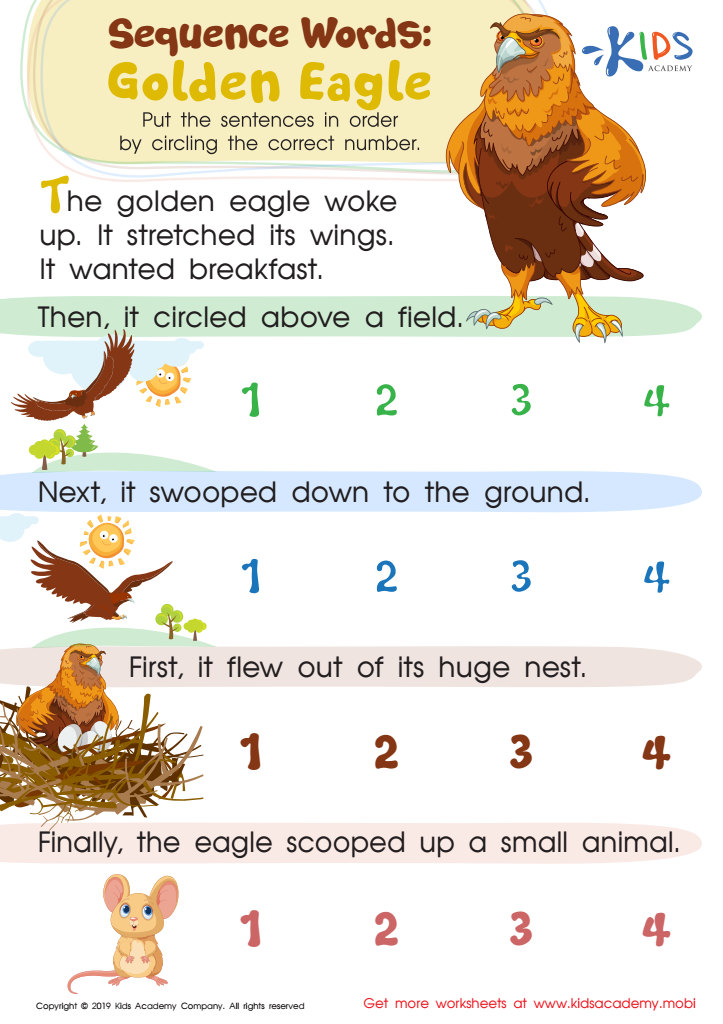
Sequence Word Eagle Worksheet

Sequence Word Eagle Worksheet

Help your child brush up on reading and writing with this fun worksheet. Read the story of the golden eagle's day, then have the child circle the numbers in the right order. Point out the sequence words that tell the order of events. This helps learners understand how to make their writing clear and understandable to others.
Sequence Word Eagle Worksheet
Worksheet
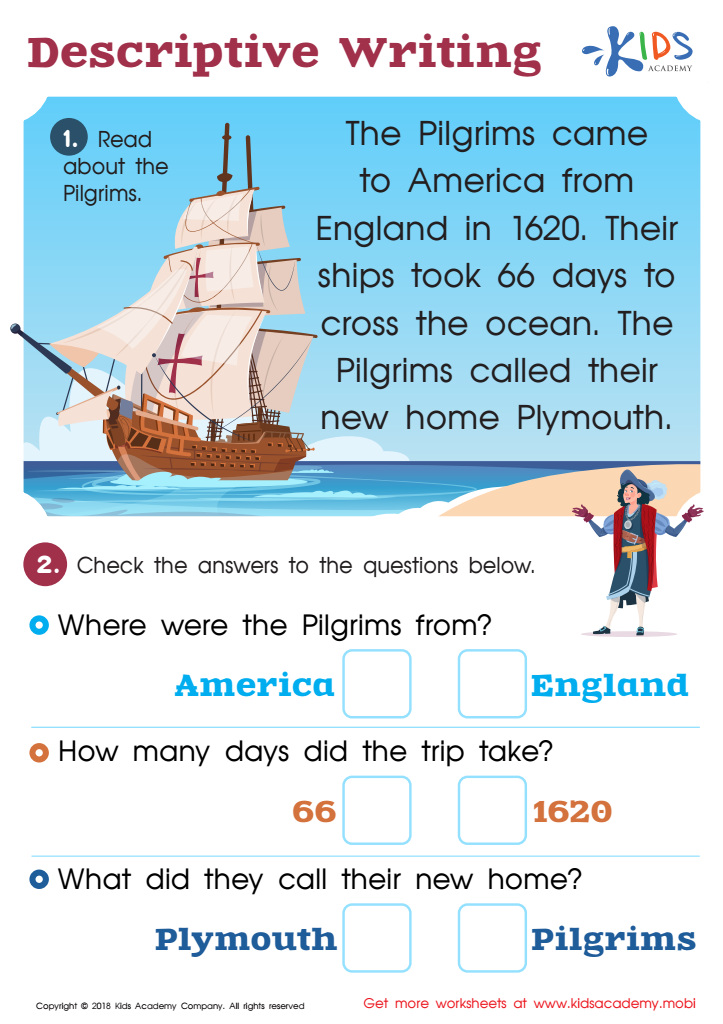
Descriptive Writing Worksheet: Part 1

Descriptive Writing Worksheet: Part 1

Kids, let's learn about the Pilgrims! Read this short text about their voyage to America, then answer the questions at the bottom. Writing is an art: expressing emotions in artful words and sentences. Some writing informs, others describe. Here, discover the Pilgrims' journey!
Descriptive Writing Worksheet: Part 1
Worksheet
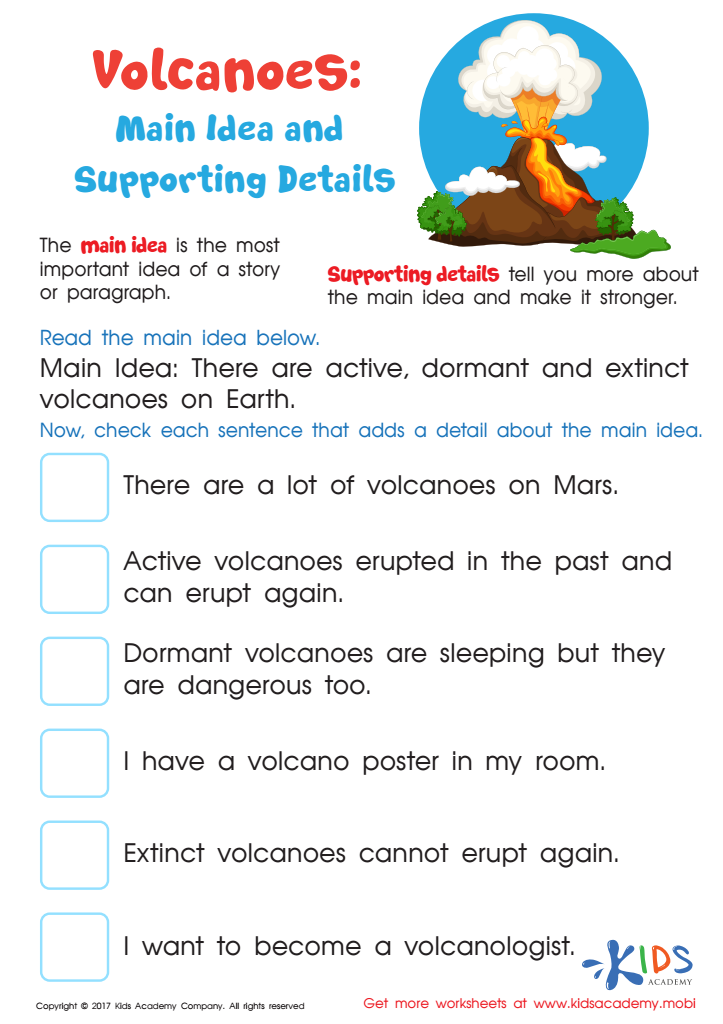
Volcano facts worksheet for 3rd grade

Volcano Facts Worksheet

This PDF worksheet helps 3rd graders improve their skills for reading both fiction and nonfiction. It also introduces them to finding the main idea of a text and locating supporting details. Download it now to help your child break down text for better comprehension.
Volcano Facts Worksheet
Worksheet
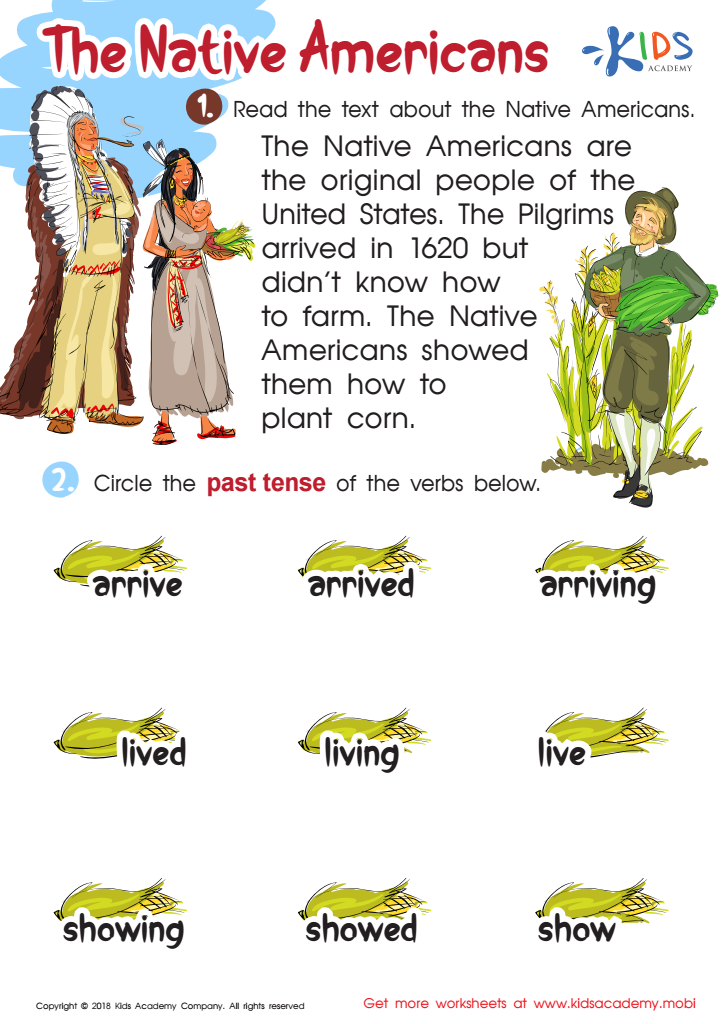
The Native Americans Worksheet

The Native Americans Worksheet

Ask your students who the Native Americans are and give them a history lesson if needed. Read the text about the Native Americans and circle the past tense verbs. The text describes events that occurred when the first Pilgrims arrived in America.
The Native Americans Worksheet
Worksheet
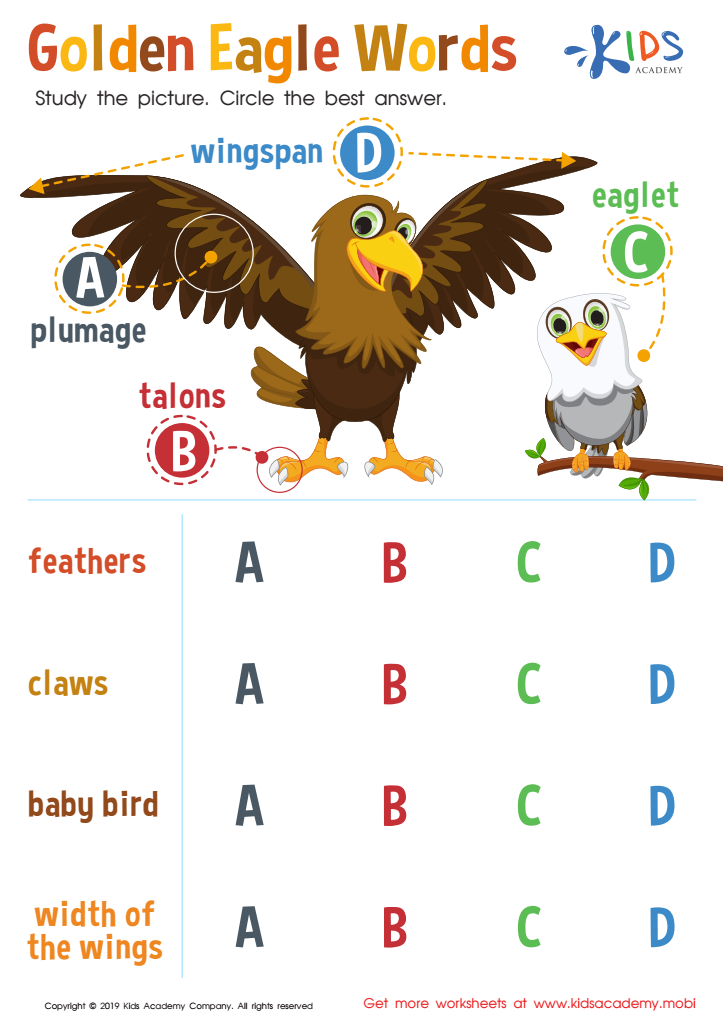
Golden Eagle Words Worksheet

Golden Eagle Words Worksheet

Learning about animals is fun and this worksheet makes it more exciting! An adorable image of a golden eagle's wings is at the top, followed by new vocabulary words. Help your child match them by circling the correct answer. It's a great way to learn about the regal bird and its baby!
Golden Eagle Words Worksheet
Worksheet
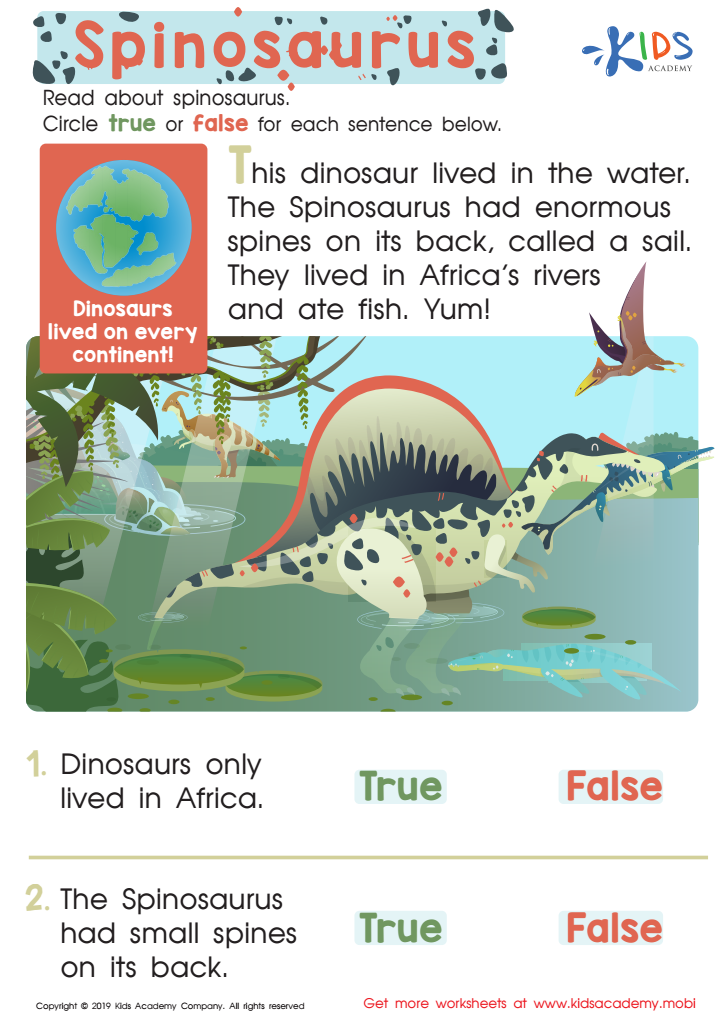
Spinosaurus Assessment Worksheet

Spinosaurus Assessment Worksheet

Take your child on a journey to discover the Spinosaurus! This worksheet combines an engaging nonfiction passage about this incredible dinosaur with comprehension questions. Invite kids to read the text before deciding if the statements are true or false. Then, have them circle the right answers to complete the activity.
Spinosaurus Assessment Worksheet
Worksheet
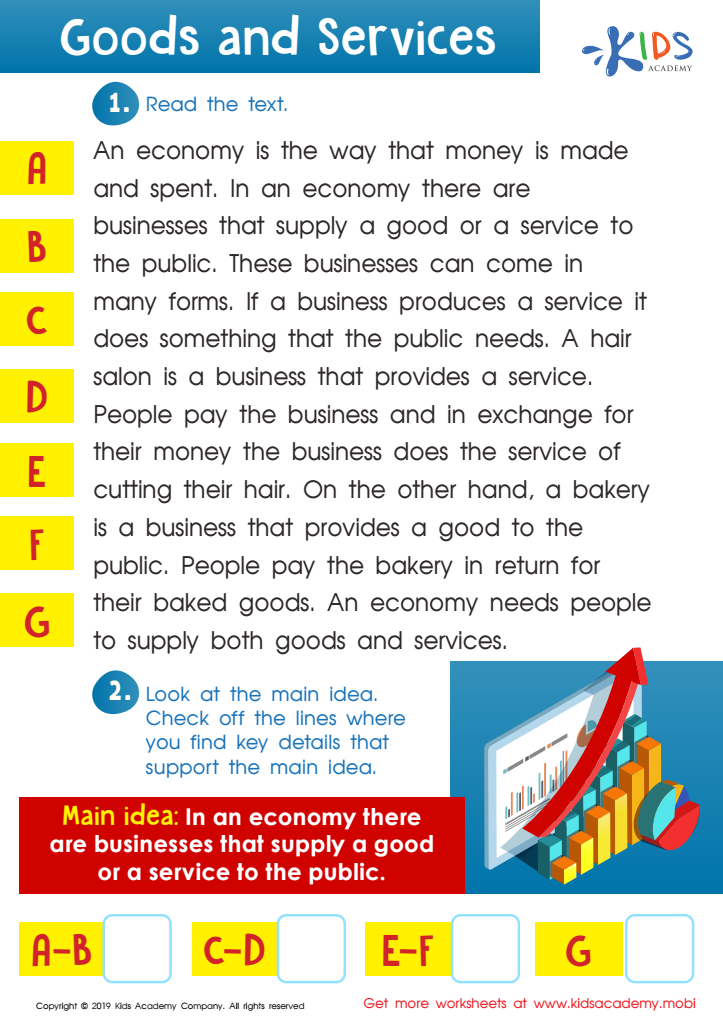
Goods and Services Worksheet


Goods and Services Worksheet

Teach your kids about the economy and businesses with this worksheet. Ask them if they know what goods and services are. After they complete the worksheet, they'll have a better understanding. Read the text to them and guide them step-by-step through the instructions. Help them learn!
Goods and Services Worksheet
Worksheet


Vocabulary enhancement through normal reading of non-fiction for ages 8-9 is crucial for several reasons. First, a strong vocabulary forms the foundation for effective communication. At this age, children are rapidly expanding their language skills, and a rich vocabulary helps them express themselves clearly and understand others better.

Second, non-fiction reading plays a vital role in cognitive development. Non-fiction texts introduce children to real-world concepts, promoting critical thinking and curiosity. These texts often include specialized vocabulary that broadens children's knowledge and helps them make connections between what they read and the world around them.

Third, improved vocabulary aids in academic success. Studies have shown that children with a richer vocabulary tend to perform better in subjects like reading comprehension, writing, and even math. Encountering new words in non-fiction contexts reinforces learning and retention.

Finally, cultivating a habit of reading non-fiction at an early age sets the stage for lifelong learning. It encourages independent exploration and the ability to grasp complex ideas. Parents and teachers who prioritize vocabulary enhancement and non-fiction reading are equipping children with the tools they need to thrive academically and beyond, fostering learners who are confident and curious.

Ultimately, vocabulary improvement through non-fiction reading is an investment in a child's educational and personal growth, fostering better communication, understanding, and critical thinking skills.