Learning about ecosystems Normal Science Worksheets for Ages 8-9
3 filtered results
-
From - To
Discover the wonders of ecosystems with our engaging "Learning about Ecosystems Normal Science Worksheets" designed specifically for children aged 8-9. These worksheets provide a fun and interactive way for young learners to explore the interconnectedness of living organisms and their environments. Featuring diagrams, quizzes, and hands-on activities, students will delve into topics like food chains, habitats, and the importance of biodiversity. Ideal for classroom assignments or home learning, our resources foster critical thinking and build a strong foundation in environmental science. Equip your kids with the knowledge to appreciate nature and become responsible stewards of our planet with these educational tools!
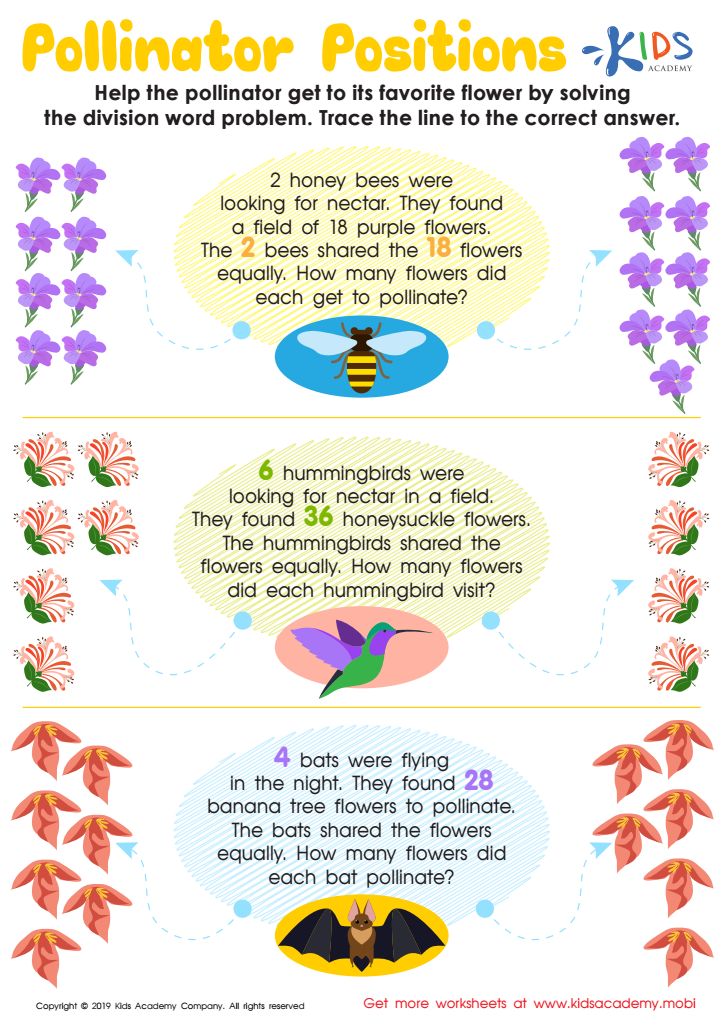
Pollinator Positions Worksheet
 Assign to My Students
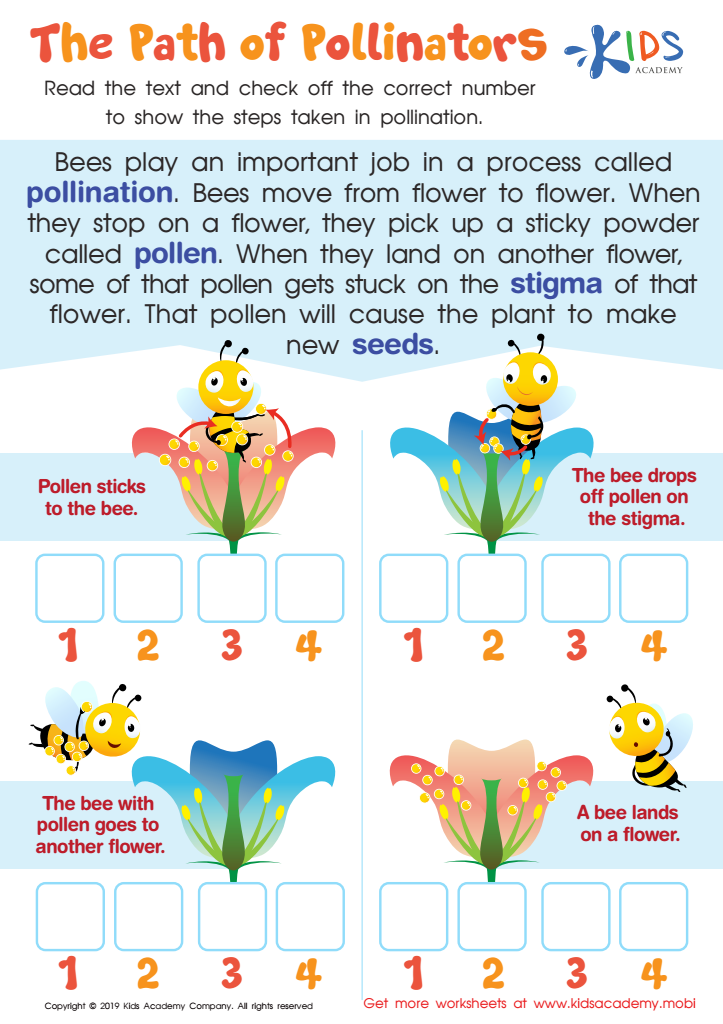
The Path of Pollinators Worksheet
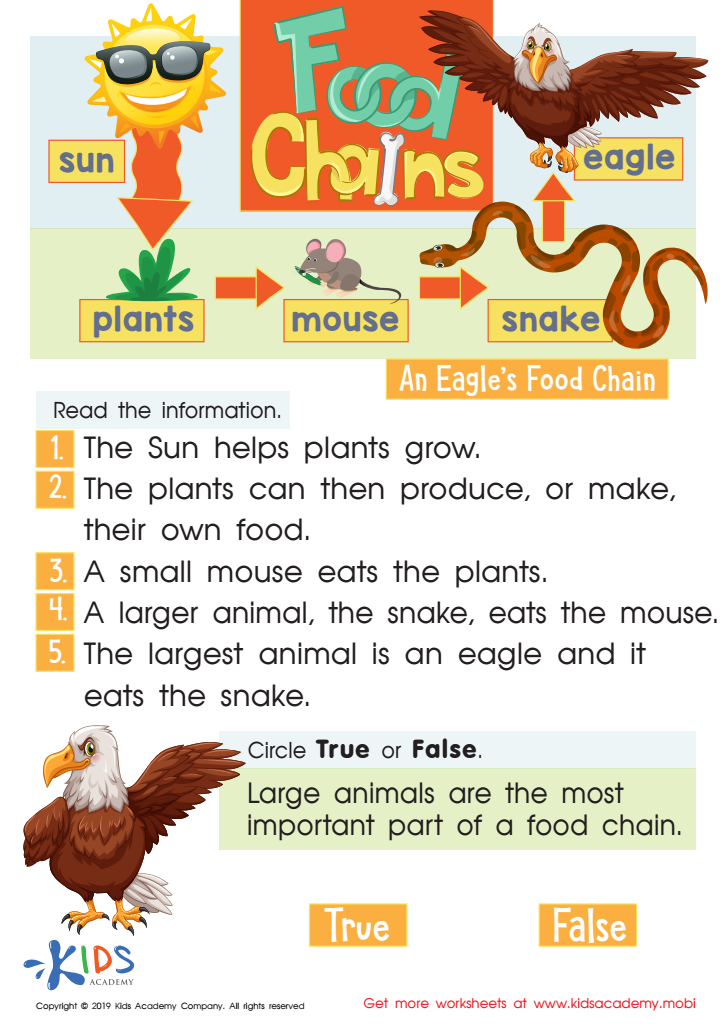
Food Chains Worksheet






.jpg)

Learning about ecosystems is crucial for children ages 8-9 because it fosters a greater understanding of the natural world and their role within it. At this age, children are naturally curious, making it the perfect time to introduce them to concepts of ecosystems—how living organisms interact with each other and their environment. Understanding ecosystems nurtures a sense of responsibility for the planet and encourages children to think critically about issues like pollution and conservation.
Teachers and parents should care because foundational scientific knowledge enhances children's critical thinking skills, enabling them to question and investigate their surroundings. Lessons on ecosystems promote collaboration, stimulating teamwork as children learn to work together in projects and discussions. Such engagement not only supports academic success but also builds social skills.
Furthermore, by integrating hands-on activities like nature walks and experiments, learning about ecosystems can make science enjoyable and relatable. This fosters a lifelong passion for learning and science. Ultimately, investing time in teaching kids about ecosystems empowers them to become informed stewards of the environment, ensuring a healthier planet for future generations and instilling values of respect and care for all living things.







