Analyzing data Normal Our Planet and Environment Worksheets for Ages 8-9
4 filtered results
-
From - To
Explore our engaging "Analyzing Data: Our Planet and Environment" worksheets tailored for children aged 8-9. These resources encourage young learners to develop essential analytical skills while fostering a greater appreciation for the environment. Through fun activities and interactive exercises, students will learn to interpret data relating to ecosystems, climate change, and natural resources. Each worksheet not only enhances critical thinking but also inspires curiosity about our planet's diverse environments. Perfect for home or classroom use, these materials make learning both educational and enjoyable. Equip your child with the tools to become a thoughtful observer and advocate for our Earth!
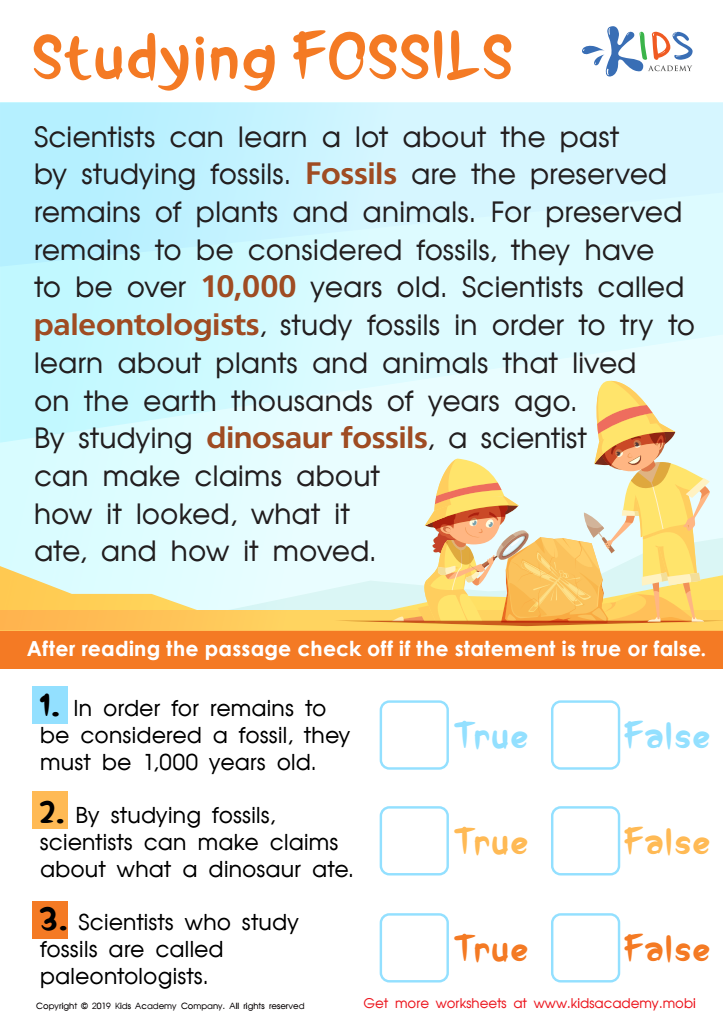
Studying Fossils Worksheet
 Assign to My Students
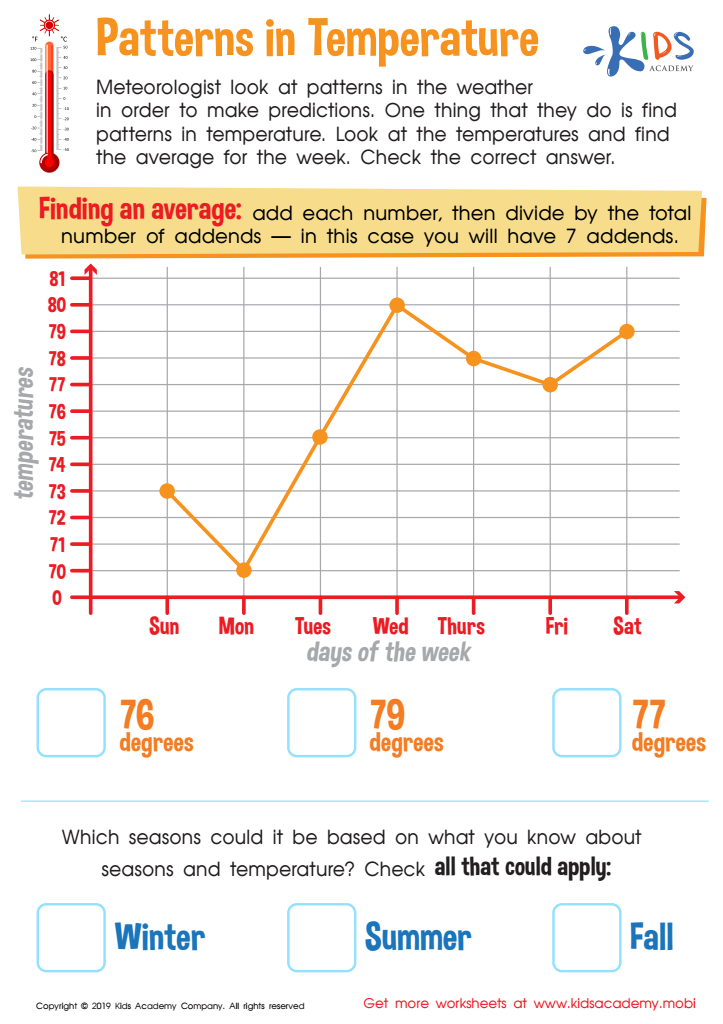
Patterns in Temperature Worksheet
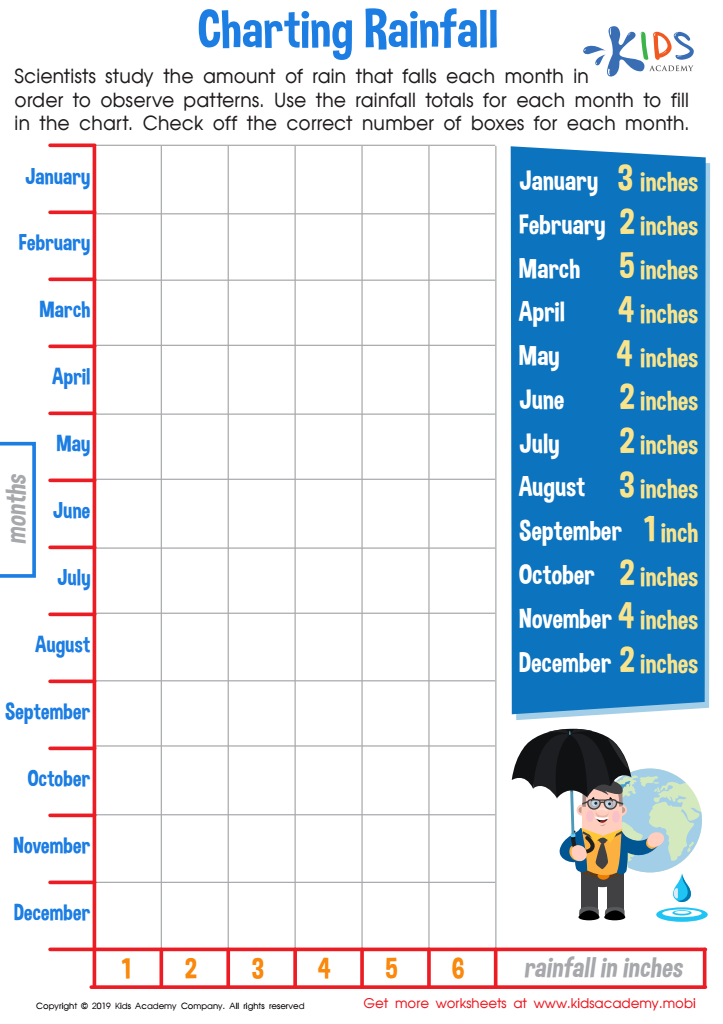
Charting Rainfall Worksheet
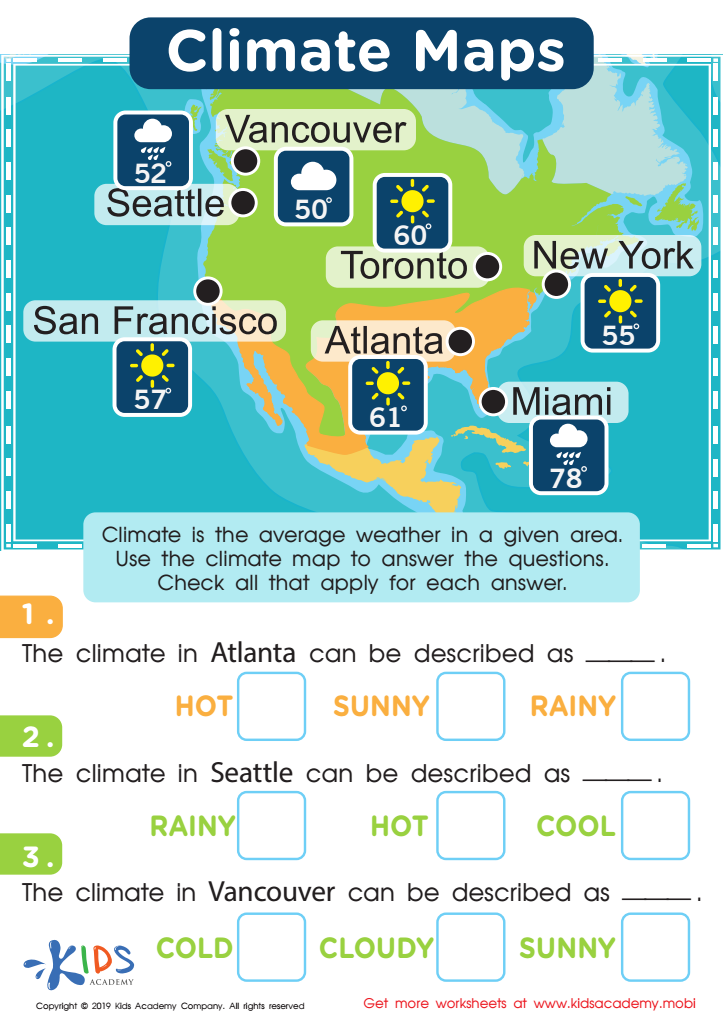
Climate Maps Worksheet





Analyzing data about our planet and environment is crucial for children ages 8-9, as it fosters their understanding of critical global issues such as climate change, pollution, and biodiversity. Parents and teachers should prioritize this because kids at this age are developing essential analytical and critical thinking skills. Engaging them with real-world data helps to cultivate curiosity, encourages them to ask questions, and instills a sense of responsibility towards the planet.
Furthermore, analyzing environmental data enables children to make connections between their everyday actions and larger ecological impacts, promoting eco-friendly behaviors. This age group is particularly open to forming habits and attitudes that shape their future, reinforcing the importance of sustainability at a young age.
In addition, working with data enhances their mathematical and scientific literacy, which is crucial for success in advanced studies. By exploring environmental statistics and trends, children learn to interpret information, recognize patterns, and draw conclusions, skills that transcend the subject matter and contribute to their overall education.
Moreover, discussions around environmental data can lead to family conversations, making the topic more relevant and encouraging communities to take collective action. By caring about such analysis, parents and teachers empower young learners to become informed, active citizens in safeguarding our planet.







