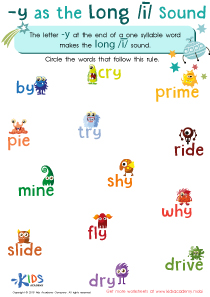
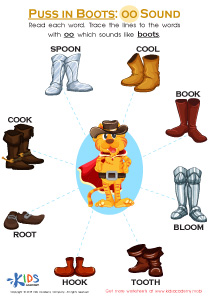
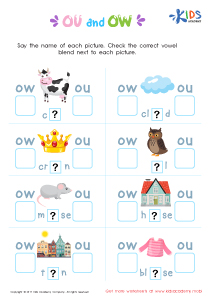
Vocabulary expansion Normal Long Vowels Worksheets for 8-Year-Olds
4 filtered results
-
From - To
Enhance your child's language skills with our Vocabulary Expansion Normal Long Vowels Worksheets specifically designed for 8-year-olds. These engaging activities focus on long vowel sounds, helping young learners improve their reading and pronunciation abilities. Each worksheet offers fun exercises that expand your child's vocabulary, align with their school curriculum, and boost their confidence in using new words. Tailored for interactive learning, our worksheets make mastering long vowels an enjoyable and easy experience. Perfect for home practice or classroom use, these resources ensure your 8-year-old excels in language development while having fun. Explore now on Kids Academy!

Long and Short U Worksheet
 Assign to My Students
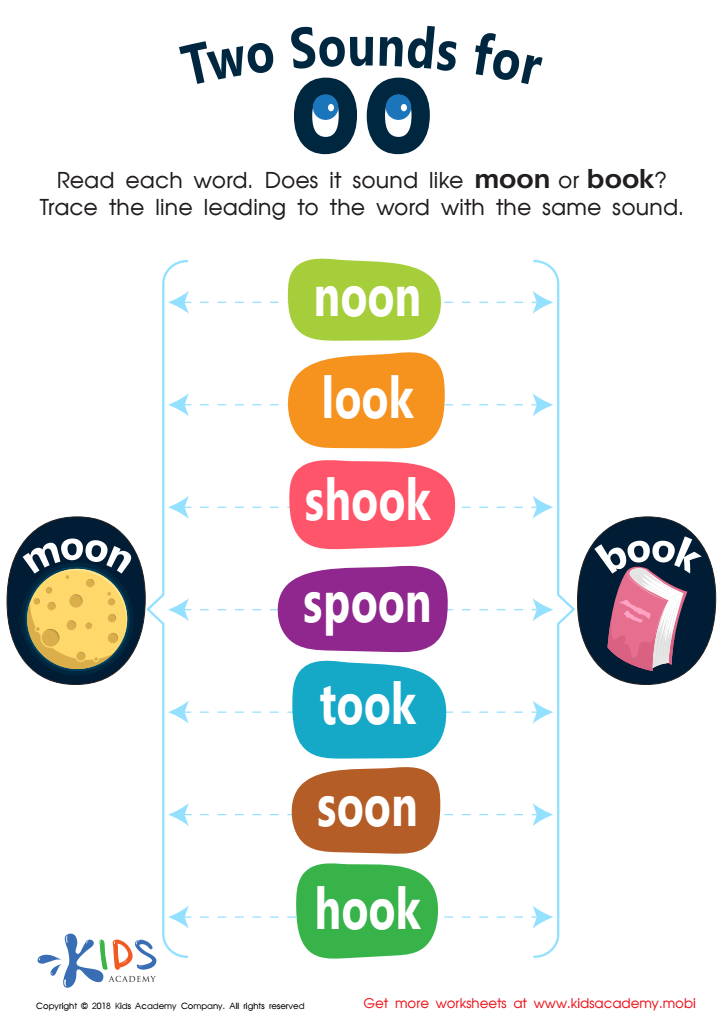
Two Sounds for OO Worksheet
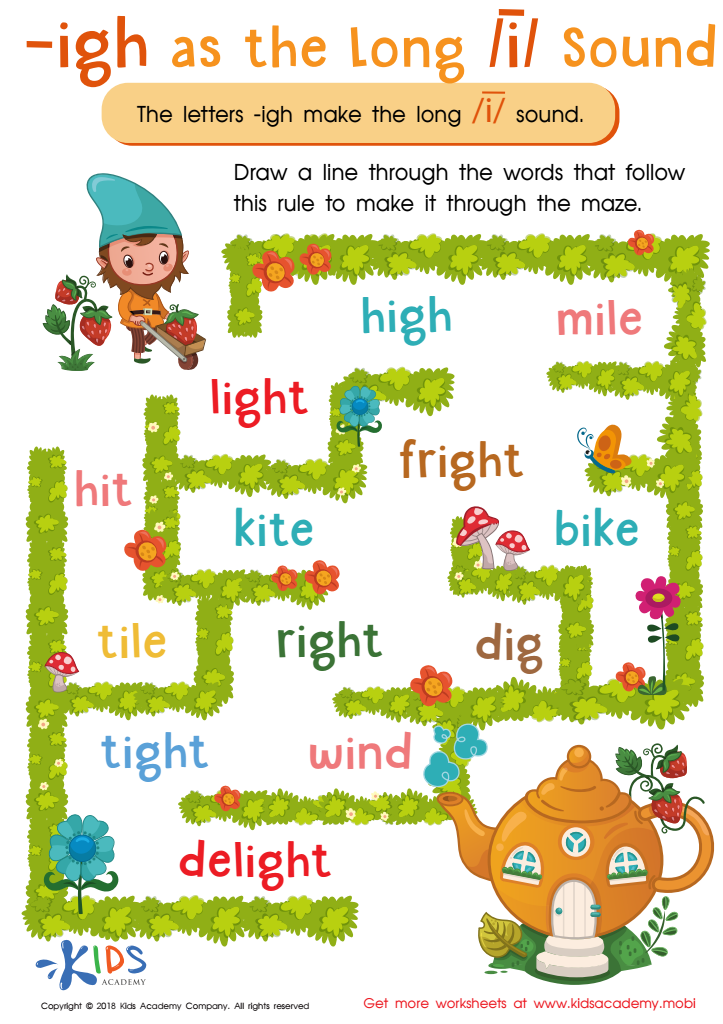
Reading: IGH as Long I Worksheet
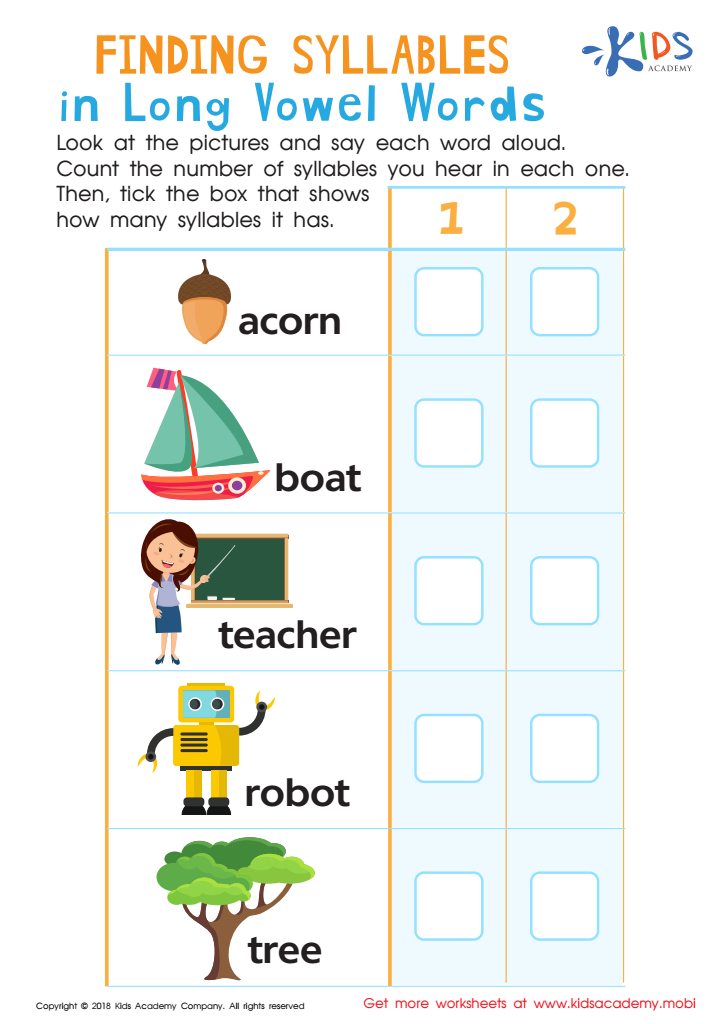
Finding Syllables in Long Vowel Words Worksheet



Parents and teachers should pay close attention to vocabulary expansion and the proper use of long vowels in 8-year-olds because these skills form the foundation for effective communication and literacy. Vocabulary expansion plays a crucial role in enhancing reading comprehension, writing prowess, and overall academic performance. When a child knows more words, they can better understand and interpret the material they read, express their thoughts clearly, and engage more confidently in discussions.
Meanwhile, mastering normal long vowels—sounds that are pronounced longer compared to short vowels—significantly contributes to their phonemic awareness. Proper pronunciation aids in decoding new words, an essential skill for reading fluency. For instance, differentiating between “bate” (long vowel) and “bat” (short vowel) is key to grasping sentence meaning and context.
At 8 years old, children often shift from 'learning to read' to 'reading to learn'. During this transition, their vocabulary and pronunciation skills become essential tools for acquiring new knowledge across subjects. Addressing these aspects early can also mitigate future learning challenges, support cognitive development, and build self-esteem. Making vocabulary expansion and mastery of long vowels a priority sets a strong educational groundwork, helping children succeed not just academically but also socially. Parents and teachers play a crucial role in this developmental phase, and their involvement and encouragement can make a tangible difference in a child's educational journey.