Handwriting Skills Normal Tracing Letters Worksheets for 8-Year-Olds
5 filtered results
-
From - To
Enhance your 8-year-old's handwriting skills with our engaging tracing letters worksheets! Designed specifically for young learners, these interactive activities promote fine motor development, letter recognition, and proper writing techniques. Each worksheet features both uppercase and lowercase letter tracing to help children practice their handwriting while building confidence. The fun layout keeps kids motivated and makes learning enjoyable. As they trace, they'll improve their grip and control, leading to improved fluency in writing. Download our printable worksheets today and give your child the tools they need to write clearly and legibly, setting the groundwork for future success in their educational journey!
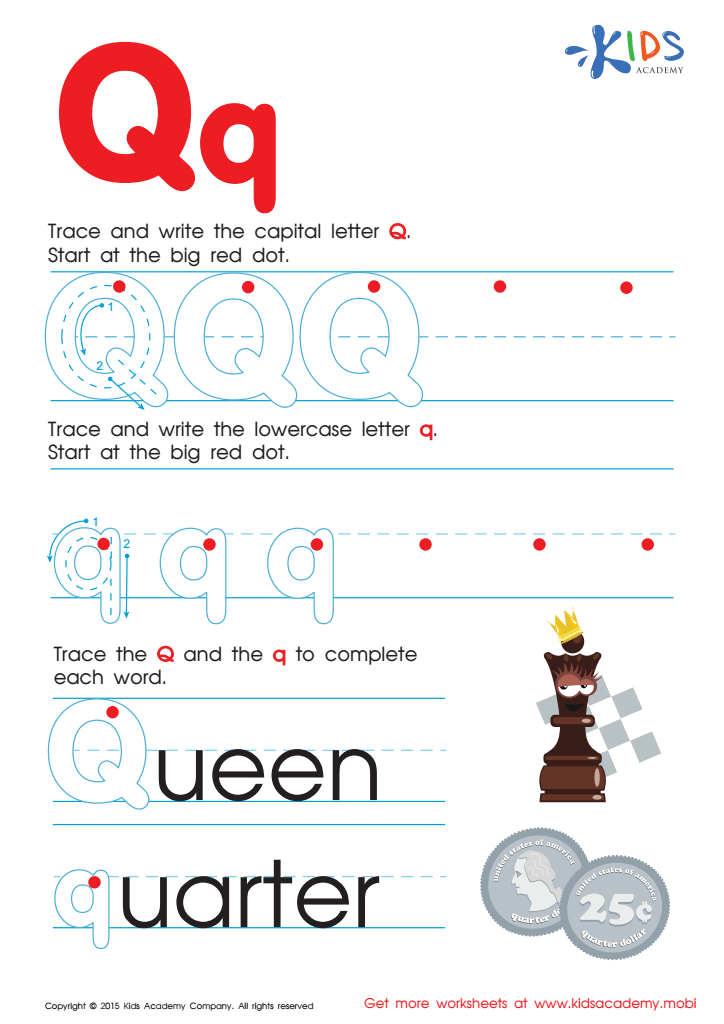
Letter Q Tracing Page
 Assign to My Students
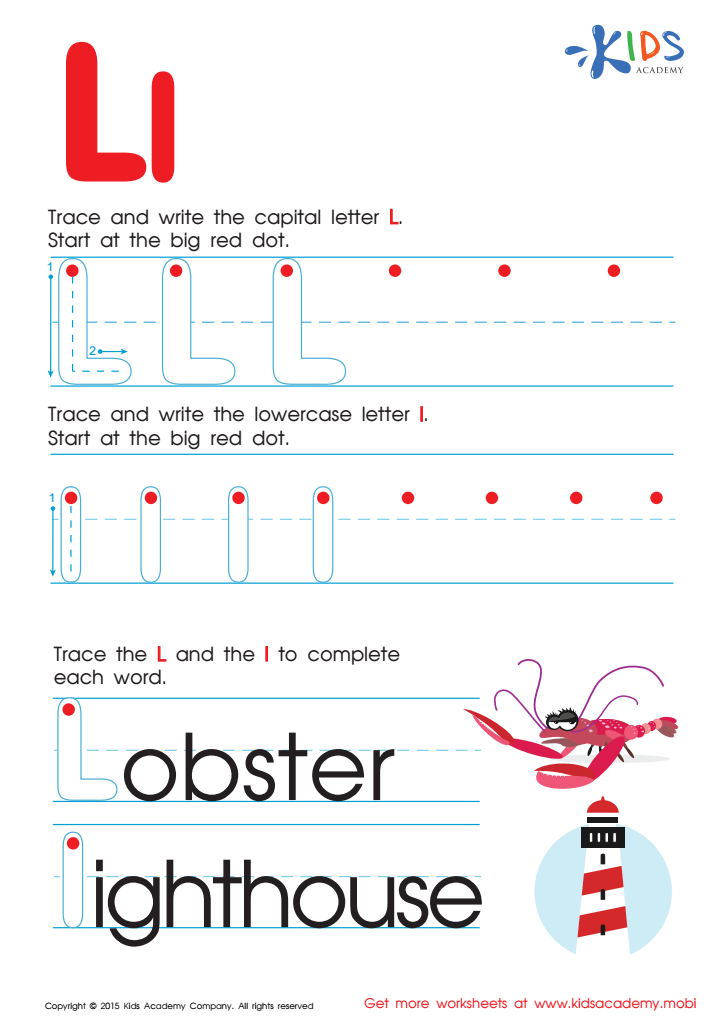
Letter L Tracing Page
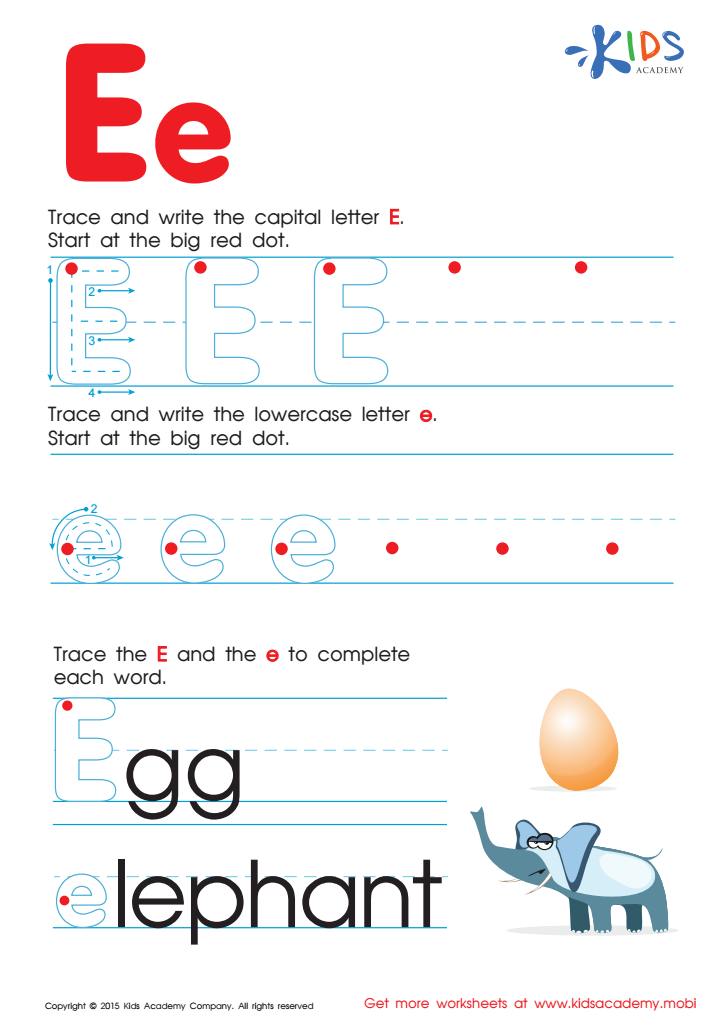
Letter E Tracing Page
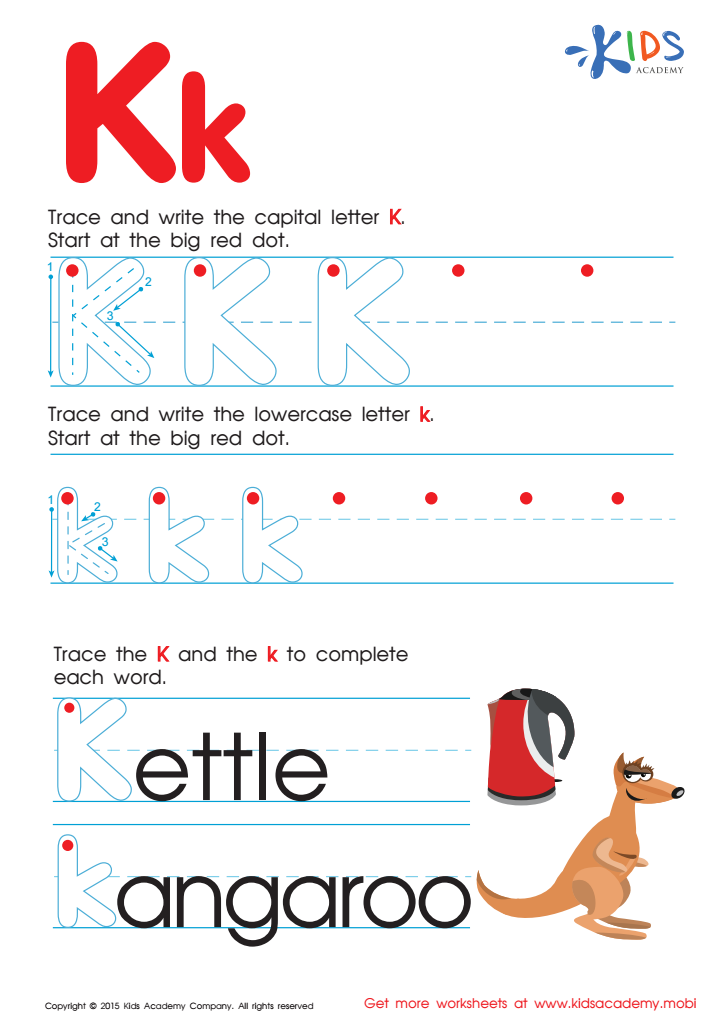
Letter K Tracing Page
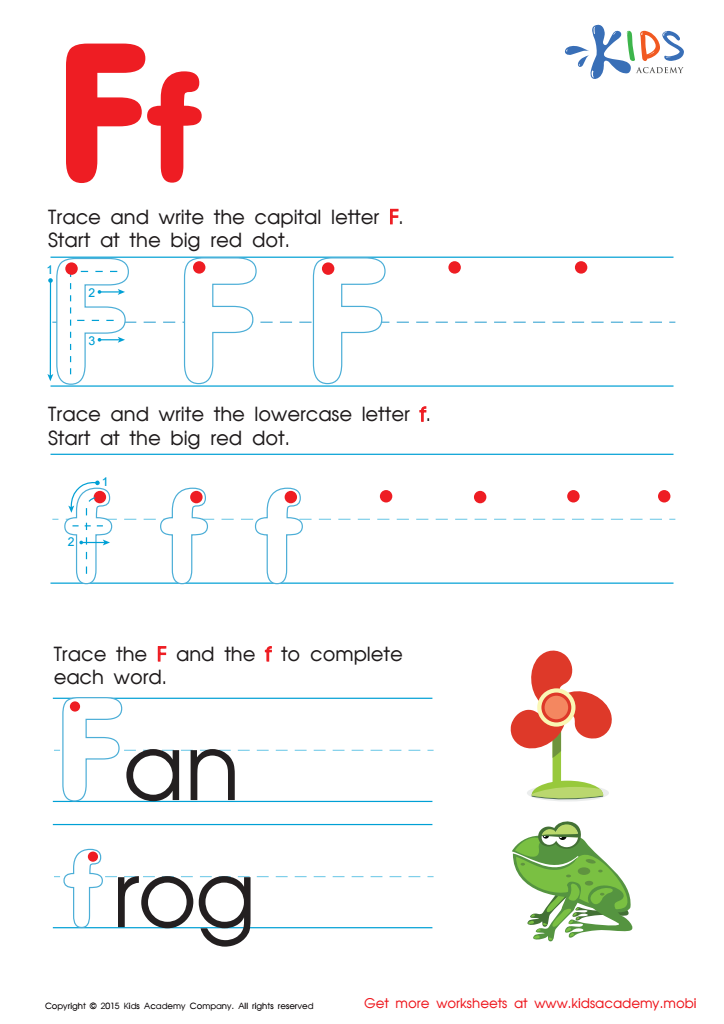
Letter F Tracing Page







Parents and teachers should prioritize handwriting skills, including normal tracing of letters, for 8-year-olds for several compelling reasons. First, handwriting is a foundational skill that significantly impacts a child's academic performance. Clear, legible handwriting enables children to communicate their thoughts effectively and express their creativity through writing tasks in school.
Developing fine motor skills through tracing letters helps strengthen hand-eye coordination, essential for other tasks like sports, arts, and daily activities. Mastery of handwriting also builds self-confidence in kids, fostering a positive attitude towards learning. As children develop their handwriting skills, they often take greater pride in their work, leading to increased engagement in classroom activities.
Moreover, the cognitive processes involved in handwriting—such as remembering letter formations and proper spacing—enhance overall brain development. This multi-tasking aids in improving memory retention and comprehension, both critical in their educational journey. In a world increasingly reliant on digital communication, maintaining traditional handwriting skills fosters a well-rounded skill set that includes both typing and writing by hand. Thus, fostering adequate handwriting skills at this age is crucial for lifelong learning and cognitive development.








