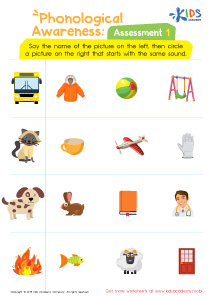
Phonics skills development Normal Vowels Worksheets for 8-Year-Olds
4 filtered results
Difficulty Level
Grade
Age
-
From - To
Subject
Activity
Standards
Enhance your child's reading abilities with our engaging Phonics Skills Development Normal Vowels Worksheets tailored for 8-year-olds. These worksheets are specifically designed to reinforce fundamental vowel concepts, helping children understand long and short vowel sounds. Interactive activities keep learning fun and stimulate critical thinking skills while promoting phonetic awareness. Our comprehensive approach ensures your child not only practices vowel recognition but also develops essential decoding skills for reading fluency. Ideal for home or classroom use, these worksheets align with educational standards, making phonics learning a rewarding experience. Unlock your child's potential and watch them confidently tackle new reading challenges!
Favorites
With answer key
Interactive
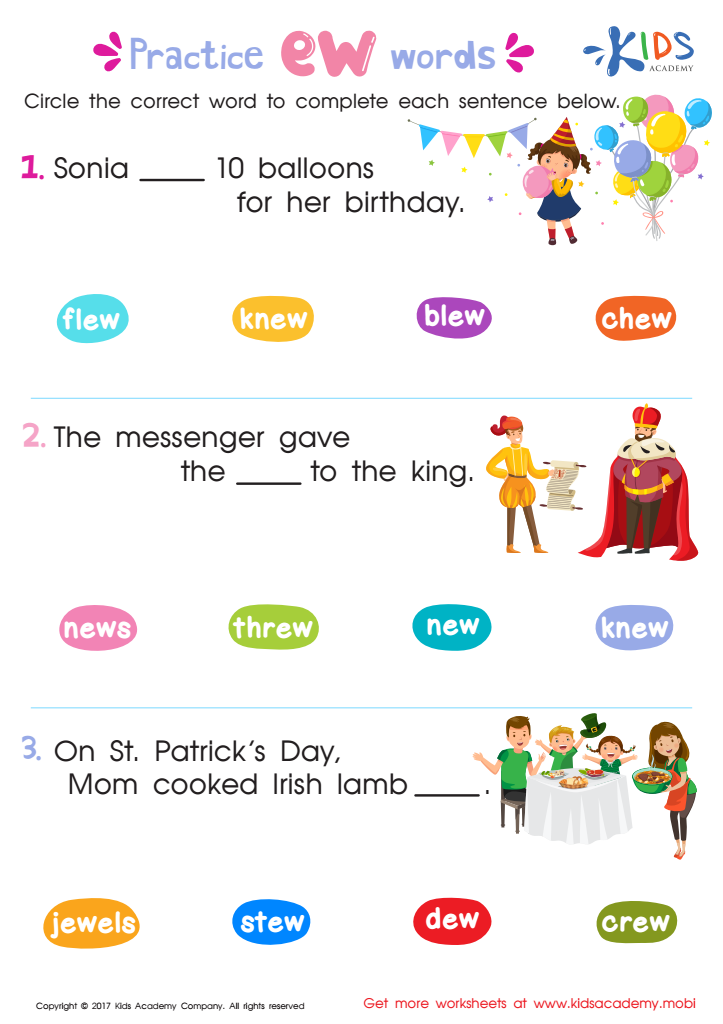
EW Words Worksheet
Practice the diphthong ew and boost your child's vocabulary with this fun ew words worksheet! Filled with illustrations, it will help your child hone their reading and spelling skills. Plus, the tricky words will make it both enjoyable and rewarding!
EW Words Worksheet
Worksheet
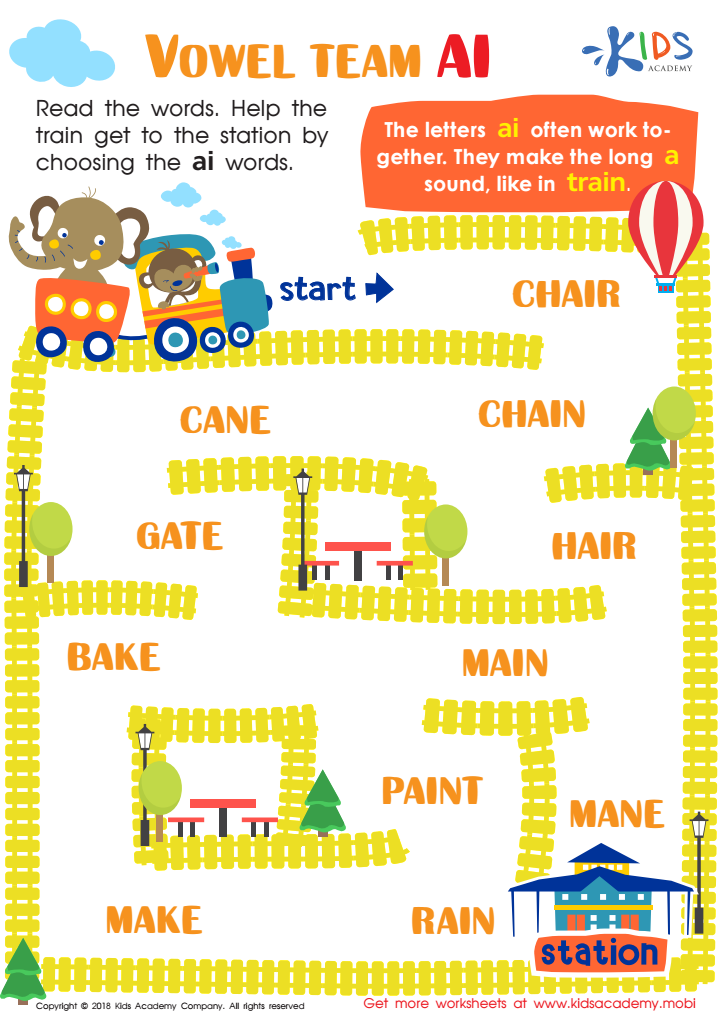
Vowel team ai Worksheet
Kids will have a blast learning about the -ai digraph with this fun worksheet. They'll read words with it and practice their motor skills as they help the animal duo get back to the train station. With success, they'll smile and enjoy the activity!
Vowel team ai Worksheet
Worksheet
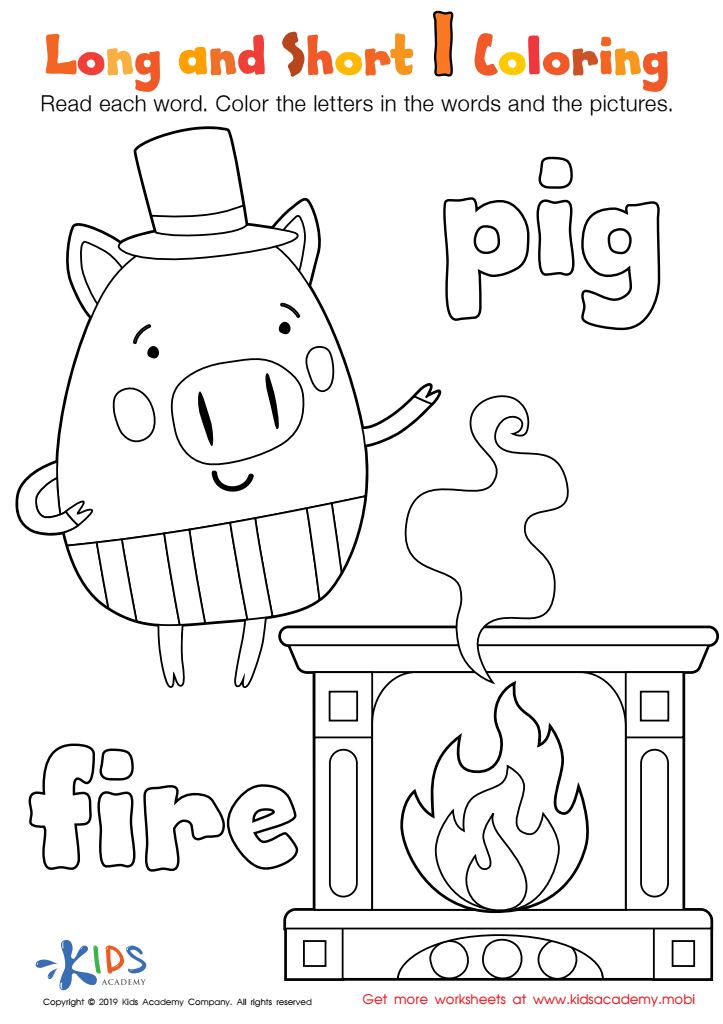
Long and Short I Worksheet
Print the worksheet and have the students read "pig" and "fire". Check for understanding the difference between long and short vowels. Color in words and pictures to make learning phonics fun! This exercise is perfect for introducing the topic to your students.
Download (PDF)
 Assign to My Students
Assign to My Students
Long and Short I Worksheet
Worksheet
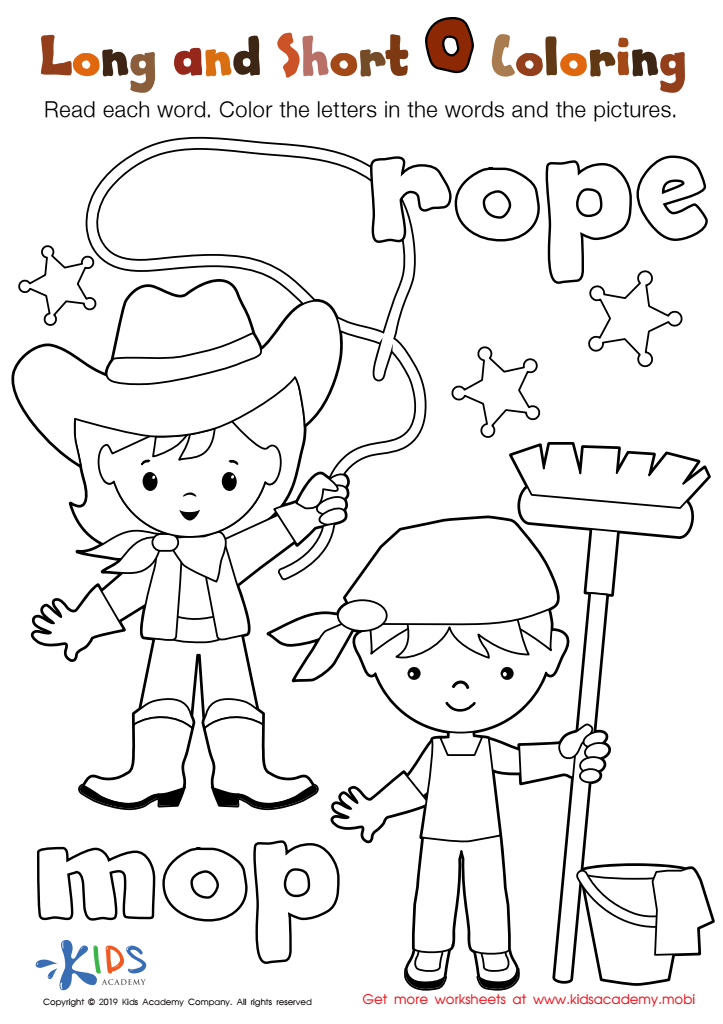
Long and Short O Worksheet
Help your students recognize the difference between long and short «Os» with this fun printout. Let them read and color-in "rope" and "mop" simultaneously. Listen to the different sounds, then color the words and pictures. Great for classes, it'll make your phonics lesson memorable and enjoyable.
Download (PDF)
Assign to My Students
Assign to My Students
Long and Short O Worksheet
Worksheet
Join Kids Academy for Free
Who is primarily going to use this learning content?





Phonics skills development, particularly for normal vowels, is crucial for 8-year-olds as it directly impacts their reading and writing abilities. At this age, children are transitioning from learning to read to reading to learn, making strong phonics foundations essential. Mastering phonics, especially vowel sounds, helps children decode words, which enhances their reading fluency and comprehension.
When children grasp the regular patterns of vowel sounds, they can tackle unfamiliar words more confidently. This not only boosts their literacy skills but also fosters a love for reading, as they can understand and enjoy higher-level texts. Furthermore, effective phonics instruction lays the groundwork for good spelling habits, reducing the likelihood of future literacy struggles.
For parents and teachers, promoting phonics skills ensures all children have equitable access to literacy opportunities. Strong reading skills are critical not only for academic success but also for lifelong learning. By focusing on normal vowels at this age, educators and parents can help children develop essential skills for effective communication and critical thinking, paving the way for future academic achievement and personal growth. Investing time in phonics development will ultimately contribute to a child's confidence and enthusiasm towards literacy.