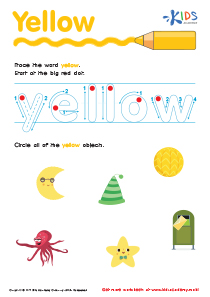
Handwriting practice Normal English for Beginners Worksheets for 8-Year-Olds - Page 2
26 filtered results
-
From - To
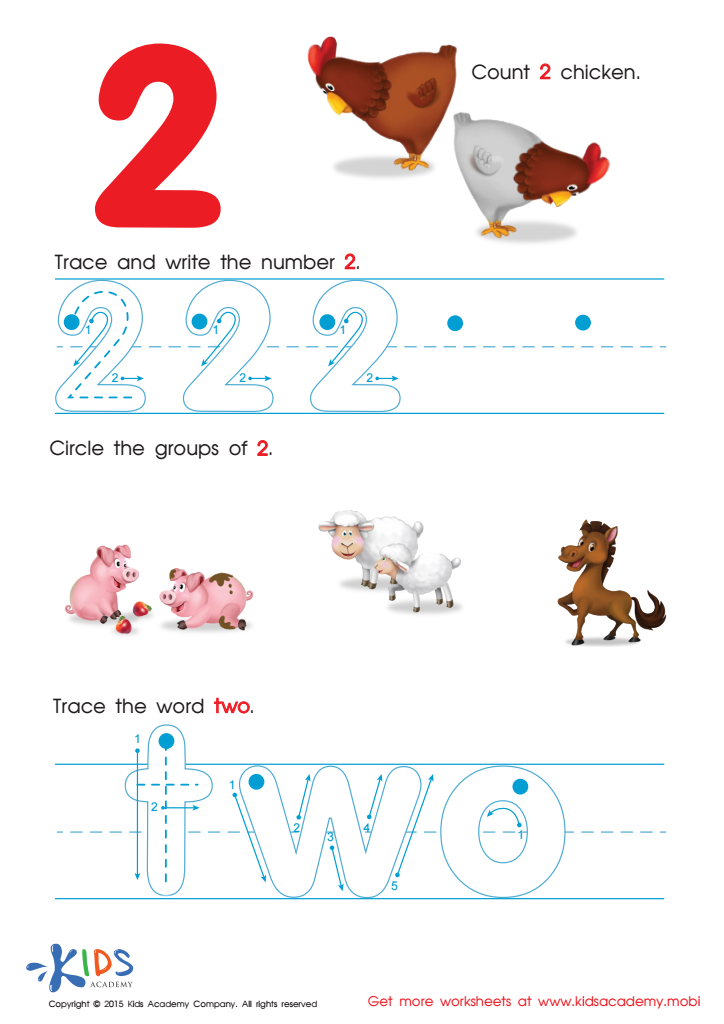
Learn to Write the Number 2 Worksheet
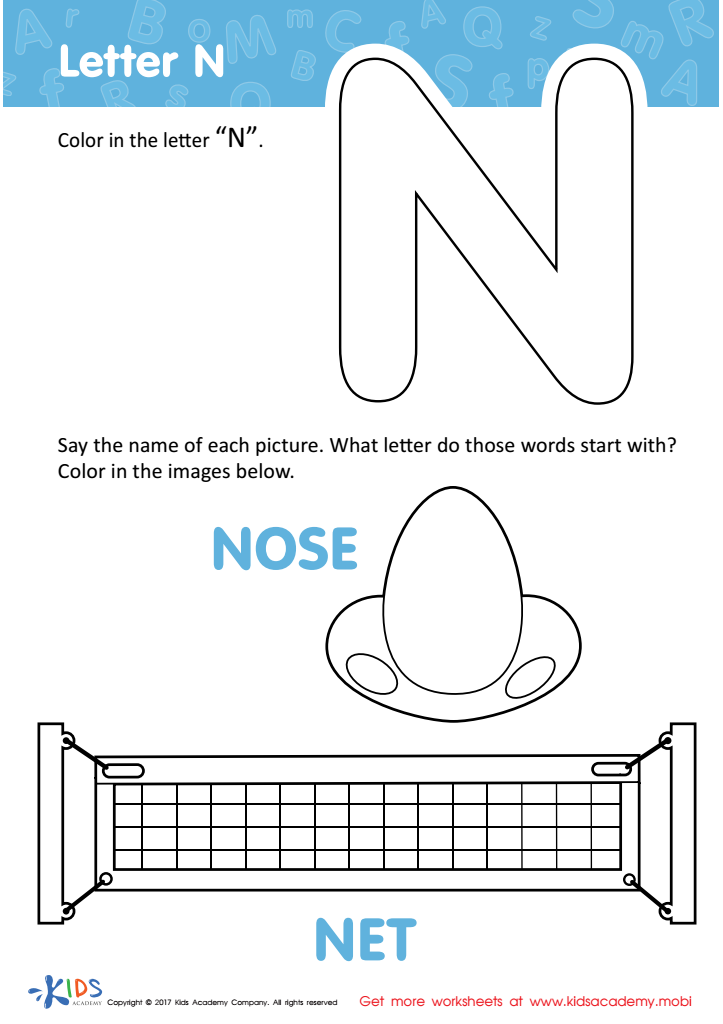
Letter N Coloring Sheet
 Assign to My Students





Handwriting practice is crucial for 8-year-olds because it serves as a foundation for their overall educational development. At this age, children are transitioning from the early stages of writing to developing more refined motor skills and fluency in their handwriting. By practicing regularly, children strengthen their hand muscles, which helps improve their fine motor skills essential for daily tasks such as buttoning clothes and tying shoelaces.
Moreover, handwriting practice enhances cognitive development. As children form letters and words, they simultaneously process sounds, shapes, and meanings, promoting better memory retention and understanding. This mental exercise aids in reading proficiency and builds stronger language skills.
Effective handwriting also boosts a child’s confidence and academic performance. Clear and legible writing allows teachers to better understand students’ work, leading to more accurate assessments and positive feedback. When children see their progress through practice, it fuels their sense of achievement and encourages a love for learning.
Lastly, good handwriting habits enhance communication. In an increasingly digital world, the ability to write clearly ensures children can leave notes, complete worksheets, and fill out forms without ambiguity. It stands as a basic yet invaluable skill, promoting independence and competency in various life situations. Therefore, both parents and teachers play pivotal roles in ensuring that children develop strong handwriting skills early on.