Visual learning stimulation Normal Worksheets for 8-Year-Olds
3 filtered results
-
From - To
Enhance your 8-year-old’s education with our Visual Learning Stimulation Worksheets. Designed to captivate young minds, these printables utilize vibrant imagery and engaging activities to foster critical learning skills. Children will develop essential visual learning capabilities, including spatial awareness, pattern recognition, and logical thinking. Ideal for both classroom and home use, our worksheets combine fun and education to create an immersive learning experience. Each task is crafted to align with educational standards, ensuring optimal learning outcomes. Ignite your child's curiosity and boost their academic success with our expertly designed visual learning materials.
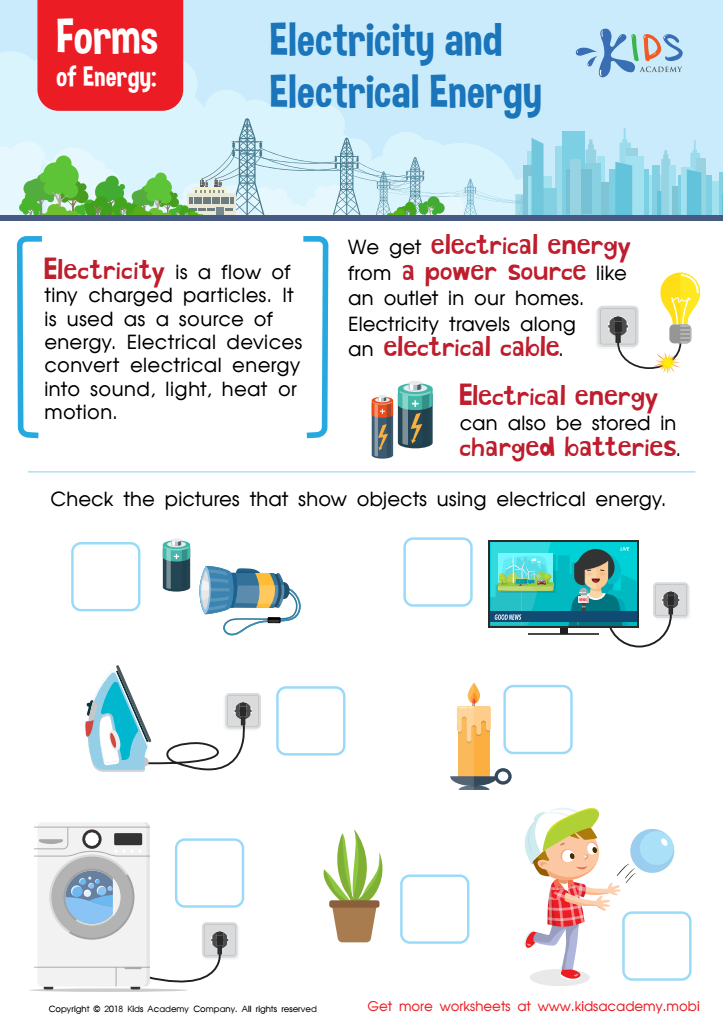
Forms of Energy Worksheet
 Assign to My Students
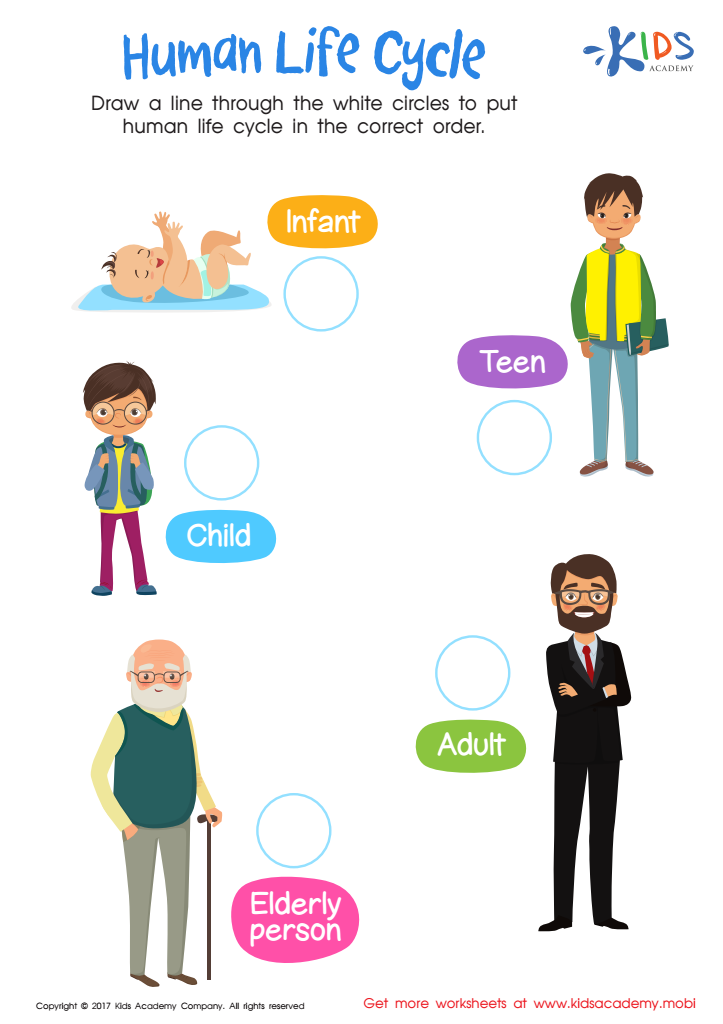
Human Life Cycle Worksheet
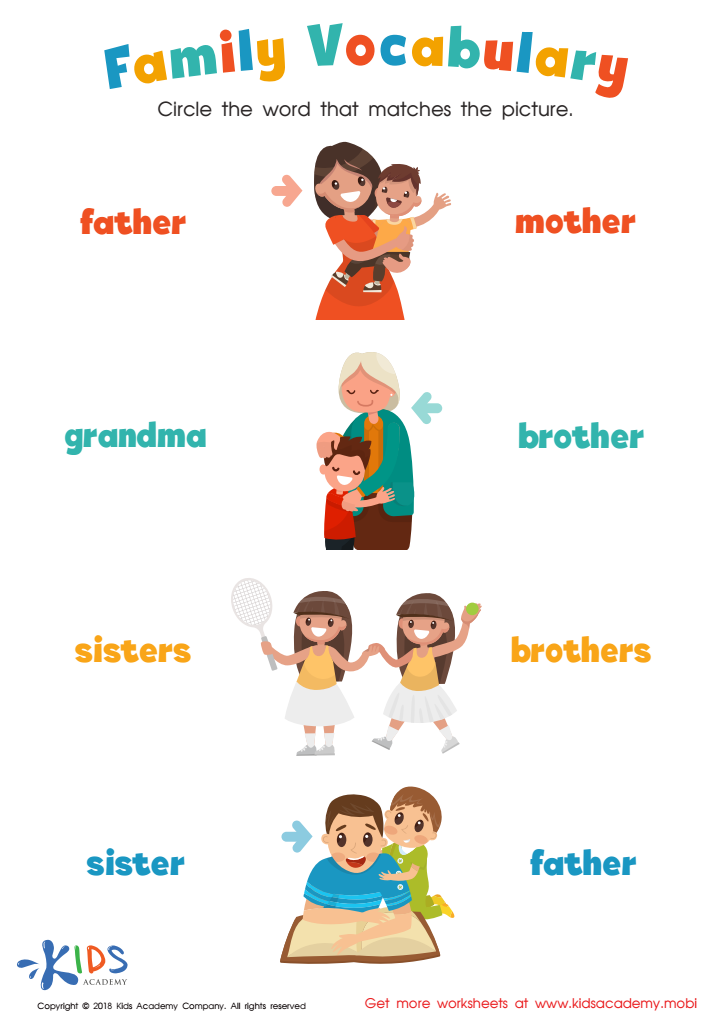
Family Vocabulary Worksheet



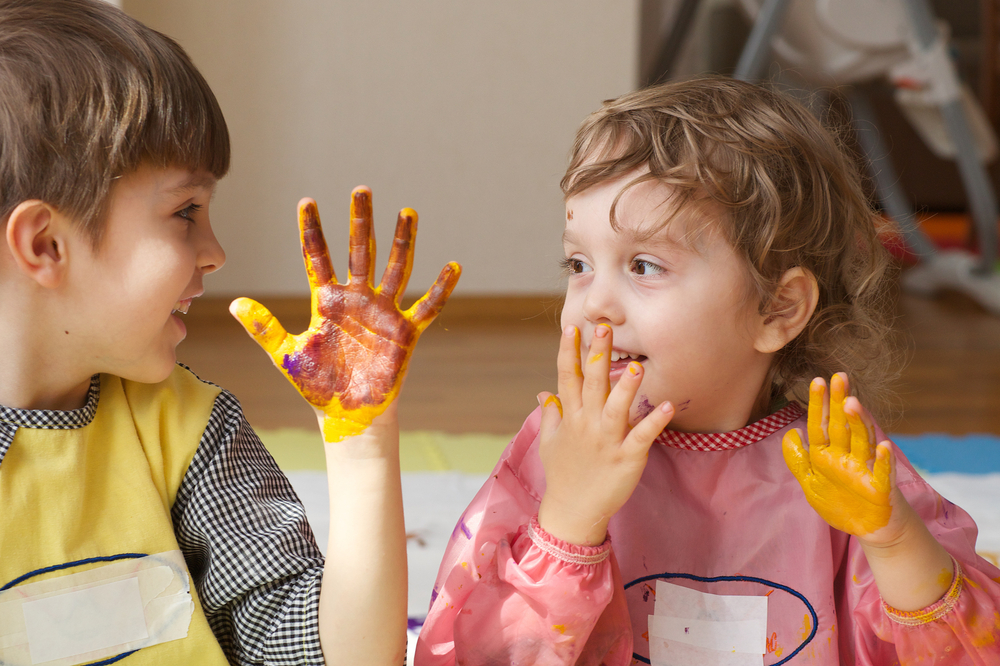

Visual learning stimulation for 8-year-olds is crucial because this age group is transitioning from dependent to more independent learners, and visual aids significantly enhance their cognitive development. At eight, children are developing critical thinking and problem-solving skills, heightening the need for diverse learning stimuli. Visual learning methodologies, like pictures, charts, infographics, and videos, cater to these needs by making abstract concepts concrete and easier to comprehend.
Children are naturally drawn to visual content, which can help sustain their attention and engagement, crucial components in effective learning. By integrating visual elements, children can better process, retain, and recall information. This is because the brain processes visual information faster and more efficiently than text alone. Additionally, images can evoke emotions, facilitating a deeper connection to the material, which helps in long-term retention.
Moreover, fostering visual learning skills prepares children for a ubiquitous visual world marked by screens and multimedia content. This stimulation can also identify and nurture children's unique creative capacities, fueling innovation. Teachers and parents who incorporate visual learning cues actively contribute to holistic child development, setting a foundation for enhanced academic performance, critical thinking, and practical problem-solving skills. Consequently, balancing traditional teaching methods with visual stimuli forms a more engaging and effective educational experience.








