Problem-Solving Skills Normal Reading Fiction Worksheets for 8-Year-Olds
5 filtered results
-
From - To
Enhance your child's reading abilities with our Problem-Solving Skills Normal Reading Fiction Worksheets designed specifically for 8-year-olds! These engaging worksheets combine entertaining stories with critical thinking exercises, encouraging young readers to analyze situations and come up with solutions. Each activity challenges students to discover character motivations, predict outcomes, and explore different scenarios, all while nurturing reading comprehension. Perfect for classrooms or at-home learning, these worksheets help develop vital skills that translate beyond reading into everyday problem-solving. Foster a love for literature and critical thinking in your child today with our thoughtfully crafted content tailored for this age group!
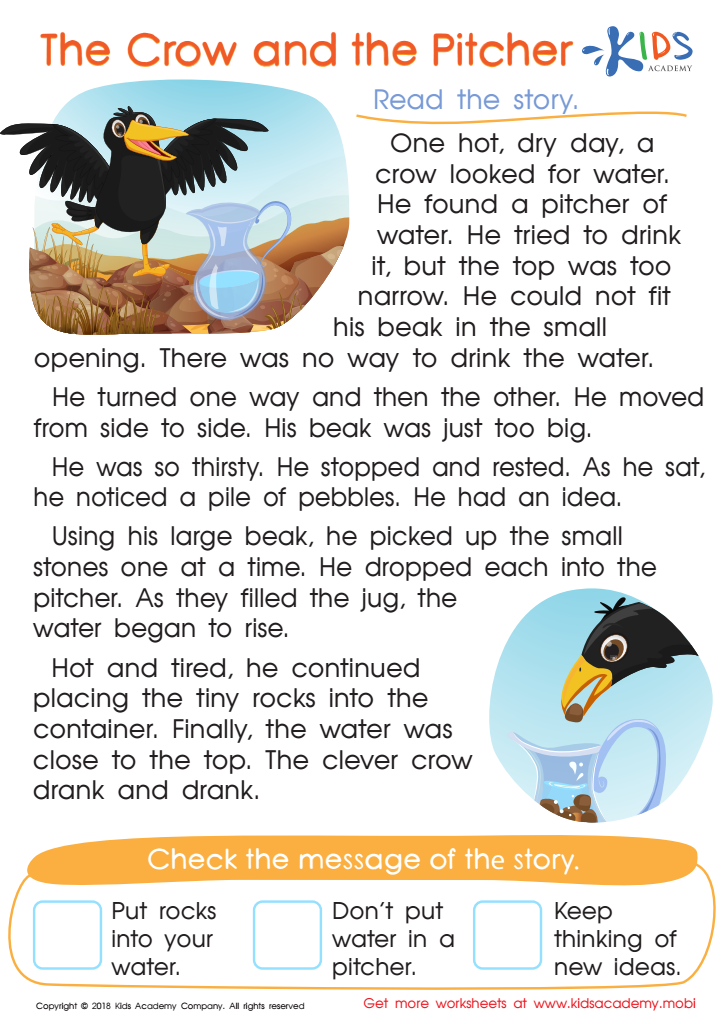
The Crow and the Pitcher Worksheet
 Assign to My Students
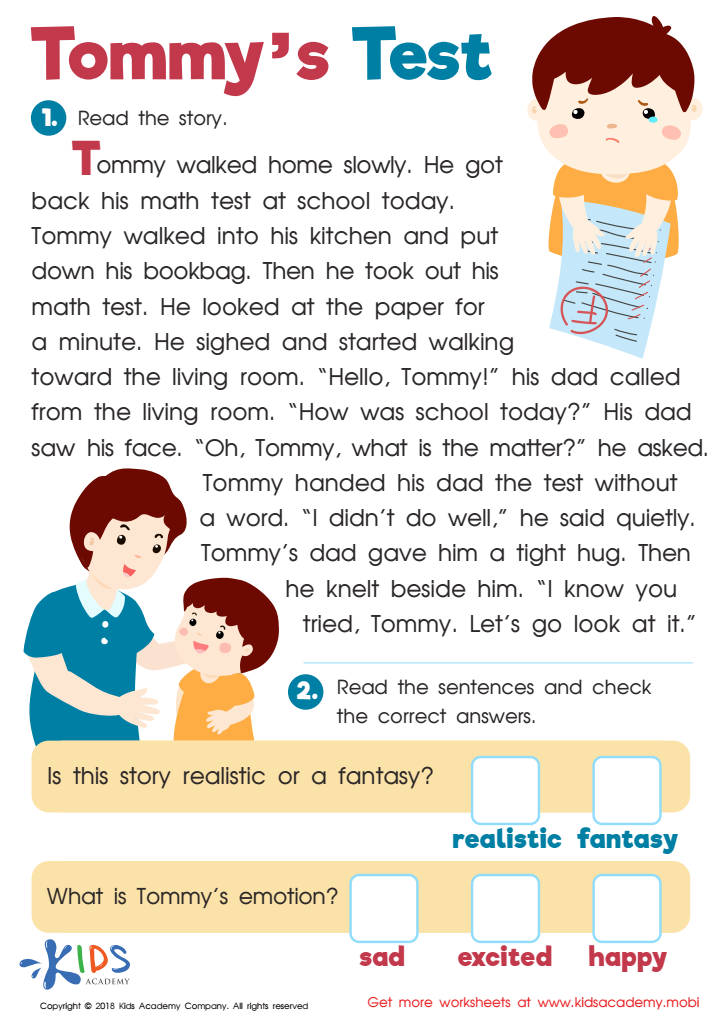
Tommys Test Worksheet
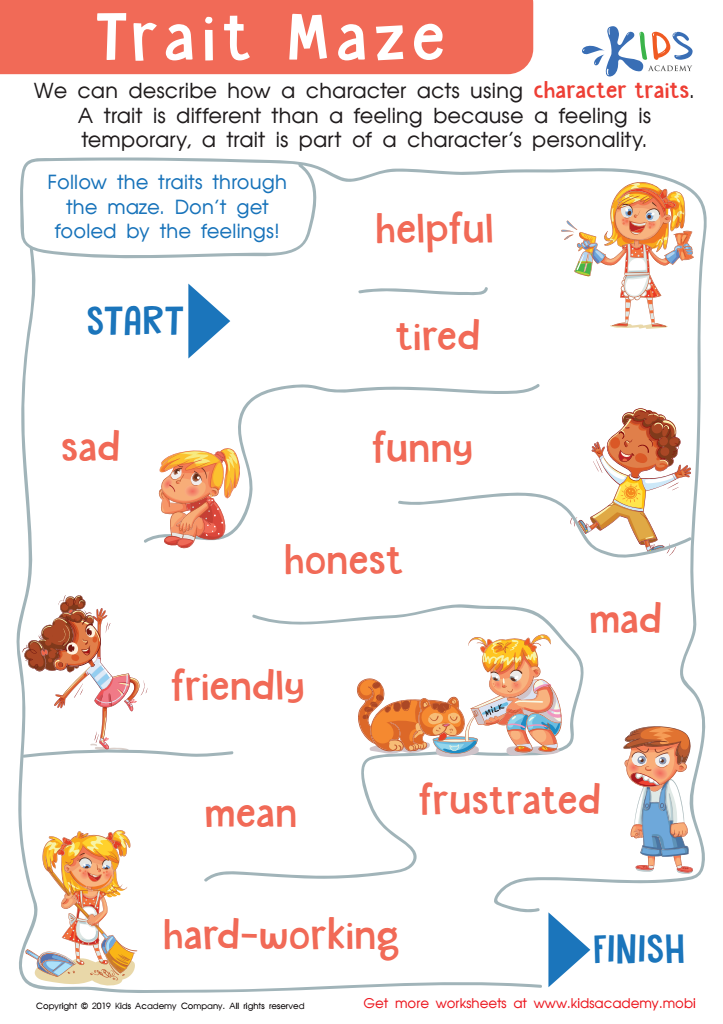
Trait Maze Worksheet
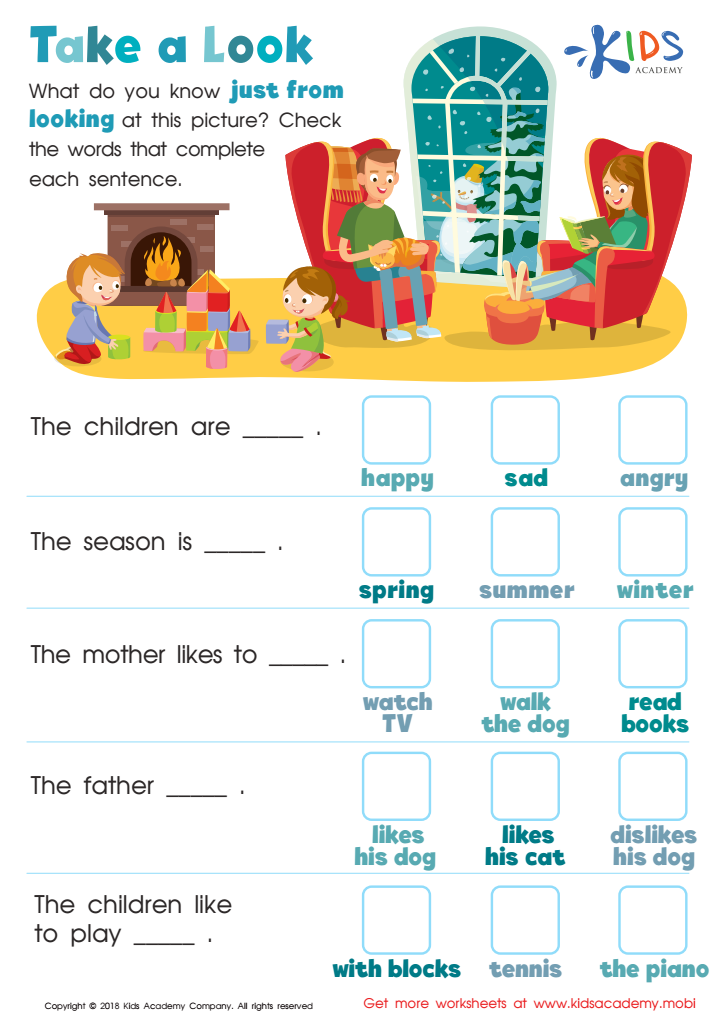
Take a Look - Part 1 Worksheet
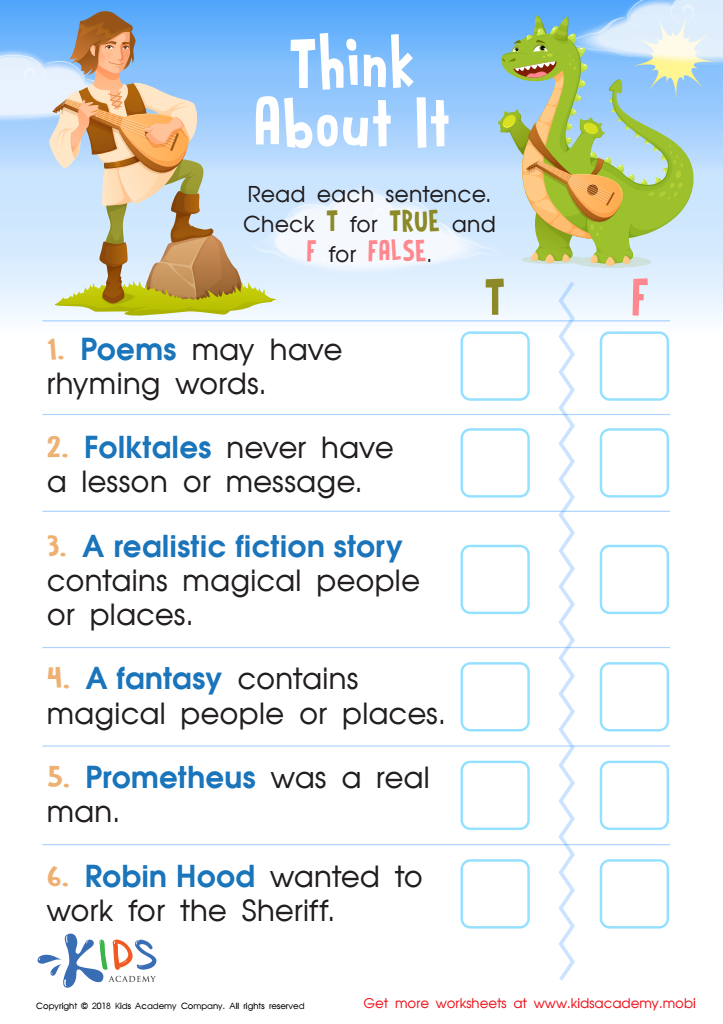
Think About It: Assessment Worksheet








Problem-solving skills are crucial for 8-year-olds, as they lay the foundation for critical thinking, resilience, and decision-making abilities. When children engage with normal reading fiction, they are exposed to various scenarios, challenges, and conflicts that characters face. This exposure allows them to practice identifying problems, considering multiple solutions, and evaluating the outcomes, fostering their analytical skills in a contextual setting.
Moreover, reading fiction enhances empathy, enabling children to understand different perspectives and emotions. This understanding is vital for resolving real-life conflicts and promotes social skills and teamwork. Teachers and parents should care about cultivating these skills as they contribute significantly to a child's academic success and personal growth.
As children learn to navigate fictional challenges, they become more confident in their problem-solving abilities beyond the classroom. Additionally, problem-solving is a transferable skill; the strategies children develop while reading can be applied to mathematics, science, and everyday life situations. By prioritizing problem-solving through reading fiction, we empower our young learners to tackle challenges head-on, ultimately preparing them for more complex tasks as they grow. This holistic development is essential for nurturing well-rounded, capable individuals who can thrive in an ever-changing world.







