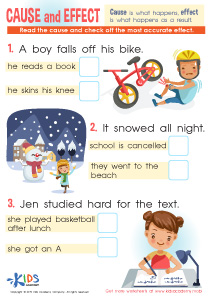
Vocabulary development Normal Reading Non-Fiction Worksheets for 8-Year-Olds
3 filtered results
-
From - To
Elevate your 8-year-old’s language skills with our Vocabulary Development Normal Reading Non-Fiction Worksheets! These meticulously crafted resources engage young learners through captivating non-fiction texts. Designed to enhance critical thinking, each worksheet offers activities that improve vocabulary recognition and usage. Optimize your child’s comprehension abilities with exercises that cover context clues, definitions, synonyms, and antonyms. Allow your child to explore fascinating subjects while mastering new words in a fun, educational way. Perfect for home use or classroom integration, these worksheets ensure robust vocabulary growth, setting a strong foundation for future learning. Unlock the joy of reading with Kids Academy today!
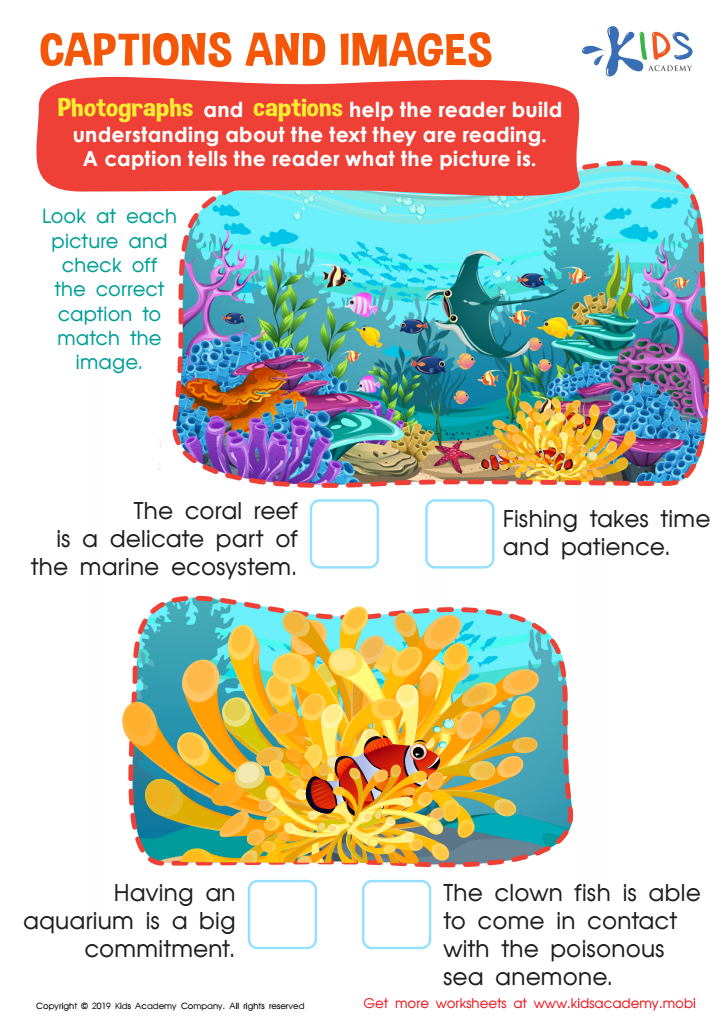
Captions and Images Worksheet
 Assign to My Students
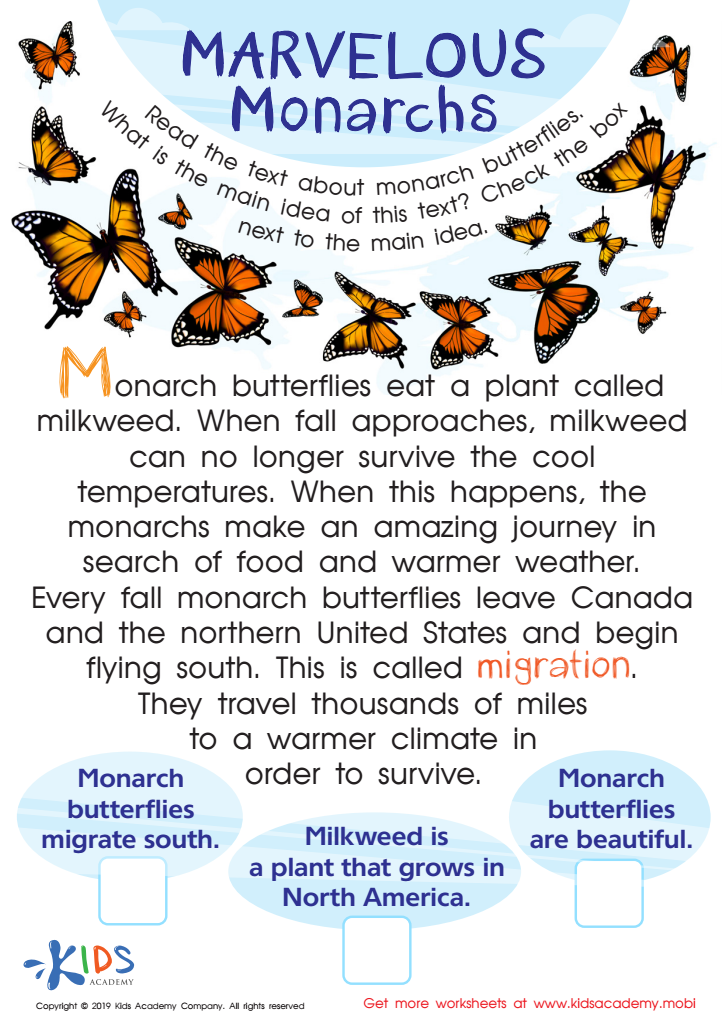
Marvelous Monarchs Worksheet
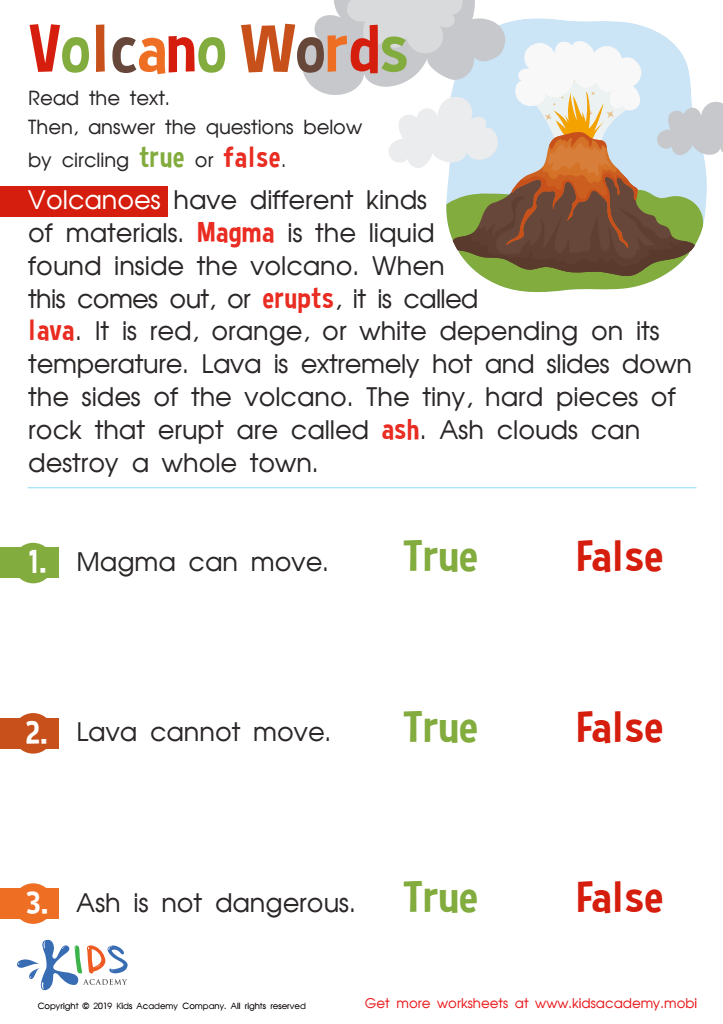
Volcano Words Worksheet








Vocabulary development in 8-year-olds is crucial as it serves as a cornerstone for effective communication, cognitive growth, and future academic success. At this age, children transition from learning to read to reading to learn, making vocabulary acquisition indispensable. Engaging with a rich vocabulary enables children to better understand and interpret the world around them.
Reading non-fiction is particularly beneficial as it introduces children to real-world concepts and diverse subject matters, enhancing their general knowledge. Non-fiction texts often contain domain-specific vocabulary that can broaden a child's linguistic repertoire and background knowledge, essential for reading comprehension and critical thinking. This knowledge aids in bridging the gap across subjects like science, history, and geography, fostering a more holistic educational experience.
Furthermore, a strong vocabulary boosts a child's confidence in expressing ideas, asking questions, and participating in discussions, all vital skills for social interaction and learning. It also supports writing proficiency, enabling students to articulate their thoughts more clearly and effectively.
Ultimately, investing time and effort in fostering vocabulary development through non-fiction reading nurtures curious, informed, and articulate young minds. It lays a solid foundation for lifelong learning, equipping children with the tools they need to succeed both academically and in everyday life.