Map reading skills Normal Geography Worksheets for 8-Year-Olds
4 filtered results
-
From - To
Enhance your 8-year-old's geographical understanding with our engaging Map Reading Skills worksheets! Designed specifically for young learners, these interactive materials help children develop essential map literacy. Your child will explore concepts like symbols, grid coordinates, scale, and direction, fostering critical thinking and spatial awareness. With colorful illustrations and age-appropriate challenges, these worksheets make learning fun and effective. Perfect for classroom use or at-home practice, our Normal Geography Worksheets encourage exploration and curiosity about the world. Get started today and empower your child to navigate maps with confidence while building a solid foundation in geography!
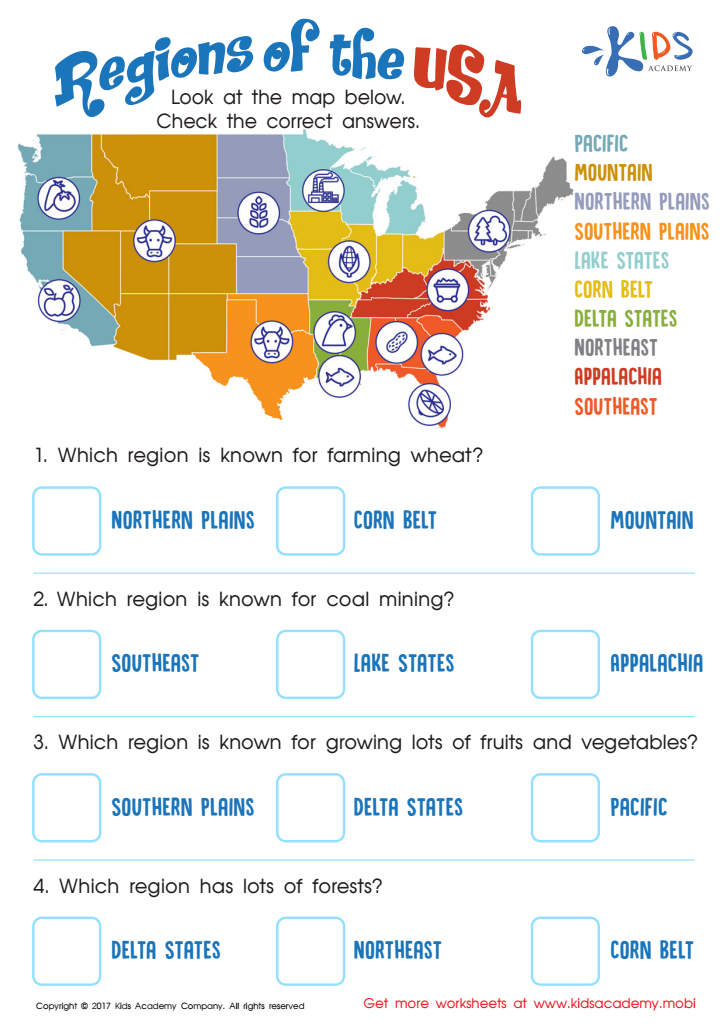
Regions of the USA Worksheet
 Assign to My Students
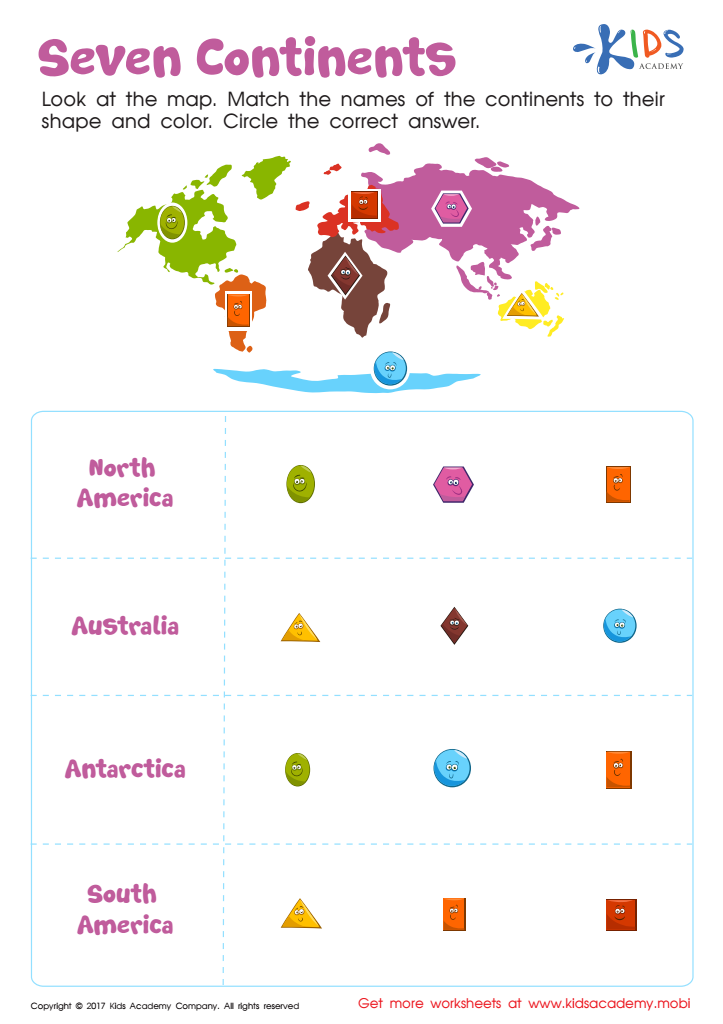
Seven Continents Worksheet
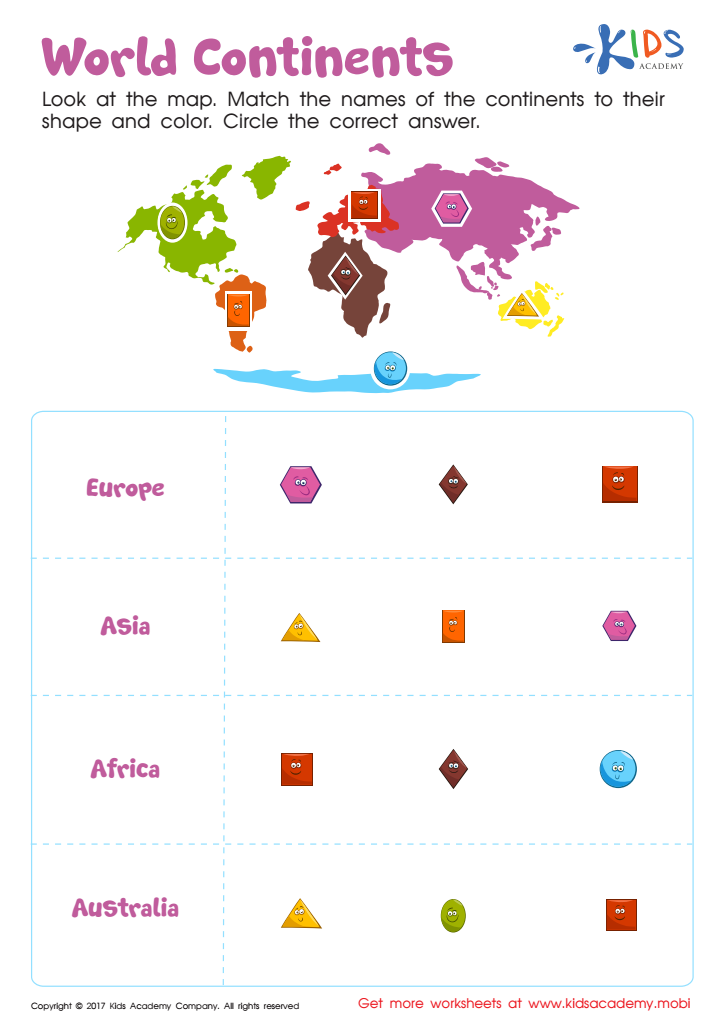
World Continents Worksheet
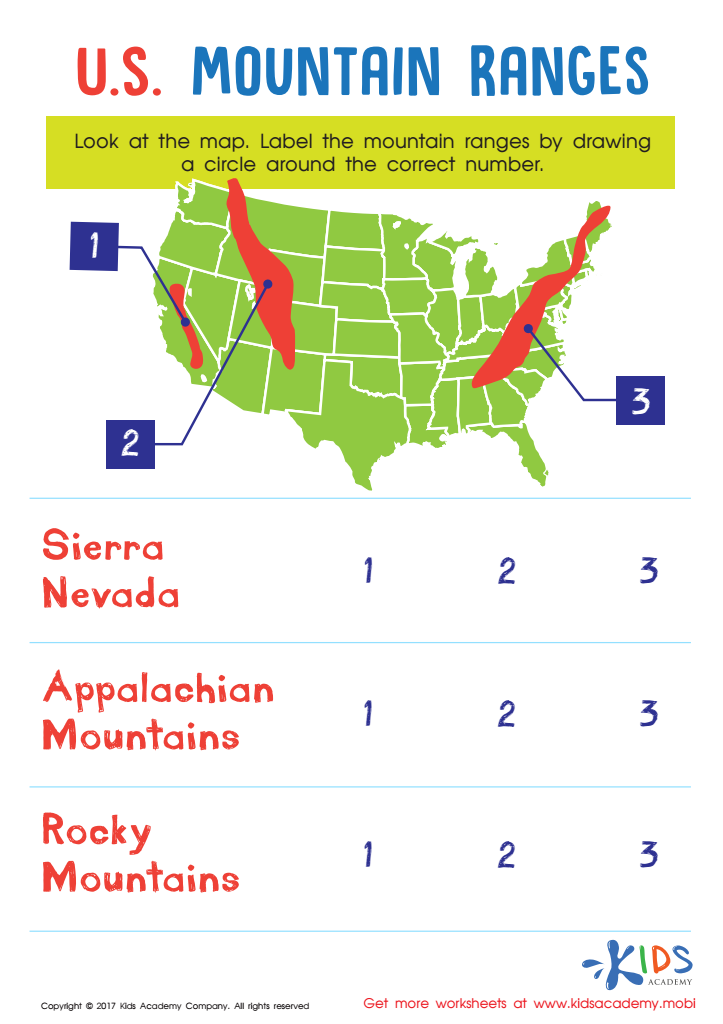
US Mountain Ranges Worksheet




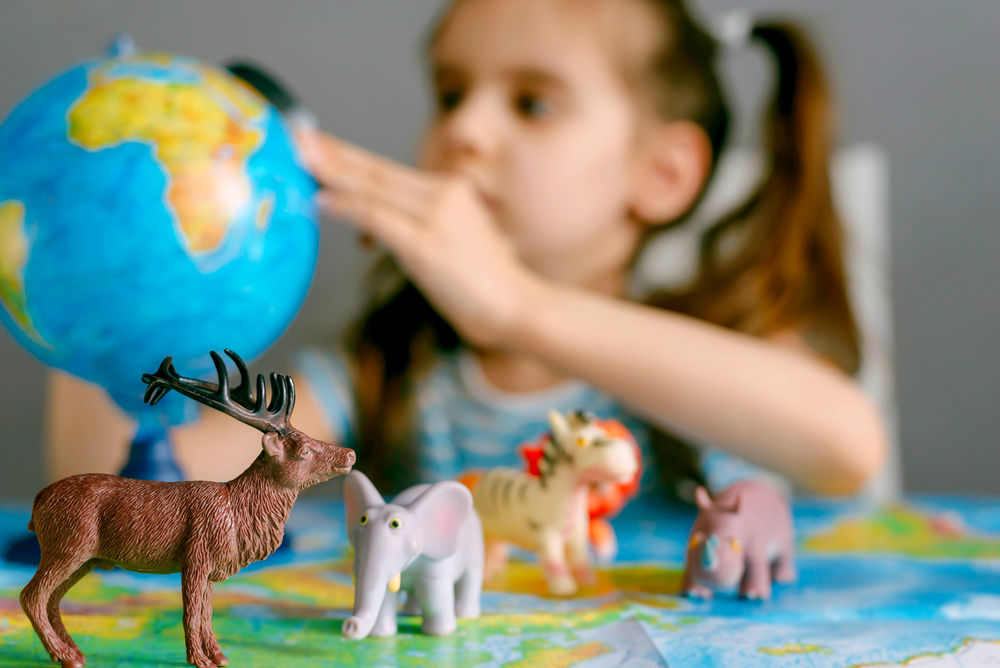


Parents and teachers should care about map reading skills for 8-year-olds because these skills foster essential developmental competencies that benefit children academically and socially. Understanding maps enhances spatial reasoning, a crucial cognitive skill that contributes to problem-solving in various subjects, including mathematics and science. As children learn to interpret symbols, legends, and scales, they develop critical thinking skills that empower them to navigate their environments more effectively.
Moreover, map reading connects students to the world around them, cultivating curiosity about geography and culture. This knowledge can lead to a greater appreciation for diversity and global awareness. In an increasingly digital age, where many children rely on GPS and technology for navigation, understanding traditional maps promotes independence and confidence in exploring new places.
Learning map skills also encourages teamwork, as students often work together on projects that involve navigating or creating their own maps. This collaboration enhances communication skills and builds a sense of community among peers. Ultimately, developing robust map reading abilities in children not only supports academic growth but also equips them with life skills that will serve them well beyond the classroom, making navigation and exploration enjoyable and enriching experiences.








