Phonics Skills Normal Alphabet Worksheets for 9-Year-Olds
4 filtered results
-
From - To
Our "Phonics Skills Normal Alphabet Worksheets for 9-Year-Olds" are designed to enhance young learners' reading and writing abilities through engaging activities. These worksheets focus on essential phonics skills, helping children identify letter sounds, recognize word patterns, and improve their phonemic awareness. With a variety of exercises such as matching activities, sound recognition, and word-building tasks, students will be motivated to enhance their literacy skills while having fun! Perfect for classroom use or at-home practice, our printable materials provide a structured approach to mastering phonics. Equip your child with the tools they need for reading success today!
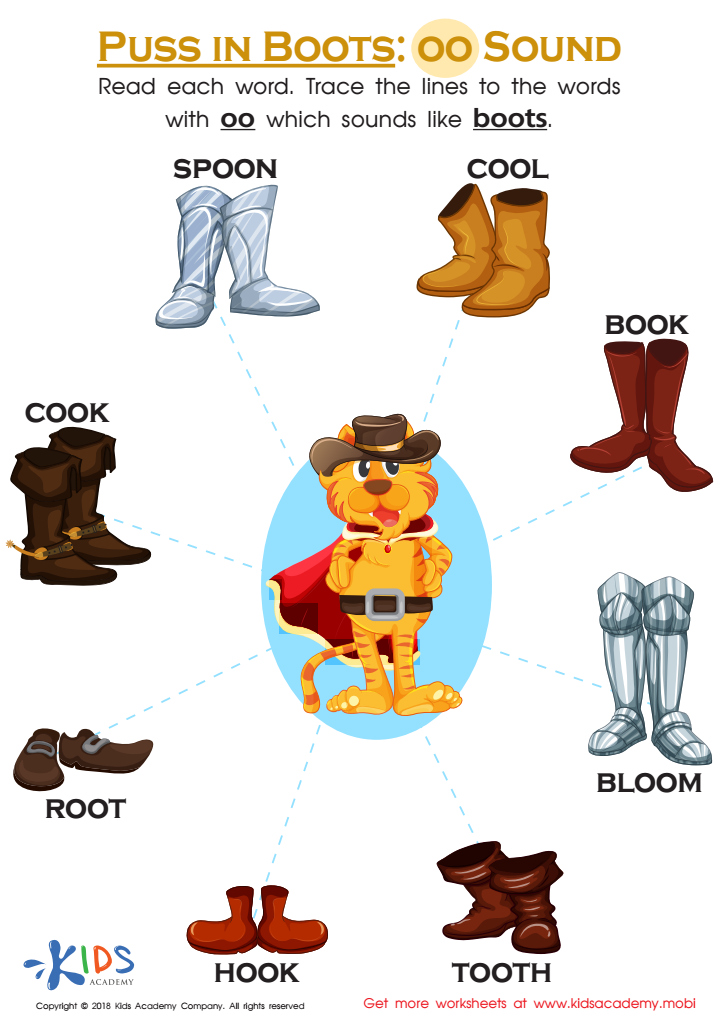
Puss in Boots: OO Sound Worksheet
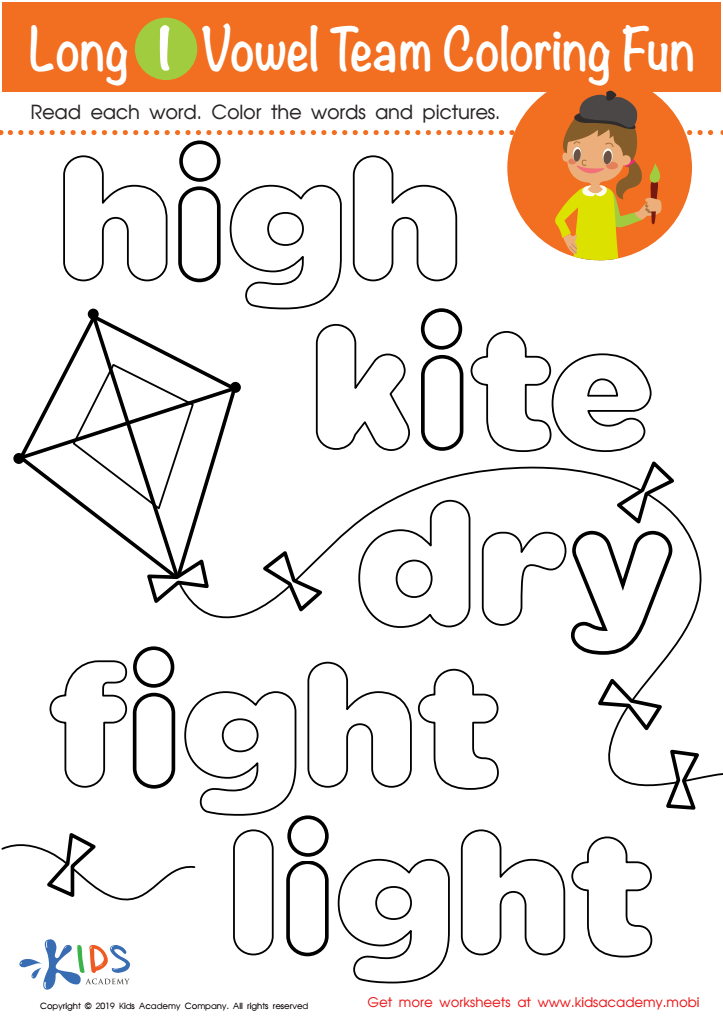
Long I Vowel Team Coloring Worksheet
 Assign to My Students
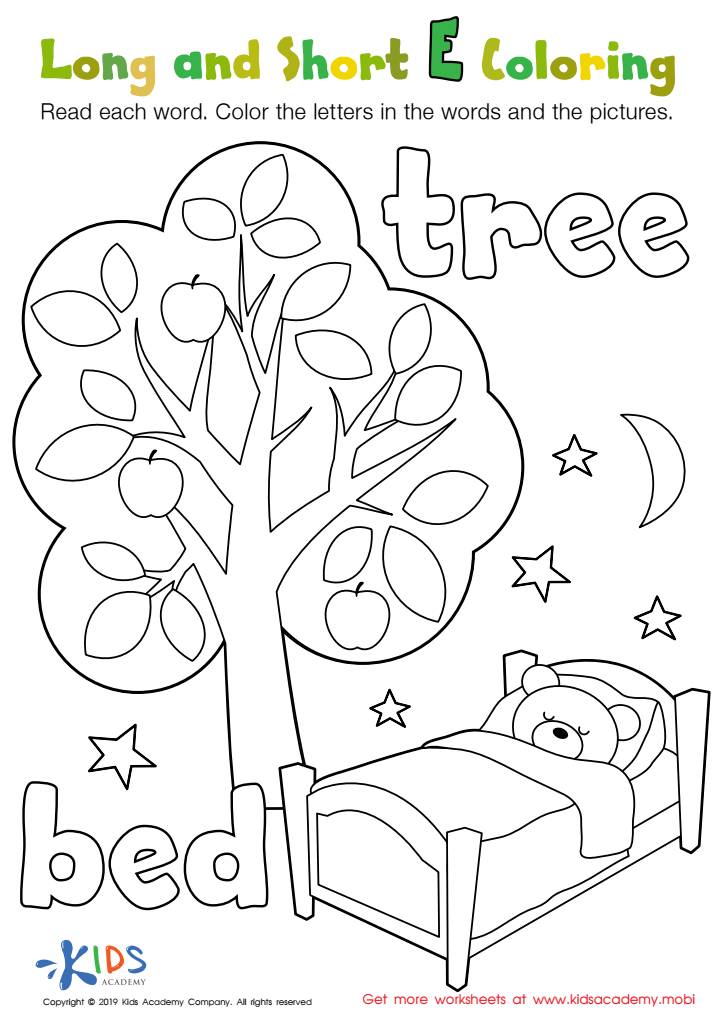
Long and Short E Worksheet
Assign to My Students
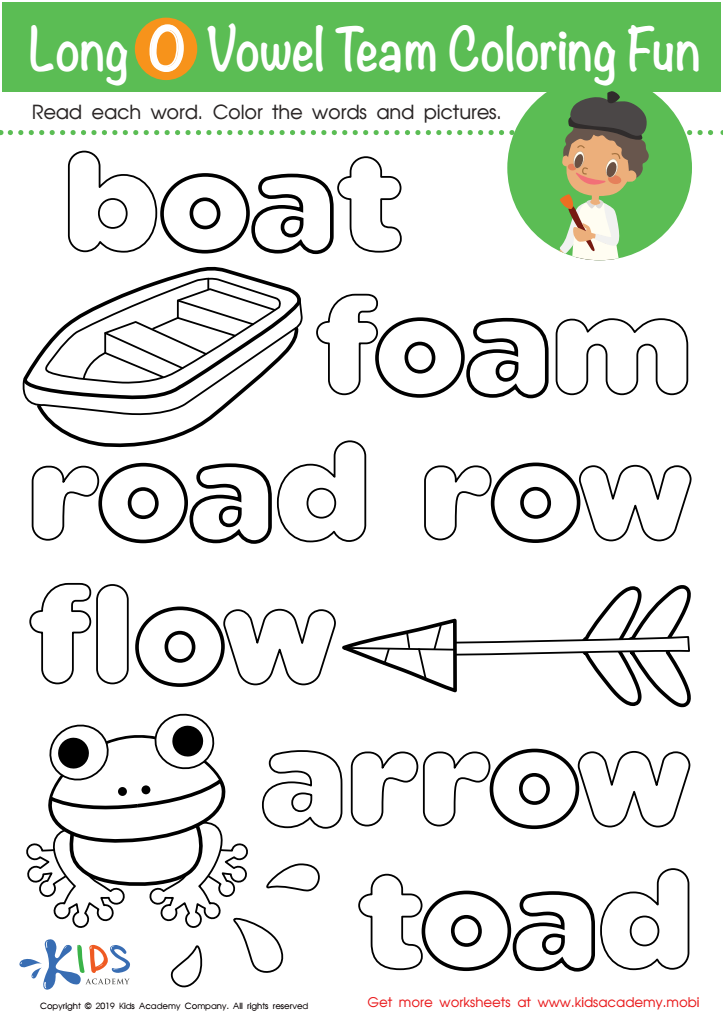
Long O Vowel Team Coloring Worksheet
Assign to My Students







Parents and teachers should prioritize phonics skills for 9-year-olds because these foundational skills are essential for reading fluency and comprehension. At this age, children are transitioning from learning to read to reading to learn. Proficient phonics skills enable them to decode complex texts, enhancing their ability to grasp various subjects. This literacy is critical, as strong reading skills correlate with success across all areas of education.
Additionally, phonics instruction supports spelling and writing skills. When children understand the relationship between letters and sounds, they can construct words more accurately, improving their communication skills. This is particularly important as they begin writing more complex sentences and narratives in later grades.
Furthermore, phonics skills promote confidence in young readers. When children can easily decipher words, they are more likely to enjoy reading, fostering a lifelong love for books and learning. Given the diverse challenges some students may face in literacy, early intervention through phonics can help bridge gaps in learning, ensuring all students have equitable access to educational opportunities.
Ultimately, prioritizing phonics skills not only aids individual literacy development but also supports overall academic achievement and self-Esteem in children.







