Fine Motor Skills Normal Letter Recognition Worksheets for 9-Year-Olds
25 filtered results
-
From - To
Enhance your child's fine motor skills and letter recognition with our engaging worksheets designed for 9-year-olds! These printable activities offer a perfect blend of learning and fun, helping children refine their hand-eye coordination while mastering the alphabet. Each worksheet features vibrant illustrations and interactive exercises that not only encourage recognition of letters but also promote writing skills through tracing and coloring tasks. Ideal for both classroom and home use, these resources cater to various learning styles, making literacy education enjoyable. Download now to support your child's developmental journey and watch them flourish as they gain confidence in their letter recognition abilities!
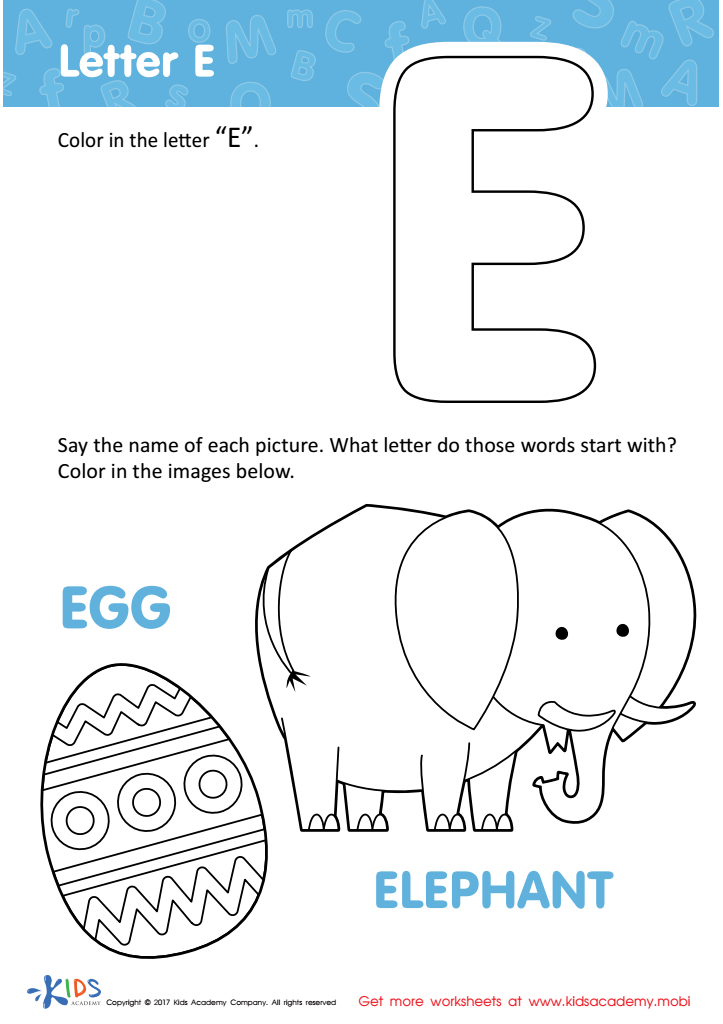
Letter E Coloring Sheet
 Assign to My Students
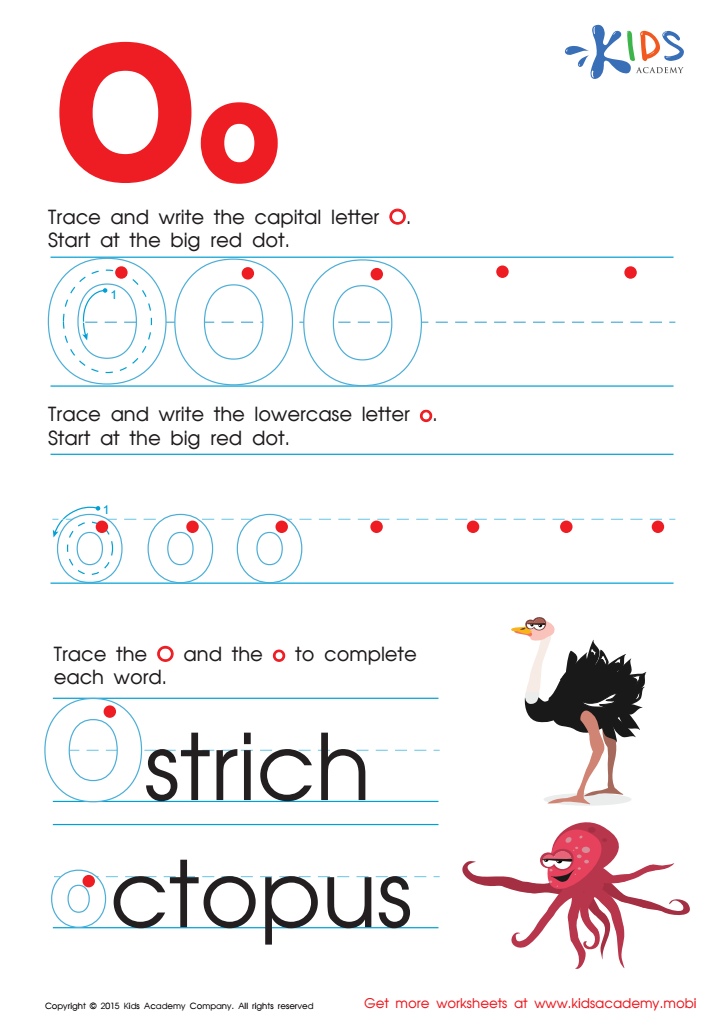
Letter O Tracing Page

Letter P Tracing Page
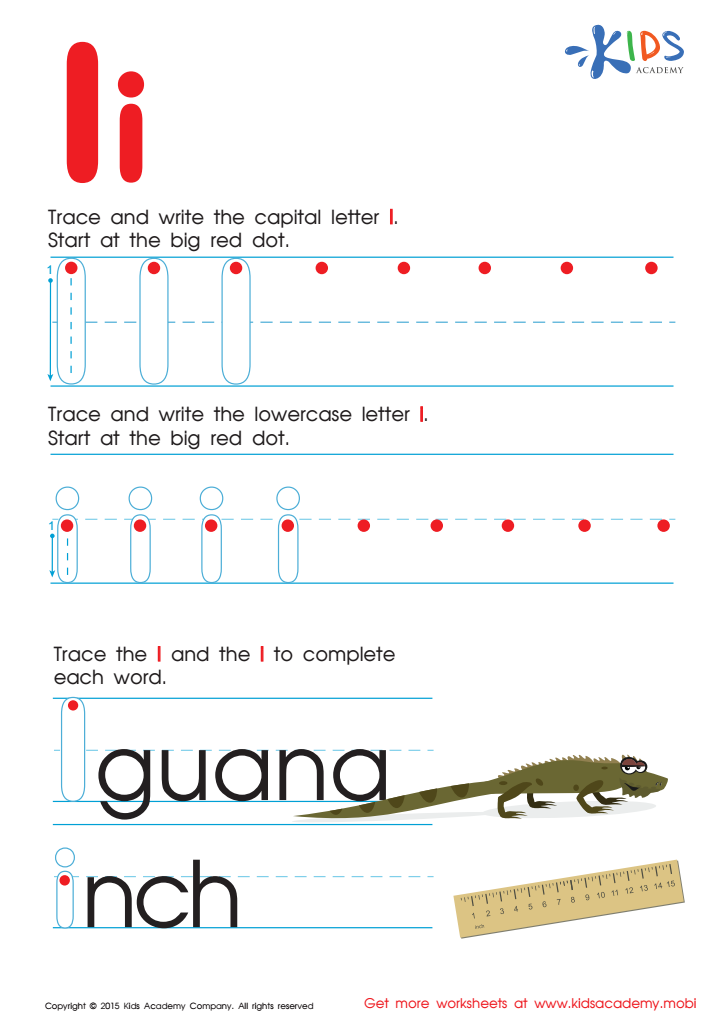
Letter I Tracing Page
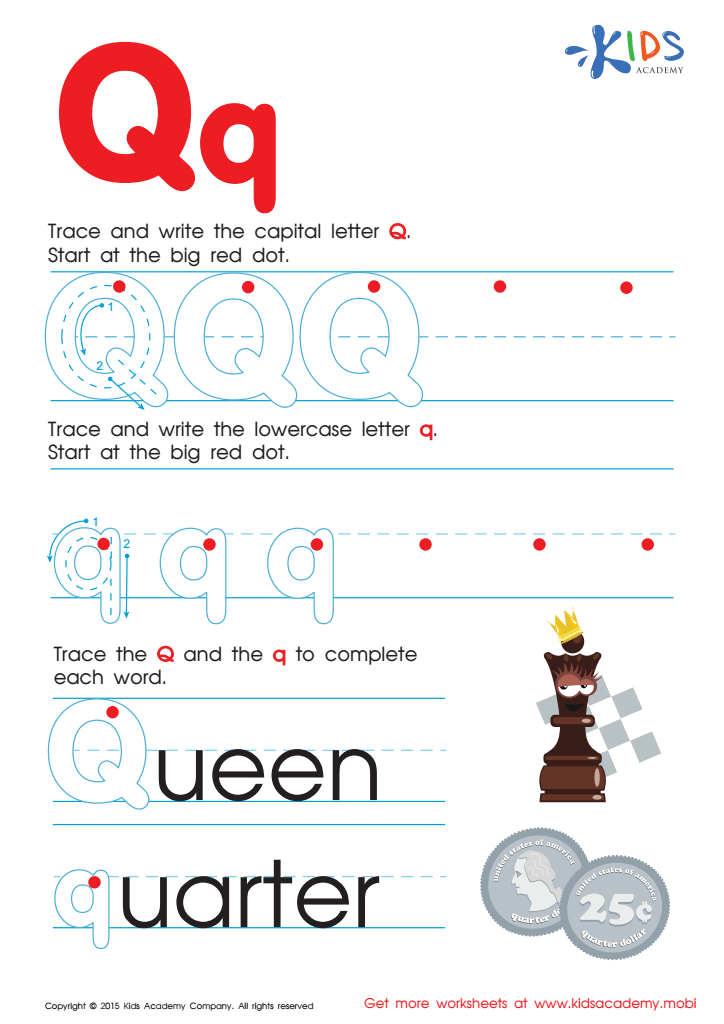
Letter Q Tracing Page
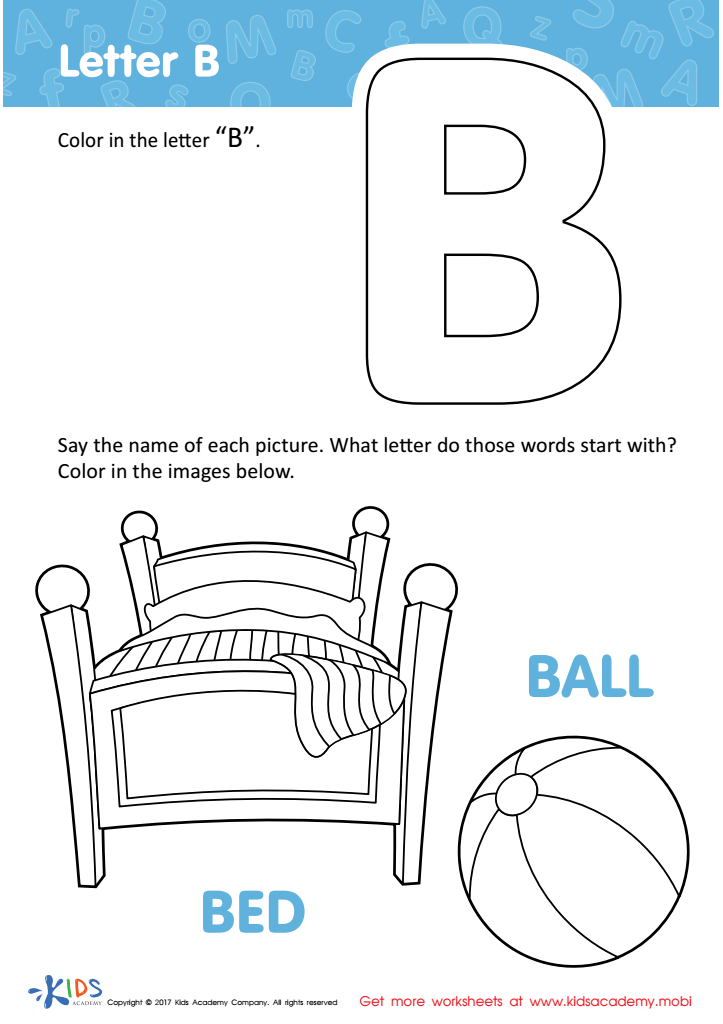
Letter B Coloring Sheet
Assign to My Students
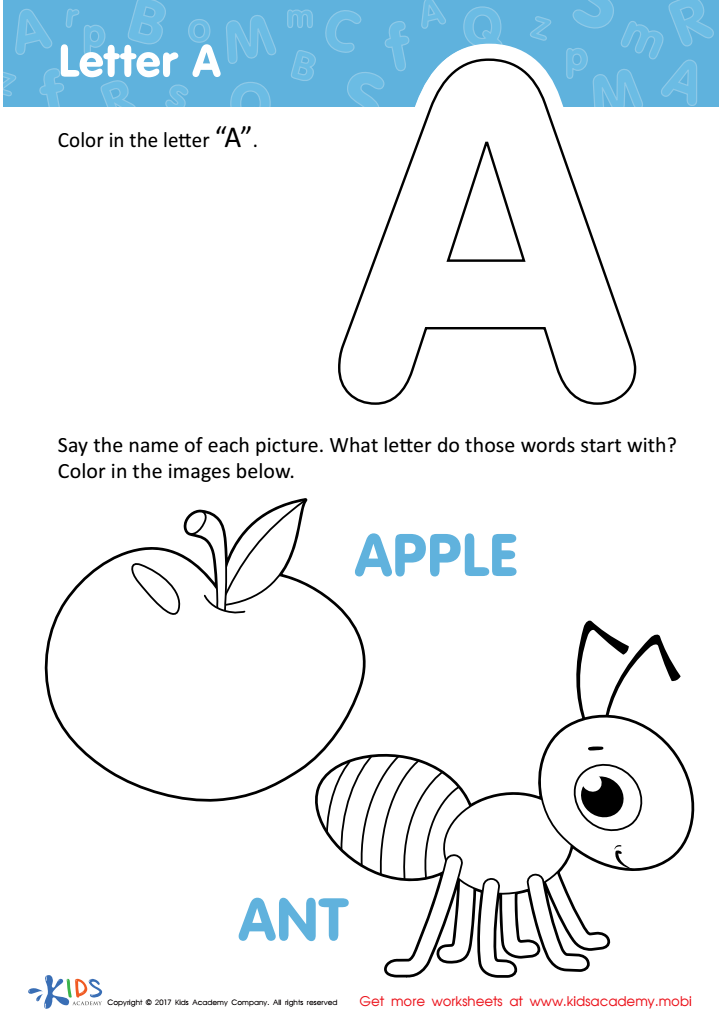
Letter A Coloring Sheet
Assign to My Students
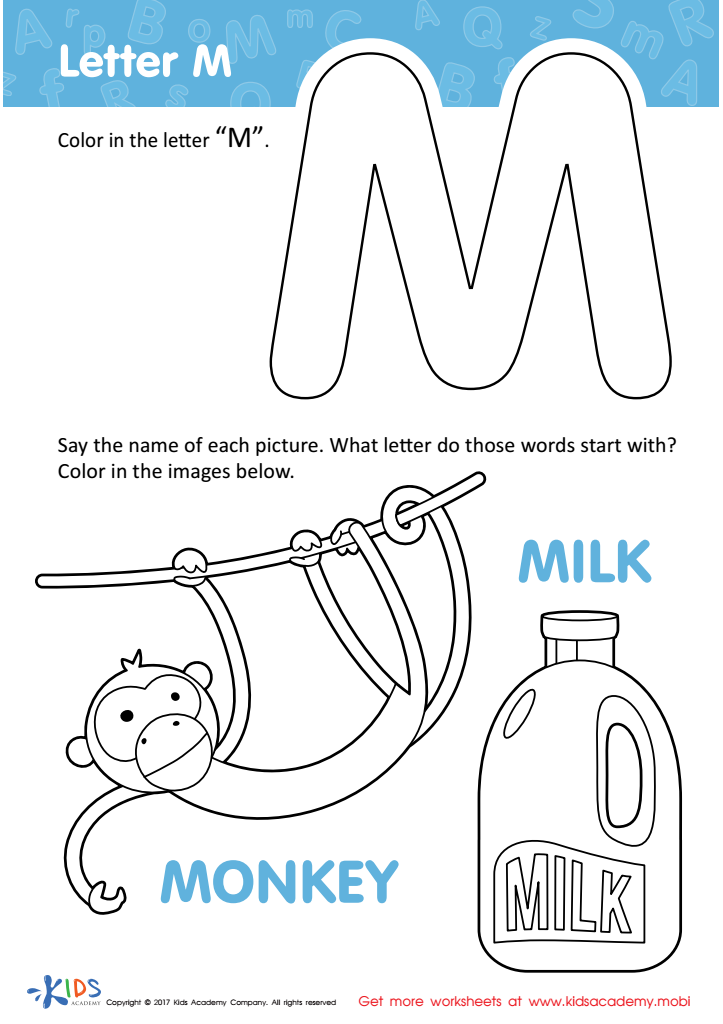
Letter M Coloring Sheet
Assign to My Students
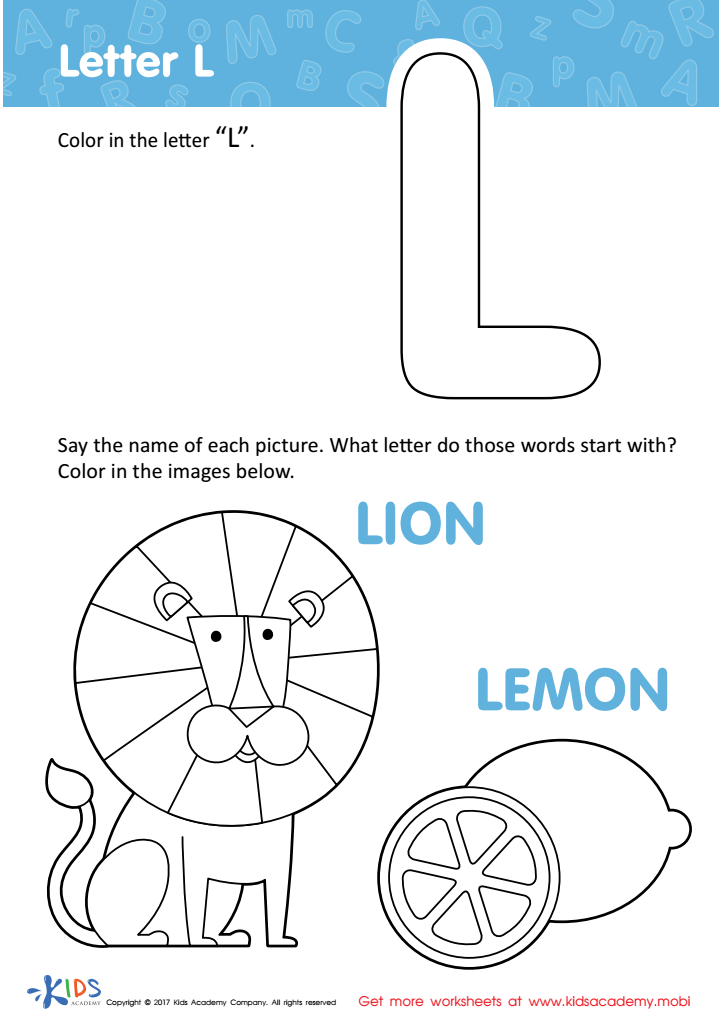
Letter L Coloring Sheet
Assign to My Students
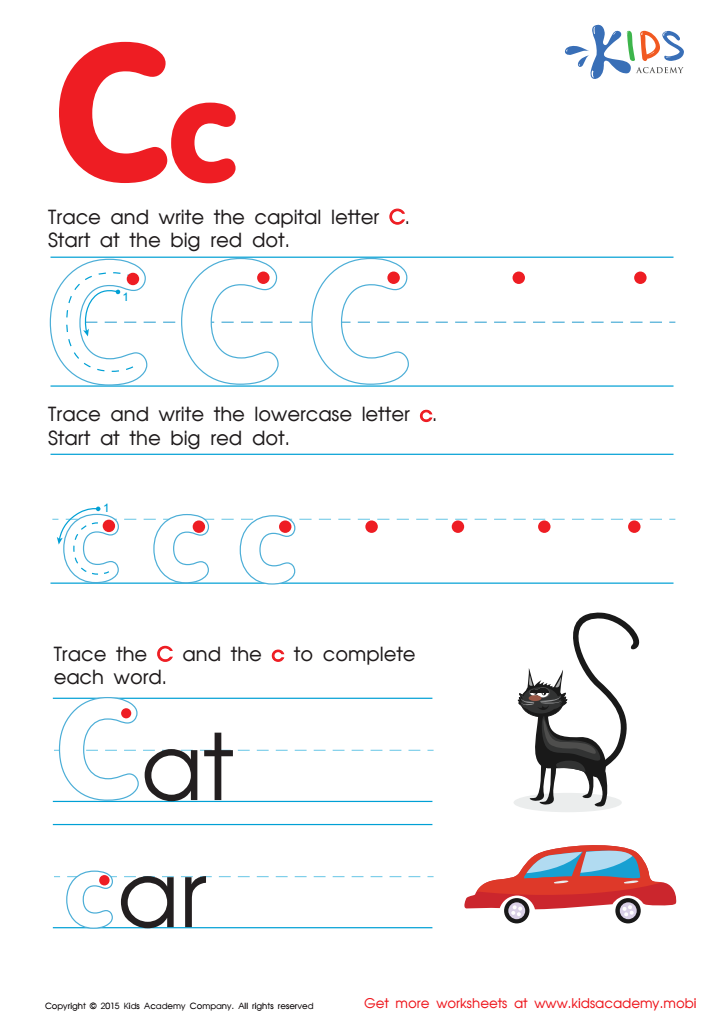
Letter C Tracing Page
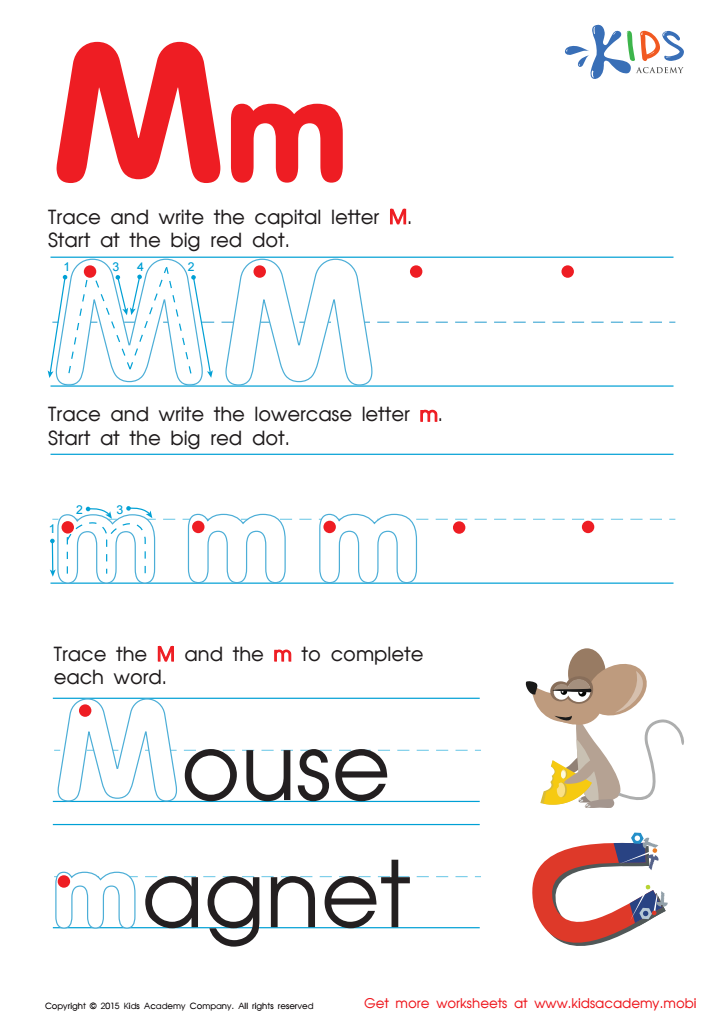
Letter M Tracing Page

Letter G Tracing Page
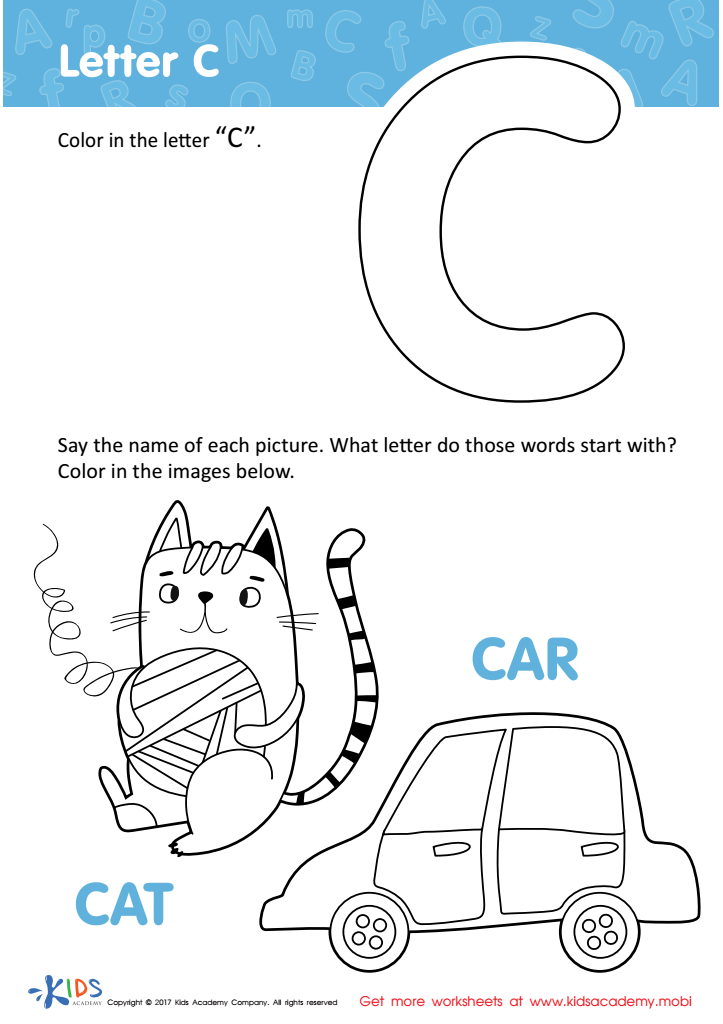
Letter C Coloring Sheet
Assign to My Students
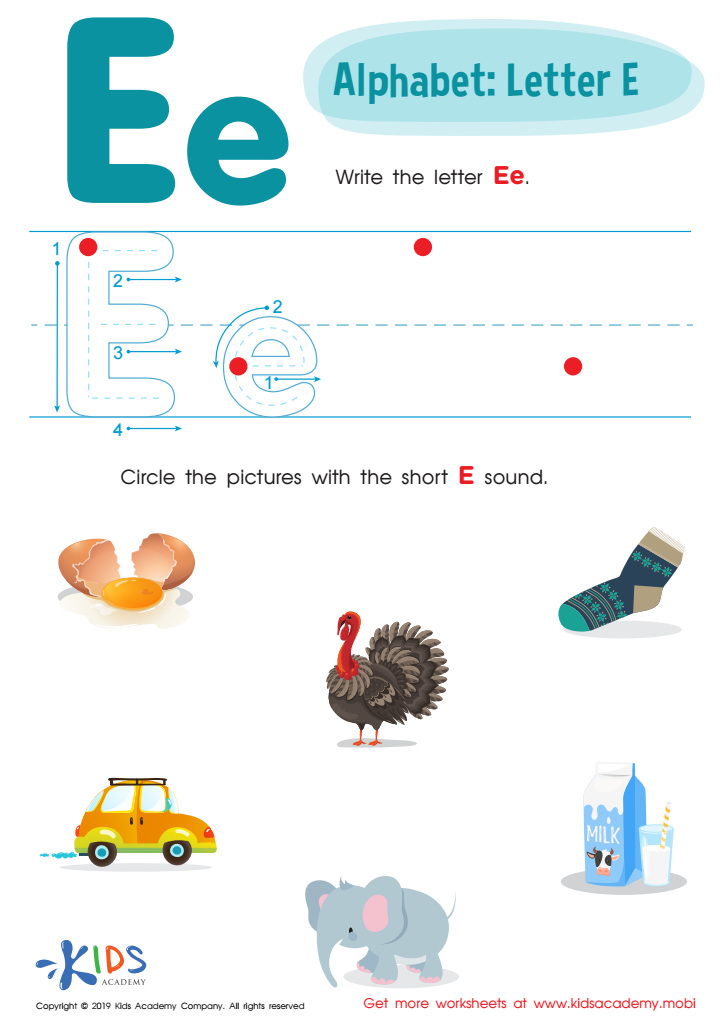
Letter E Tracing Worksheet
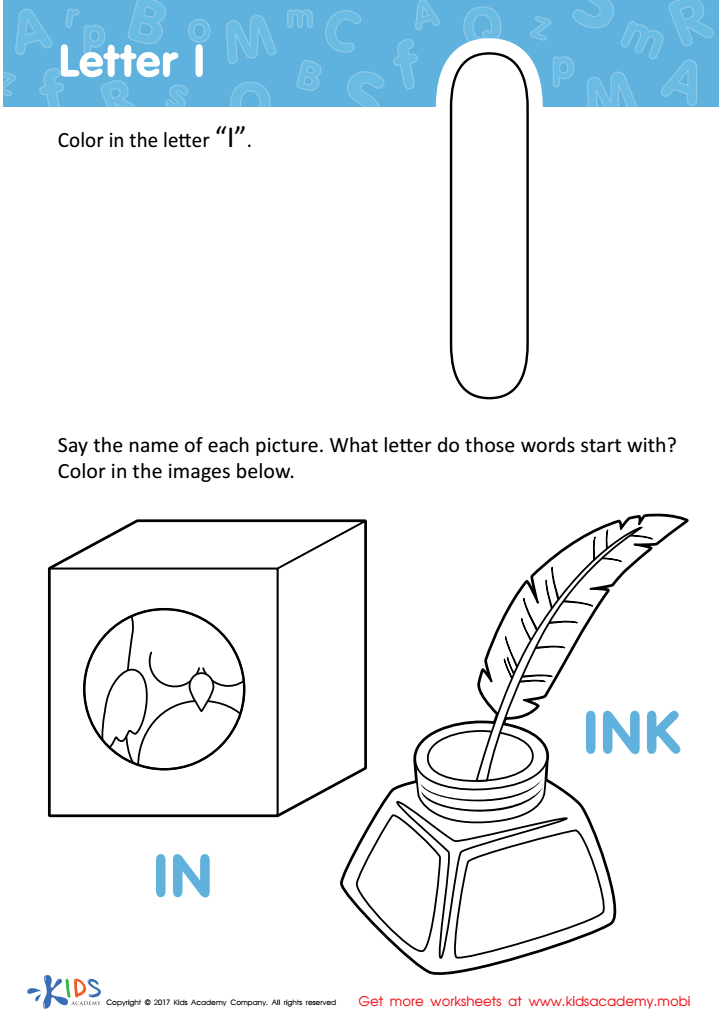
Letter I Coloring Sheet
Assign to My Students
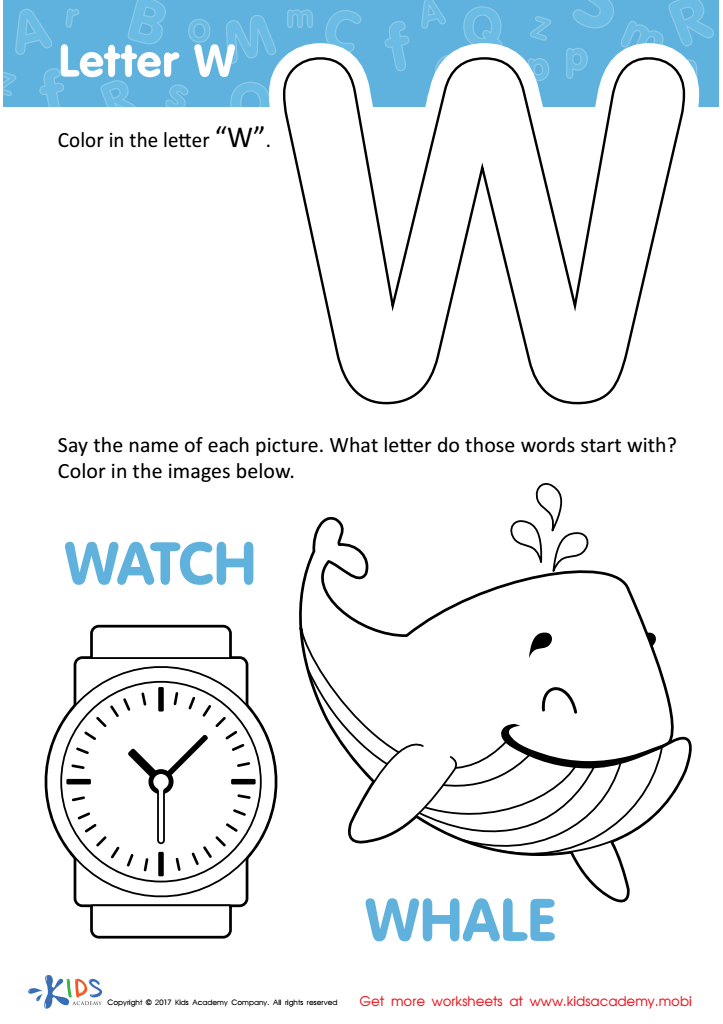
Letter W Coloring Sheet
Assign to My Students
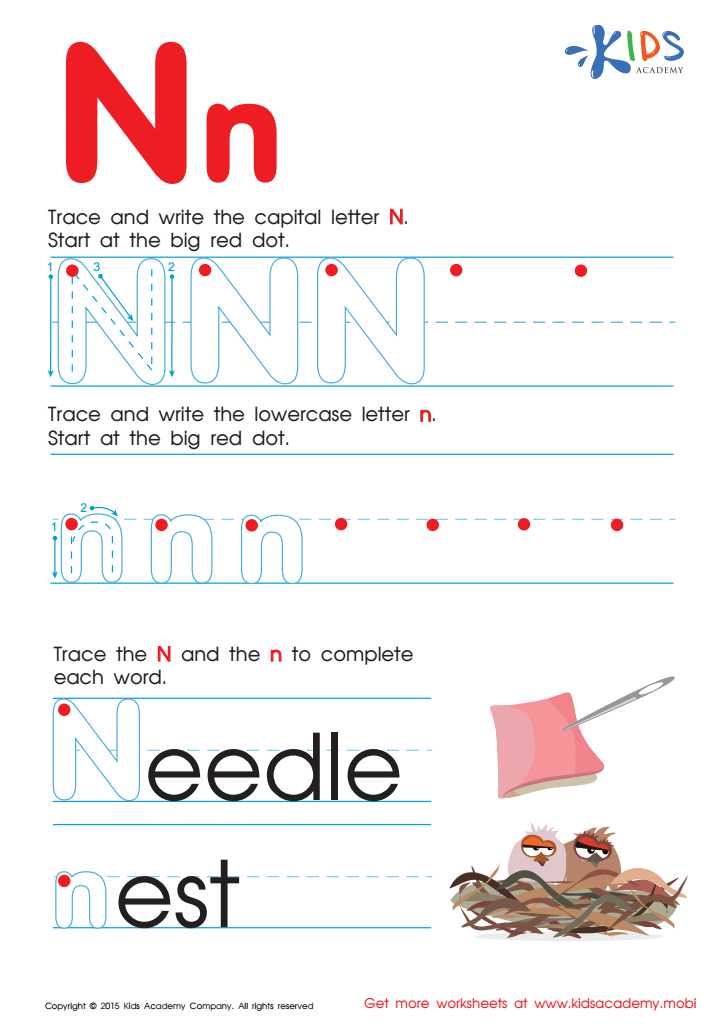
Letter N Tracing Page
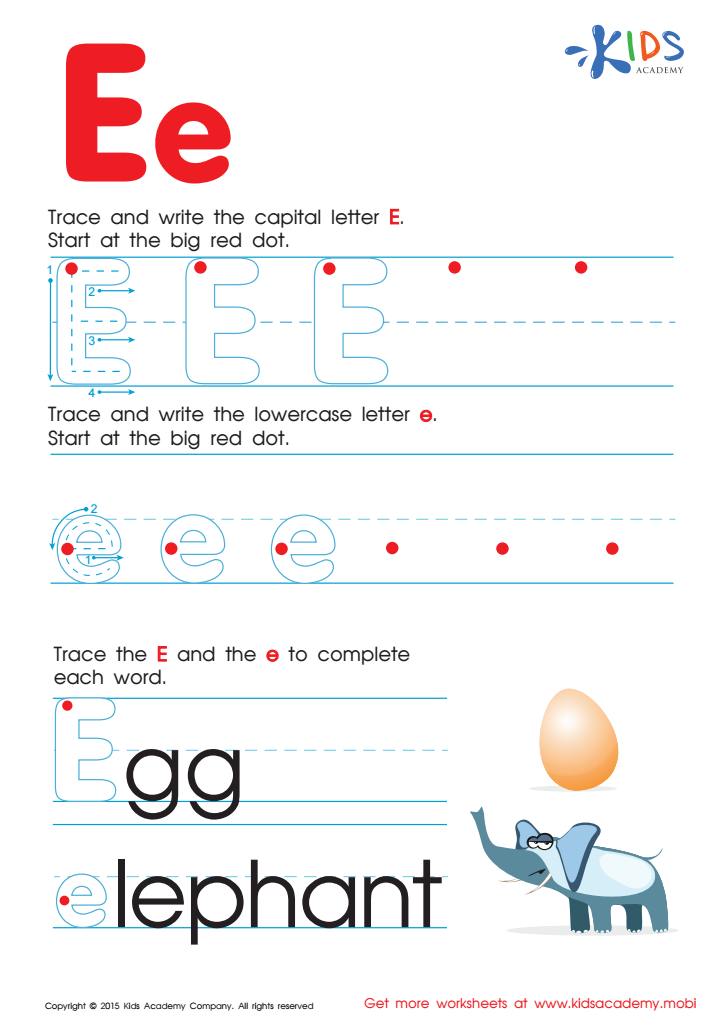
Letter E Tracing Page
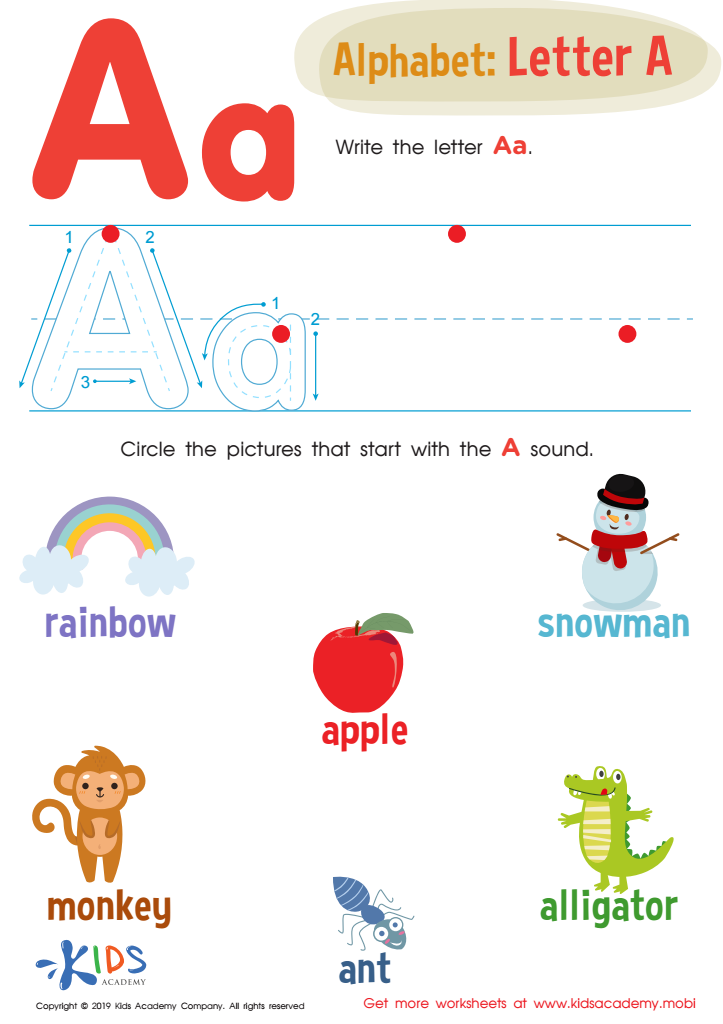
Letter A Tracing Worksheet
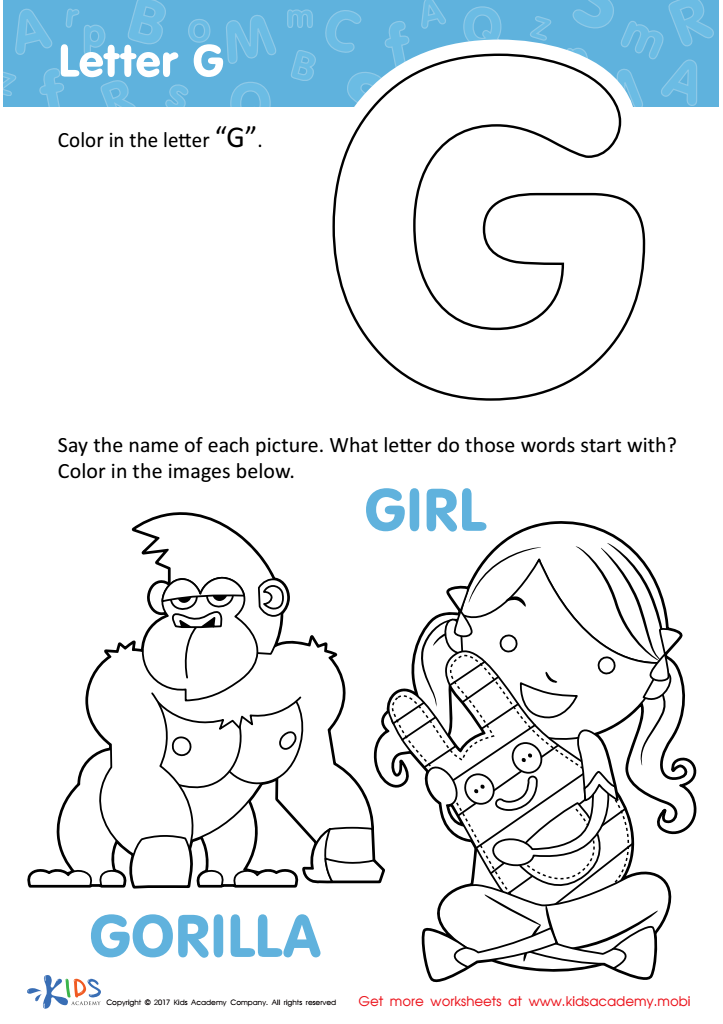
Letter G Coloring Sheet
Assign to My Students
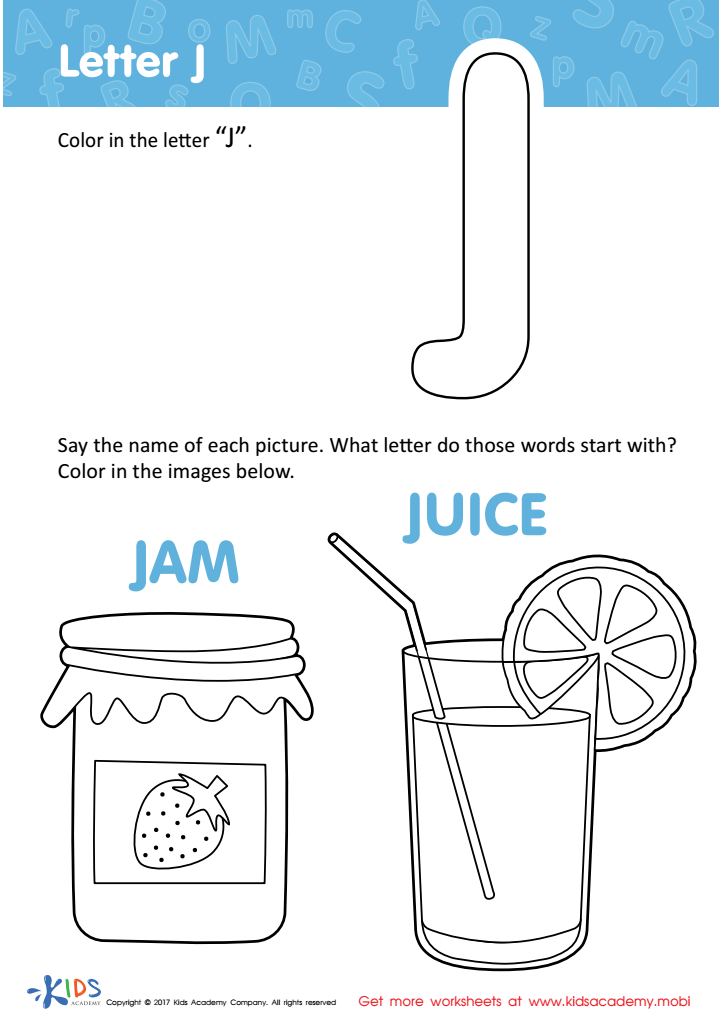
Letter J Coloring Sheet
Assign to My Students
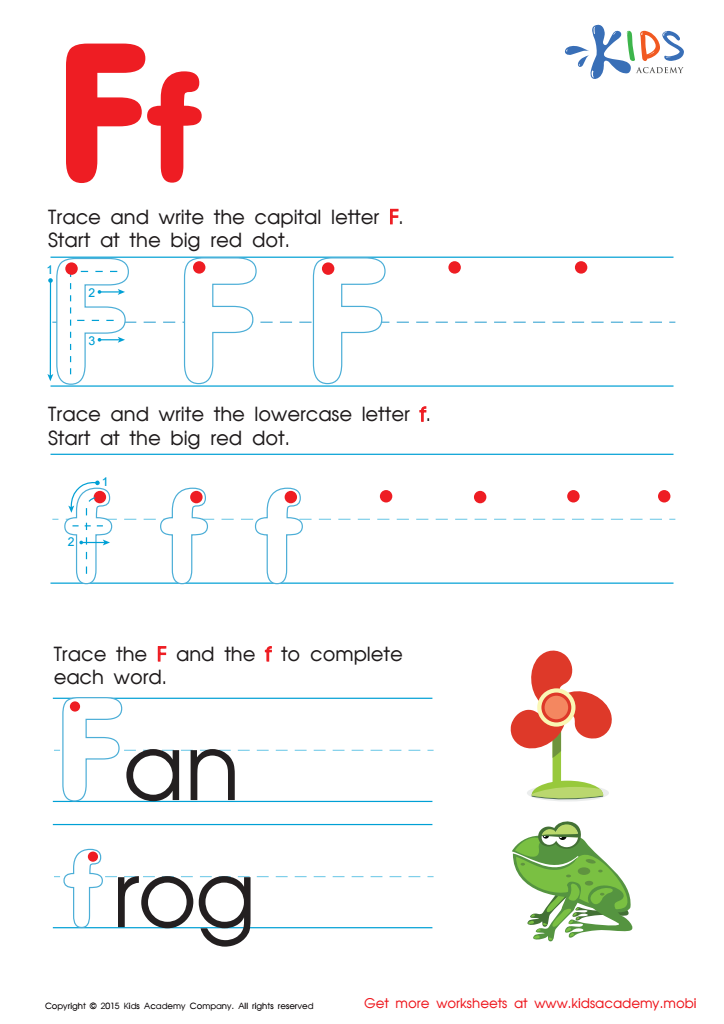
Letter F Tracing Page
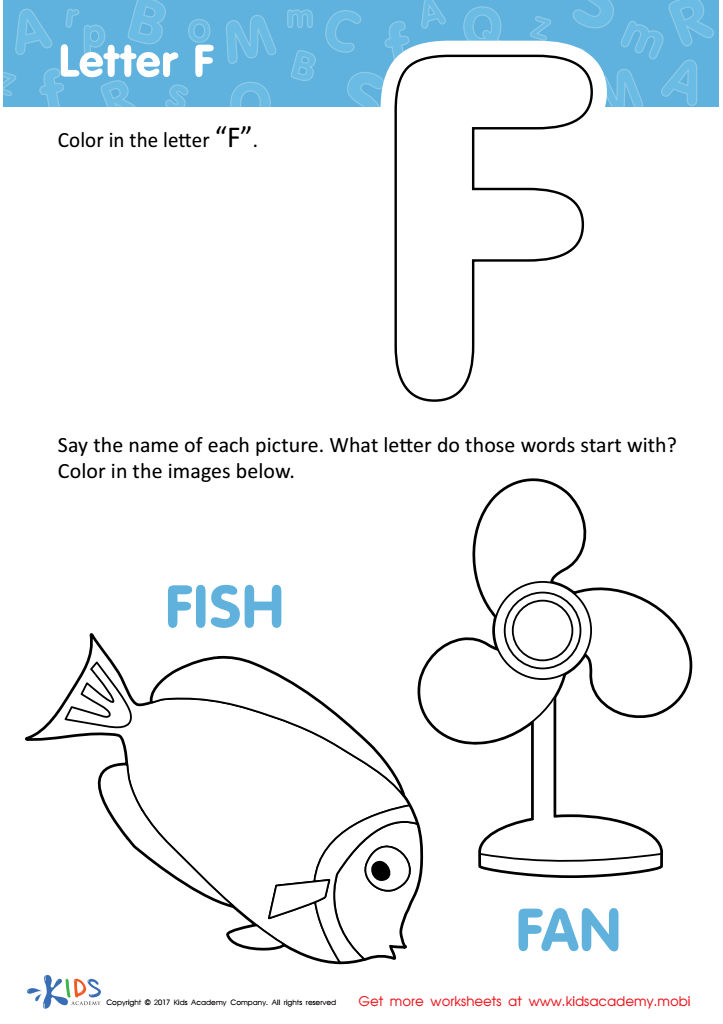
Letter F Coloring Sheet
Assign to My Students
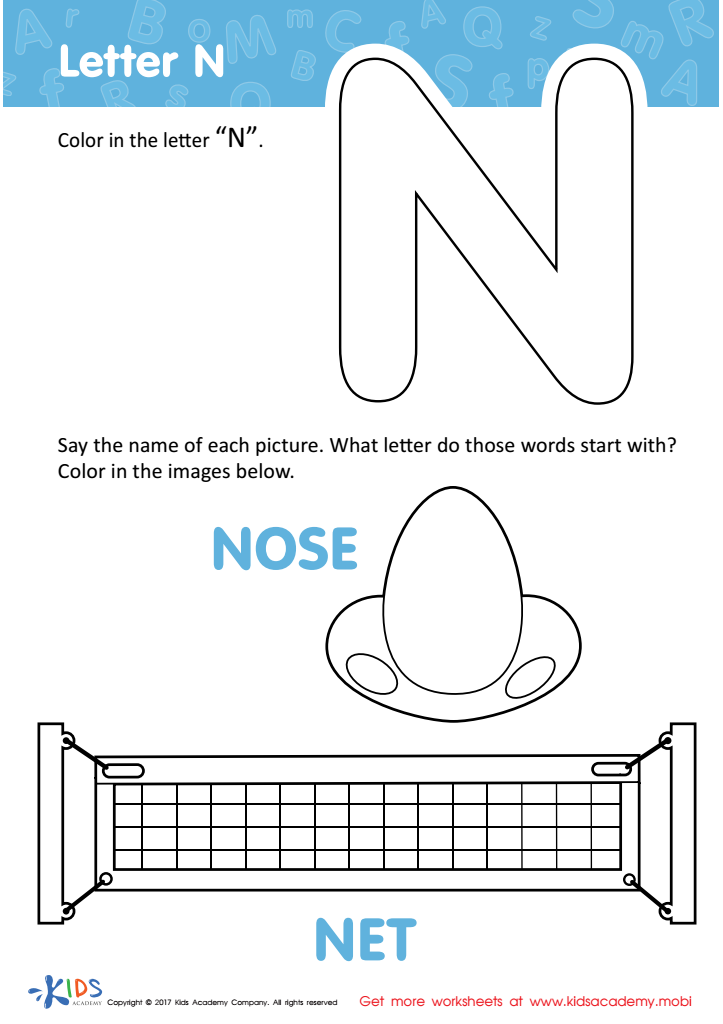
Letter N Coloring Sheet
Assign to My Students








Fine motor skills and letter recognition are crucial for 9-year-olds as they lay the foundation for a child’s academic success and daily functioning. At this age, students are expected to not only recognize letters but also apply this skill in reading, writing, and overall communication. Proficient fine motor skills enable children to control their hand movements, which is essential for writing neatly and efficiently, tying shoelaces, and managing other everyday tasks.
Additionally, mastering letter recognition enhances literacy development. Children with strong letter recognition can decode words, leading to improved reading comprehension and confidence in their language abilities. Support in this area helps prevent learning difficulties that can affect self-esteem and motivation. By cultivating fine motor skills through engaging activities—like drawing, crafts, or puzzles—parents and teachers foster an environment where these foundational skills thrive.
Investing time and resources into developing these skills not only strengthens academic performance but also provides children with the dexterity required for practical life skills, paving the way for a well-rounded, successful future. Essentially, the emphasis on fine motor skills and letter recognition aligns with broader educational and developmental goals, making it vital for parents and teachers to prioritize and address these areas.








