Spelling practice Normal Phonics Worksheets for 9-Year-Olds
4 filtered results
-
From - To
Enhance your 9-year-old's spelling skills with our Normal Phonics Worksheets designed specifically for their age group. These engaging and educational worksheets help children grasp fundamental phonics principles while making learning fun. Each worksheet focuses on different aspects of spelling practice, including letter patterns, word families, and phonetic sounds. Perfect for classroom or at-home learning, our worksheets provide a solid foundation in spelling that boosts reading and writing proficiency. Our expertly crafted materials cater to varied learning styles, ensuring every child can progress at their own pace. Unlock the power of phonics and watch your child’s confidence soar!
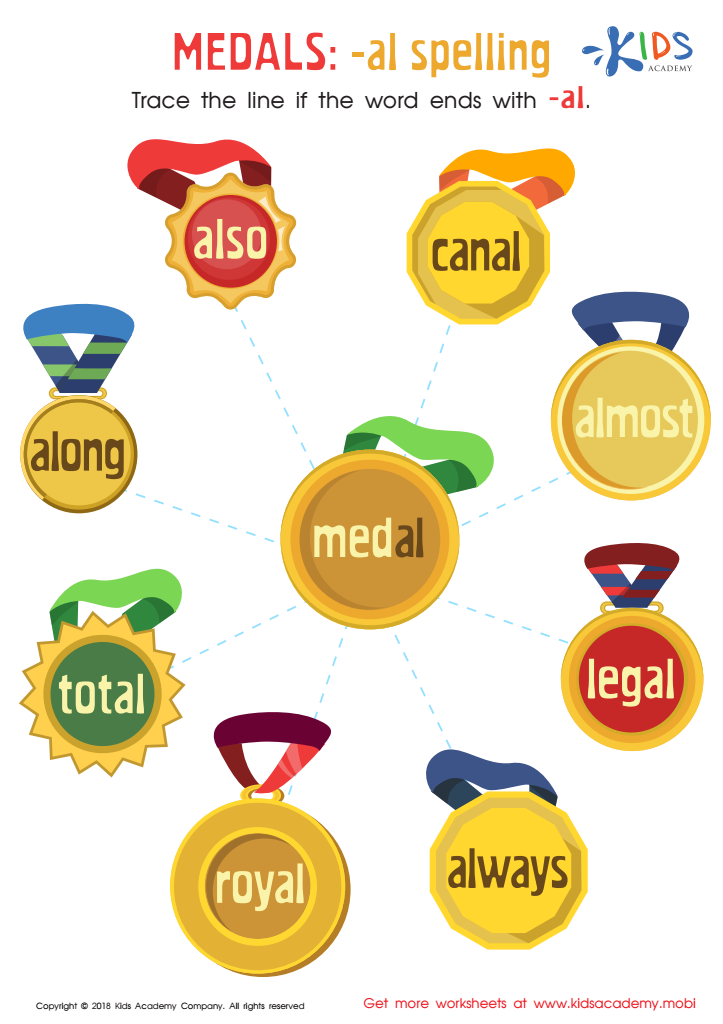
Medals: Al Spelling Worksheet
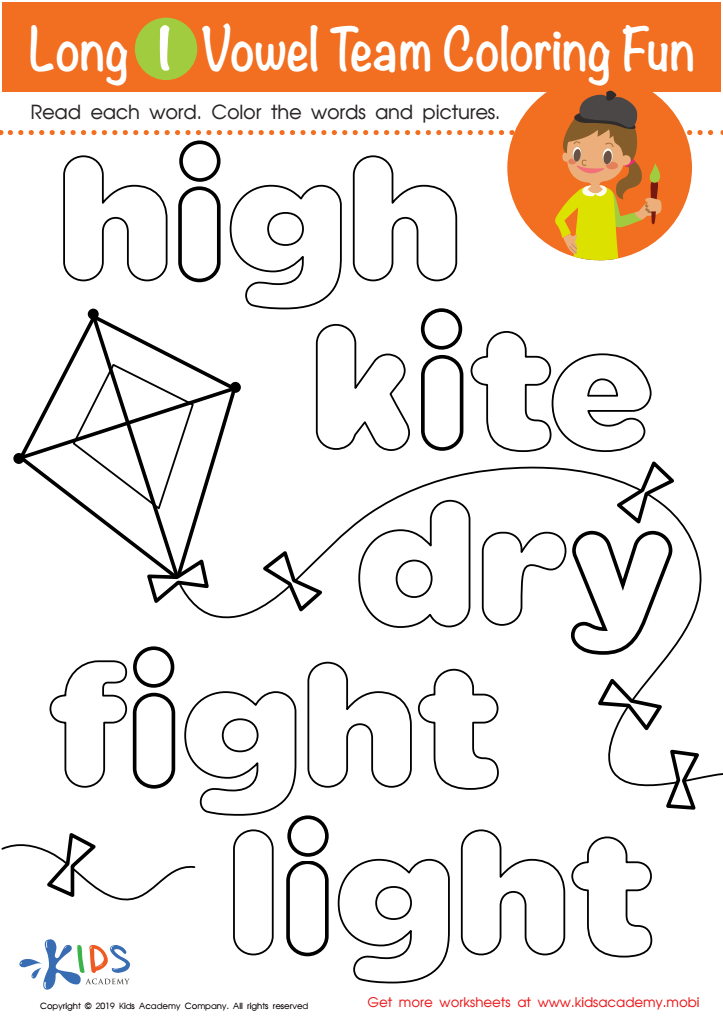
Long I Vowel Team Coloring Worksheet
 Assign to My Students
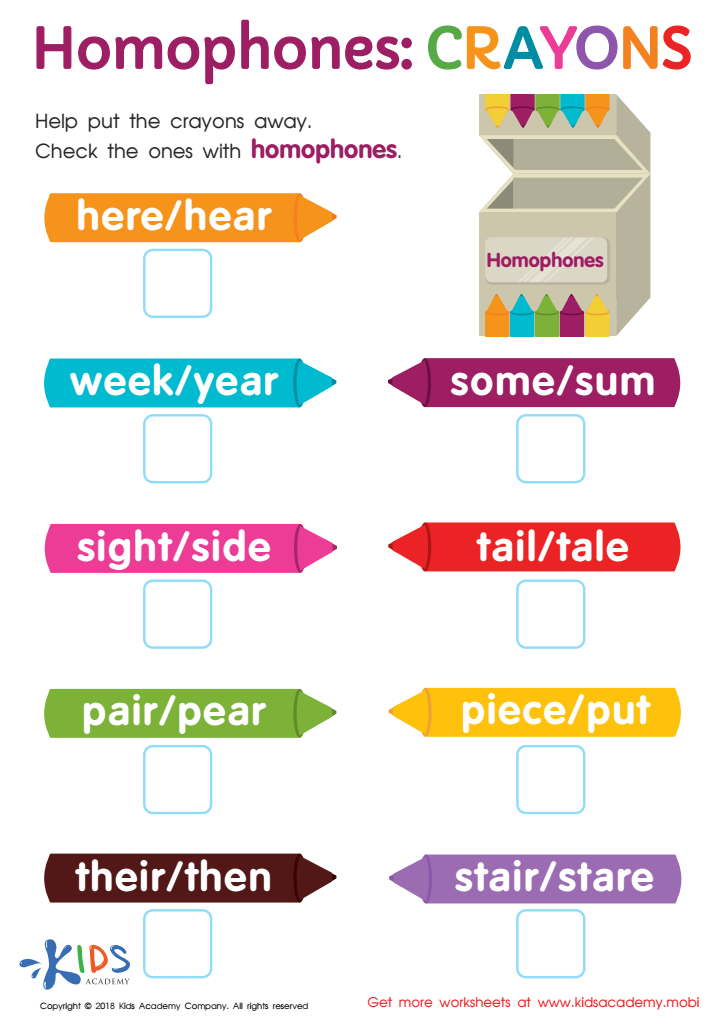
Homophones: Crayons Worksheet
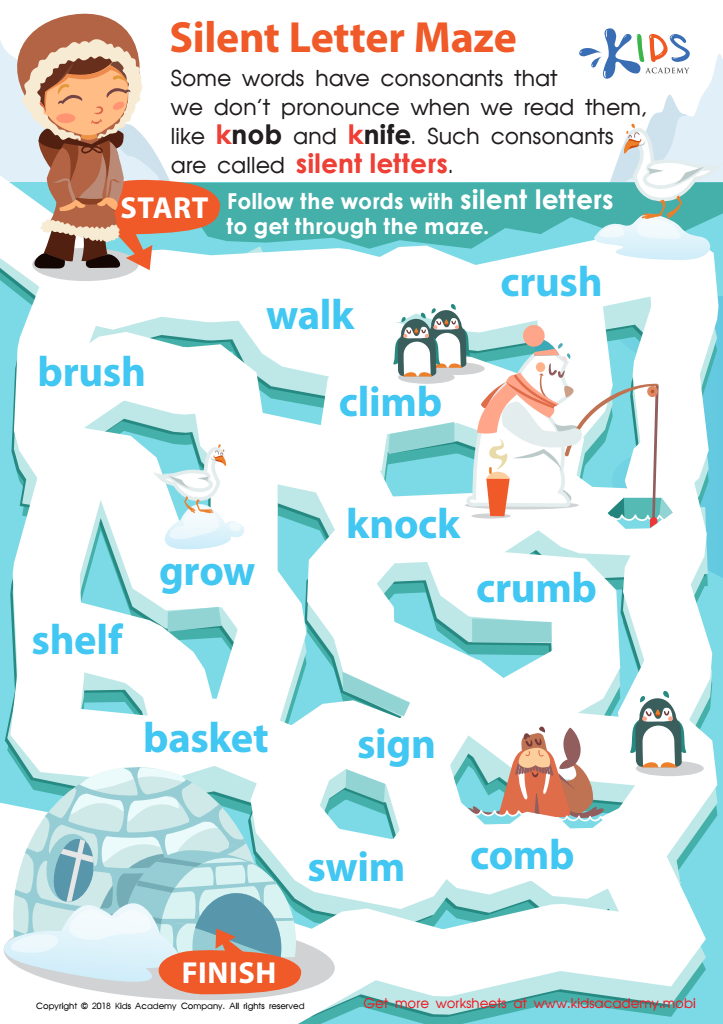
Silent Letter Maze Worksheet








Parents and teachers should prioritize spelling practice and phonics for 9-year-olds as these skills are foundational to literacy and communication. At this age, children are transitioning from learning to read to reading to learn, and strong spelling abilities bolster their reading fluency and comprehension. Phonics, being the relationship between sounds and their written symbols, helps children decode new words easily, enriching their vocabulary and understanding of text.
Enhanced spelling and phonics skills lead to improved reading and writing proficiency. For instance, a child who spells well can write more confidently, clearly articulating their thoughts. This establishes a robust platform for successful academic experiences across all subjects, as literacy skills are universally applicable.
Moreover, competent spelling and phonics knowledge foster cognitive development by engaging memory, attention, and critical thinking. Children who excel in these areas often display greater self-esteem and motivation in their educational journey, experiencing learning as a rewarding activity.
Ultimately, ensuring that 9-year-olds practice spelling and phonics can have long-lasting, positive implications on their academic success and lifelong communication skills. By supporting these practices, parents and teachers empower children to become competent, confident communicators and critical thinkers in an increasingly information-rich world.







