Handwriting practice Normal Tracing Letters Worksheets for 9-Year-Olds
6 filtered results
-
From - To
Enhance your child's handwriting skills with our engaging Normal Tracing Letters Worksheets designed specifically for 9-year-olds. These worksheets provide a fun and interactive way to practice the alphabet, helping kids improve their letter formation, spacing, and overall penmanship. Each worksheet features clear tracing letters, allowing children to gain confidence in their handwriting abilities while reinforcing essential literacy skills. Ideal for at-home learning or classroom activities, these printable worksheets are a valuable resource for parents and teachers alike. Foster a love for writing and ensure your 9-year-old becomes a proficient writer with our expertly crafted tracing letters practice!
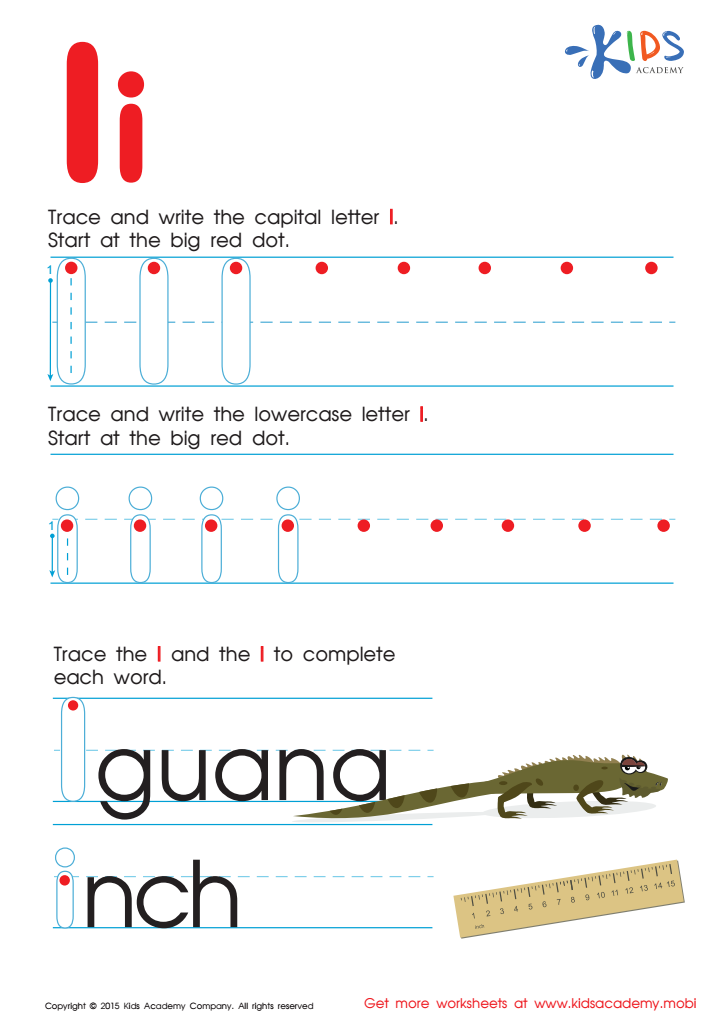
Letter I Tracing Page
 Assign to My Students
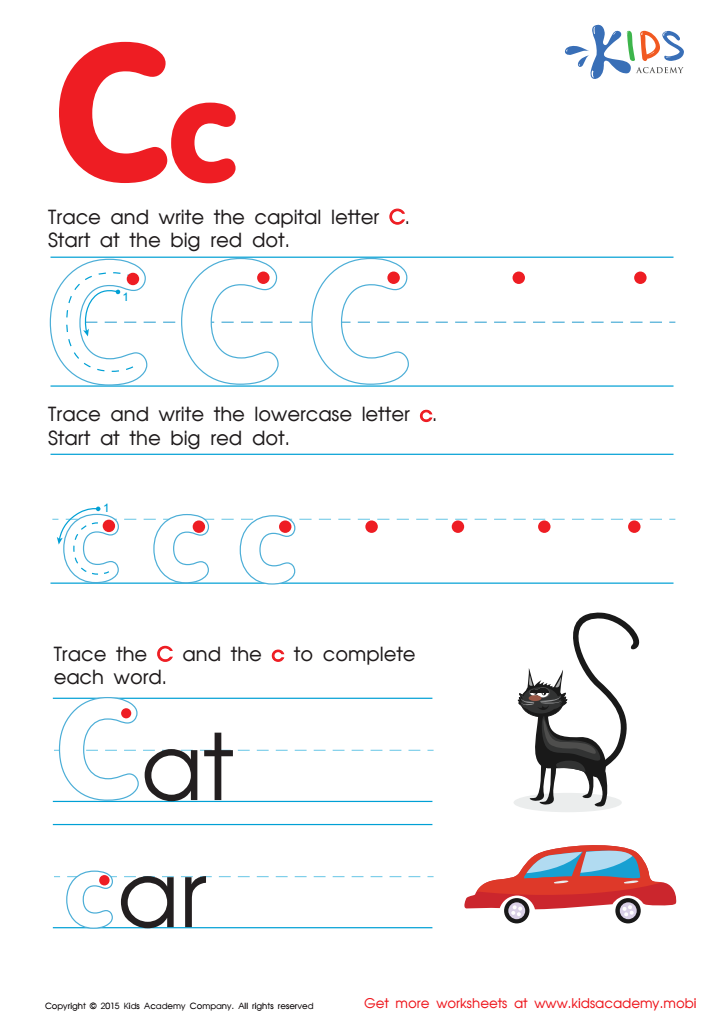
Letter C Tracing Page

Letter G Tracing Page
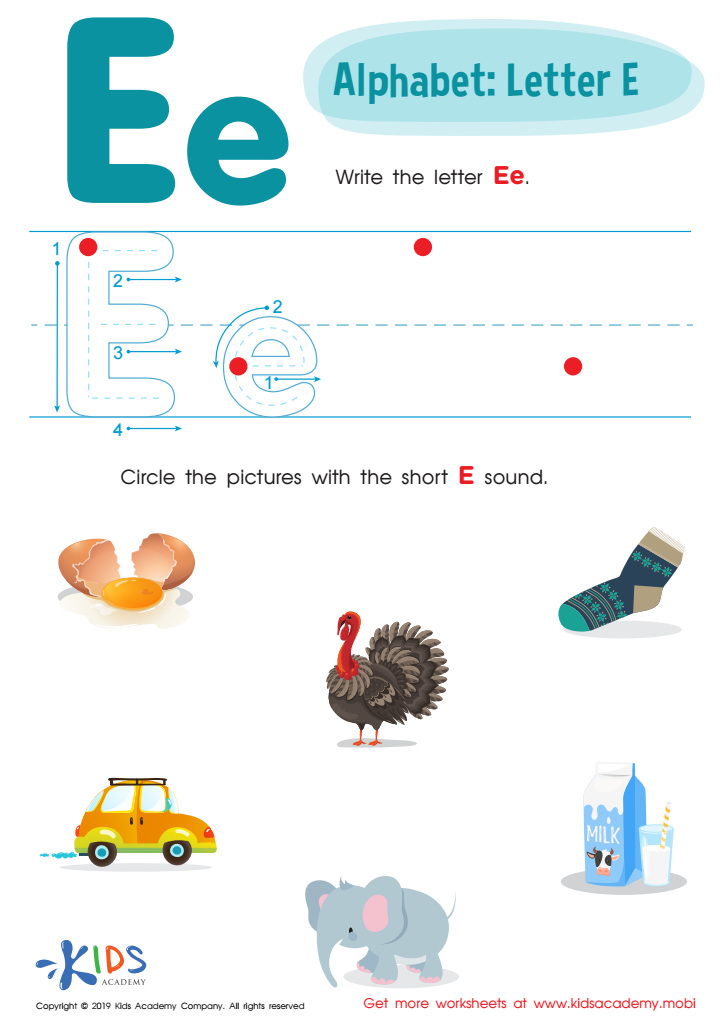
Letter E Tracing Worksheet
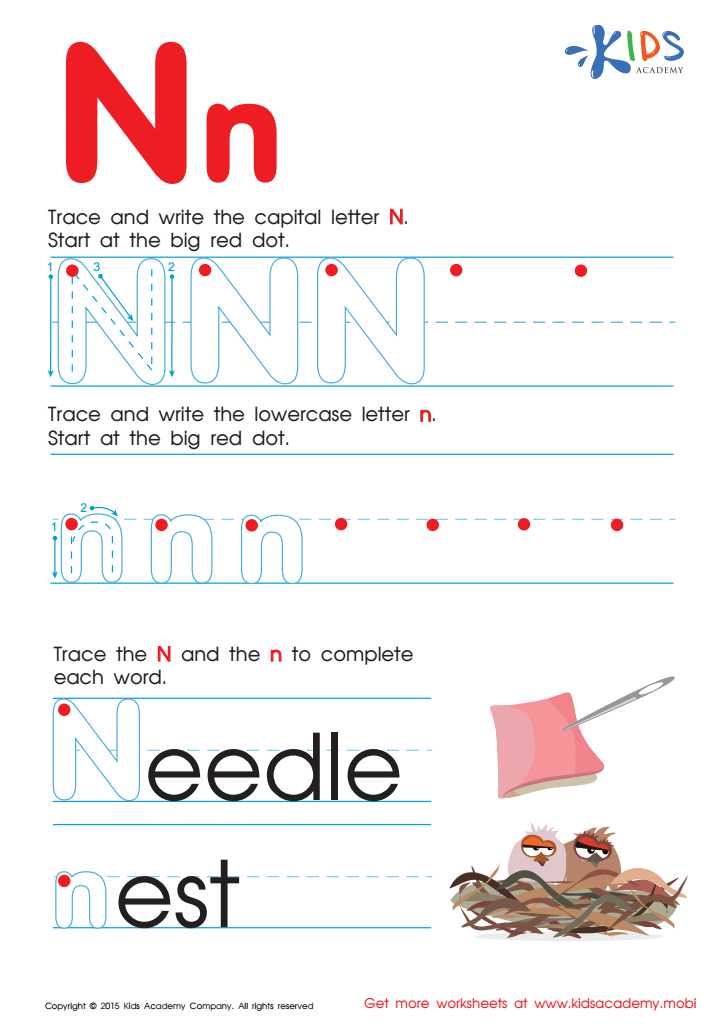
Letter N Tracing Page
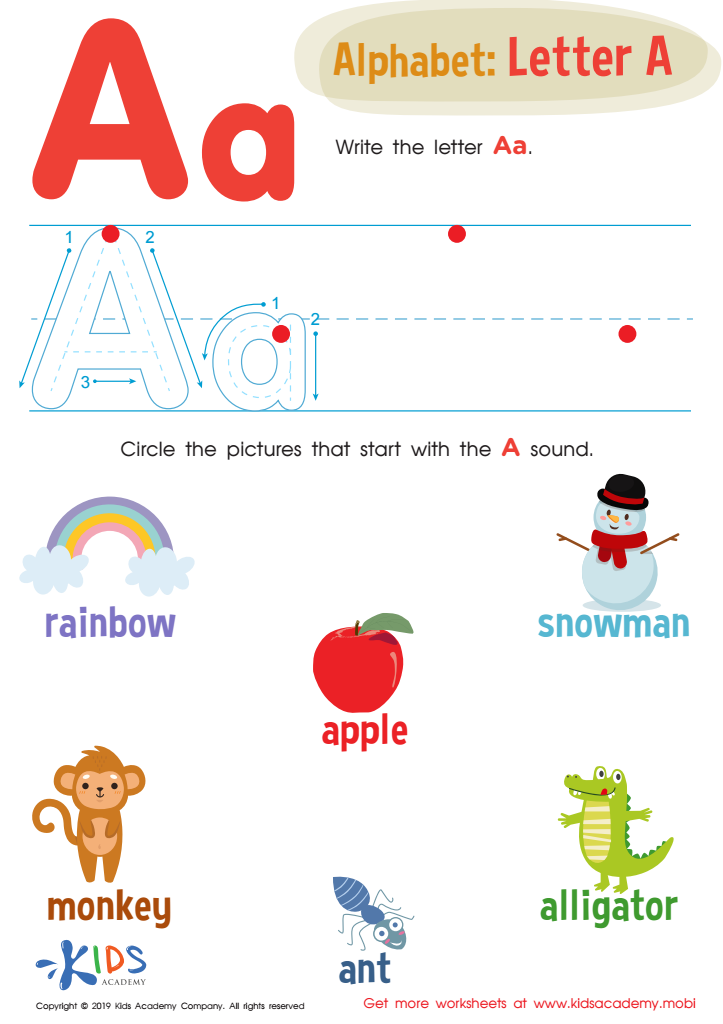
Letter A Tracing Worksheet





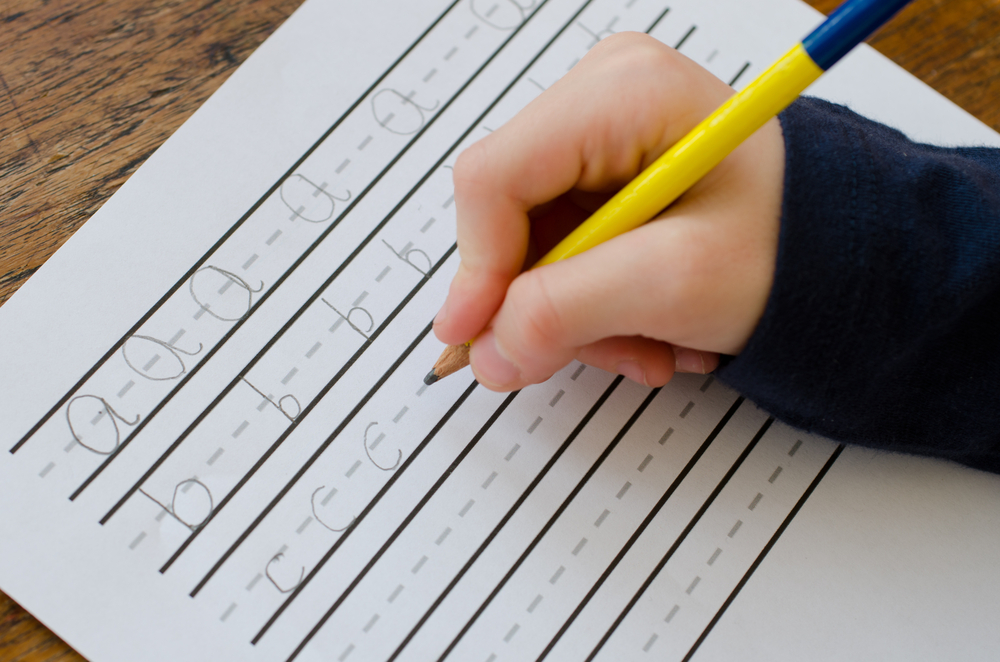


Handwriting practice, particularly tracing letters, plays a crucial role in the development of 9-year-olds. At this age, children are refining their fine motor skills and cognitive abilities, making it an ideal time to focus on handwriting. Handwriting is more than just a means of communication; it impacts academic performance, self-esteem, and even creativity.
Practicing handwriting helps improve hand-eye coordination and muscle memory, enabling children to write neatly and efficiently. This skill is particularly important as children transition to more complex tasks that require clear note-taking and written expression. Moreover, engaging in structured handwriting practice can reduce frustration in activities like completing homework or writing essays, leading to greater academic success.
Additionally, neat handwriting enhances clarity and aids the reader's understanding. For parents and teachers, emphasizing this practice conveys the value of written communication and its importance in today's world, where digital skills are prominent, yet personal writing remains essential.
Furthermore, tracing letters can be a fun, calming activity that promotes focus and patience in children, fostering a positive attitude towards learning. Ultimately, investing in handwriting practice equips children with essential skills that benefit their educational journey and personal expression.








