Alphabet Recognition Normal Worksheets for 9-Year-Olds
20 filtered results
-
From - To
Enhance your child's alphabet recognition skills with our specially designed worksheets for 9-year-olds. These engaging activities are tailored to solidify letter knowledge, improve phonetic awareness, and foster reading readiness. Each worksheet features varied exercises including letter matching, tracing, and identifying uppercase and lowercase letters in fun contexts. Our easy-to-follow layout encourages independent practice, making learning enjoyable and effective. Ideal for classroom use or at-home study, these printable resources are perfect for reinforcing essential literacy skills. Help your child build confidence in their reading journey with our alphabet recognition normal worksheets—an essential tool for young learners striving for success!
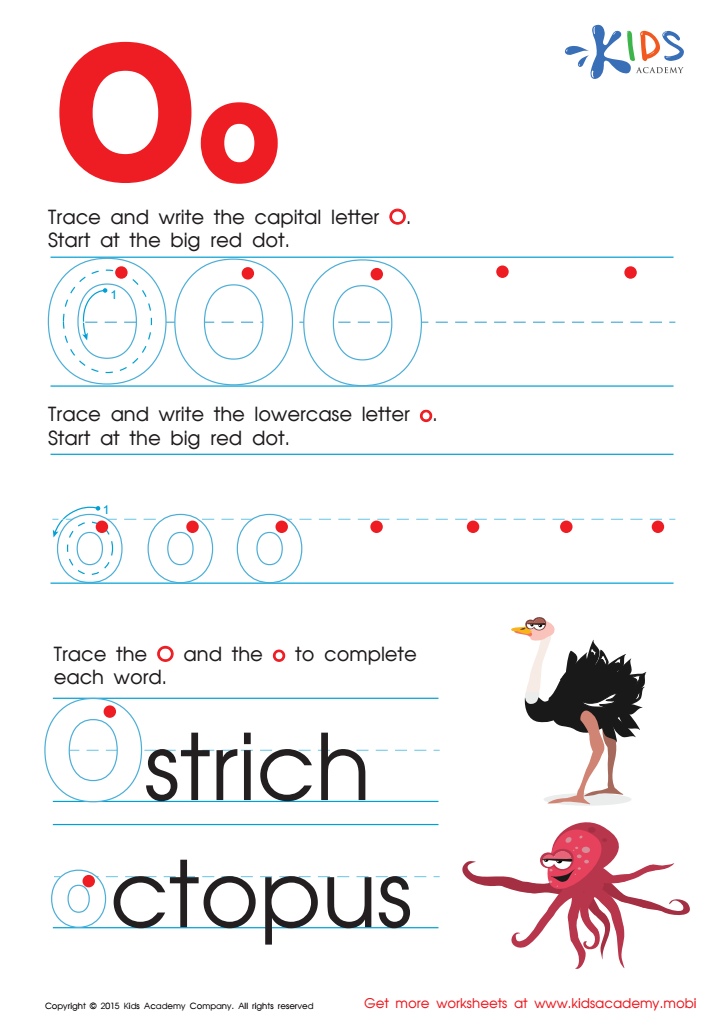
Letter O Tracing Page
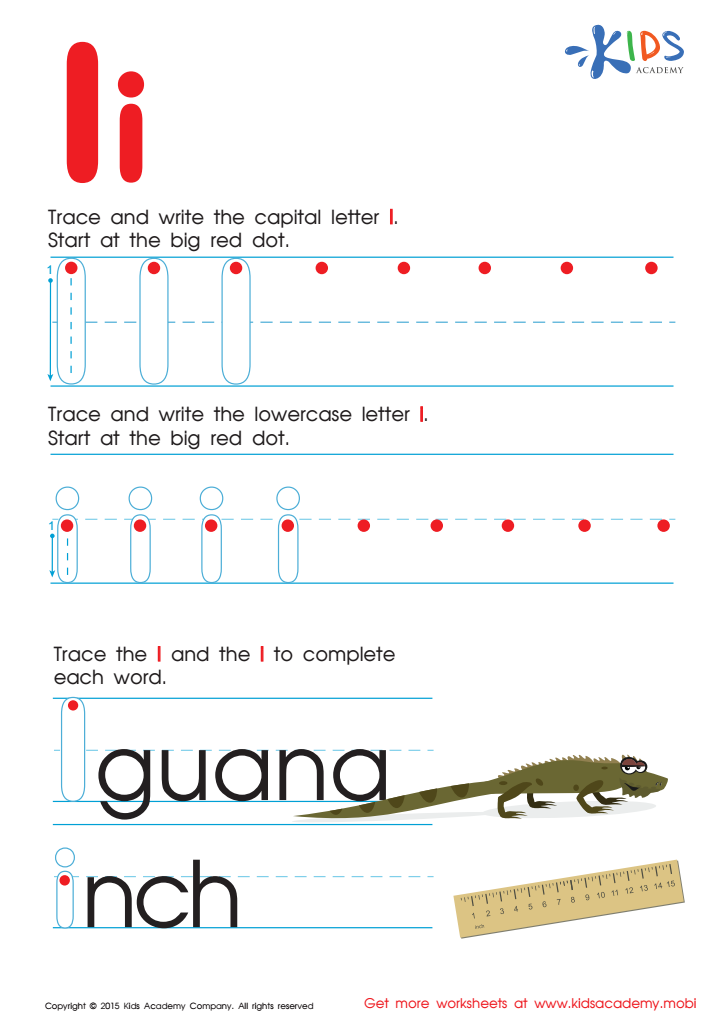
Letter I Tracing Page
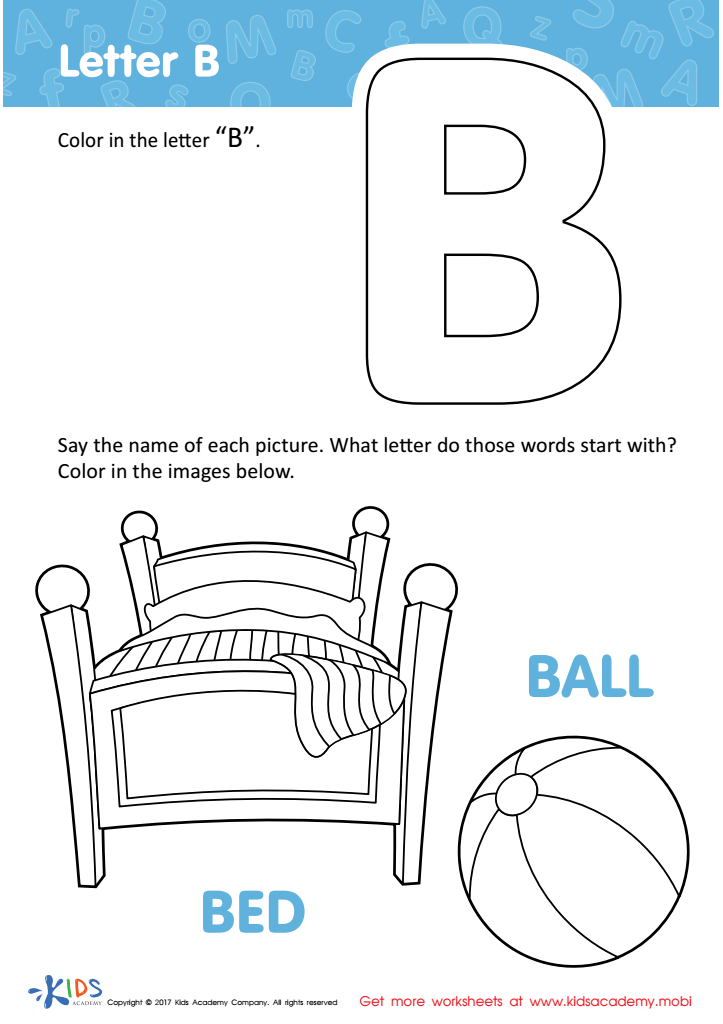
Letter B Coloring Sheet
 Assign to My Students
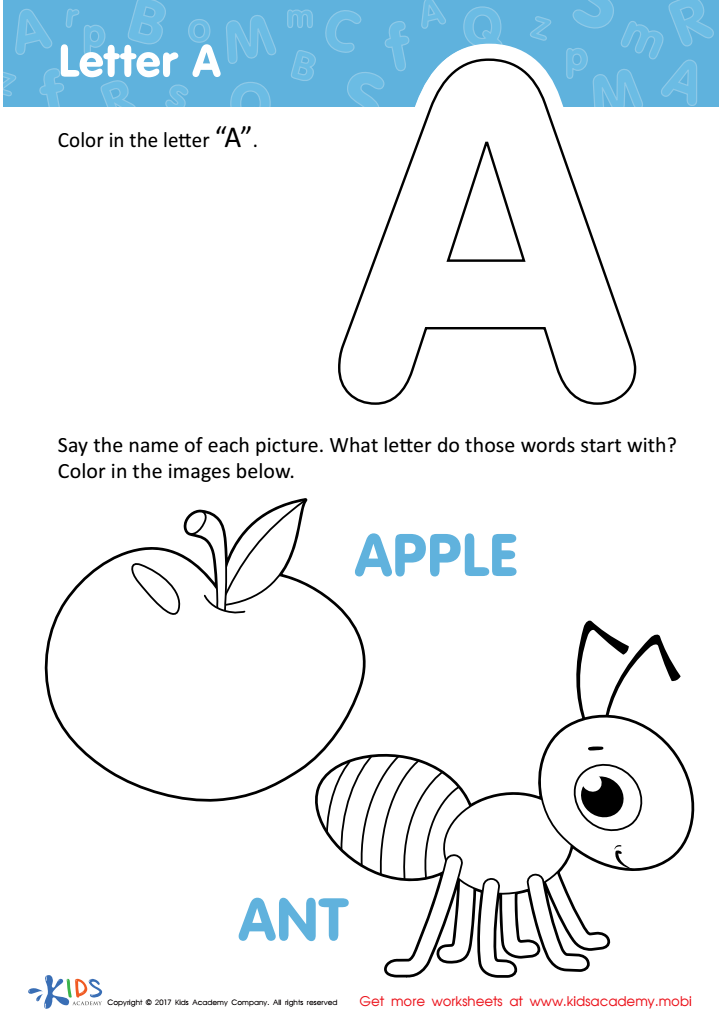
Letter A Coloring Sheet
Assign to My Students
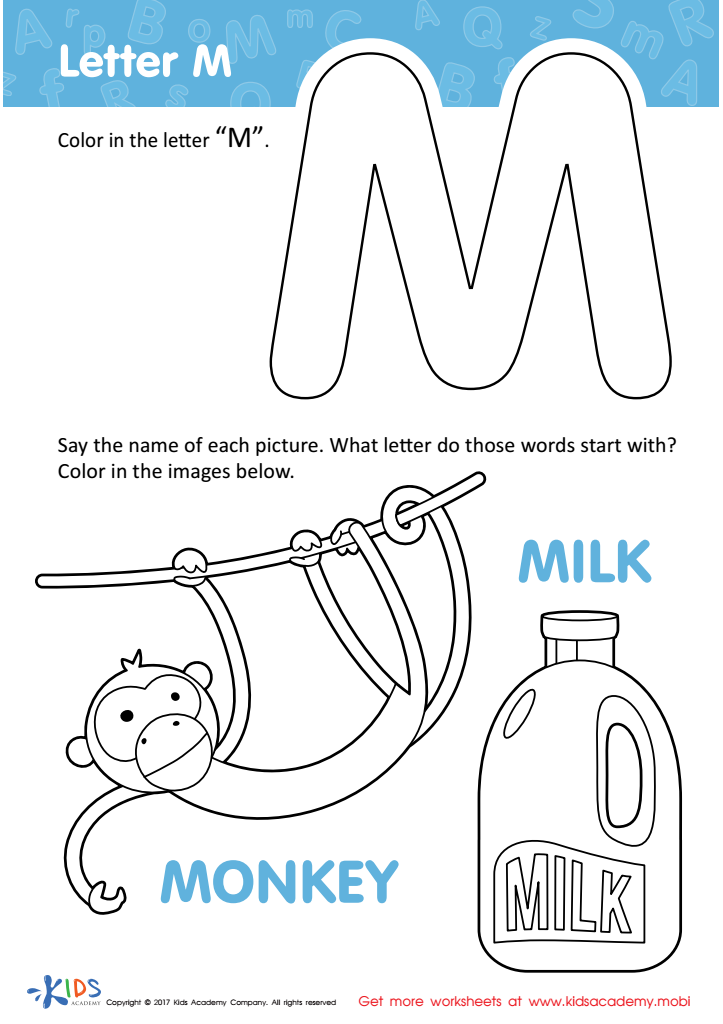
Letter M Coloring Sheet
Assign to My Students
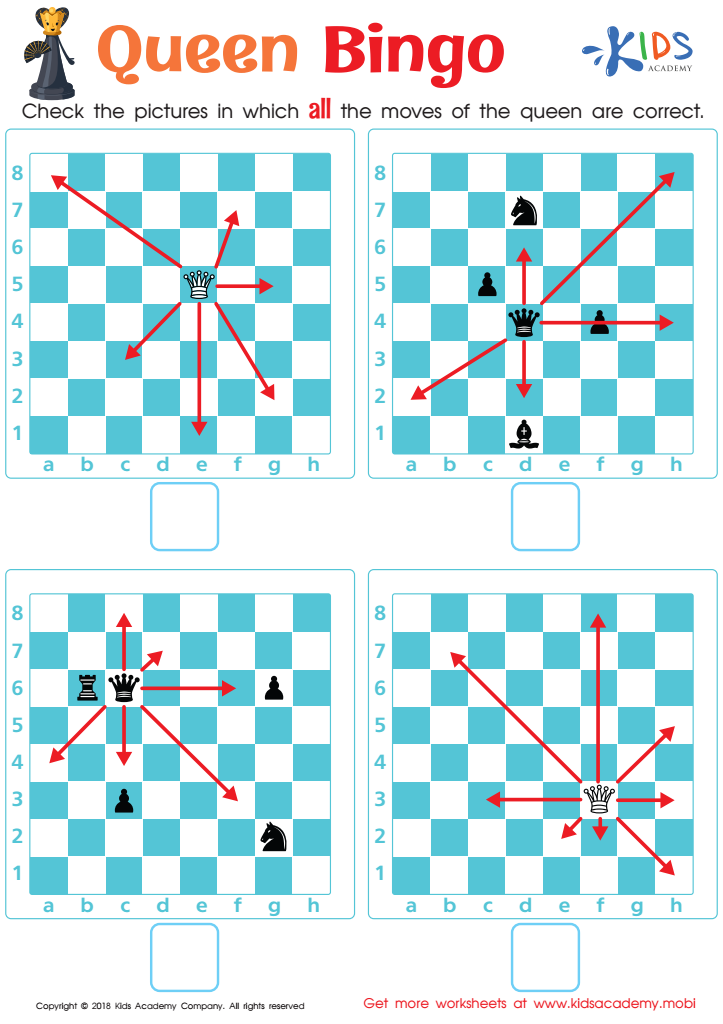
Queen Bingo Worksheet
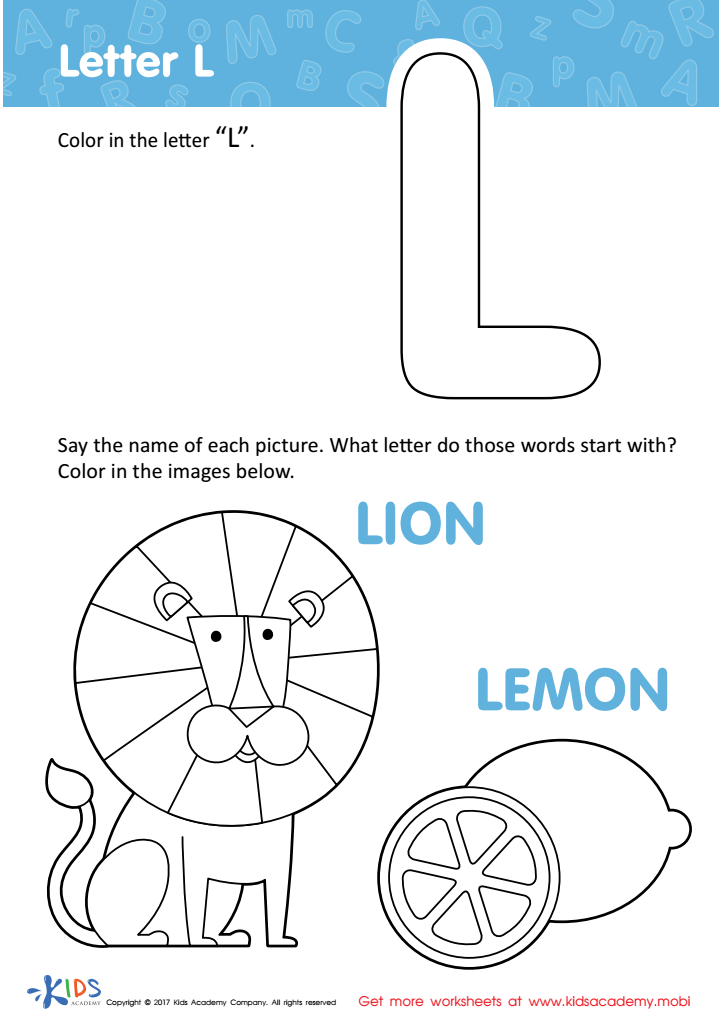
Letter L Coloring Sheet
Assign to My Students
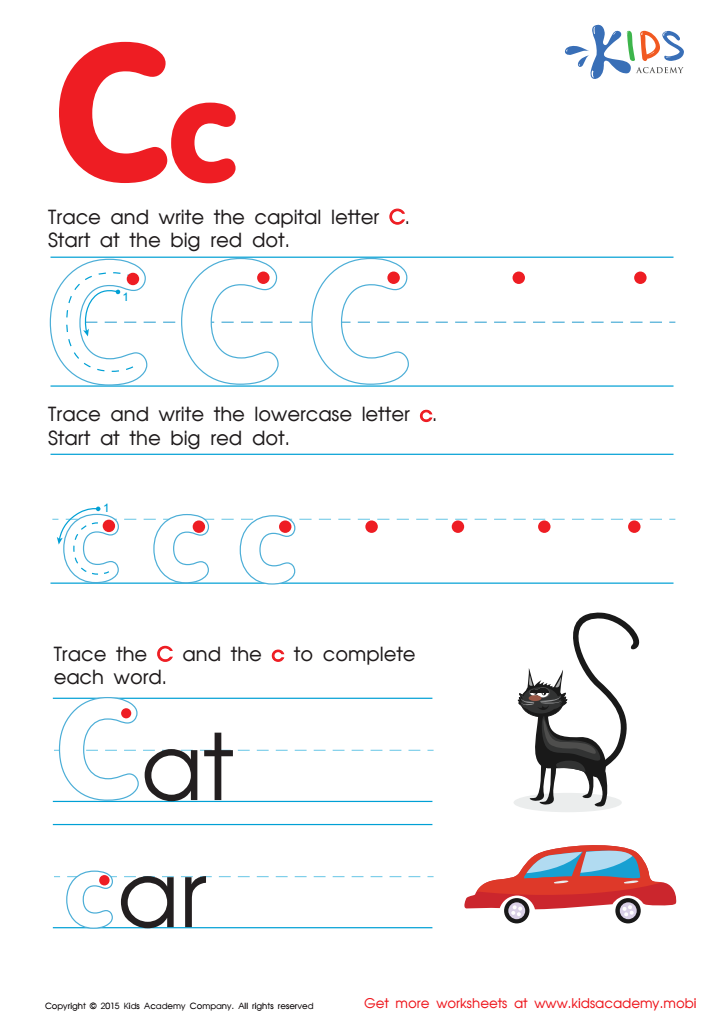
Letter C Tracing Page
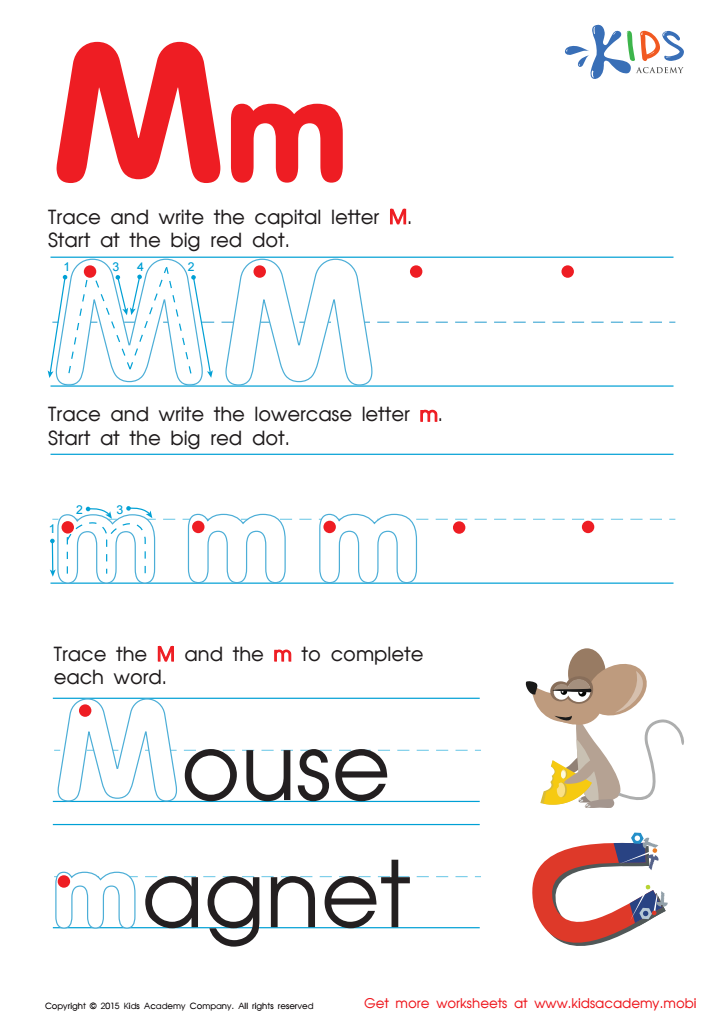
Letter M Tracing Page
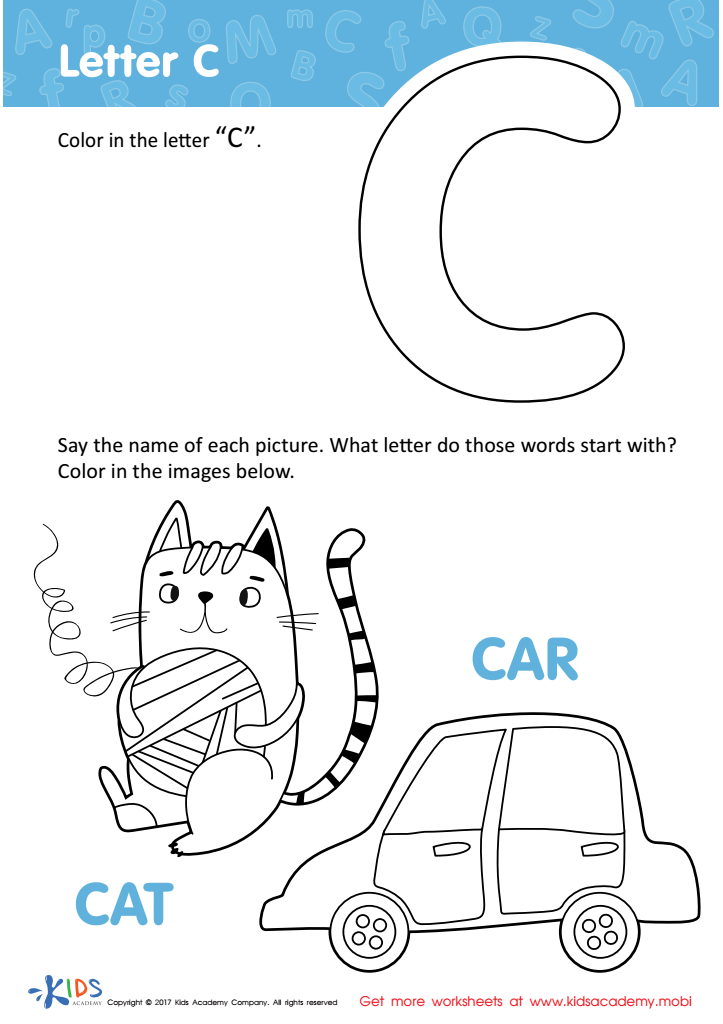
Letter C Coloring Sheet
Assign to My Students
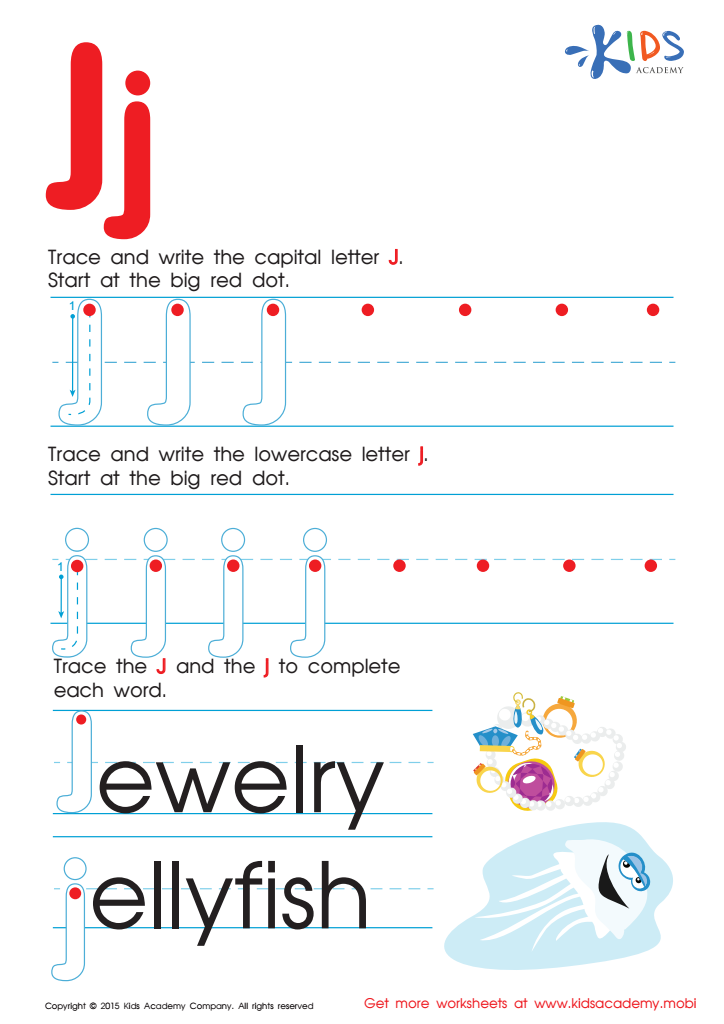
Letter J Tracing Page
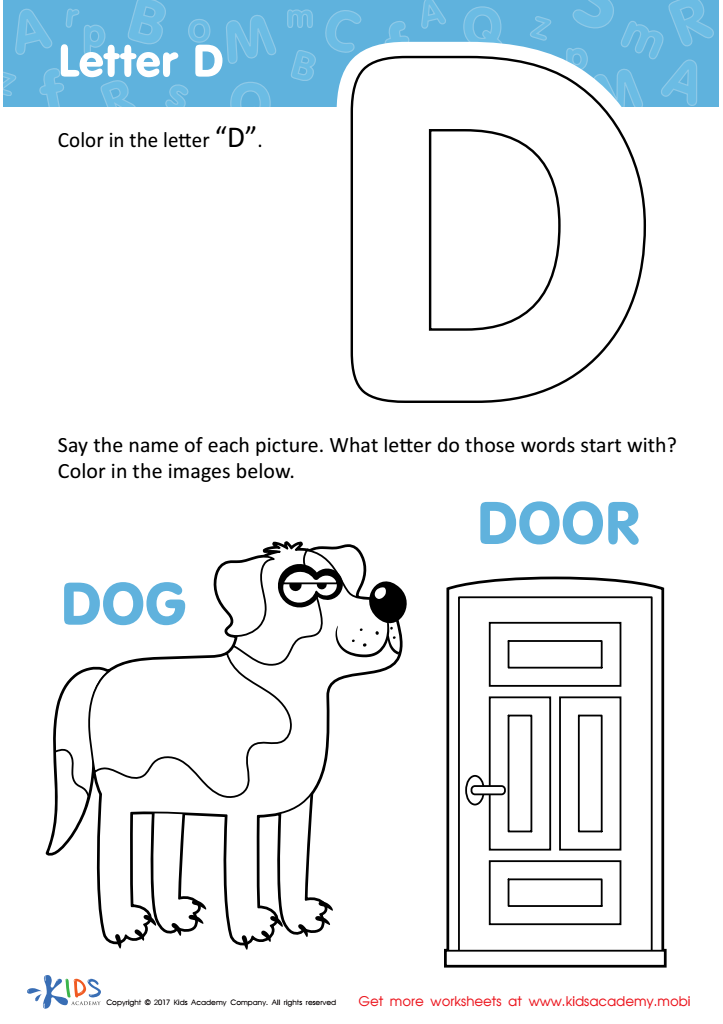
Letter D Coloring Sheet
Assign to My Students
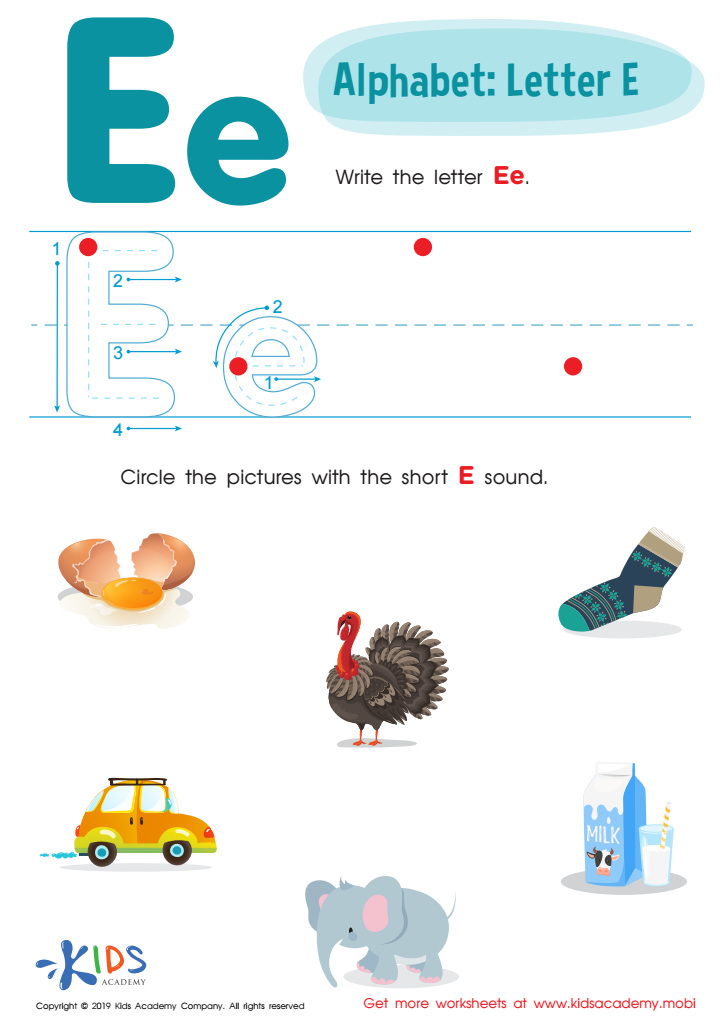
Letter E Tracing Worksheet
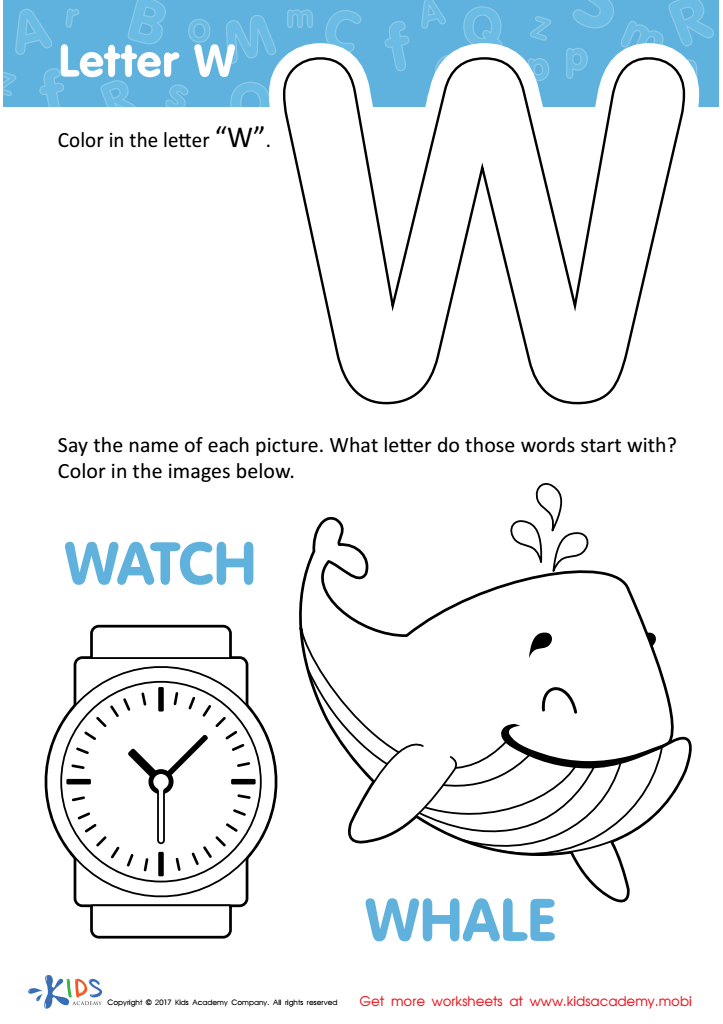
Letter W Coloring Sheet
Assign to My Students
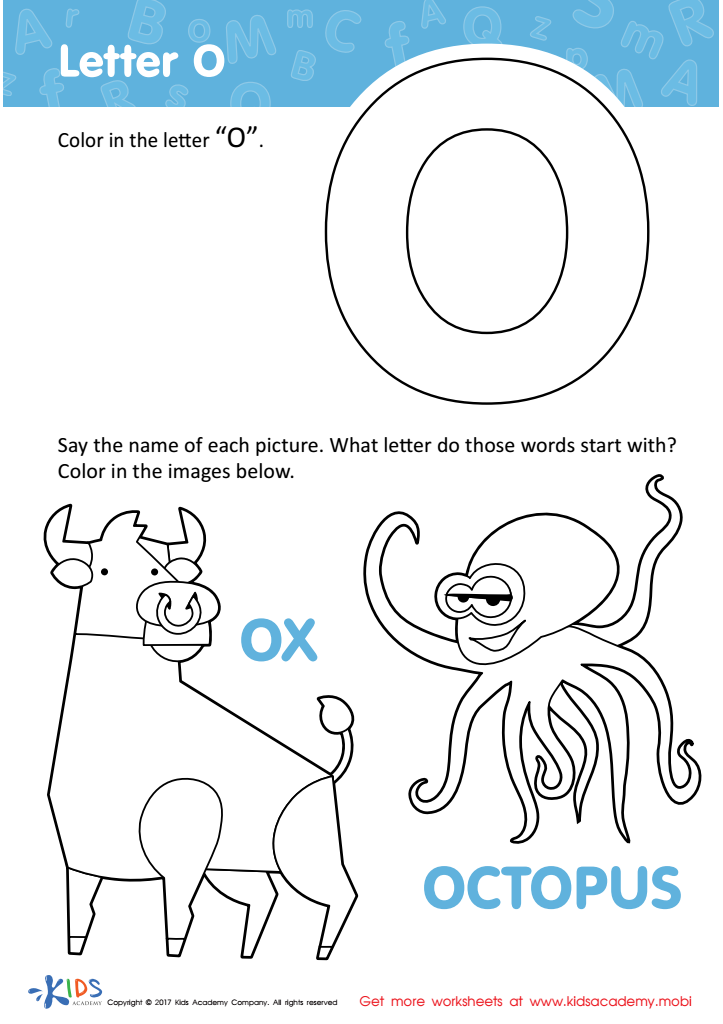
Letter O Coloring Sheet
Assign to My Students
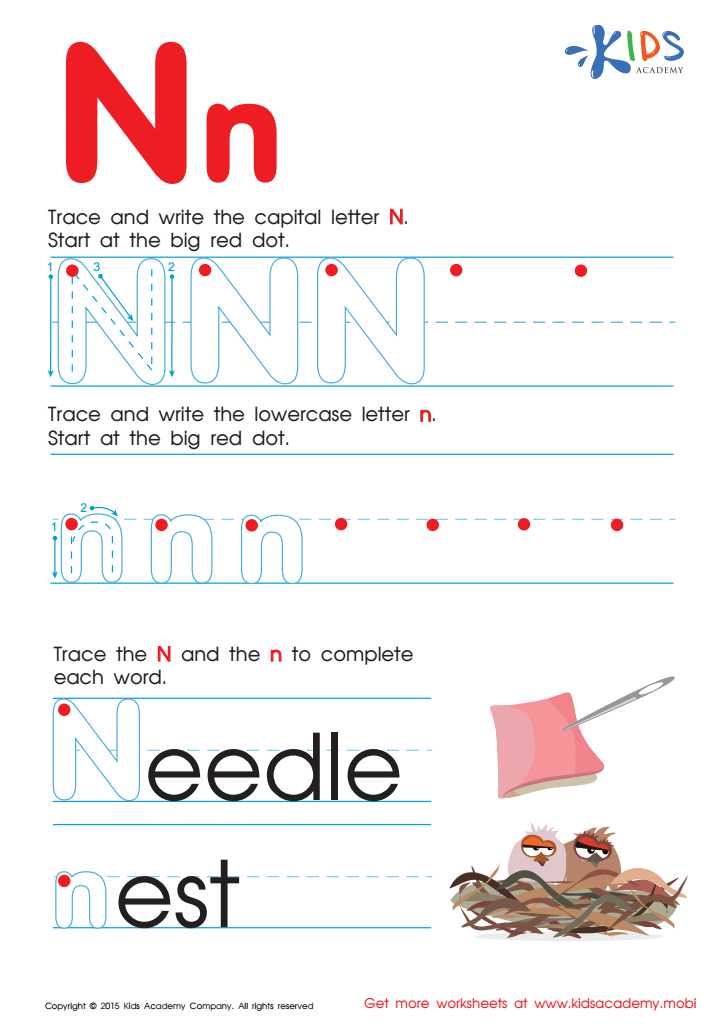
Letter N Tracing Page
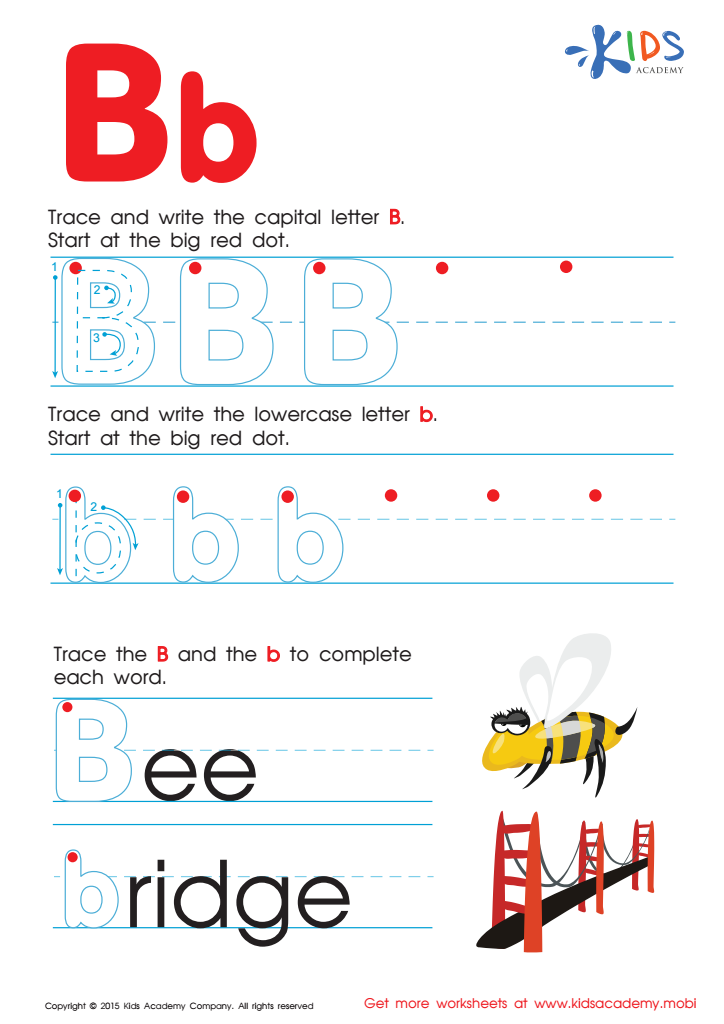
Letter B Tracing Page
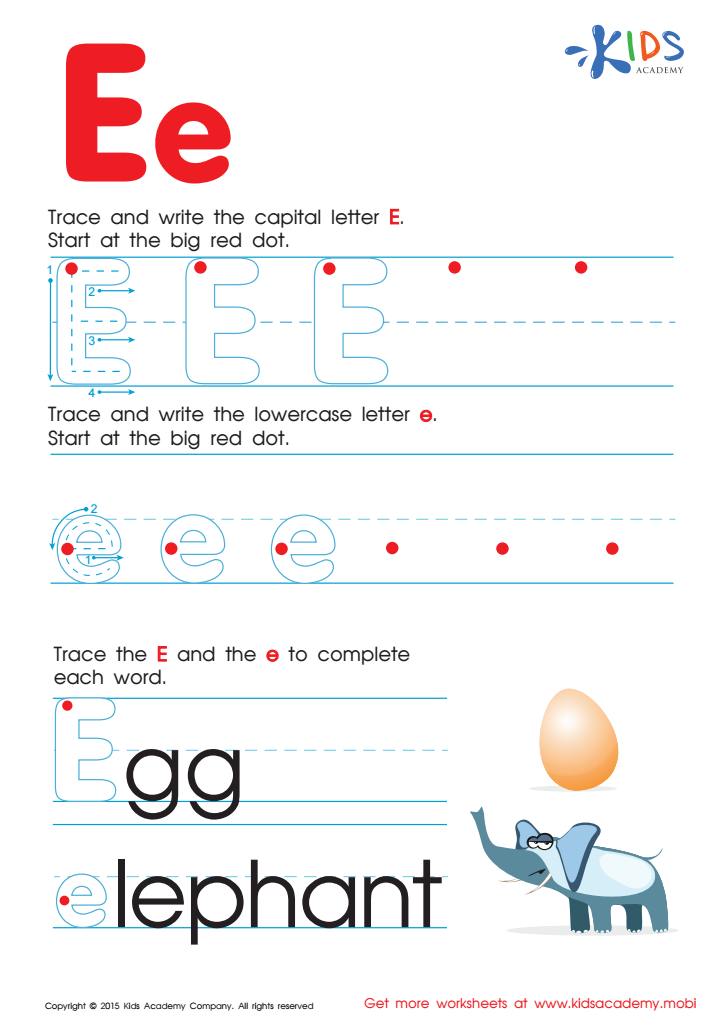
Letter E Tracing Page
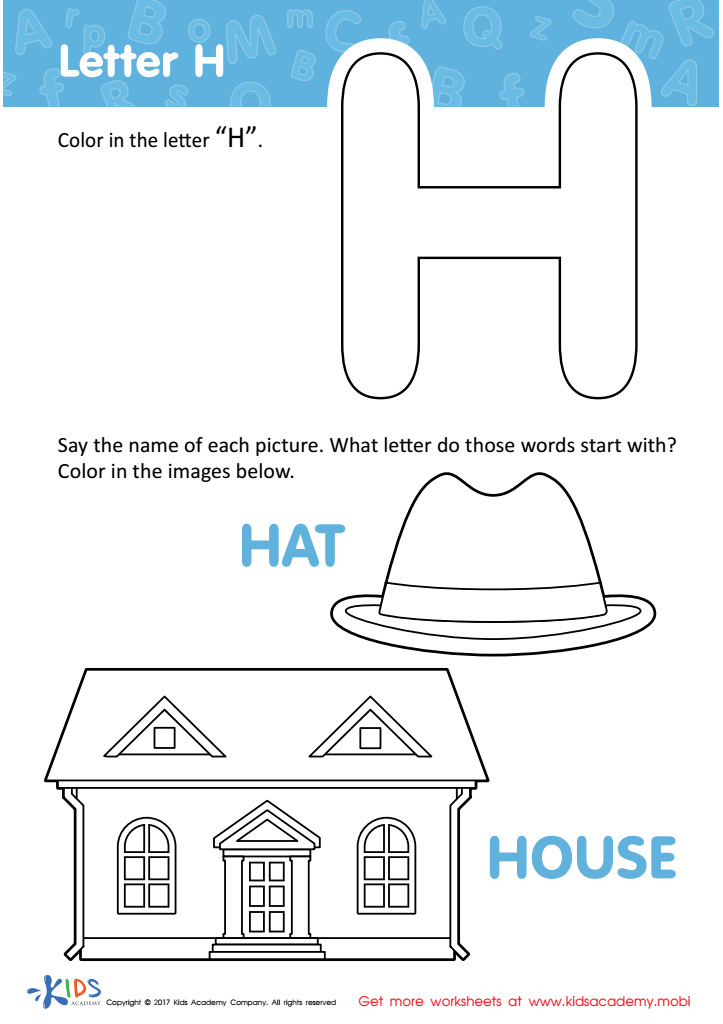
Letter H Coloring Sheet
Assign to My Students
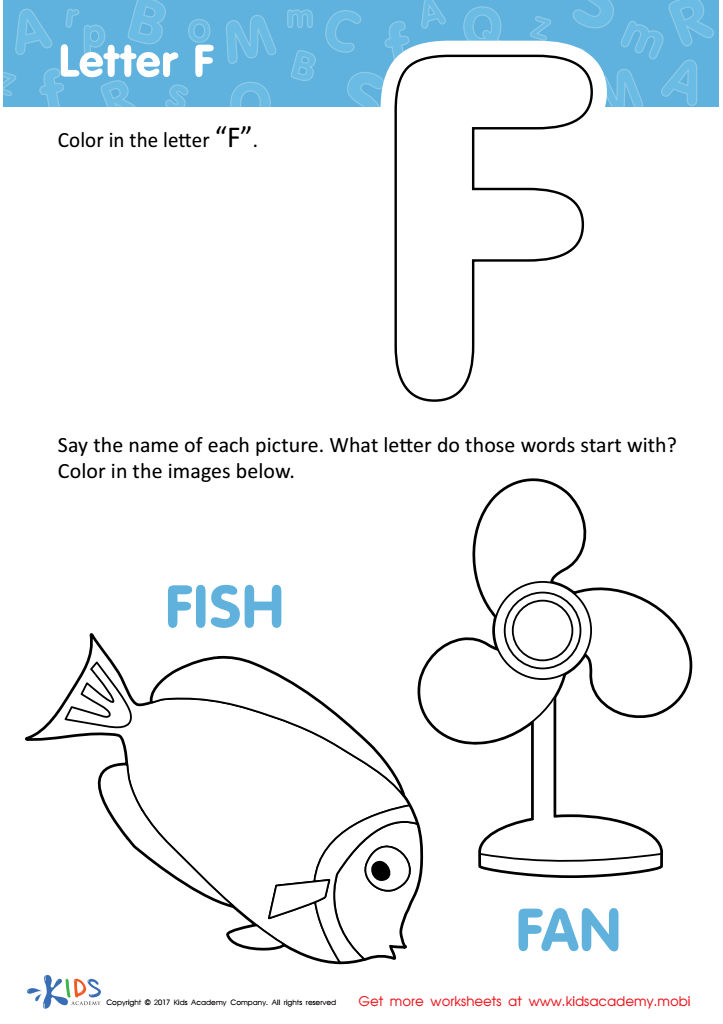
Letter F Coloring Sheet
Assign to My Students






.jpg)

Alphabet recognition is a fundamental skill for young learners that significantly impacts literacy development. For 9-year-olds, mastering this skill goes beyond just identifying letters; it's essential for reading fluency, comprehension, and overall academic success.
Firstly, strong alphabet recognition lays the groundwork for phonemic awareness and reading skills. Children recognize letters and connect them with sounds, which are critical for decoding new words. Early mastery can lead to enhanced reading confidence, helping to foster a love for literature.
Moreover, children who struggle with letter recognition may find themselves at a disadvantage in various academic subjects. As curriculum content becomes more complex, proficiency in reading becomes increasingly crucial. Poor reading skills can lead to frustration, decreased motivation, and consequently, lower self-esteem.
Teachers and parents can support development through engaging activities. Familiarity with alphabetic concepts contributes to better performance on assessments and helps reduce the learning gap. Additionally, involving parents in the learning process encourages a collaborative approach that reinforces skills at home.
Ultimately, fostering strong alphabet recognition not only aids in educational achievements but also shapes lifelong learning habits—important in an age where reading is essential for navigating everyday life. Therefore, prioritizing this skill can create a positive educational trajectory for children.








