
Analytical thinking Normal Worksheets for 9-Year-Olds
5 filtered results
Difficulty Level
Grade
Age
-
From - To
Subject
Activity
Standards
Discover our engaging "Analytical Thinking Normal Worksheets" designed specifically for 9-year-old learners! These worksheets foster critical thinking and problem-solving skills, providing your child with fun and challenging activities. As kids explore logical reasoning, pattern recognition, and deductive reasoning, they enhance their cognitive abilities while enjoying the process. Perfect for both classroom and home learning, our high-quality resources encourage independent thinking and creativity. With a variety of topics and difficulty levels, these worksheets are ideal for supporting your child's growth in analytical skills. Help your young learners develop the tools they need for academic success with our thoughtfully crafted worksheets!
Favorites
With answer key
Interactive
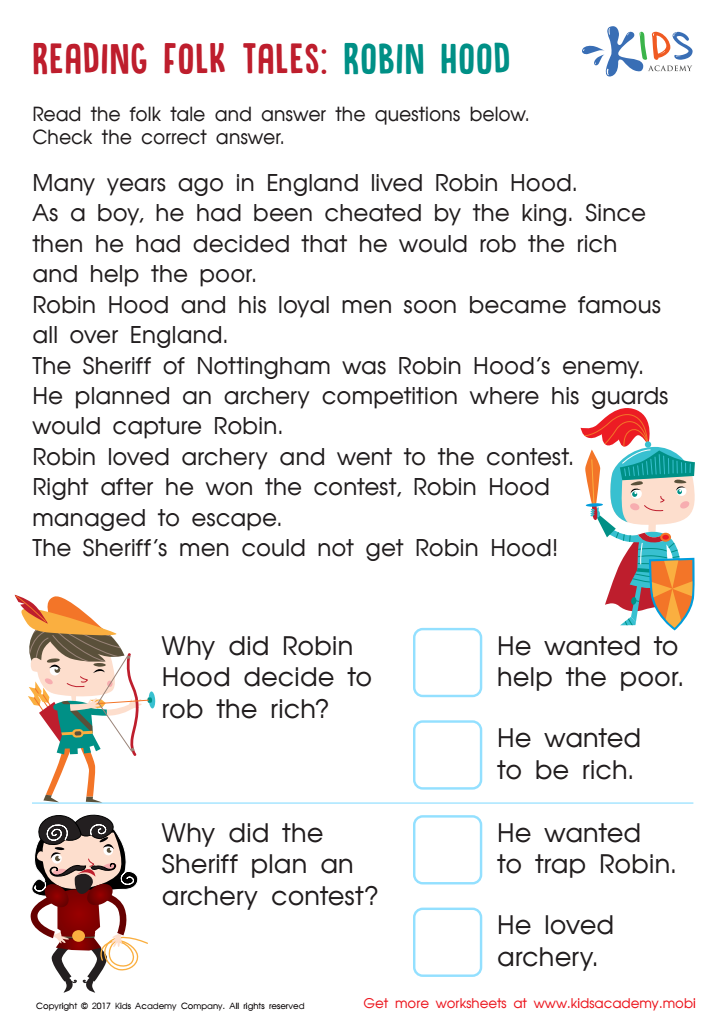
Robin Hood Folktale Worksheet
Have your child practice reading comprehension and inferencing with this Robin Hood folktale worksheet! Get them to read between the lines to find character motivation and answer important questions about the passage. It's a fun way to test their reading skills!
 Assign to My Students
Robin Hood Folktale Worksheet
Worksheet
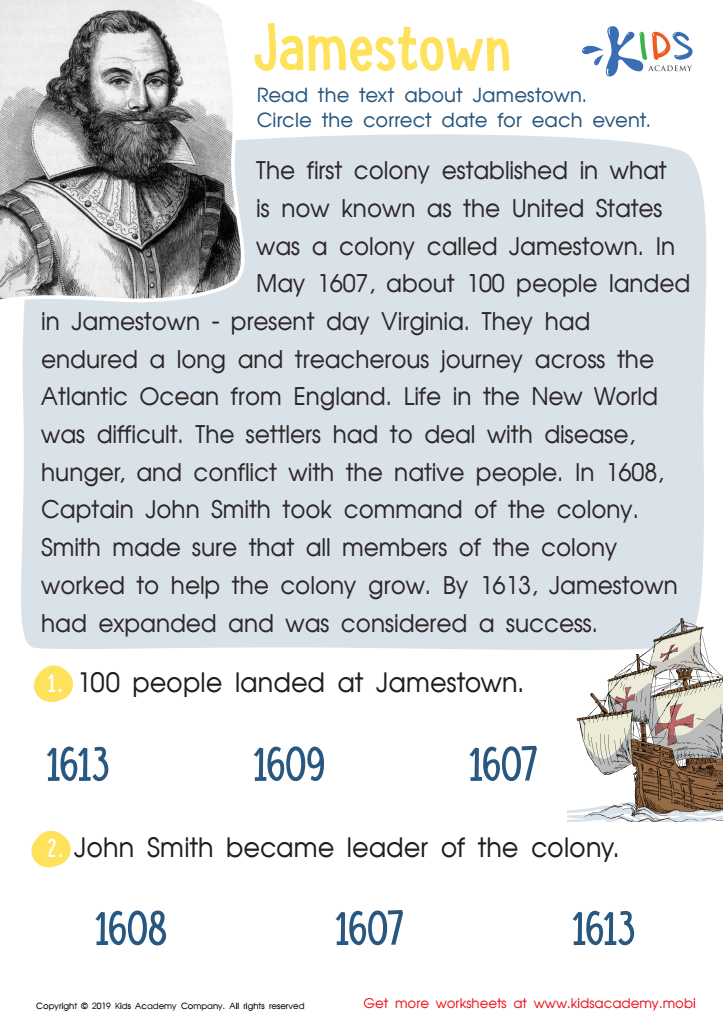
Jamestown Worksheet
Help your kids build vocabulary by reading simple texts and stories to them. This exercise helps them practice reading and grammar, and increases their knowledge of a topic. In this worksheet, kids learn about Jamestown: read text aloud and help them circle the correct date for each event.
Jamestown Worksheet
Worksheet
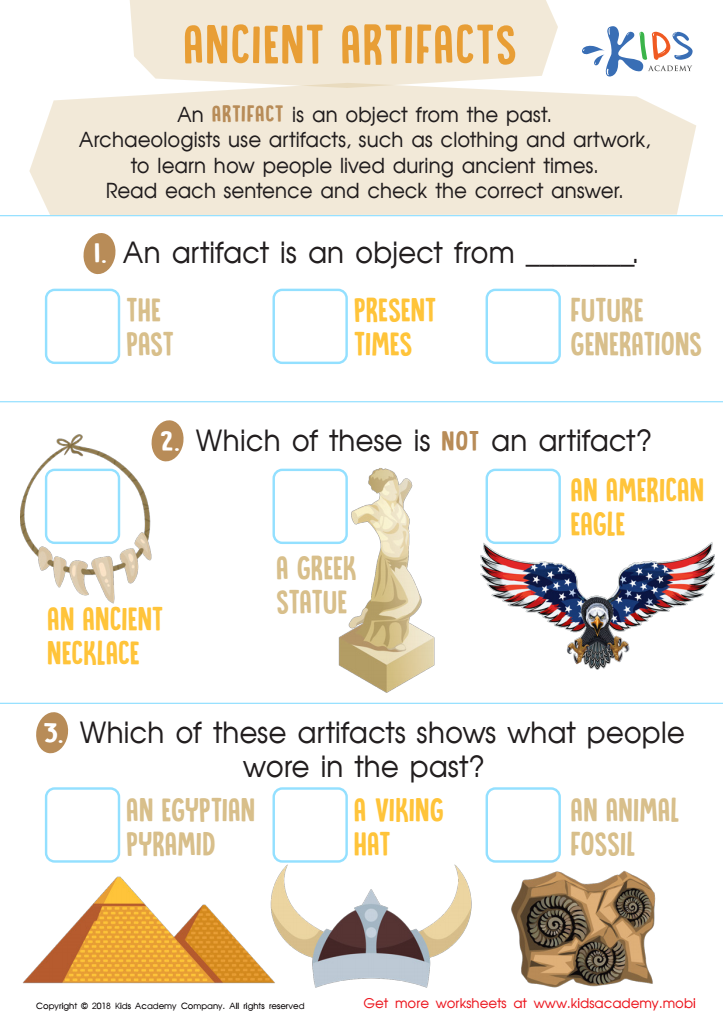
Ancient Artifacts Worksheet
This free worksheet helps kids understand ancient artifacts, from statues to necklaces to fossils. They'll read comprehension questions and select answers from multiple choice options, with pictures to help them grasp the concept. It's a great way for children to learn about artifacts and what they may look like.
Ancient Artifacts Worksheet
Worksheet
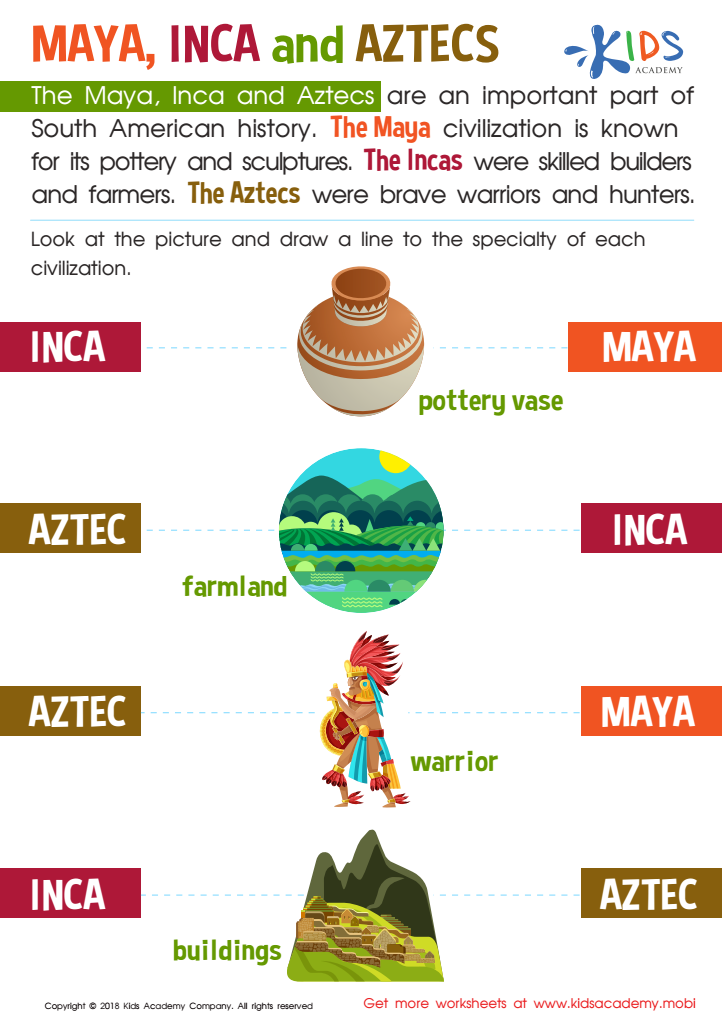
Maya, Inca and Aztecs Worksheet
This worksheet introduces your child to the thrilling histories of the Mayan, Incan and Aztec cultures, teaching them about their warriors, sculptors and farmers. With traceable lines and colorful imagery, they'll connect each culture with its correct associated picture - great for cementing concepts!
Maya, Inca and Aztecs Worksheet
Worksheet
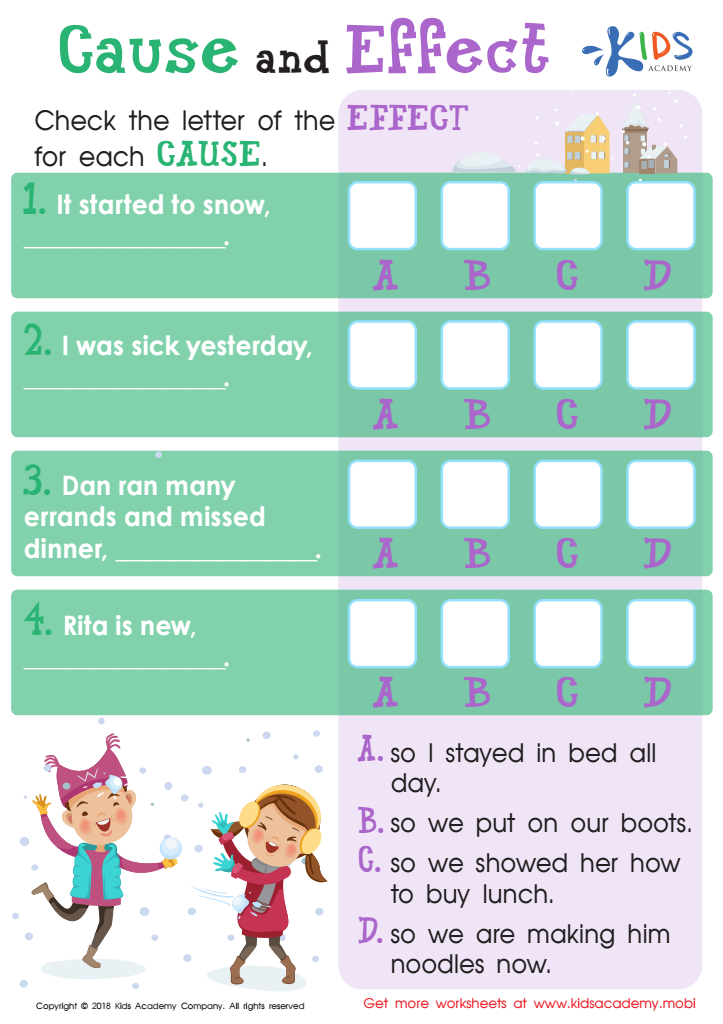
Cause and Effect Worksheet
Help your kids understand the cause-effect relationship of sentences by having them complete this worksheet. There are four incomplete sentences at the top and four options at the bottom. Have them select the appropriate letter for the effect of each cause. This will be the first step to their future of composing grammatically correct and meaningful sentences.
Cause and Effect Worksheet
Worksheet
Join Kids Academy for Free
Who is primarily going to use this learning content?








Parents and teachers should prioritize developing analytical thinking skills in 9-year-olds because these skills are foundational for problem-solving and decision-making, essential for academic success and everyday life. At this age, children are beginning to think more independently and can benefit significantly from learning to analyze information critically.
Fostering analytical thinking encourages students to ask questions, break down complex ideas into manageable parts, and evaluate evidence before reaching conclusions. This cognitive process not only improves academic performance in subjects like math, science, and reading but also prepares children for real-world challenges. As they learn to approach problems logically and creatively, they become better equipped to tackle future educational and life obstacles.
Moreover, analytical thinkers are often more resilient. By learning how to assess situations and consider various perspectives, children can develop a more open-minded approach to conflicts and criticisms. This mindset can lead to improved social relationships and emotional intelligence.
Supporting analytical thinking in this age group also nurtures a lifelong love of learning. When children feel empowered to explore ideas and construct their own understanding, they are more likely to enjoy learning experiences and maintain curiosity as they grow. Encouraging this skill set is an investment in their bright, successful futures.








