
Multiplication practice Normal Plants and Animals Worksheets for 9-Year-Olds
6 filtered results
Difficulty Level
Grade
Age
-
From - To
Subject
Activity
Standards
Enhance your 9-year-old's math skills while exploring the wonders of nature with our "Multiplication Practice Normal Plants and Animals Worksheets." Designed to blend core multiplication learning with engaging science content, these worksheets captivate young learners. Each sheet features fun math challenges intertwined with fascinating facts about plants and animals, fostering a dual approach to education. The vibrant illustrations and real-world applications not only reinforce multiplication concepts but also satisfy curious minds about the natural world. Perfect for classroom or home use, these worksheets make learning a thrilling adventure. Unlock their potential today with this intriguing and educational resource!
Favorites
With answer key
Interactive
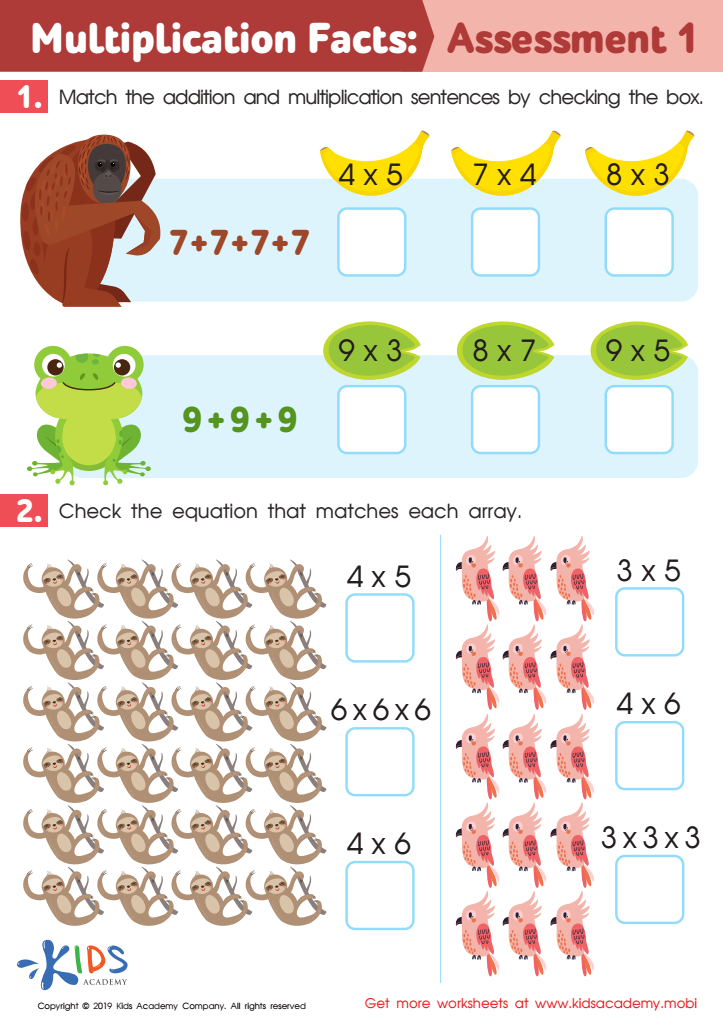
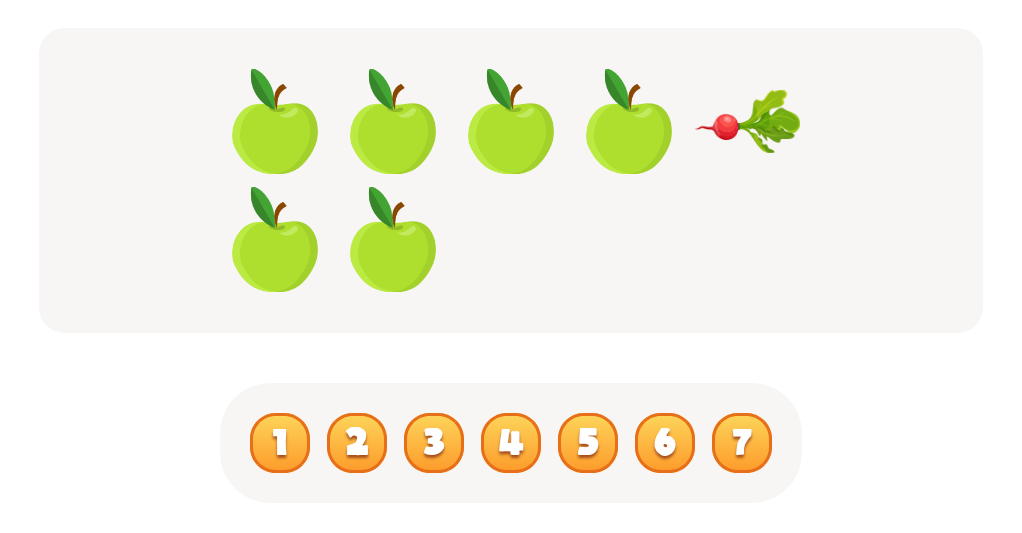
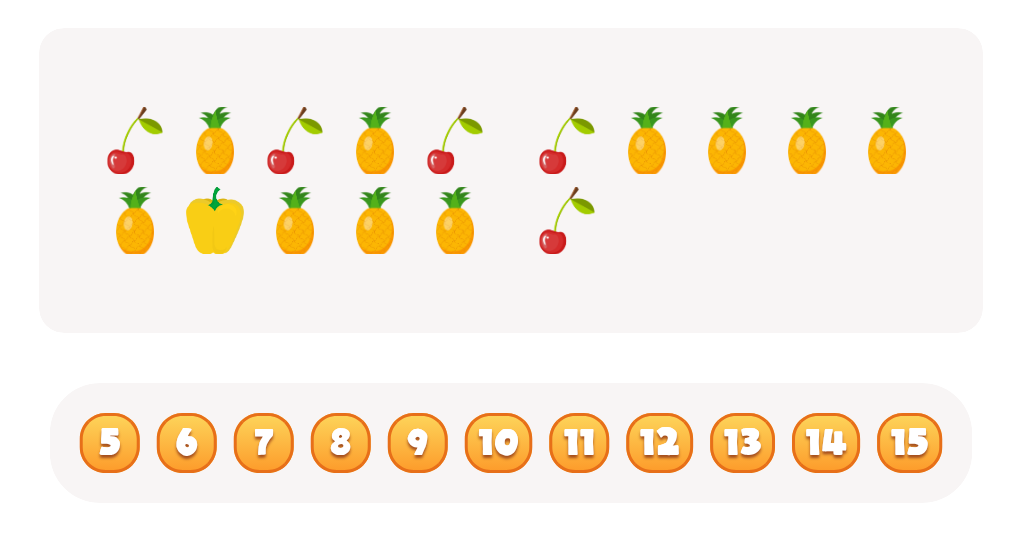
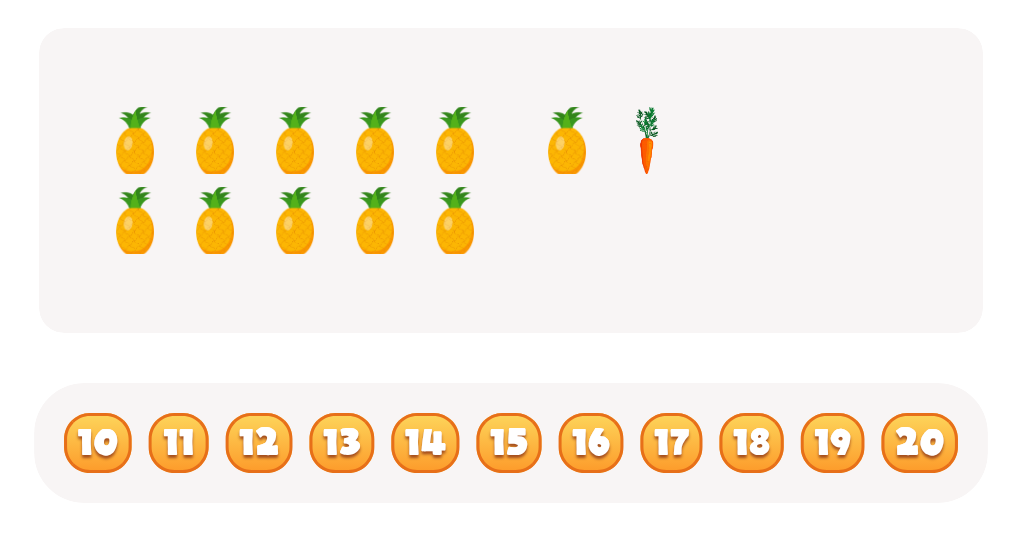
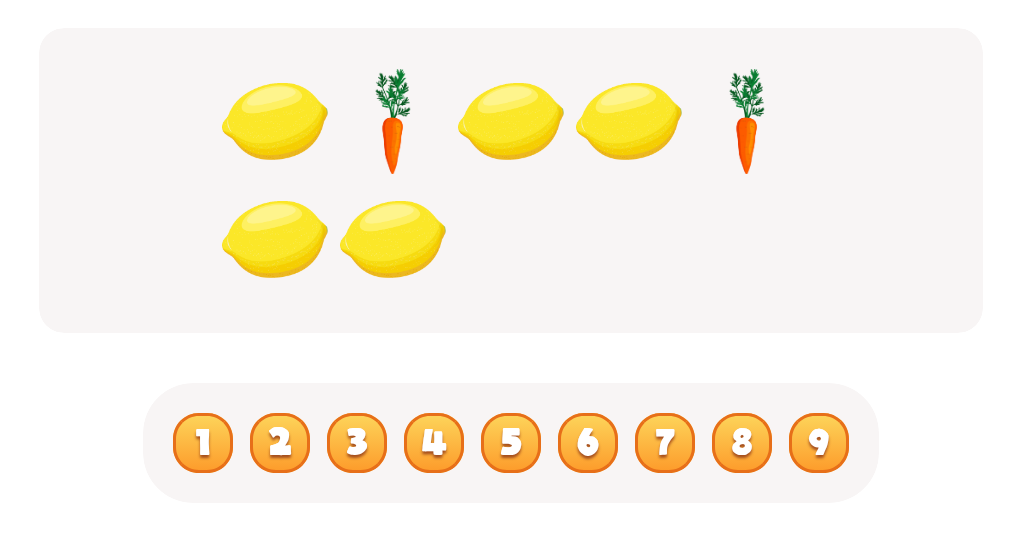
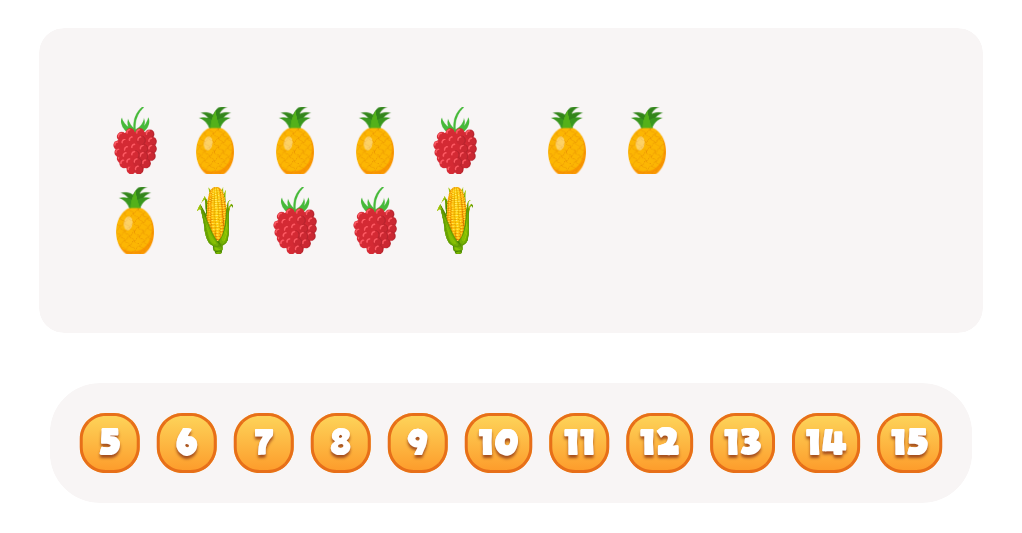
Multiplication Facts: Assessment 1 Worksheet
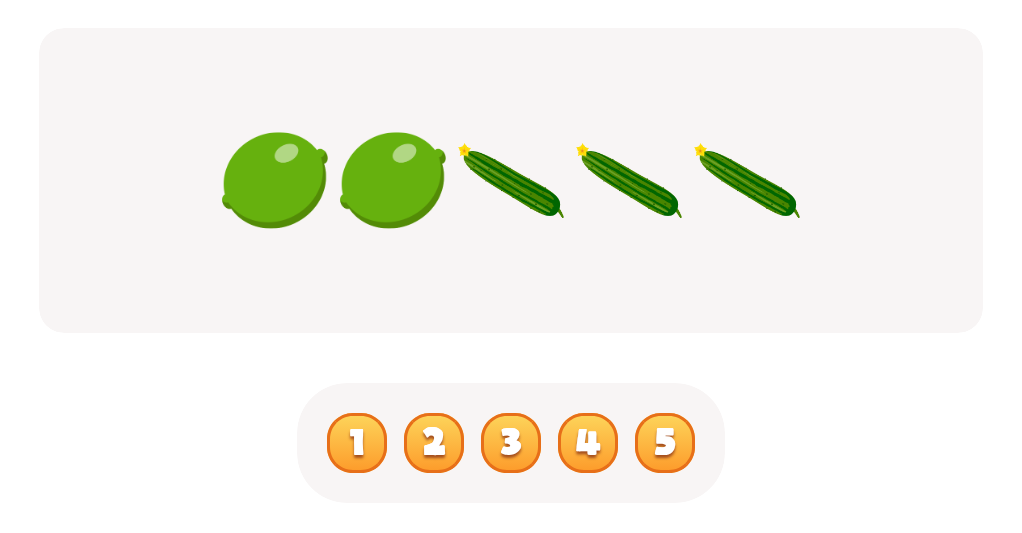
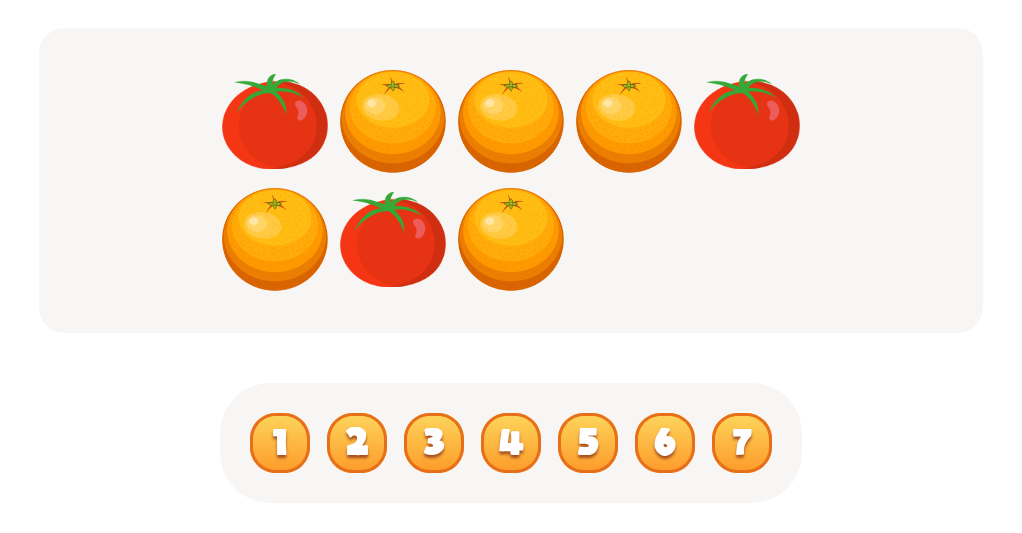
Teach your kids math with diligence, patience and practice. This colorful worksheet helps by matching addition and multiplication sentences, then checking the equation that matches each array. Perfect for kids having difficulty or to give extra practice. Help your little ones master mathematics with this printout.
 Assign to My Students
Multiplication Facts: Assessment 1 Worksheet
Worksheet

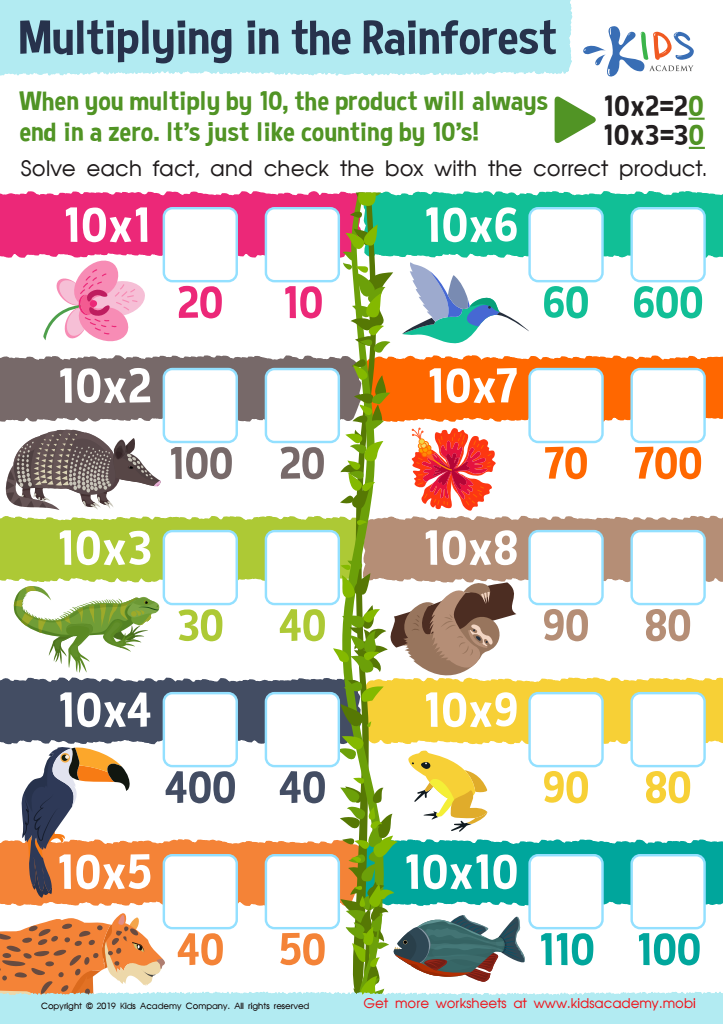
Multiplying in the Rainforest Worksheet
Teaching your child multiplication can be tricky. Help them out with some easy tips! Teach them that when multiplying by 10, the answer always ends in 0. Just like counting by 10's. Show them examples and encourage them to solve the facts, checking their answer with the correct product.
Multiplying in the Rainforest Worksheet
Worksheet
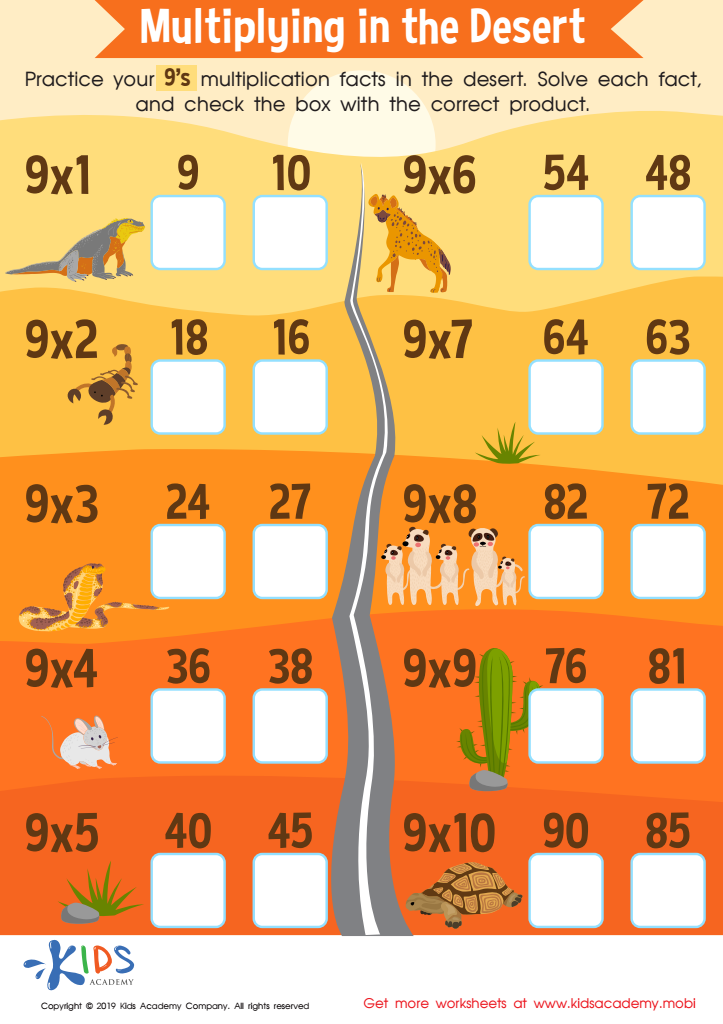
Multiplying in the Desert Worksheet
Help your kids learn the multiplication table faster by introducing them to this fun worksheet! It allows them to learn at a more engaging pace, with the added challenge of naming desert animals. Solve each fact and check the correct product, for an enjoyable and effective way to practice their 9’s multiplication facts.
Multiplying in the Desert Worksheet
Worksheet
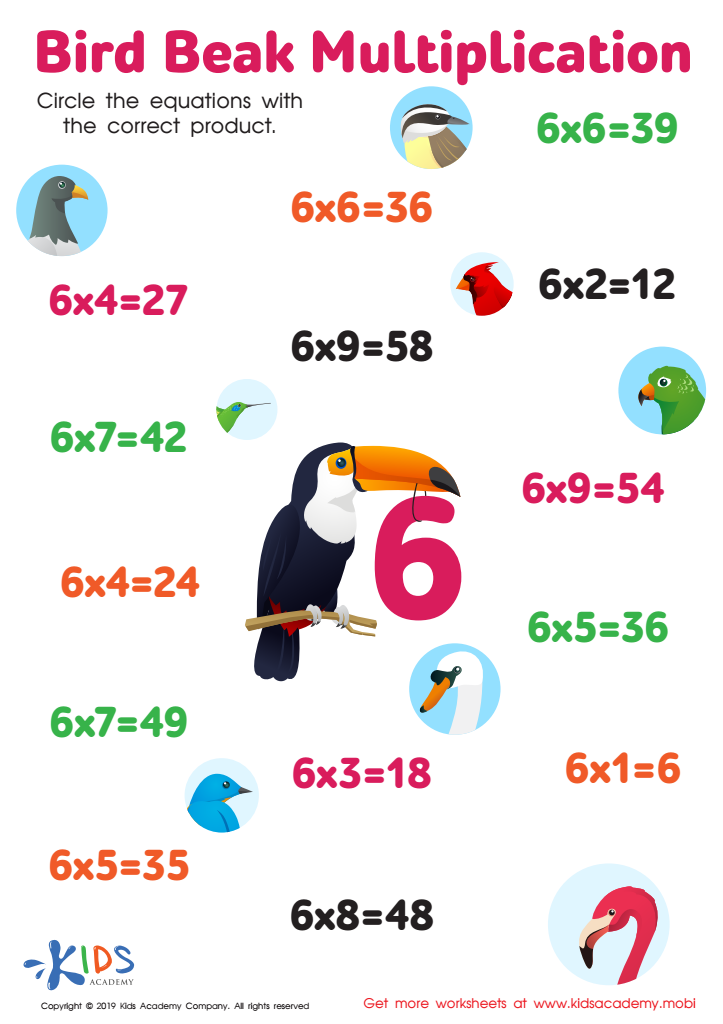
Bird Beak Multiplication Worksheet
Ask your kids to identify the birds in the pic and help them solve the equations. Then, have them circle the correct product. Encourage your kids to explore the wonders of nature with this bird-themed worksheet that'll take their interest to a whole new level, especially if they already have a pet bird or love birds!
Bird Beak Multiplication Worksheet
Worksheet
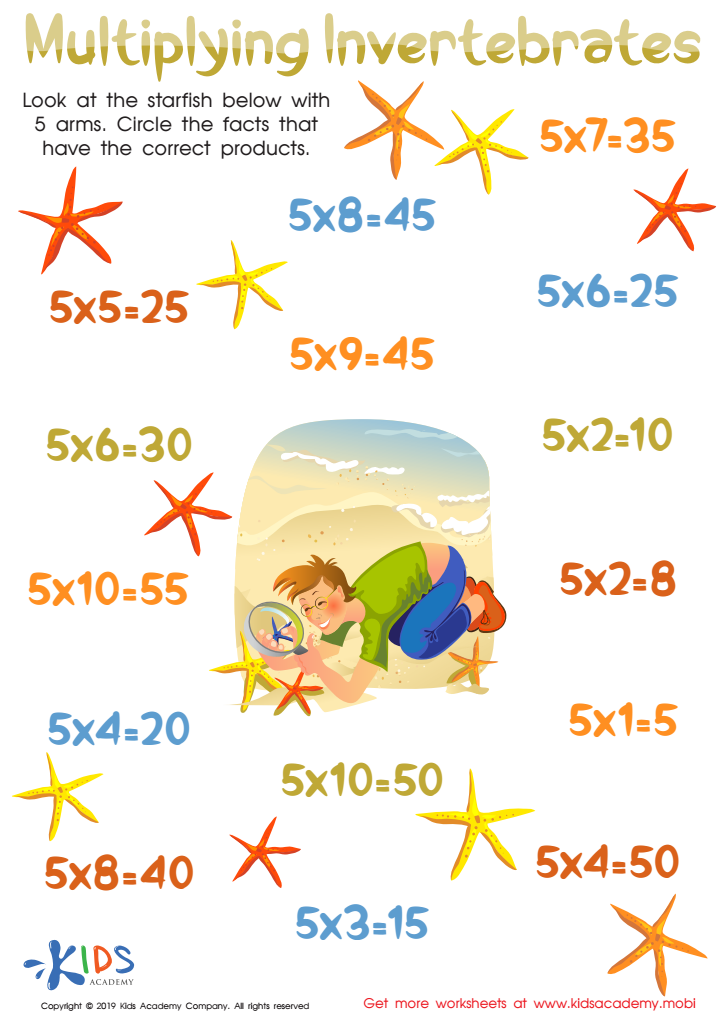
Multiplying Invertebrates Worksheet
Explain to your kids an invertebrate is an animal without a backbone. Examples: squid, jellyfish, octopus. Now, look at the starfish in the picture and help your kids circle the correct facts.
Multiplying Invertebrates Worksheet
Worksheet
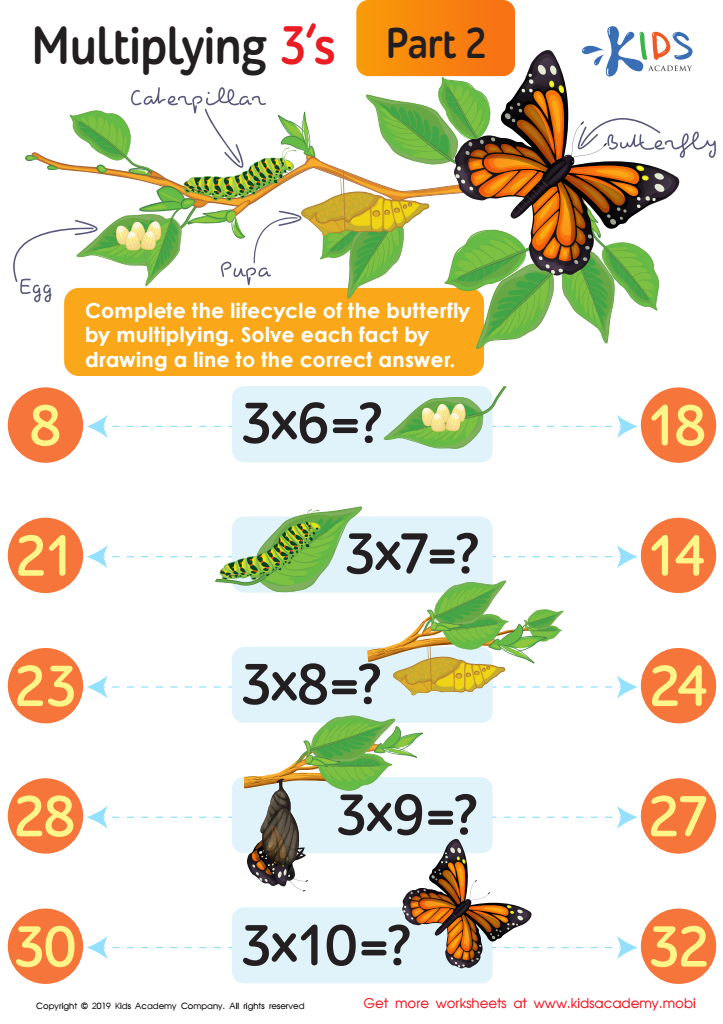
Multiplying 3s Part 2 Worksheet
Once a tiny egg, a butterfly goes through its life cycle. From egg to caterpillar to cocoon to beautiful winged creature! Ask your kids to complete the lifecycle by solving the facts on the worksheet. Help them draw a line to the right answer and let them marvel at the butterfly's amazing transformation!
Multiplying 3s Part 2 Worksheet
Worksheet
Join Kids Academy for Free
Who is primarily going to use this learning content?








Parents and teachers should prioritize multiplication practice for 9-year-olds because it is a foundational mathematical skill that fosters critical thinking and problem-solving abilities. Mastering multiplication aids students in understanding more complex concepts such as division, fractions, and algebra, providing a strong basis for future academic success in mathematics and other STEM fields. Regular multiplication practice improves cognitive development, enhances memory, and increases mental agility, allowing children to handle numbers confidently and efficiently in everyday life.
Furthermore, incorporating learning about normal plants and animals into their education enriches a child's understanding of the natural world and promotes a sense of curiosity and respect for the environment. This knowledge helps them appreciate biodiversity and ecological balance, highlighting the importance of conservation and sustainable practices from a young age. Engaging with nature enhances observational skills, fosters empathy, and strengthens their connection to the world around them, positively impacting their social and emotional development.
By nurturing both multiplication skills and an understanding of the natural world, parents, and teachers can create a well-rounded educational experience. This approach not only supports academic growth but also cultivates informed, environmentally-conscious individuals prepared to contribute positively to society.







