
Problem-Solving Skills Normal Governance and Civics Worksheets for 9-Year-Olds
3 filtered results
Difficulty Level
Grade
Age
-
From - To
Subject
Activity
Standards
Enhance your 9-year-olds' understanding of governance and civics with our engaging Problem-Solving Skills worksheets. Designed to develop critical thinking, these age-appropriate activities guide young learners through real-life scenarios, encouraging them to navigate community challenges and civic responsibilities. Each worksheet promotes collaboration, creativity, and an active learning approach, making complex concepts accessible and relatable. As students tackle thematic problems, they'll not only learn about normal governance but also cultivate essential life skills that empower them as responsible citizens. Perfect for classroom use or at-home learning, our worksheets offer an enjoyable way to foster a sense of civics in young minds. Explore now!
Favorites
With answer key
Interactive
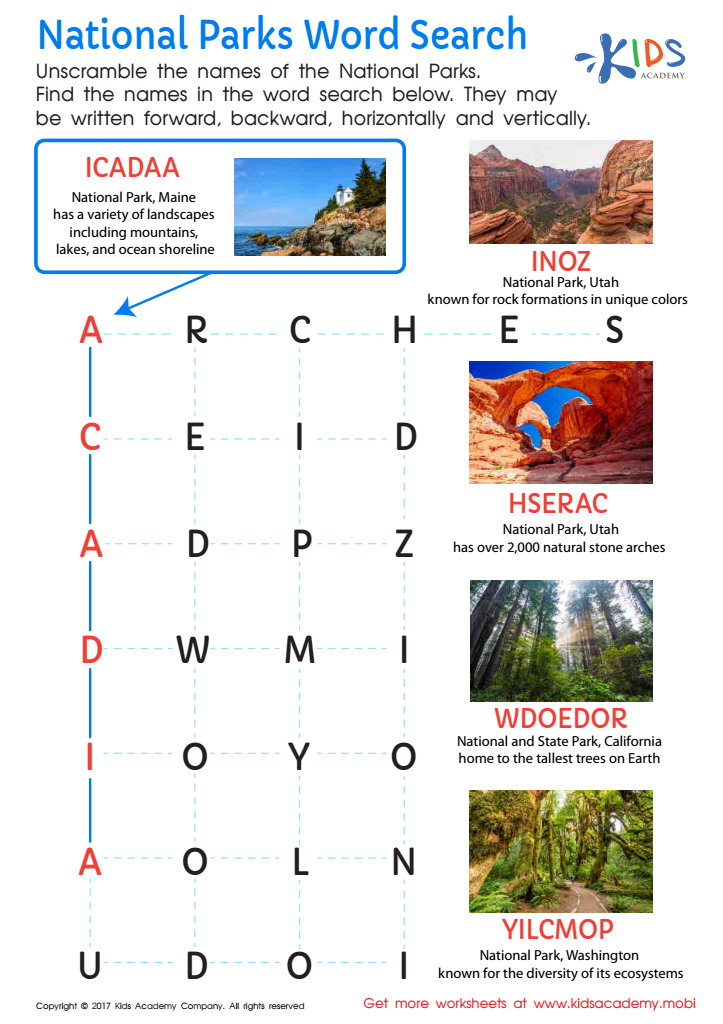
National Parks Word Search Worksheet
Explore the beauty of the USA’s national parks with this fun National Parks word search! Learn more about these majestic sites and boost your knowledge. Take a trip through the sights and sounds of our country with this motivating worksheet.
 Assign to My Students
National Parks Word Search Worksheet
Worksheet
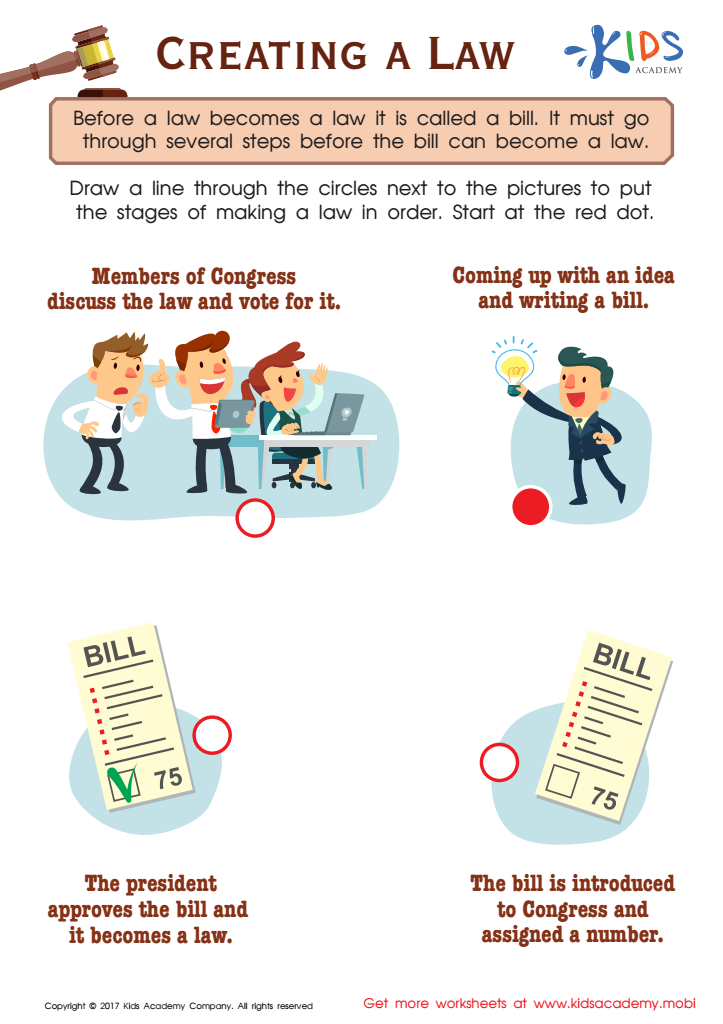
Creating a Law Worksheet
Help your child understand how laws are made with this Creating a Law Worksheet. Perfect for young learners, it covers the lawmaking process with fun pictures and simple language. Get an exciting insight into democracy and teach kids the importance of laws!
Creating a Law Worksheet
Worksheet
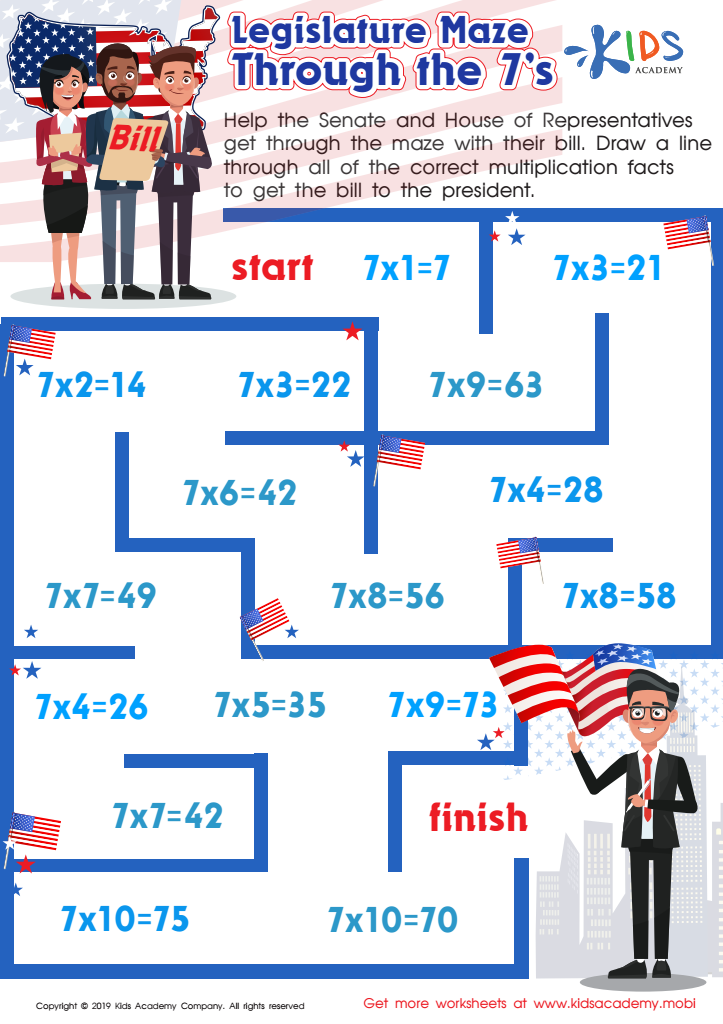
Legislature Maze Through the 7’s Worksheet
Students can review their math and social studies skills with this exciting worksheet. By drawing a line through only the correct multiplication facts in the 7x multiplication table maze, they can lead the members of Congress to the President to get the law signed and finish the puzzle.
Legislature Maze Through the 7’s Worksheet
Worksheet
Join Kids Academy for Free
Who is primarily going to use this learning content?


Teaching problem-solving skills and understanding of normal governance and civics to 9-year-olds is essential for fostering well-rounded future citizens. At this age, children begin to form opinions and develop critical thinking abilities. By equipping them with problem-solving skills, educators and parents help children learn to analyze situations, consider various perspectives, and devise constructive solutions to challenges in everyday life.
Understanding normal governance introduces children to the concept of community, responsibility, and the importance of participating in societal processes. This knowledge empowers them to make informed decisions, understand their rights and responsibilities, and engage in civic activities as they grow, whether it be voting, volunteering, or advocating for causes they believe in.
Moreover, focusing on problem-solving and civics promotes empathy and collaboration among peers, encouraging them to respect diverse viewpoints and work together toward common goals. Children learn the significance of dialogue and negotiation in resolving conflicts, essential skills for both personal and communal relationships.
By nurturing these skills early on, parents and teachers not only prepare children for academic success but also cultivate informed, active, and compassionate citizens who can contribute positively to their communities and adapt to an ever-changing world.








