Alphabet Learning Normal Alphabet Worksheets
4 filtered results
-
From - To
Discover our engaging Alphabet Learning Normal Alphabet Worksheets, designed to make mastering the alphabet fun and interactive for young learners. Ideal for preschool and kindergarten students, these worksheets feature a variety of activities that encourage letter recognition and phonetic skills. Each worksheet includes vibrant illustrations and easy-to-follow exercises that promote fine motor skills as children practice writing and tracing letters. Empower your child’s literacy journey with exercises that nurture their creative potential and enhance their early learning experience. Explore our collection today and pave the way for your child's reading and writing success, all while keeping the learning process enjoyable!
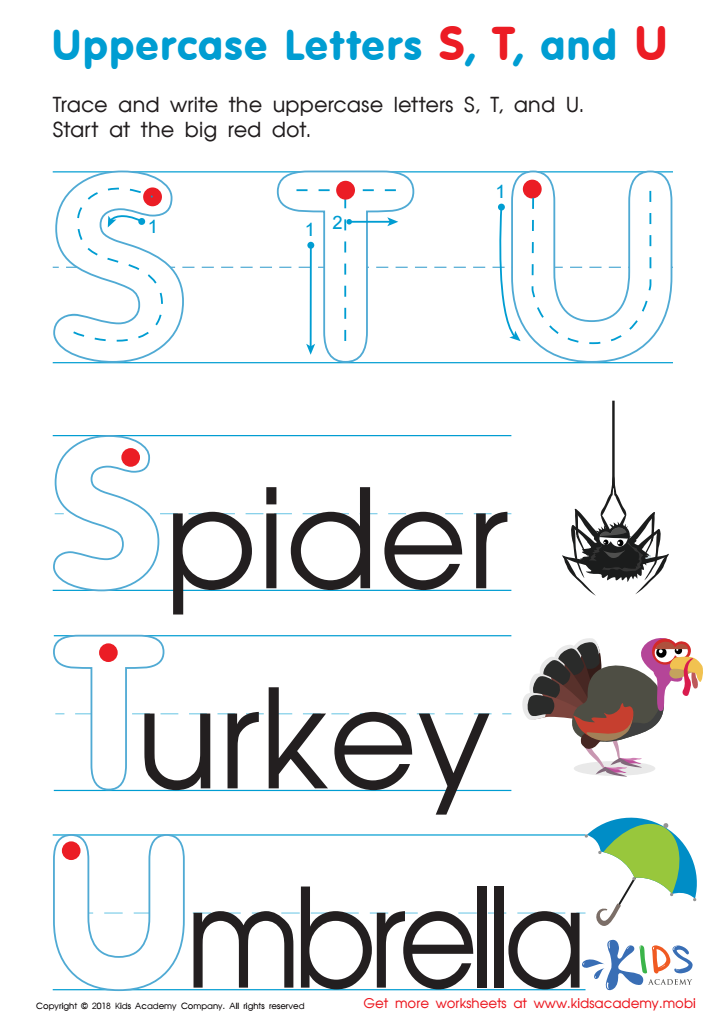
Uppercase Letters S, T, and U Worksheet
 Assign to My Students
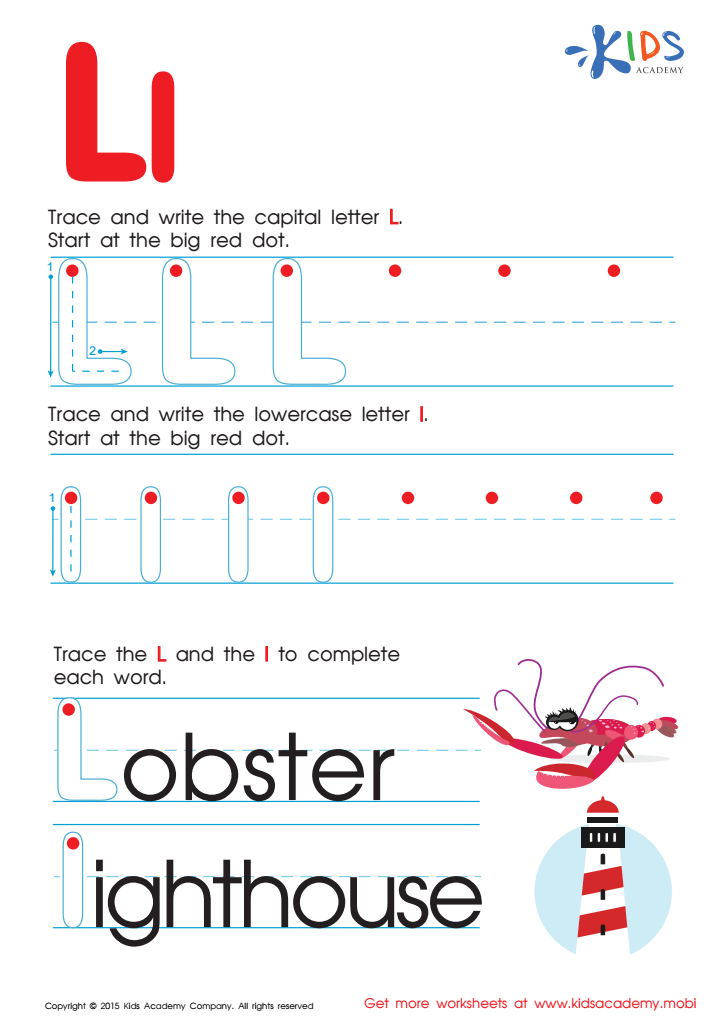
Letter L Tracing Page
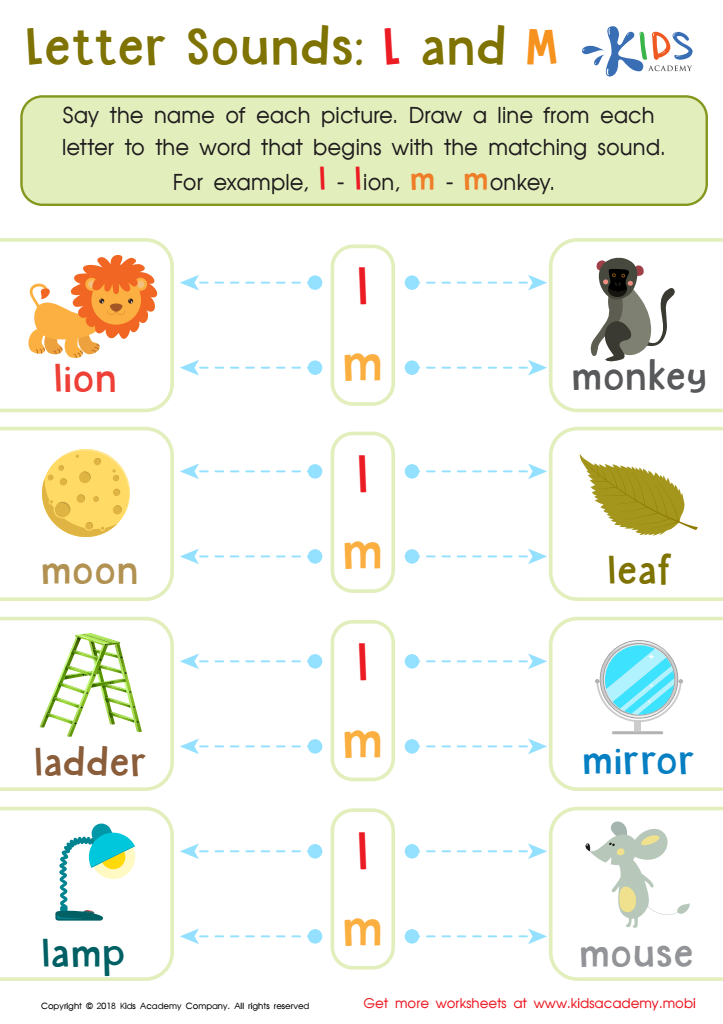
Letter l and M Sounds Worksheet

Letter F Tracing Page






Understanding alphabet learning is crucial for both parents and teachers as it lays the foundation for literacy development in young children. The alphabet is not just a series of letters; it represents the building blocks for reading and writing, essential skills for academic success.
Parents should care because their involvement in early literacy can significantly impact their child's language development, comprehension, and confidence. Engaging with children through alphabet games, books, and conversations helps to create a positive and enriching learning environment at home.
Teachers, on the other hand, play a pivotal role in the structured acquisition of alphabet skills. By introducing the normal alphabet in a meaningful way, teachers help children recognize letters, understand phonetics, and connect sounds to written words. This understanding fosters greater reading fluency and enhances language skills.
Incorporating the normal alphabet into classroom activities allows teachers to assess individual progress, tailor instructions, and create a supportive learning atmosphere. By prioritizing alphabet learning, both parents and teachers contribute to a child's future academic achievements, creating lifelong readers and learners who can engage effectively with the world around them. Ultimately, both roles are instrumental in nurturing a child's journey toward literacy and critical thinking skills.







