Alphabet tracing Normal Alphabet Worksheets
5 filtered results
-
From - To
Unlock your child’s literacy potential with our "Alphabet Tracing Normal Alphabet Worksheets"! Designed for early learners, these engaging worksheets help children master letter recognition and writing skills in a fun and interactive way. Each worksheet features a clear outline of both uppercase and lowercase letters, providing ample tracing opportunities for young hands. As they trace, children build fine motor skills and gain confidence in writing. Perfect for at-home practice or classroom use, our worksheets encourage a foundation for reading and writing success. Explore our easy-to-print resources today and watch your child flourish in their alphabet journey!
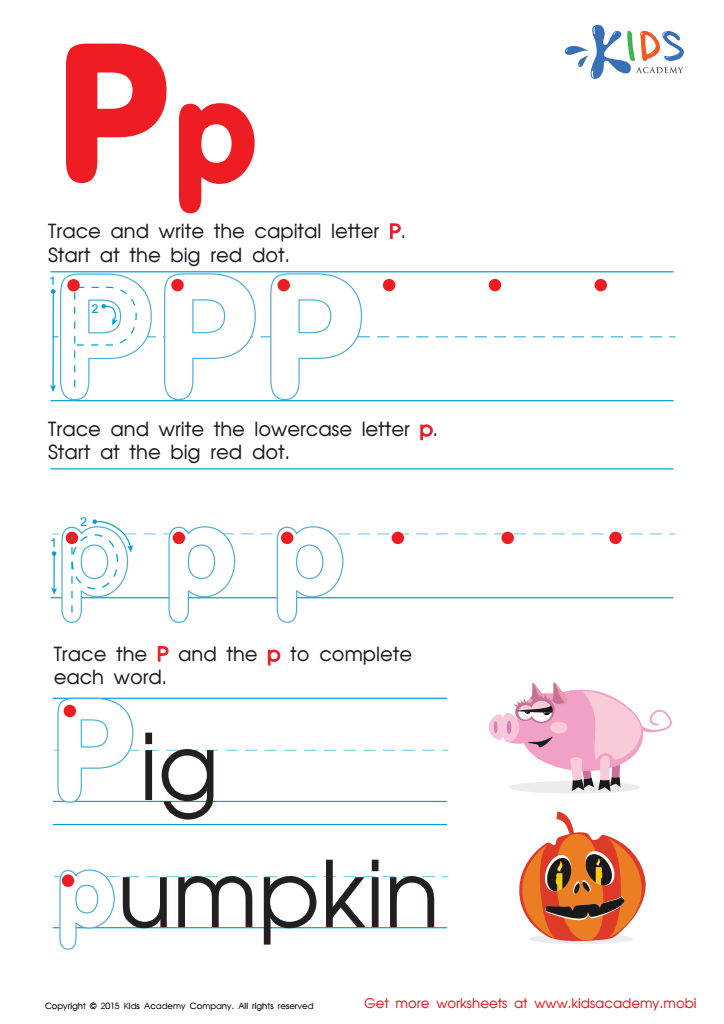
Letter P Tracing Page
 Assign to My Students
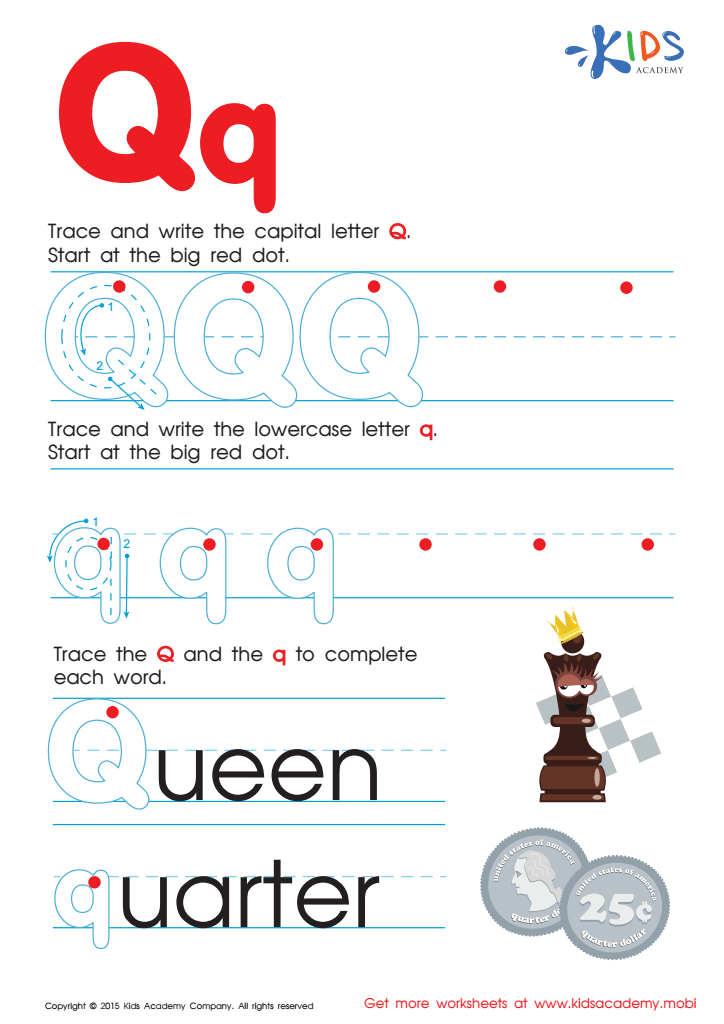
Letter Q Tracing Page

Letter H Tracing Page
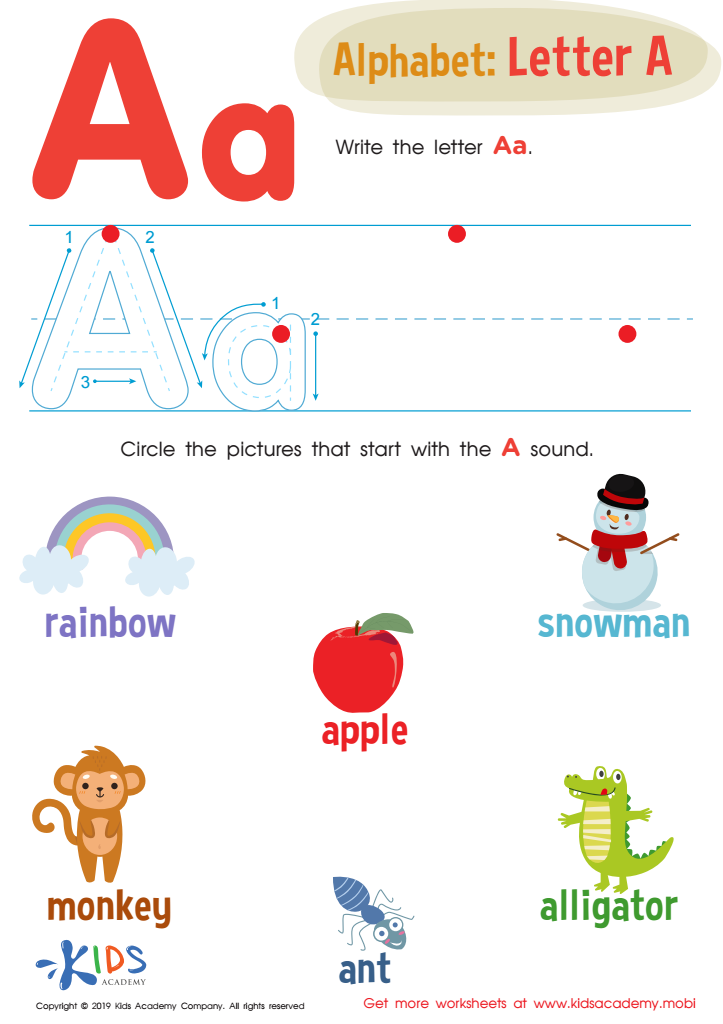
Letter A Tracing Worksheet
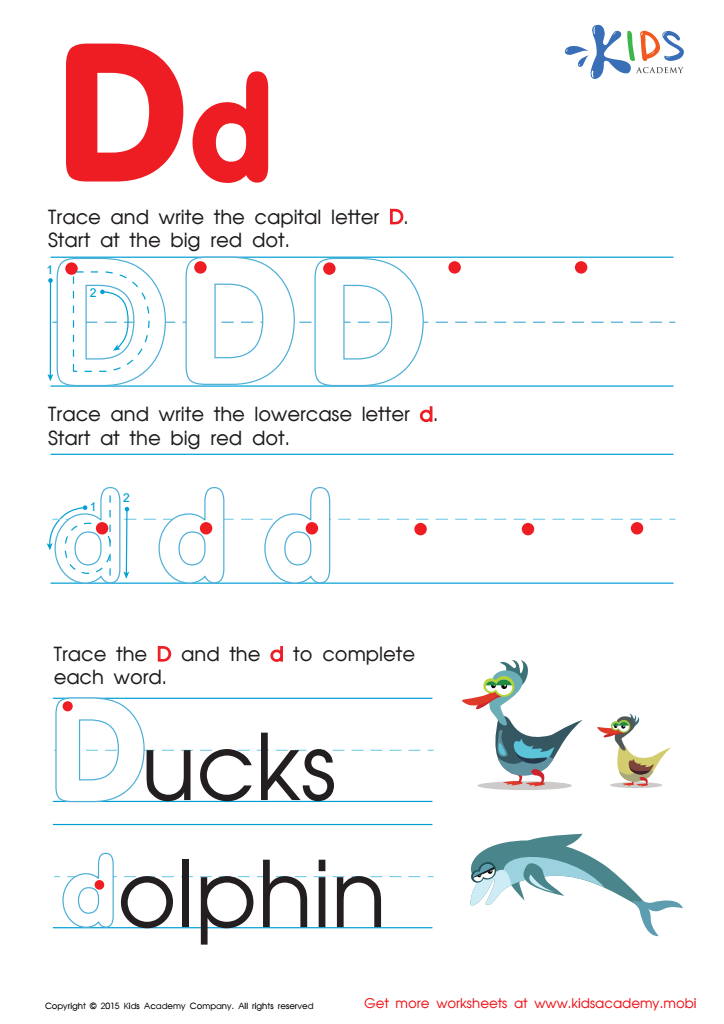
Letter D Tracing Page





.jpg)


Alphabet tracing is a crucial developmental activity that significantly aids early literacy skills in children. For parents and teachers, fostering familiarity with the Normal Alphabet through tracing can enhance fine motor skills, hand-eye coordination, and writing proficiency in young learners. When children practice tracing letters, they engage in a multi-sensory learning experience, combining visual recognition with tactile feedback, which strengthens their understanding of each letter’s shape and form.
Moreover, tracing sets a strong foundation for reading and spelling. As children learn the sequence and structure of letters, they become more confident in recognizing and producing written words, ultimately improving their literacy abilities. This method promotes the development of phonemic awareness as children often associate sounds with the letters they trace.
Parents and teachers should care about this activity because it offers an enjoyable, interactive way to support children's education. It can easily be integrated into daily routines, encouraging a positive attitude toward learning. Additionally, tracing can be adapted to suit individual learning paces, making it an inclusive tool for diverse learners. In sum, prioritizing alphabet tracing establishes essential skills that contribute to children's academic success and ease their progression into more complex literacy tasks.







