Alphabetical order understanding Normal Alphabet Worksheets
4 filtered results
-
From - To
Developing a solid understanding of alphabetical order is crucial for young learners, and our Alphabetical Order Understanding Normal Alphabet Worksheets provide the perfect foundation. Designed by educational experts, these worksheets offer fun, engaging activities that help children recognize and sequence letters in the correct order. Ideal for early grade students, the exercises incorporate various methods, from simple identification to advanced arrangement practice. These worksheets not only enhance letter recognition but also build essential language and organizational skills. Visit our page at Kids Academy for a collection that supports your child’s educational journey, fostering confidence and preparedness in learning.
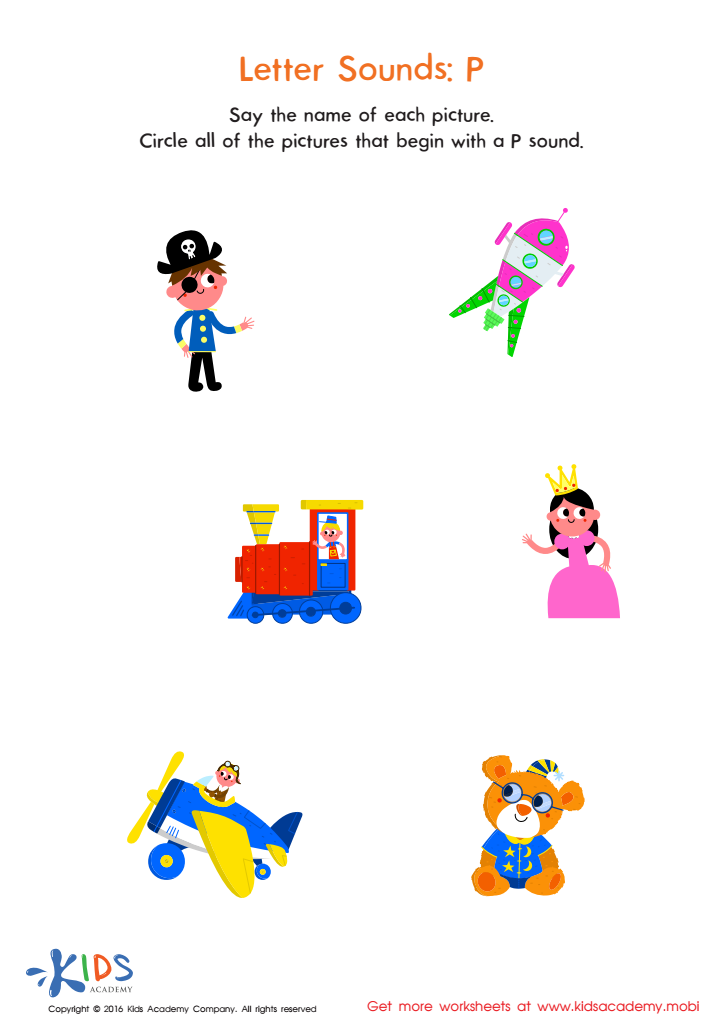
Letter P Sound Worksheet

Letter G Tracing Page
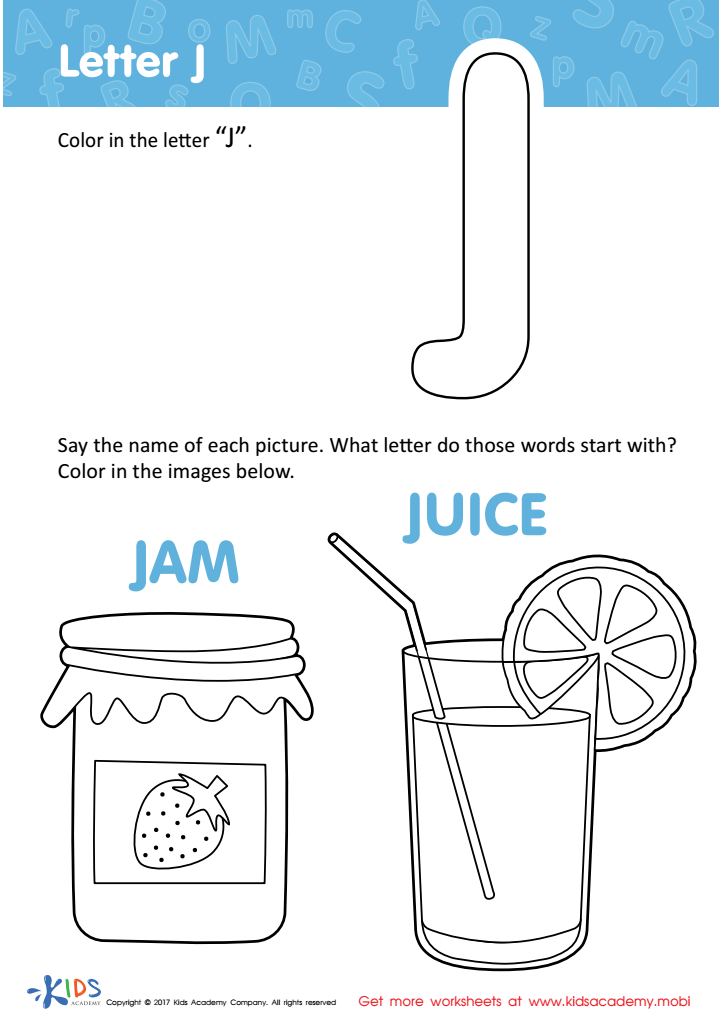
Letter J Coloring Sheet
 Assign to My Students
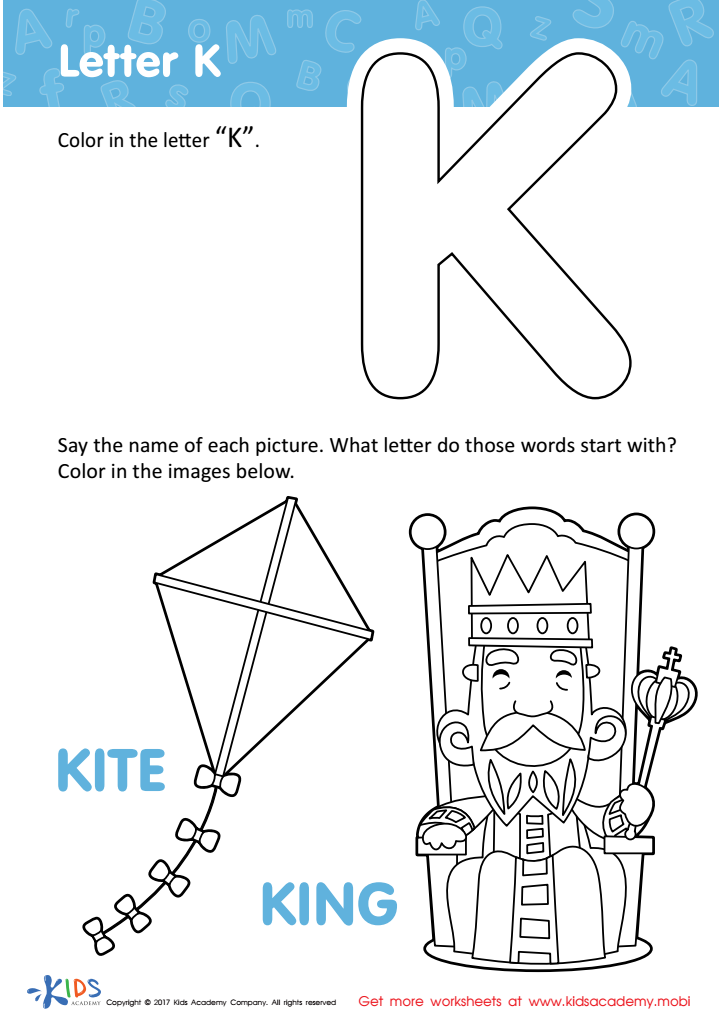
Letter K Coloring Sheet
Assign to My Students








Understanding alphabetical order has significant benefits for children and should be a priority for both parents and teachers. Firstly, it lays the groundwork for crucial literacy skills. Knowing the order of letters helps children recognize patterns, making it easier for them to locate words in a dictionary, which enhances their vocabulary and comprehension. In this digital age, search engines, library catalogs, and databases also follow alphabetical order, making this skill essential for effective information retrieval.
Furthermore, understanding alphabetical order fosters organizational skills. When children learn to categorize items, such as books or files, alphabetically, they develop a systematic approach that can be applied to various aspects of life. This becomes particularly valuable when they advance to more complex tasks requiring organization and precision.
Additionally, alphabetical order helps in developing critical thinking. When children are tasked with arranging items alphabetically, they learn to follow a logical sequence and pay careful attention to detail. This cognitive exercise enhances their overall problem-solving skills.
Lastly, mastering alphabetical order boosts self-confidence. As children find success in smaller tasks, their motivation and confidence grow, setting a positive tone for future learning experiences. Parents and teachers who prioritize this fundamental skill provide children with tools essential for academic achievement and lifelong success.







