Fine motor skills development Normal Alphabet Worksheets
6 filtered results
-
From - To
Enhance your child's fine motor skills with our engaging Alphabet Worksheets! Designed specifically for early learners, these printable resources focus on encouraging the development of hand-eye coordination and dexterity through fun activities. Children can trace letters, cut shapes, and practice writing their ABCs in an enjoyable way. Our carefully crafted worksheets not only support fine motor skill advancement but also build confidence and pre-writing skills crucial for successful literacy. With vibrant designs and age-appropriate tasks, these alphabet worksheets make learning an exciting experience for kids. Download today and watch your child's skills flourish as they explore the world of letters!

I Stands High Worksheet
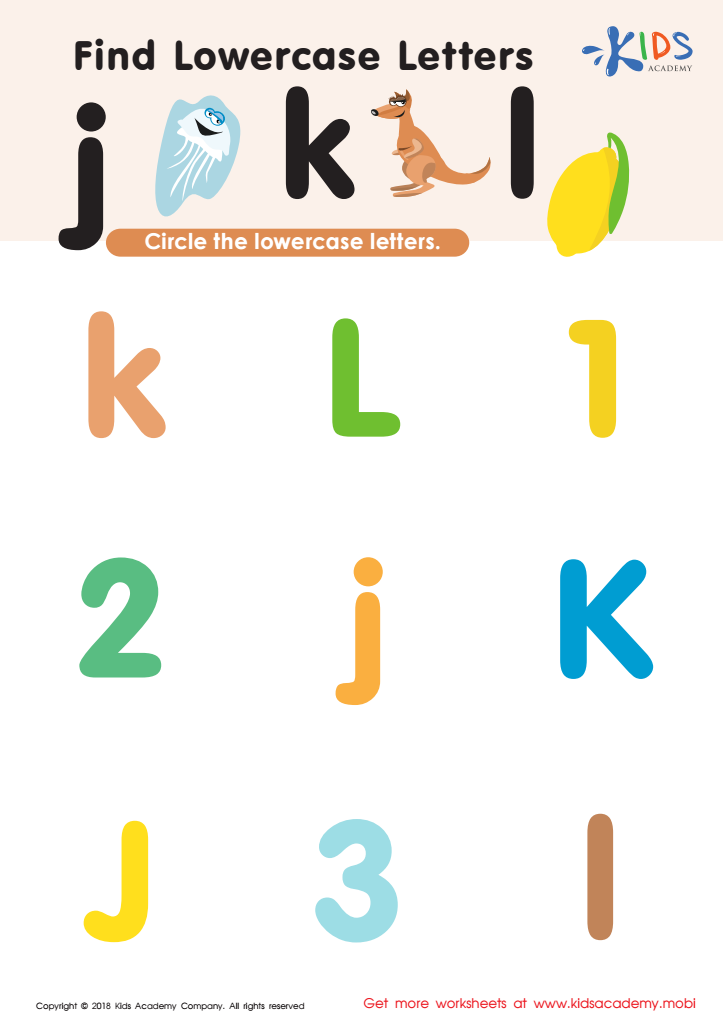
Find Lowercase Letters j k l Worksheet
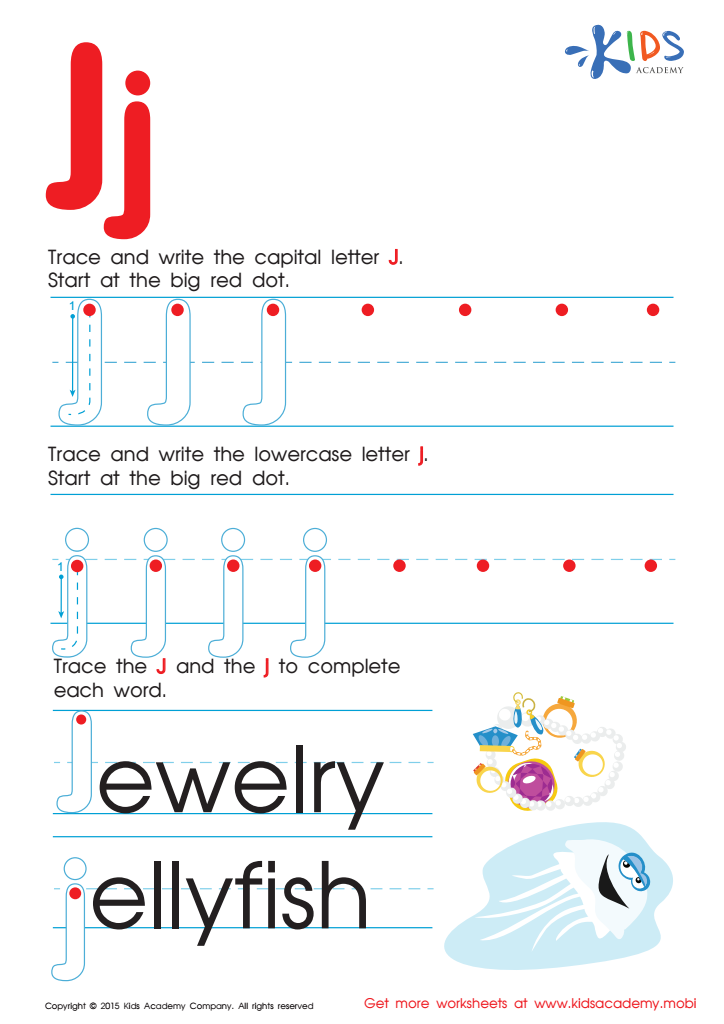
Letter J Tracing Page
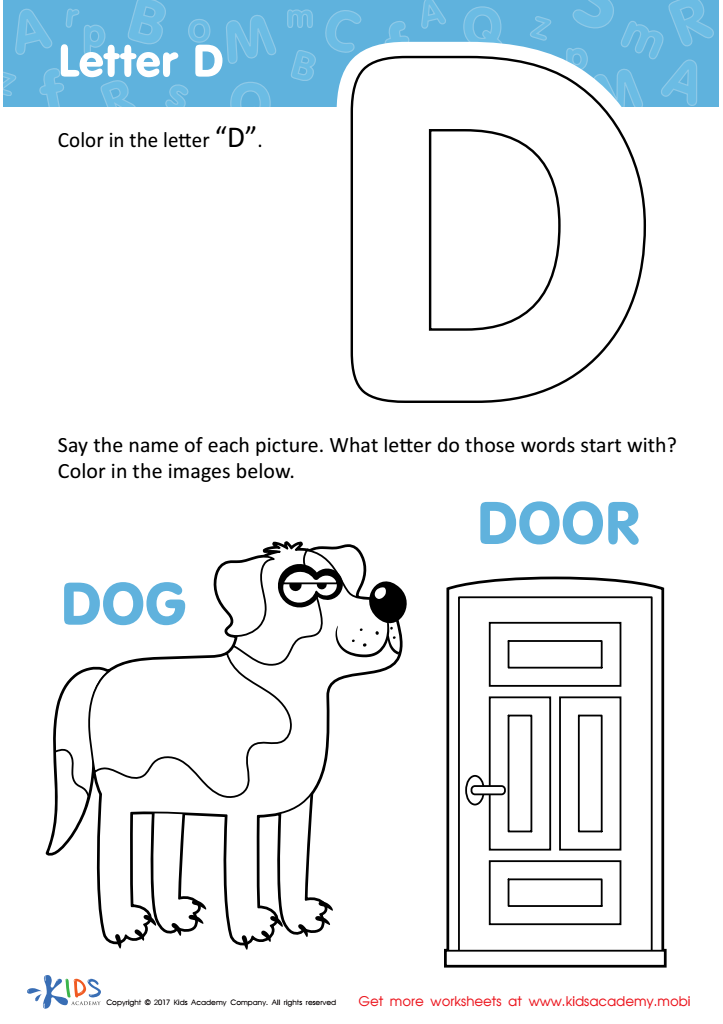
Letter D Coloring Sheet
 Assign to My Students
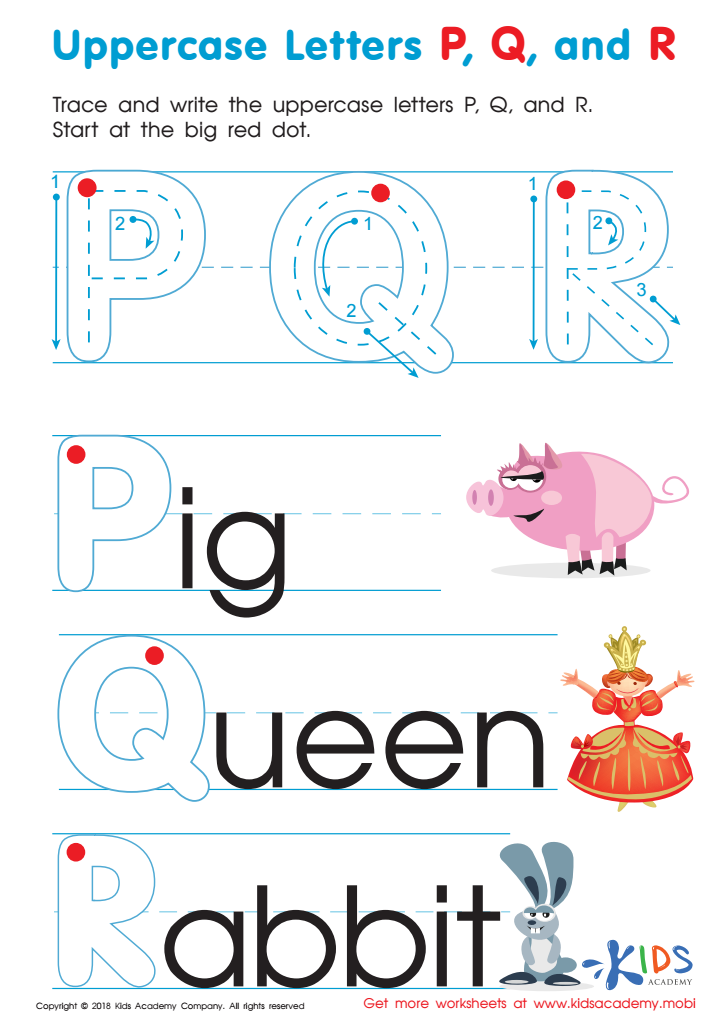
Uppercase Letters P, Q, and R Worksheet
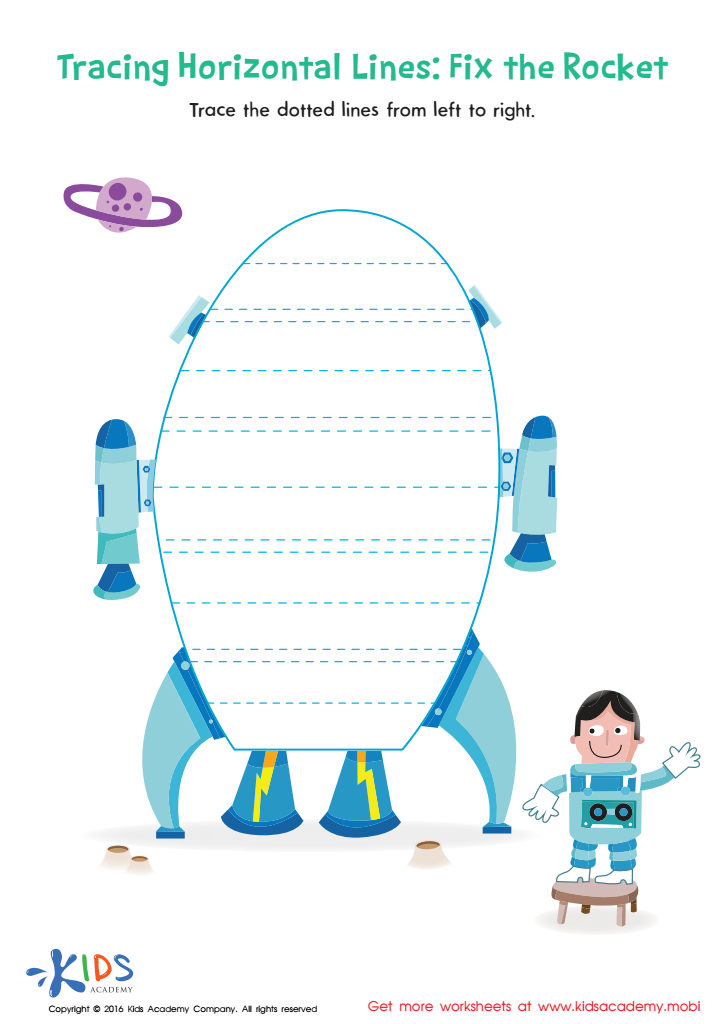
Tracing Horizontal Lines Worksheet








Fine motor skills play a crucial role in a child's overall development, making it essential for parents and teachers to prioritize their cultivation. These skills encompass the ability to use small muscles in the hands and fingers, enabling tasks such as writing, drawing, and buttoning clothes. When fine motor skills are well-developed, children can perform daily activities with better ease and confidence, which positively impacts their self-esteem.
Additionally, fine motor activities are closely linked to cognitive development. As children manipulate objects, they enhance their problem-solving abilities and hand-eye coordination, which are vital components of learning. For example, tasks like cutting with scissors or threading beads also integrate areas of creativity and spatial awareness.
Moreover, strong fine motor skills aid academic performance, especially in literacy and mathematics. Children better grasp writing techniques and can express their ideas more fluently. Teachers and parents can support fine motor development through engaging activities such as arts and crafts, puzzles, and playdough. By nurturing these skills early on, adults can set the foundation for children’s future academic success and everyday functioning, reinforcing the idea that fine motor skills are a critical component of childhood development.







