Handwriting Skills Normal Alphabet Worksheets
5 filtered results
-
From - To
Discover our engaging Handwriting Skills Normal Alphabet Worksheets, designed to enhance children's handwriting proficiency while making learning fun! These printable worksheets offer a structured approach to mastering letter formation, from A to Z. Each sheet includes colorful illustrations and tracing activities that promote proper grip and motor skills. Perfect for early learners, our worksheets foster confidence as children practice their writing in a variety of formats. The worksheets also encourage creativity and letter recognition through interactive exercises. Ideal for home or classroom use, these resources support essential literacy development. Start your child's writing journey today with our user-friendly worksheets!
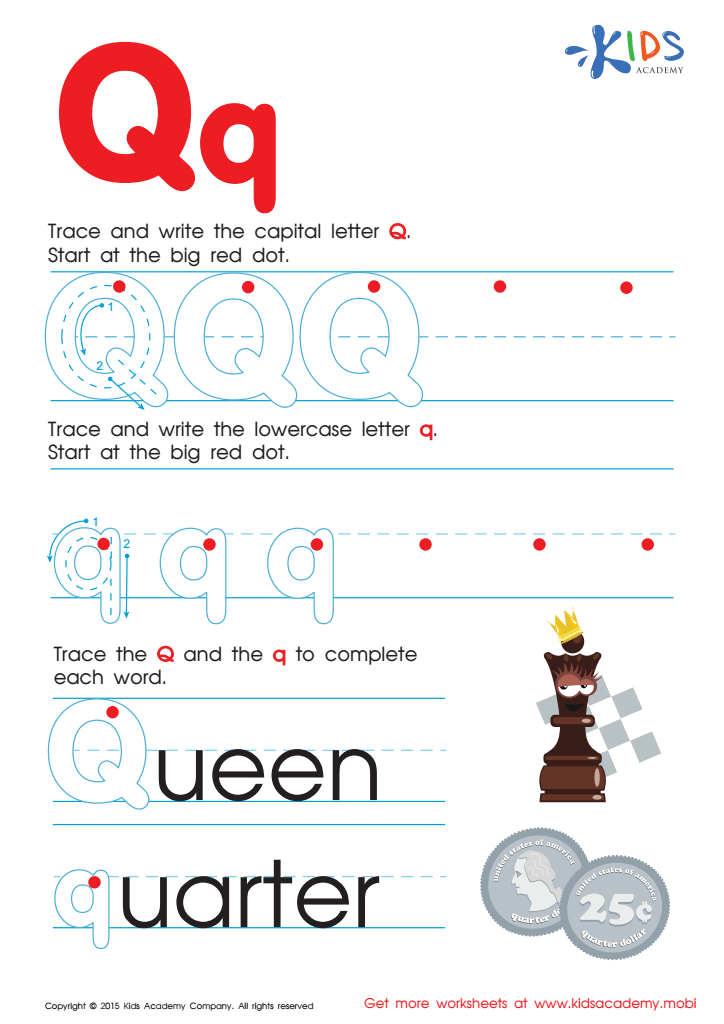
Letter Q Tracing Page
 Assign to My Students
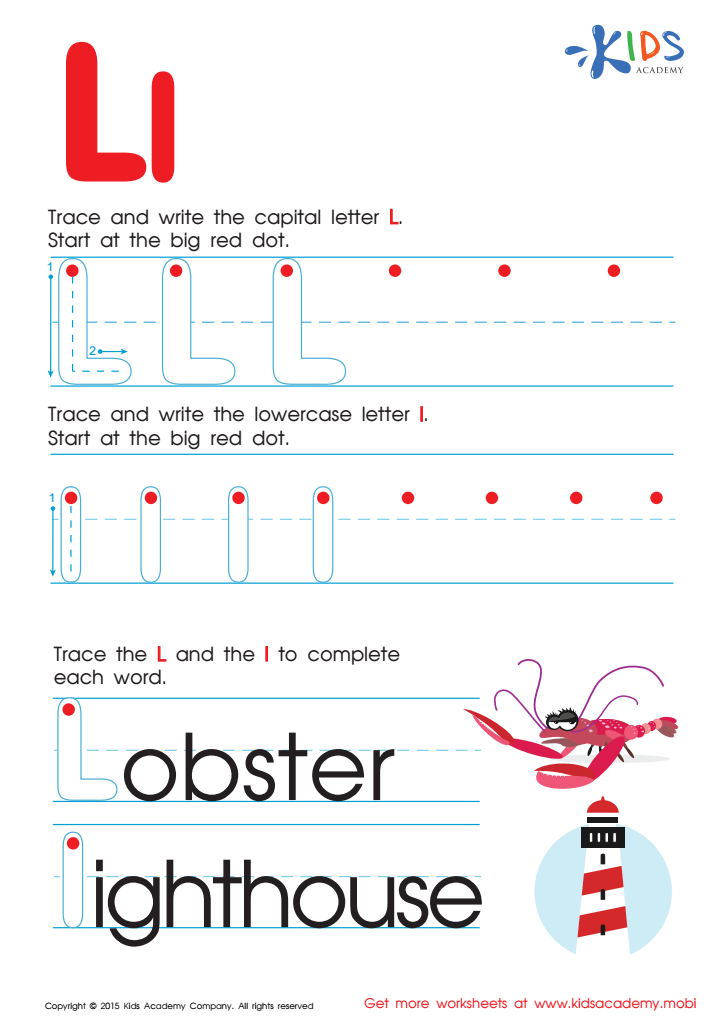
Letter L Tracing Page
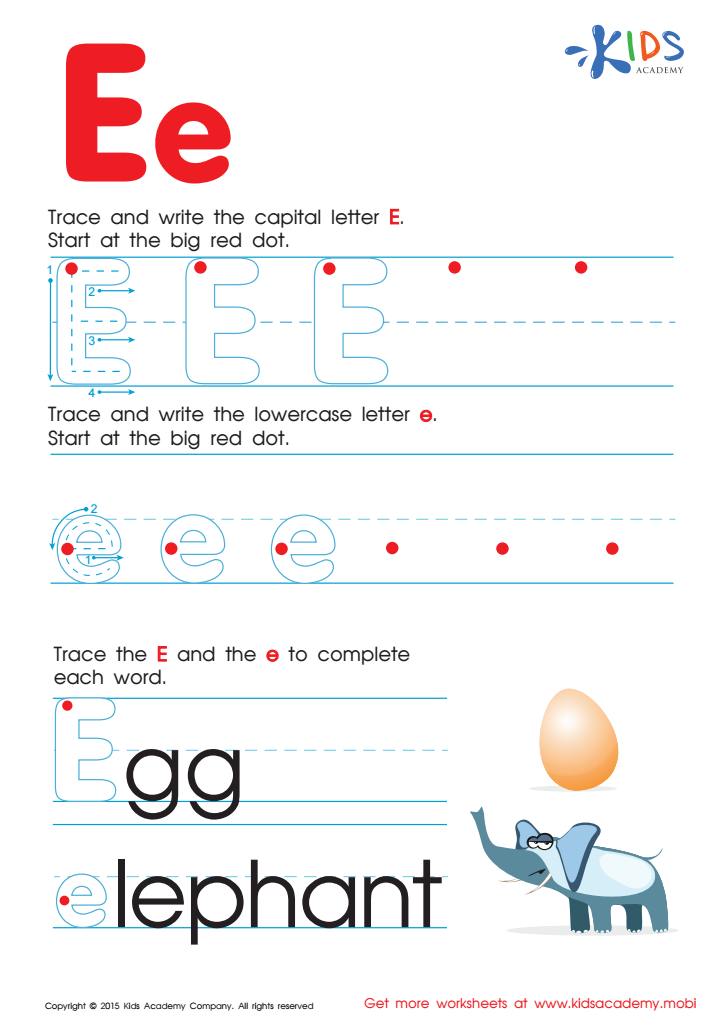
Letter E Tracing Page
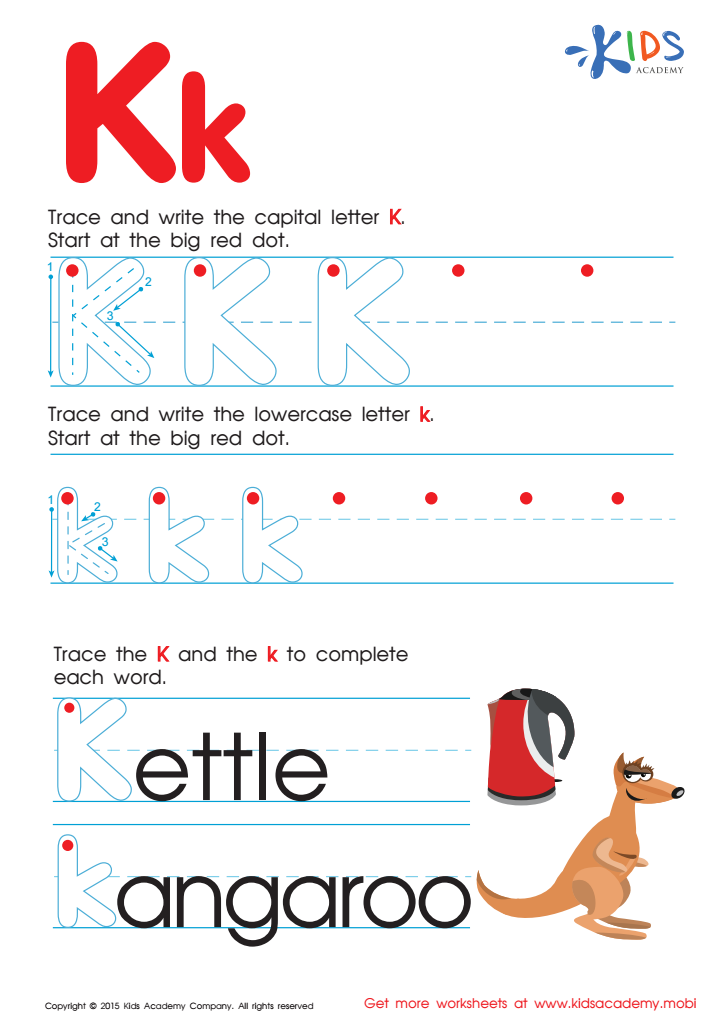
Letter K Tracing Page
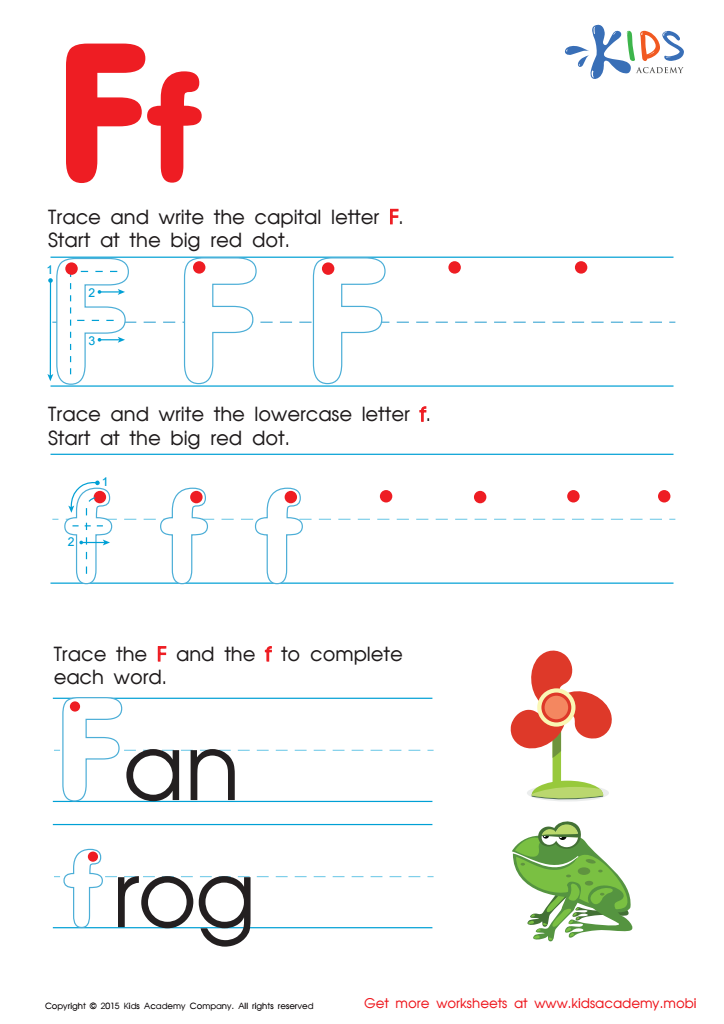
Letter F Tracing Page








Handwriting skills are fundamental for young learners, making it essential for parents and teachers to prioritize developing these abilities. First, clear handwriting fosters effective communication. As children progress through their education, being able to write legibly allows them to convey their thoughts and ideas efficiently, which is crucial for academic success.
Moreover, handwriting enhances cognitive skills. The action of writing engages multiple brain areas, promoting fine motor skills, memory retention, and critical thinking. Research indicates that students who practice handwriting tend to perform better in reading and spelling, reinforcing literacy development.
Furthermore, handwritten communication offers a personal touch that digital methods cannot replicate. This personal connection is vital in building relationships and expressing emotions, fundamental skills in social interactions.
Supporting handwriting skills also instills discipline and perseverance in children as they learn to form letters properly and develop their unique writing style over time. As parents and teachers, encouraging regular practice through fun activities can help cultivate a lasting appreciation for writing.
In a nutshell, emphasizing handwriting skills is essential for effective communication, cognitive development, emotional expression, and overall educational success, making it a key focus in early childhood education.







