
Improving reading skills Normal Alphabet Worksheets
3 filtered results
Difficulty Level
Grade
Age
-
From - To
Subject
Activity
Standards
Enhance your child's reading proficiency with our "Improving Reading Skills Normal Alphabet Worksheets." These engaging worksheets are designed to help young learners recognize letters, sounds, and words effectively. Each activity encourages practice through fun exercises, including fill-in-the-blank, tracing, and matching games that reinforce foundational reading skills. Our resources cater to various learning styles, making them perfect for classrooms or at-home learning environments. With clear illustrations and age-appropriate challenges, these worksheets will boost confidence and promote a love for reading. Equip your child with the essential tools for literacy development and watch their skills flourish! Explore our collection today!
Favorites
With answer key
Interactive
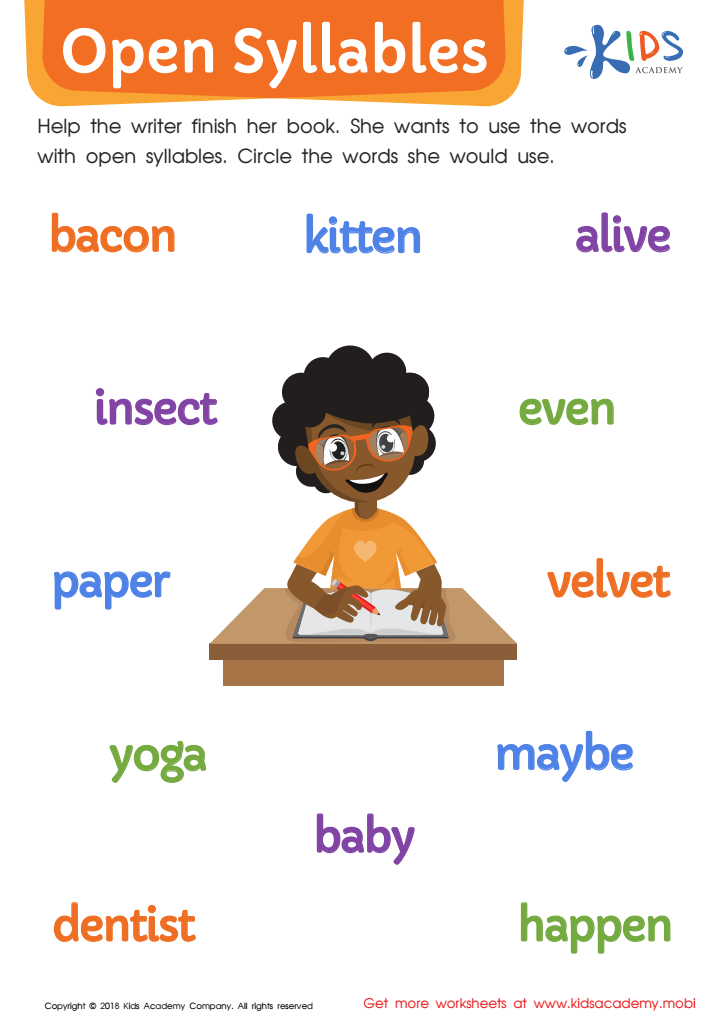
Open Syllables Worksheet
Before beginning this worksheet, make sure your child knows what open syllables are. If not, take time to teach them with examples. Then, help the writer finish her book by circling words with open syllables. She needs your child's help!
Open Syllables Worksheet
Worksheet
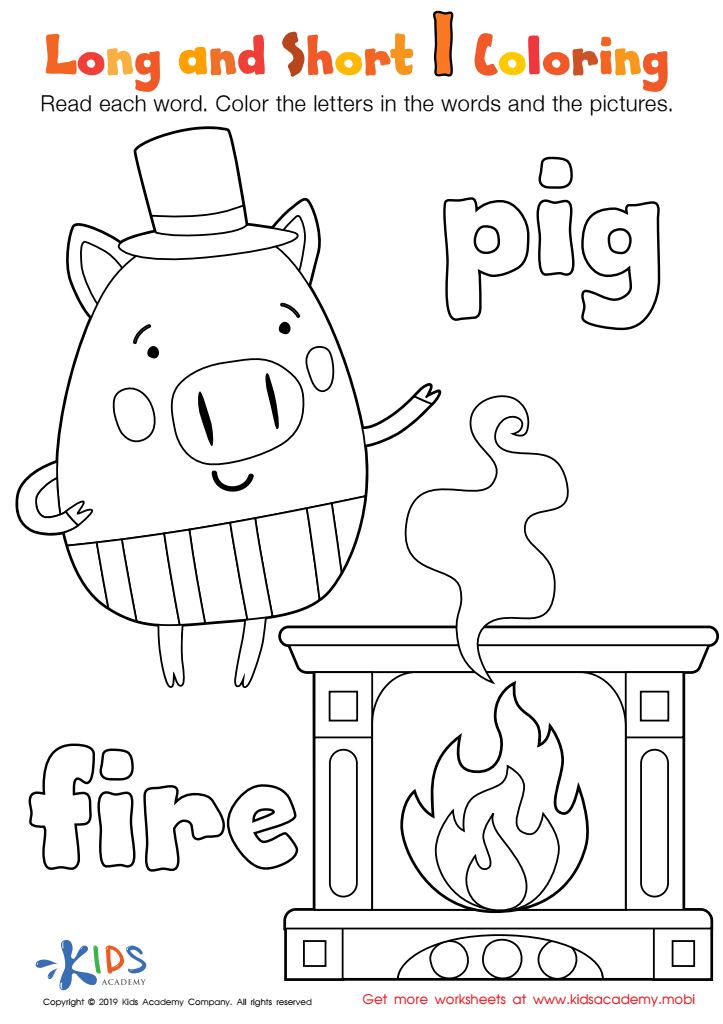
Long and Short I Worksheet
Print the worksheet and have the students read "pig" and "fire". Check for understanding the difference between long and short vowels. Color in words and pictures to make learning phonics fun! This exercise is perfect for introducing the topic to your students.
Download (PDF)
 Assign to My Students
Assign to My Students
Long and Short I Worksheet
Worksheet
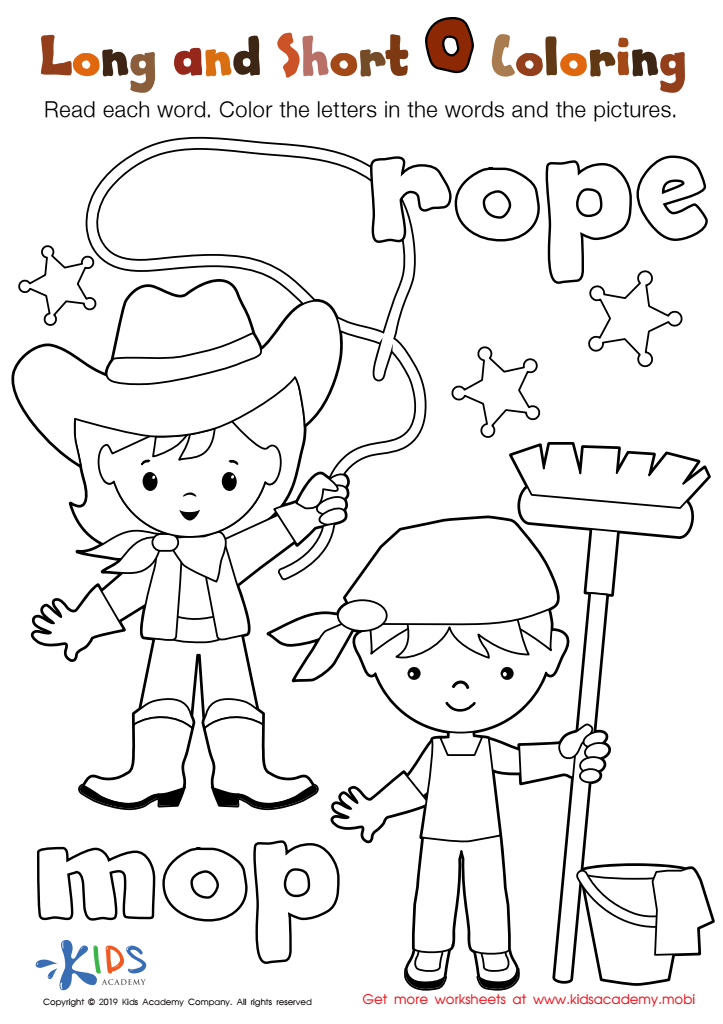
Long and Short O Worksheet
Help your students recognize the difference between long and short «Os» with this fun printout. Let them read and color-in "rope" and "mop" simultaneously. Listen to the different sounds, then color the words and pictures. Great for classes, it'll make your phonics lesson memorable and enjoyable.
Download (PDF)
Assign to My Students
Assign to My Students
Long and Short O Worksheet
Worksheet
Join Kids Academy for Free
Who is primarily going to use this learning content?







.jpg)
Improving reading skills using the normal alphabet is essential for children’s overall development and academic success. First, strong reading skills enhance comprehension and critical thinking ability, which are crucial for learning across all subjects. Kids who read well can engage with varying texts, from simple storybooks to complex content in science or history, fostering a love for lifelong learning.
Additionally, proficient reading supports effective communication. As children improve their reading abilities, they also get exposed to rich vocabulary and varied sentence structures, enriching their language skills. This, in turn, enables them to express their thoughts clearly and persuasively.
Moreover, literacy dramatically influences a child's self-esteem and confidence. When children can read fluently, they participate actively in classroom discussions, leading to greater engagement and a positive attitude toward education.
Parents and teachers play a crucial role in nurturing these skills. They can motivate and provide support through shared reading, creating a print-rich environment, and encouraging regular practice. Ultimately, investing in reading skills during early years lays a strong foundation for academic proficiency, social-emotional development, and future success, making it a priority for families and educators.







