Phonics development Normal Alphabet Worksheets
3 filtered results
-
From - To
Enhance your child’s phonics development with our engaging Normal Alphabet Worksheets, designed to make learning fun! These printable resources focus on essential phonetic skills, helping young learners recognize letters, sounds, and their connections. Each worksheet is crafted to reinforce letter identification, sound recognition, and blending skills through interactive activities. Perfect for preschool and early elementary students, our worksheets encourage independent learning and creativity, making phonics an exciting adventure. With colorful illustrations and diverse exercises, children will build a strong foundation in reading and writing. Start your child’s phonics journey today – download our worksheets and watch them flourish in their literacy skills!
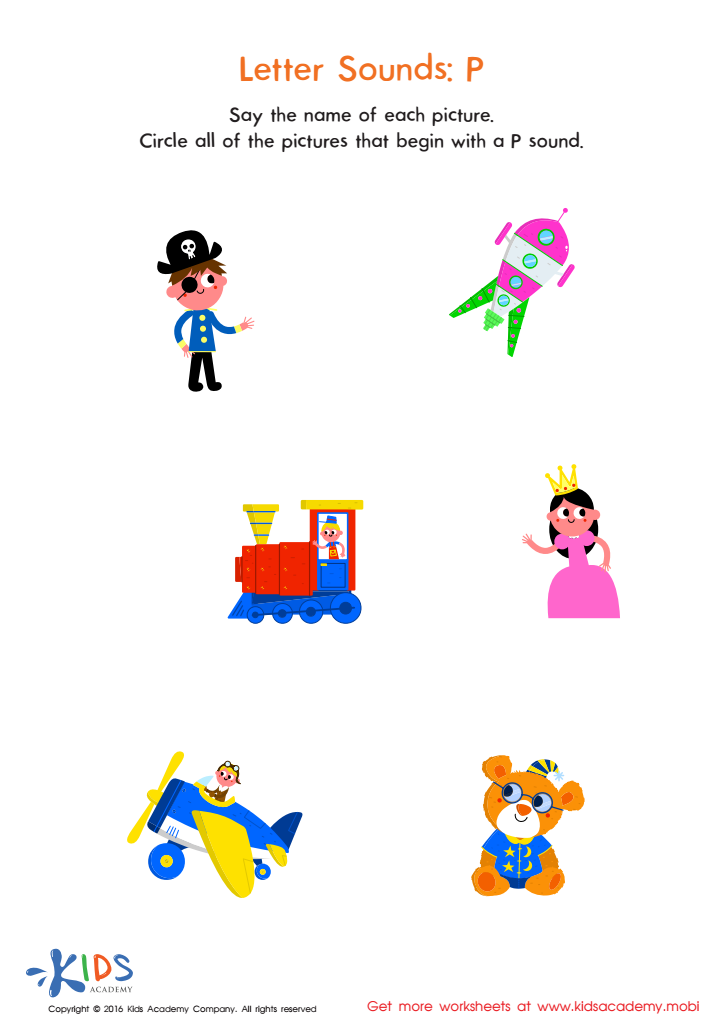
Letter P Sound Worksheet
 Assign to My Students
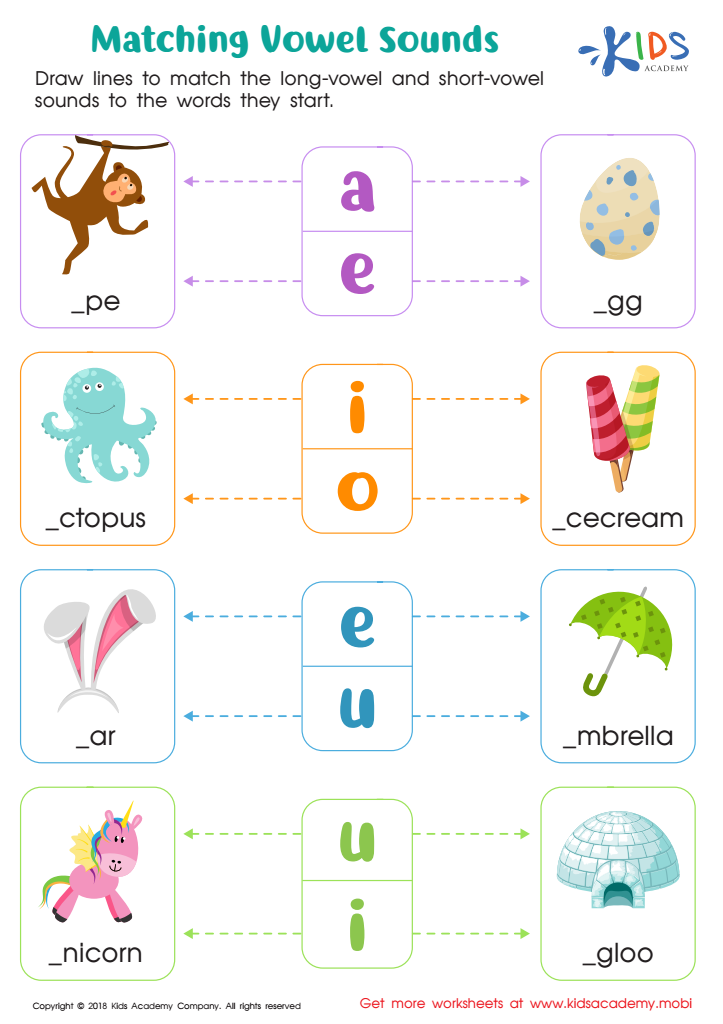
Matching Vowel Sounds Worksheet
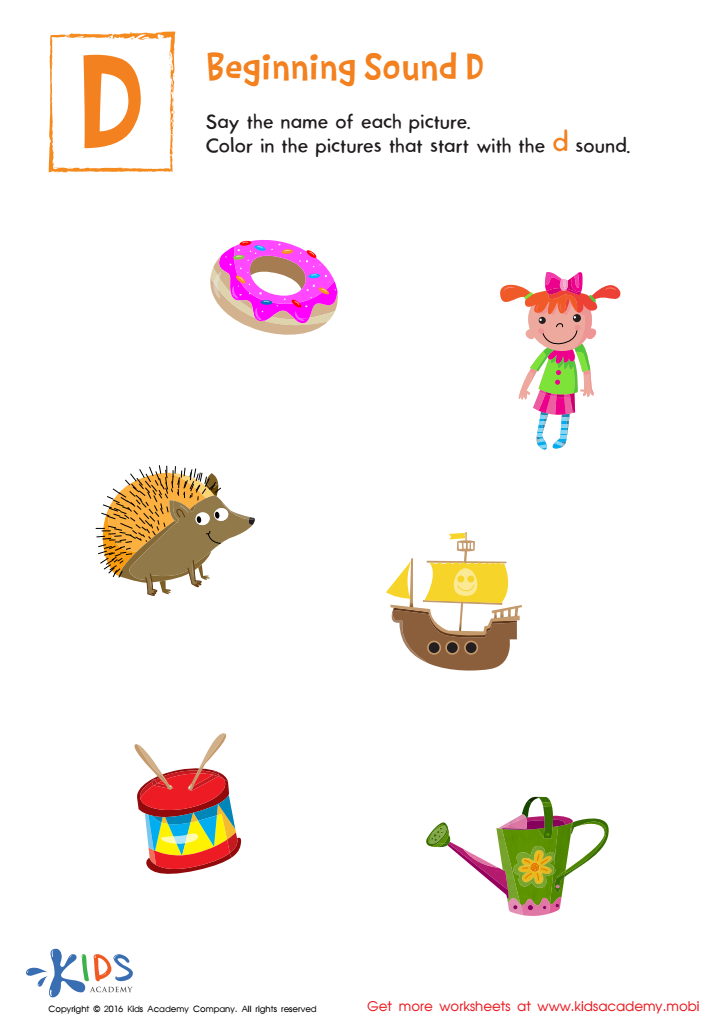
Beginning Sound D Worksheet







Phonics development is a crucial aspect of early literacy, greatly impacting a child's reading and writing skills. Parents and teachers should prioritize phonics because it forms the foundational understanding of how letters and sounds work together. This understanding is essential for decoding words, which is vital as children progress in their education.
By learning the relationships between letters and sounds, children gain the ability to sound out unfamiliar words, enhancing their reading fluency and comprehension. Effective phonics instruction helps children build confidence in their writing abilities, enabling them to express their thoughts clearly.
Additionally, strong phonics skills can prevent reading difficulties in the future, reducing the risk of academic struggles. Early intervention in phonics development can help identify children who may need additional support.
Understanding phonics is not just about reading; it enriches children's overall language skills, expands their vocabulary, and promotes a love for reading. When both parents and teachers collaborate to reinforce phonics development at home and school, they lay a strong foundation for lifelong literacy skills, fostering a generation of confident, capable readers and writers.







